Axios AM

November 14, 2025

🍻 Happy Friday! Smart Brevity™ count: 1,451 words ... 5½ mins. Thanks to Noah Bressner for orchestrating. Copy edited by Bryan McBournie.
1 big thing: 🎵 America's most-downloaded country artist? AI!
The most-downloaded country song in America is written and sung not by a human, but by AI alone.
- Why it matters: This is twilight-zone stuff, folks. For the No. 1 and No. 3 paid downloads, the artists, the music, the lyrics — the songs — aren't by real people. But real people are lovin' 'em.
💡 The big picture: Artists of all types should be rattled that early, deeply flawed, work-in-progress AI is already cranking out country hits ... and knocking humans down the music charts.
The success of "artists" Breaking Rust and Cain Walker pits AI technology against humans who earn their living as songwriters, artists and music business professionals, Axios Nashville's Nate Rau writes.
- Breaking Rust, a computer-generated outlaw blues-country singer, has the No. 1 song on Billboard's Country Digital Song Sales chart with the single "Walk My Walk."
- Cain Walker, an AI R&B singer, is No. 3 on the same chart with "Don't Tread On Me."
Threat level: The AI chart invasion is ringing alarm bells in Nashville — Music City! — one of the songwriting capitals of the world.
- Songwriting and music publishing are the cornerstones of the city's music industry. Countless singer-songwriters flocked to Nashville over the decades.
🧮 By the numbers: Breaking Rust boasts 2.4 million monthly listeners on Spotify. Cain Walker has over 842,000.
- By comparison, ascending singer-songwriter Jackson Dean, whose single "Heavens to Betsy" is climbing the country radio charts, has 1.6 million monthly listeners.
🥊 Reality check: Billboard's country sales chart only tracks paid downloads — a small piece of the music market today. It doesn't reflect streaming and radio airplay, which are factored into Billboard's more influential Hot Country Songs chart.
🤯 Zoom out: "In just the past few months, at least six AI or AI-assisted artists have debuted on various Billboard rankings," Billboard reports. That figure could be higher, as it's become increasingly difficult to tell who or what is powered by AI — and to what extent."
- Many tracks, spanning every genre from gospel to rock to country, arrive with anonymous or mysterious origins, sometimes with AI elements mixed into rerecordings of old school hits, Billboard adds ($).
🤖 Sign of the times: Billboard uses an AI tool to sniff for AI fingerprints!
- And there's a London producer who "humanizes" AI tracks.
Share this story ... Get Axios Local: Newsletters in 34 cities.
2. AI crime wave
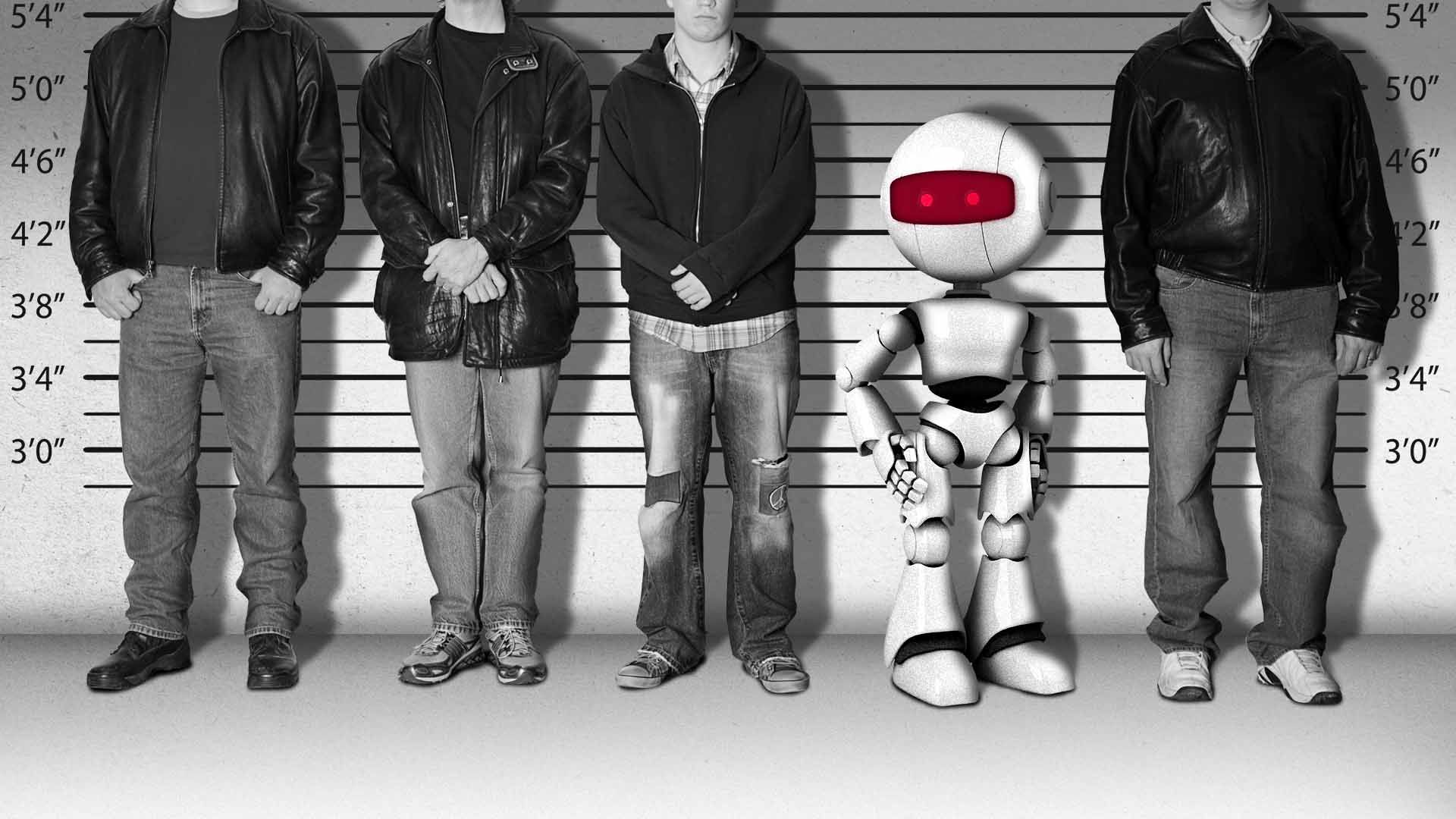
AI is rewriting the playbook for crime — from cheap deepfake scams and AI-written ransomware to mass identity hijacks and critical-infrastructure hacks, Axios' Russell Contreras writes.
- Why it matters: This new class of AI-supercharged crime is endangering lives and financial systems. Police training, laws and cross-border tools aren't keeping up.
Off-the-shelf AI lowers the skill level and cost of carrying out attacks, enabling small crews to execute schemes that previously required nation-state resources.
- Crimes can now hit millions at once with voice clones and account takeovers. Local agencies are trained and funded to chase one case at a time.
🤖 How it works: AI can create automations to "lock pick" into a system millions of times per second, something humans can't do, futurist Ian Khan tells Axios.
- Once inside, hackers can then use AI to steal identities, pump and dump stocks and cause havoc to utility plants, smart homes and hospitals.
🌐 The attacks can come from across the street to the other side of the world, said Marc Goodman, author of "Future Crimes: Inside the Digital Underground and the Battle for Our Connected World."
- Deep fake voices can convince victims to hand over money, or stolen identities could lead to voter fraud, child pornography and false arrests.
💻 The latest: Chinese state-backed hackers used AI tools from Anthropic to automate breaches of major companies and foreign governments during a September cyber campaign, the company said yesterday.
- "We believe this is the first documented case of a large-scale cyberattack executed without substantial human intervention," the company said in a statement.
🔎 Zoom in: Beyond large-scale attacks, even petty AI crimes have local law enforcement on edge.
- Some AI-powered drones could collect data on the best places to bury bodies on less-traveled roads.
🐕 Future robo-dogs could burglarize homes.
- Hacked cars may just drive off by themselves to chop shops, and AI systems could inform a would-be thief the best way to break into a car.
3. 💰 Tariff tweaks for cheaper groceries

The Trump administration insists Americans don't bear the costs of tariffs and that grocery prices haven't gone up this year, Axios' Ben Berkowitz writes.
- But it just cut trade deals with four Latin American countries that include relief for coffee, bananas and other products not grown domestically. The New York Times reports the White House could make even more significant tariff changes soon to lower prices.
Why it matters: President Trump's tariff policy was always in tension with domestic economic policy — the risk of higher costs versus the promise of lower prices — but as long as inflation remained under control, the tariffs mostly won out.
- With questions of domestic affordability now threatening the president politically, at least some tariffs are fair game.
🖼️ The big picture: The Trump administration is feeling a pressure point that the Biden administration knew well.
- Inflation rates don't matter, price levels do — and you can't easily convince people your policies are working when they're paying 15% more for a hamburger or 20% more for a cup of coffee.
- The president's economic team has been all over the airwaves assuring Americans that high prices are a Biden legacy that will come down by next year.
Between the lines: The move acknowledges that Americans pay at least some of the cost of tariffs, that tariffs have affected food prices, and that changing trade policy is one way to help fix the problem.
- N.Y. Times gift link ... Share this story ... Kelly Tyko contributed reporting.
4. 🗳️ Coming soon: Axios 2028
This Sunday, we're launching Axios 2028, our new weekly newsletter by Alex Thompson and Holly Otterbein that'll be the definitive guide to rising players, intrigue and fights.
- Why it matters: The Democratic presidential primary is in full swing, with 2028 hopefuls already fundraising, traveling to early states, hiring national operatives and testing their messages, Alex and Holly write.
5. 🔮 Crypto trends to watch


Digital currencies have grown from the fringes of mainstream relevance to an asset class embraced by Wall Street, legitimized by Congress and capturing a growing slice of everyday investment portfolios.
- Axios' Brady Dale pinpoints three crypto trends that will shape the industry's future:
- Whether bitcoin stays above $100,000 and continues its gradual, sputtering climb, or if a big drawdown really comes.
- Whether Congress will pass legislation to regulate crypto market structure, or the rules of the road for trading.
- How deeply crypto gets integrated into legacy Wall Street institutions. The introduction of bitcoin ETFs was a huge step, and Wall Street is increasingly flirting with financial products on the blockchain itself.
Keep tabs: Axios Crypto sent its final newsletter yesterday, as we elevate coverage of this booming, fascinating space to the daily Axios Business Suite. Get it here.
6. ⚡ Stat du jour: Data centers pass oil
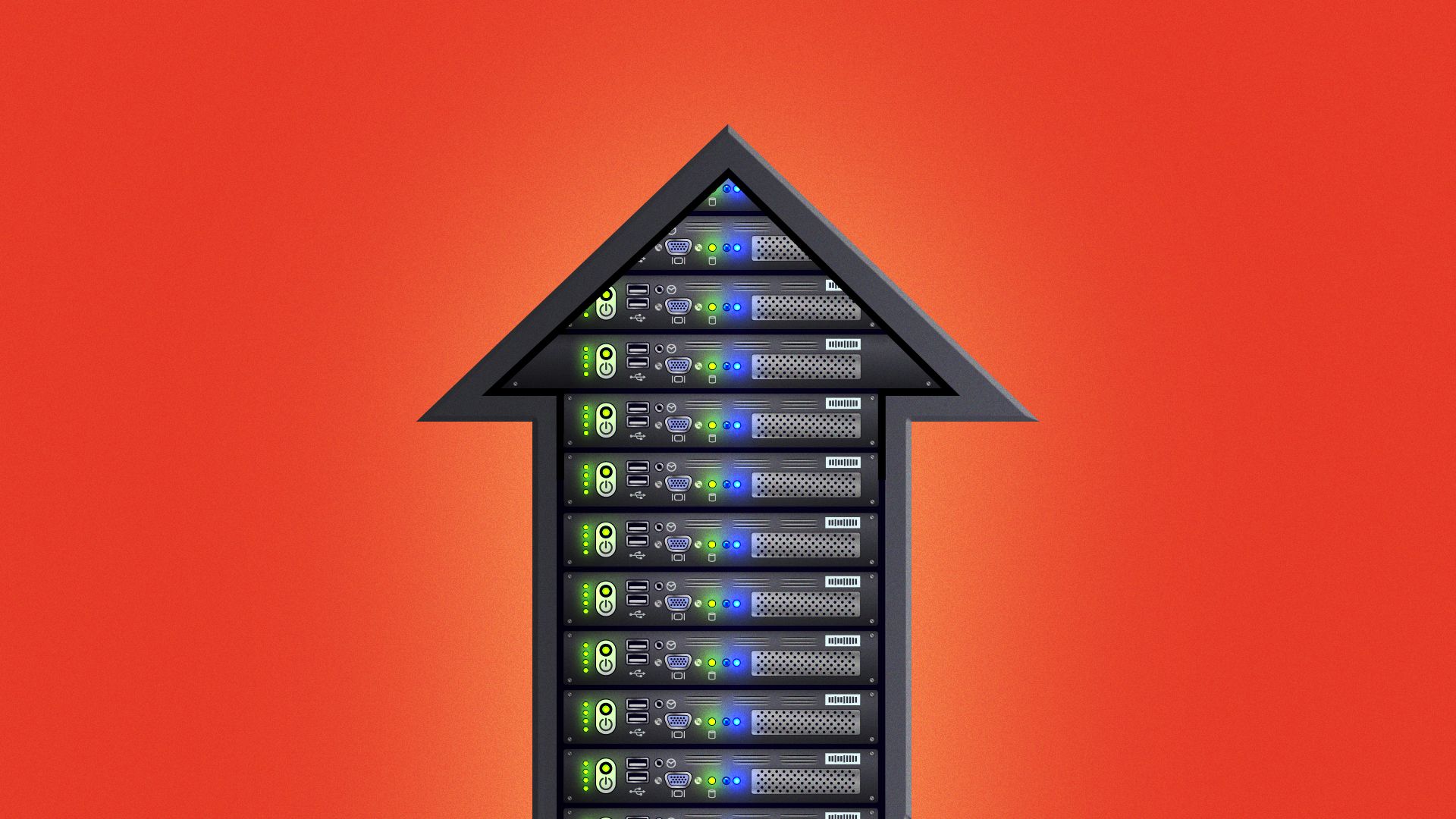
Investment in data centers will reach $580 billion this year, surpassing the roughly $540 billion invested in new oil supply, Axios Future of Energy author Ben Geman writes from the International Energy Agency's new outlook.
- Electricity consumption by AI-optimized servers is projected to increase fivefold by 2030, the report notes.
💡 Some perspective: Data centers are just one piece of the power story, and are highly concentrated in advanced economies and China.
- Data centers account for under 10% of global electricity demand growth between 2024 and 2030, behind industry, appliances and more.
Go deeper: More takeaways from the influential report.
- Hat tip: Bruce Mehlman!
7. 🔎 Zeitgeist watch
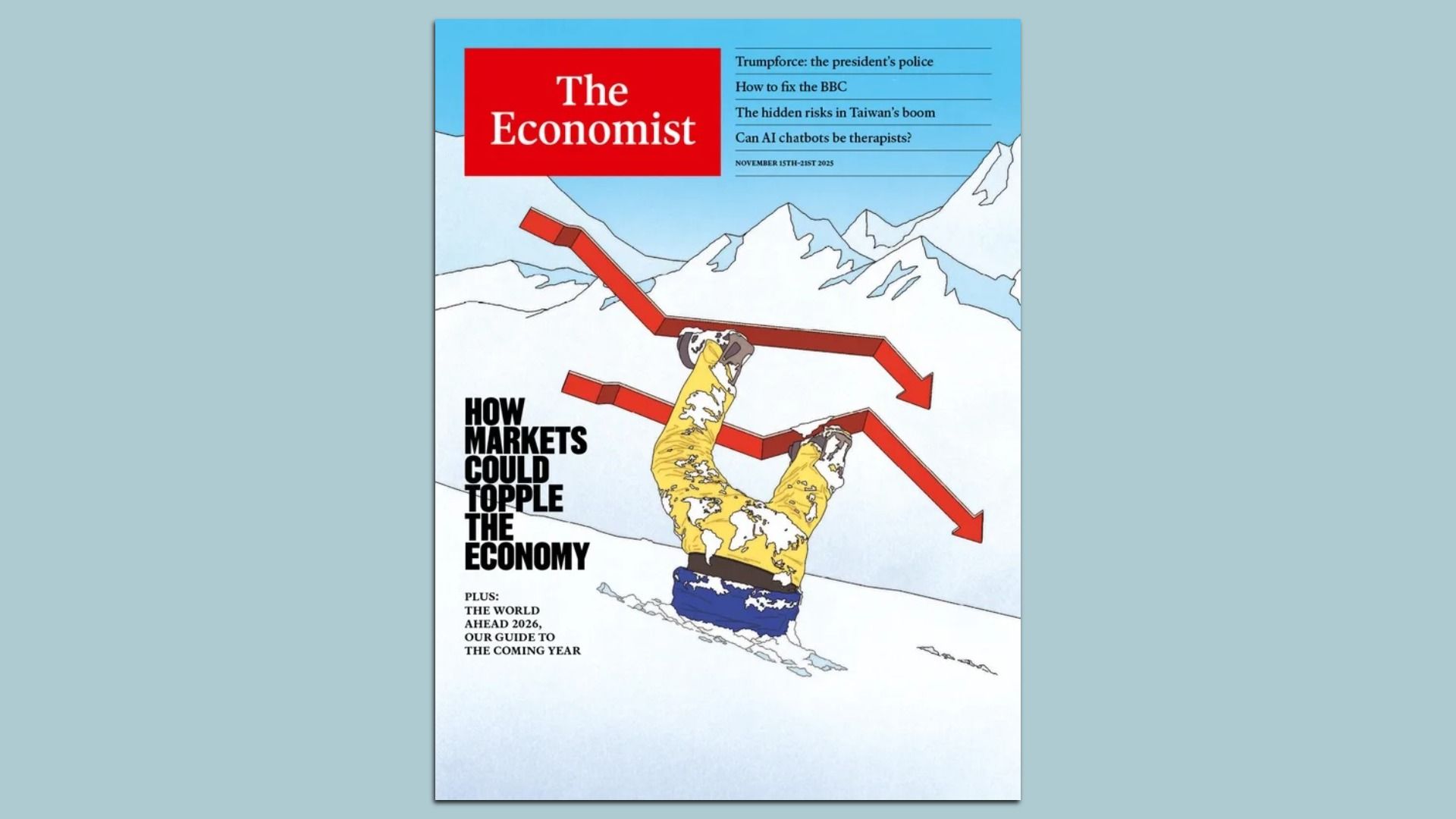
The longer the tech boom, including a frenzy of financial innovation, "the more opaque its financing becomes," The Economist warns in its new lead editorial ($):
"And even without financial Armageddon, a dramatic stockmarket fall might at last topple a hitherto resilient world economy into a downturn. The root of the vulnerability is the American consumer."
8. 🧀 1 fun thing: "Naked" Cheetos

The pushback against artificial colors has brought us "pale yellow" Flamin' Hot Cheetos, Axios' Nathan Bomey writes.
- That's the colorful description Bloomberg affixed to the new version of PepsiCo's cheesy snack, now without the synthetic dyes that Health and Human Services Secretary RFK Jr. has campaigned against.
The company's new products — called Simply NKD — are hitting stores Dec. 1 and include new versions of both Cheetos and Doritos.
💸 The money quote: "It wasn't based on consumer data or trends," PepsiCo Foods US CEO Rachel Ferdinando said. "No insight would ever suggest removing color from Doritos or Cheetos because these are fan favorites."
📬 Thanks for reading! Please invite your friends to join AM.
Sign up for Axios AM