Axios AM

June 13, 2025

1 big thing: How Israel did it
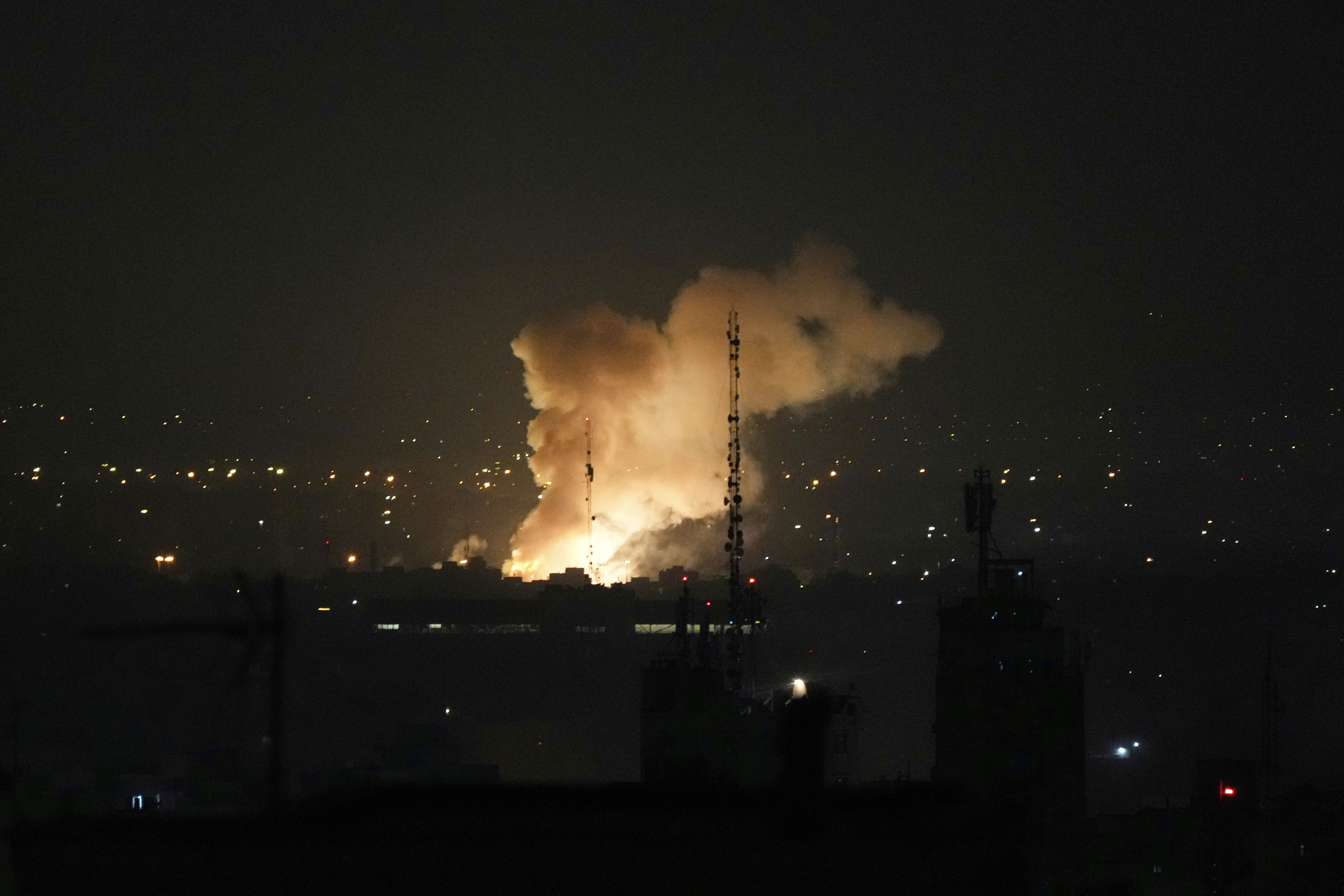
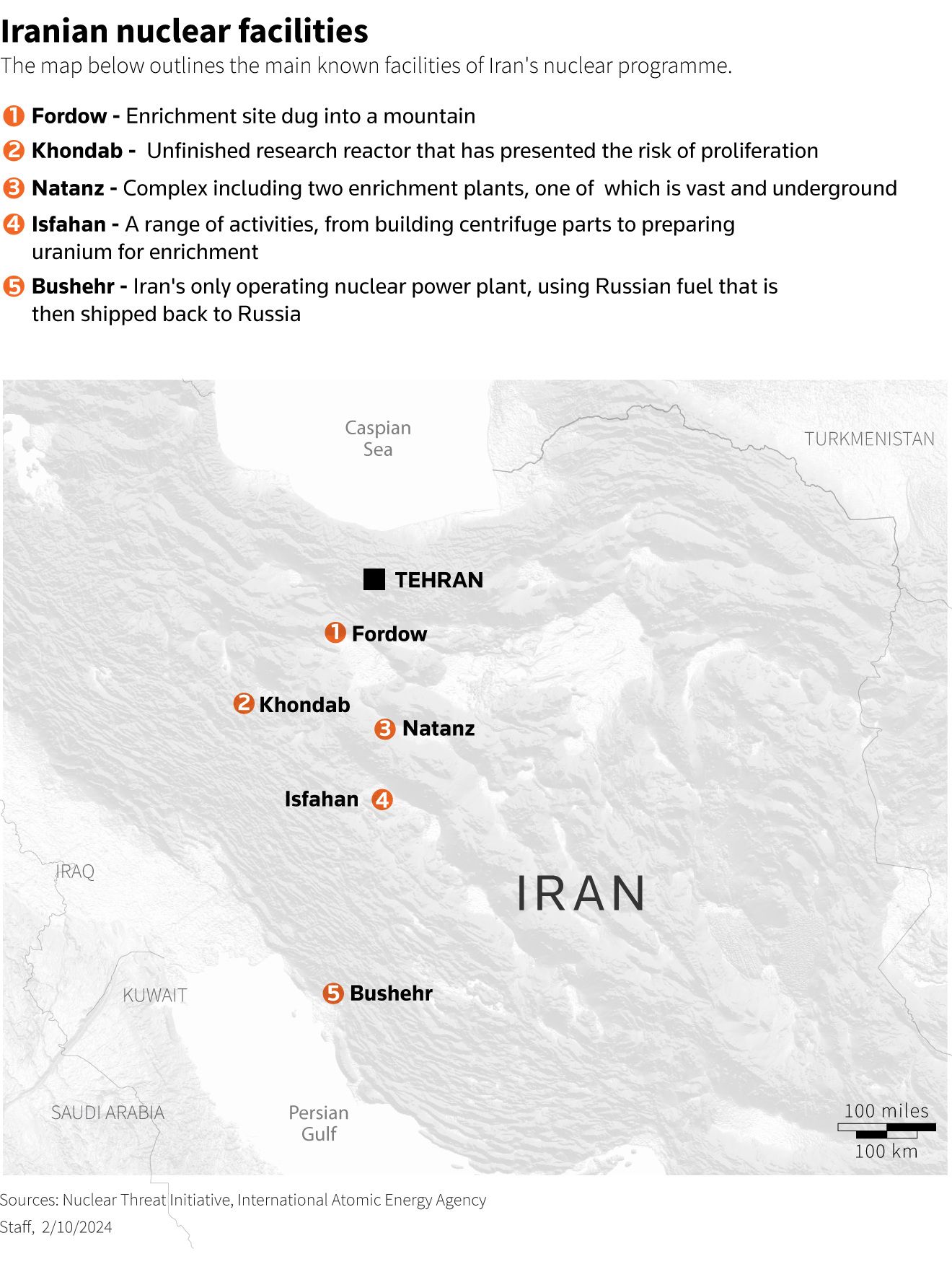
Israel's stunning and sprawling operation overnight targeting Iran's nuclear facilities, missile sites, scientists and generals followed eight months of intensive clandestine preparations, Axios' Barak Ravid reports.
- Why it matters: The operation launched a new war in the Middle East that could draw in the U.S., demolished any hopes of a nuclear deal, and dealt arguably the biggest single blow to the Iranian regime since the 1979 revolution. And it's only just beginning.
Israel is attempting to "eliminate" Iran's nuclear and ballistic missile capabilities in an operation expected to last at least several days, Prime Minister Benjamin Netanyahu announced. Other Israeli officials said it could take weeks.
- Israel attempted — just in the opening hours — to assassinate nuclear scientists it claims had the know-how to make a nuclear bomb. Around 25 scientists were targeted and at least two are confirmed dead so far.
- Israel also targeted the entire top brass of Iran's military. The commander of the Revolutionary Guard and military chief of staff were both confirmed dead, along with another senior general.
The Israeli operation didn't just include air strikes. Israel's Mossad intelligence service has operatives on the ground conducting covert sabotage operations on missile and air defense sites, officials said.
- Israel is expected to keep pounding Iran's underground nuclear facilities in the coming days, along with other targets.
- Iran launched more than 100 drones at Israel in an initial wave of retaliation this morning, but many have been intercepted.
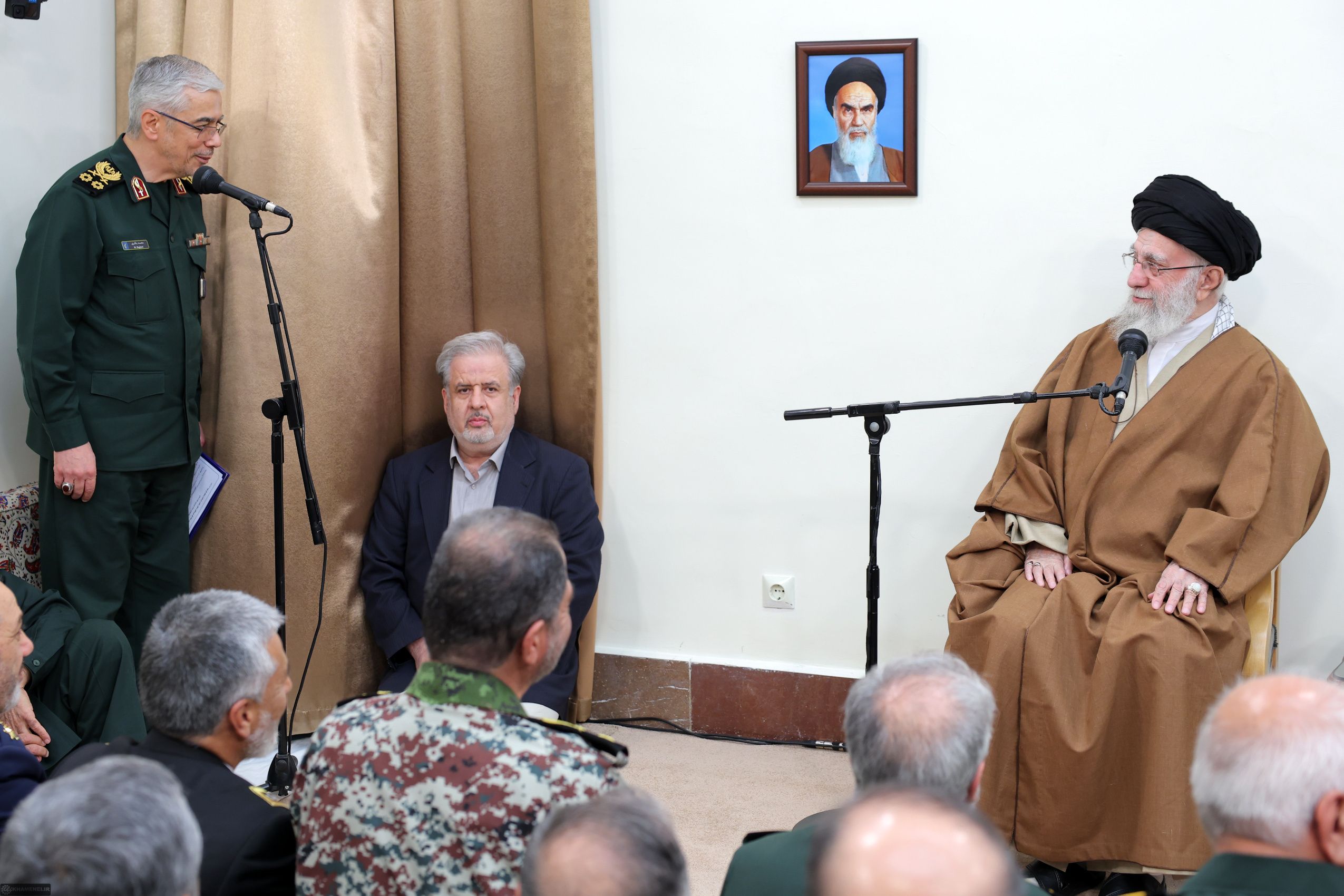
👀 Behind the scenes: The idea for an operation simultaneously targeting Iran's missile and nuclear programs — which Netanyahu has described as existential threats to Israel — took hold after Iran struck Israel in October, during a cycle of tit-for-tat escalation between the countries.
- Motivated both by Iran's fast-growing missile arsenal and its weakened air defenses following Israel's retaliation, Netanyahu ordered the military and intelligence services to begin planning.
- Adding to the urgency: Iran's plans in the coming weeks to open a new underground enrichment facility that would be immune to even massive U.S. bunker busters.
Friction point: Even as President Trump pursued a nuclear deal, Israel was preparing for this strike — gathering intelligence, positioning assets and eventually conducting drills.
- Those preparations alarmed some in the White House, who worried Netanyahu might move even without a green light from Trump.
Netanyahu assured Trump he wouldn't. The White House, for its part, told Netanyahu that if Israel attacked Iran, it would do so alone.
- Trump himself said several times in recent days, including several hours before the strikes, that he opposed an Israeli strike that could "blow up" the negotiations.

The intrigue: But in the hours after the attack began, Israeli officials briefed reporters that this was all coordinated with Washington.
- Two Israeli officials claimed to Axios that Trump and his aides were only pretending to oppose an Israeli attack in public — and didn't express opposition in private. "We had a clear U.S. green light," one claimed.
- The goal, they say, was to convince Iran that no attack was imminent and make sure Iranians on Israel's target list wouldn't move to new locations.
⚡ State of play: The U.S. side has not confirmed any of that. In the hours before and after the strike, the Trump administration distanced itself from the Israeli operation in public statements and private messages to allies.
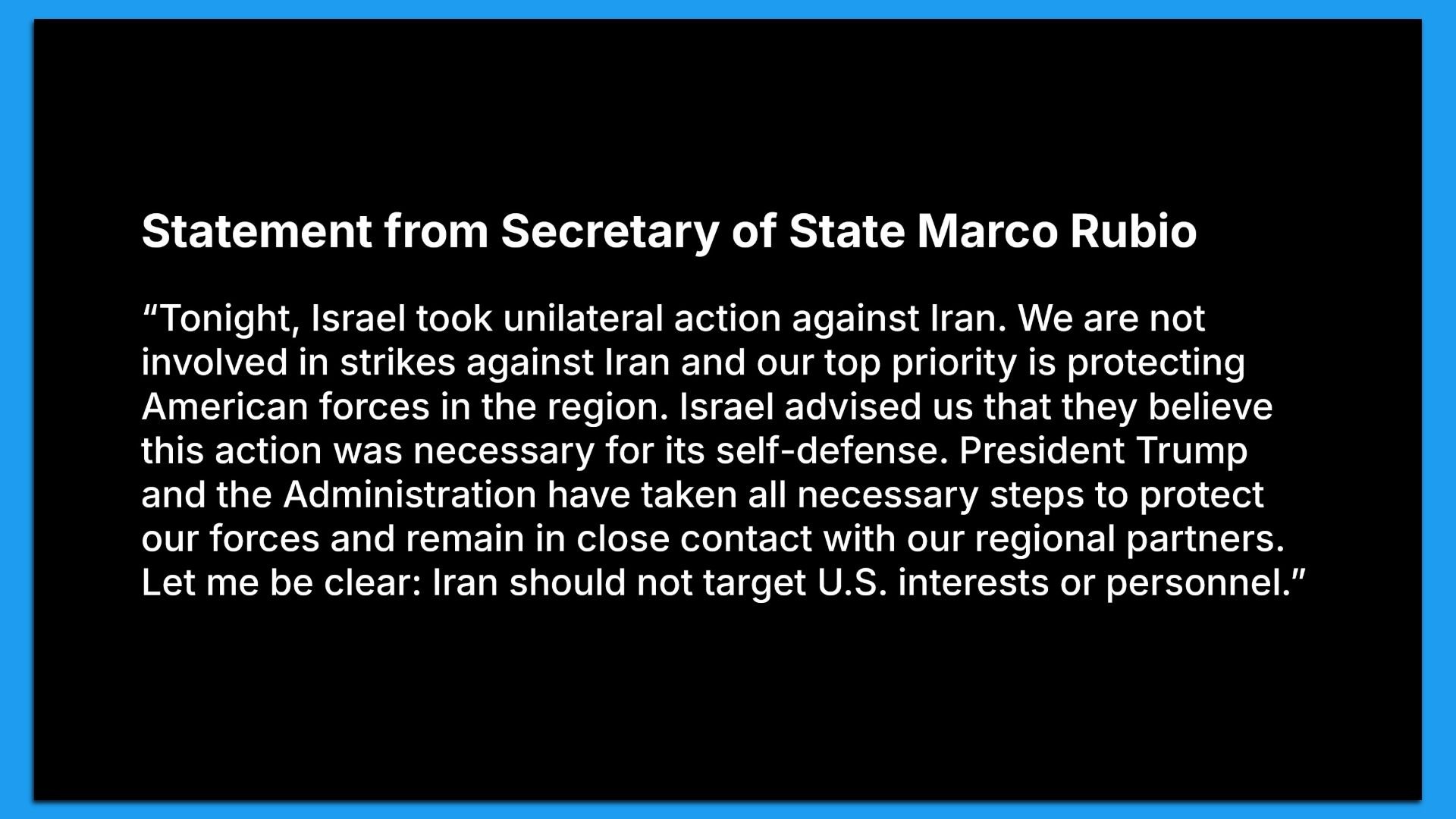
- Secretary of State Marco Rubio swiftly stated that Israel's attack was "unilateral" with no U.S. involvement.
- Hours later, Trump confirmed he knew the attack was coming but stressed the U.S. had no military involvement.
2. 💡 What we know
Here's what we know, via Axios' Dave Lawler:
- This is war between Israel and Iran. Israel will keep bombing for several days and Iran will hit back, possibly on U.S. targets as well.
- Nuclear diplomacy is all but dead. The U.S. says White House envoy Steve Witkoff still intends to attend talks in Oman on Sunday. But assuming Tehran balks, there might never be Iran nuclear talks again.
- Israel is fighting alone, at least in terms of actually conducting attacks. The degree of U.S. intelligence, logistical and defensive support for this operation is unclear. But Secretary of State Marco Rubio made clear this is Israel's fight to wage on its own.
What we don't know:
- Will this escalate beyond bombs and missiles to a ground war, or a regional conflict?
- How much of Iran's nuclear capabilities will survive, and will the Iranian regime now decide the time has come to build a bomb as soon as it's able to — whether that's months from now or possibly years?
- Will President Trump distance himself from Prime Minister Benjamin Netanyahu and Israel's operation, leaving Israel completely isolated internationally, or will he support their efforts to decimate Iran?
3. 🔥 Dems' five-alarm fire
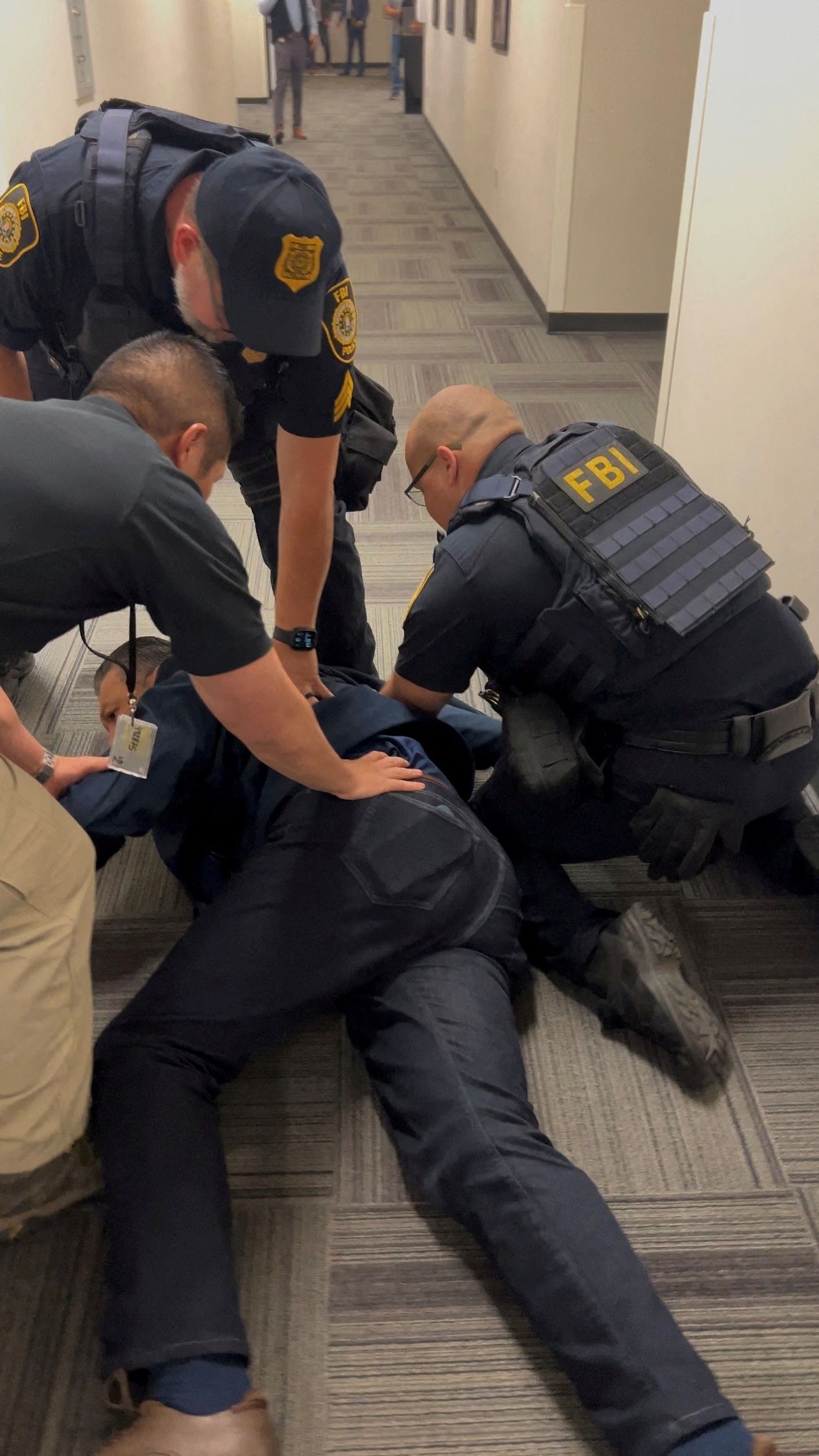
Democrats spooked by President Trump's strongman streak point to what happened yesterday to Alex Padilla, California's senior U.S. senator, as a crossing-the-Rubicon moment, Axios' Noah Bressner writes.
- Padilla, a Democrat, was forcefully removed from Homeland Security Secretary Kristi Noem's press conference in LA after interrupting it.
Padilla was handcuffed but not arrested. Noem tweeted: "After he interrupted our press conference with law enforcement, I met with Senator Padilla for 15 minutes."
- "We probably disagree on 90% of the topics but we agreed to exchange phone numbers and we will continue to talk ... I wish he would've acted that way in the beginning rather than creating a scene."
Between the lines: To Trump's most loyal allies, Padilla's actions were an exercise in political theater. House Speaker Mike Johnson was among the Republicans blaming Padilla, saying that "at a minimum," the senator should be censured.
- To Democrats, the episode crystallized fears about the administration's willingness to crush dissent.
4. 📺 Scoop: Tucker's big buyout
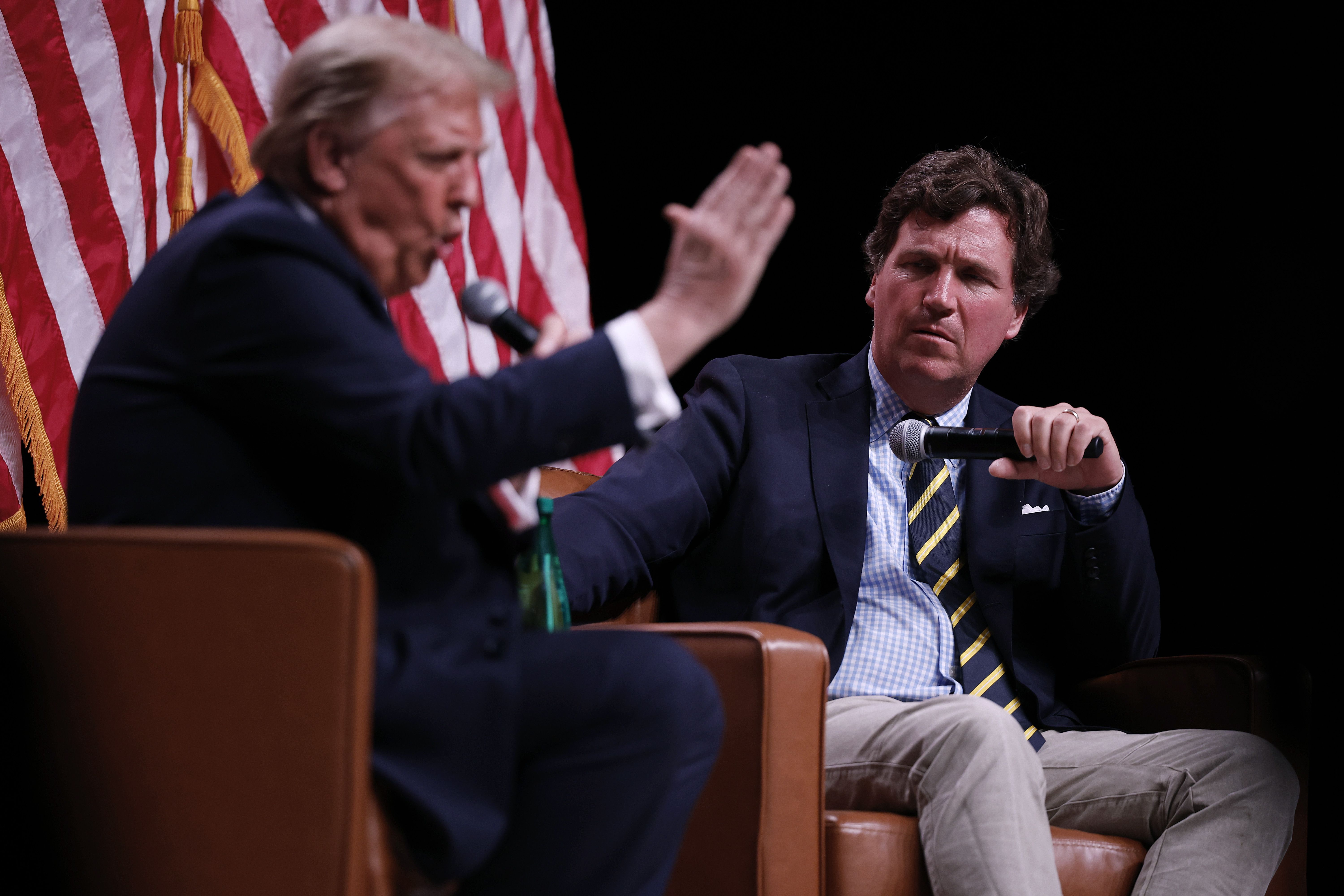
Tucker Carlson and his business partner, Neil Patel, recently bought out investors in their media company, Tucker Carlson Network (TCN), Axios' Sara Fischer reports.
- Why it matters: The deal gives the pair complete independence and total control of the company they co-founded in 2023.
"It's hard to claim you're independent when other people own your company, so we decided not to take investments or loans of any kind," Carlson told Axios in a statement, confirming the deal.
- "Our business is owned by the people who work there. You can disagree with our opinions but you can't say we're paid to have them, and we're proud of that."
💥 Flashback: Carlson and Patel raised roughly $15 million for TCN from a group of investors in late 2023 after Carlson parted ways with Fox News.
- The pair has a long history, having co-founded the Daily Caller together in 2010. Patel currently serves as co-founder and CEO of TCN.
5. 📨 Elon Musk's DOGE legacy

6. 😵💫 Trump's only trade certainty: Uncertainty
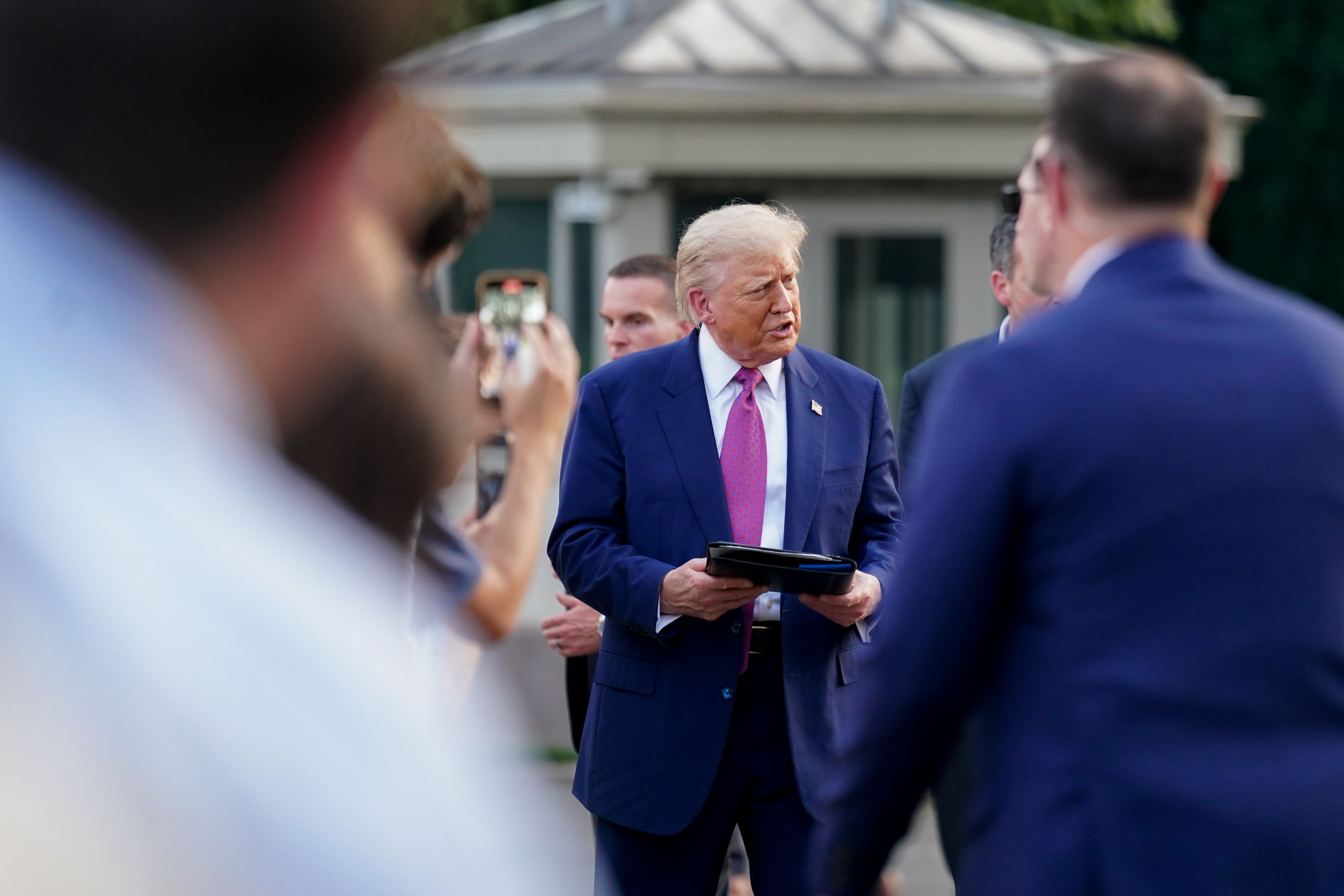
The latest U.S. trade deal with China may let the economy take a brief breather, but it's far from being able to relax, Axios' Ben Berkowitz writes.
- Why it matters: Months of real-time uncertainty are being replaced with longer-term uncertainty, with trade policy living on three-to-six-month cycles that make business planning a nightmare.
🖼️ The big picture: Tariffs are still in place, prices are still (at least anecdotally) rising, and deal deadlines with dozens of countries still loom over the summer.
- So-called hard economic data — inflation, jobs — remains strong. But the anecdotes, the real-world commentary from businesses, are getting more negative by the month.
- Indexes that measure trade policy uncertainty are almost literally off the charts, and surging again after a brief respite last month.
Between the lines: The U.S. and China agreed to a trade deal in Geneva in mid-May, which both sides almost immediately ignored.
- This week's deal in London is supposed to cement actually implementing the May agreement, including faster Chinese approvals of rare earths exports and relaxed U.S. export controls on software and jet parts.
🥊 Reality check: The London deal was barely 12 hours old when The Wall Street Journal reported the Chinese would only approve the rare earths export licenses for six months at a time.
- For the makers of the hundreds of products with components that require rare earths, six months of certainty is an improvement. But it's also the start of an expensive race to stockpile parts before it all turns over again.
Share this story ... Courtenay Brown contributed reporting.
7. 🤖 Scoop: McCormick's AI-energy summit

8. 🏊♂️ 1 for the road: New pool math

Axios AM