Axios AM

October 12, 2026

1 big thing: Beyond November
Both parties will be pressured to intervene more in markets after the midterms as economic frustration animates the new Congress, according to an FGS Global sketch of 2027 Washington scenarios, shared first with Axios.
- Why it matters: In a Trump-dominated Washington, Congress ceded much of its power and relevance. That'll change three weeks from tomorrow if Democrats win the House, as expected, and perhaps the Senate in the midterms.
🏛️ The new analysis by FGS, a worldwide strategic leadership advisory with huge clients, is a sequel to a popular FGS report that Jim VandeHei and I used as the basis for a series of popular "Behind the Curtain" columns before the 2024 elections.
- FGS bills "Alternative Futures: Beyond November" as a framework for processing the epic battles ahead: how power will get used, how both parties will evolve, and how business leaders can navigate the uncertainty.
- "The 2026 midterms will begin — not end — a 27-month period of unusually high strategic uncertainty," the report says.
Zoom in: Mike Feldman — FGS partner and co-chairman, North America — tells me that for Republicans, "intervention may mean tariffs, industrial policy, domestic manufacturing incentives, and other measures aimed at strengthening U.S. production capacity, economic security, and competitiveness."
- "For Democrats, intervention may mean affordability policies, labor protections, antitrust enforcement, plus regulation designed to reduce costs, curb concentrated corporate power and address inequality."

Zoom out: Three structural shifts will drive the post-midterm operating environment for businesses of all sizes, FGS warns.
- "Voter dissatisfaction may be the most important force pushing both parties away from established policy orthodoxies. A frustrated electorate could push both parties toward more populist, interventionist and less predictable approaches to business."
- "Technological disruption could reshape the political agenda as profoundly as traditional partisan conflict. AI and related technologies are becoming a political variable — not merely a sector-specific policy issue."
- "Generational turnover will weaken established political assumptions even where ideology remains unchanged. The next generation of leaders may inherit existing parties without inheriting their relationships, orthodoxies or governing style."
The bottom line: "Everyone is focused on who controls Congress," Feldman told me. "We think the more important question for business is what happens next. The midterms are the beginning, not the end, of a period of significant political and policy uncertainty."
2. Trump expresses doubts about livestreaming execution

President Trump has privately shared misgivings about livestreaming the firing-squad execution of a former Army major who murdered 13 people at Fort Hood in Texas, Axios' Marc Caputo reports from conversations with four people who have spoken with the president.
- Why it matters: Trump has been deluged with "negative input" about the Pentagon plan from a bipartisan chorus of lawmakers as well as advisers inside and outside of his White House, a senior administration official said.
Trump told one confidant, who doesn't work in the administration and shared the comment with Axios, that a livestream of former Army Maj. Nidal Hasan's execution on Dec. 3 "might not happen."
- "He didn't sound particularly enthusiastic" about webcasting the execution, the source said. "That's why he's calling around, doing the Trump thing, asking people what they think."
- An administration official told Caputo: "If I had to bet, I would bet the president doesn't authorize this ... But I'm not gonna get ahead of the boss and try to predict what he'll do."
Zoom in: Hasan faces a firing squad at Fort Hood, where he went on his murderous shooting rampage 17 years ago. He'd be the first person in the U.S. whose execution would be livestreamed.
- The idea was roundly condemned domestically and internationally. In the ensuing days, Trump started to publicly shift his positions.
At first, Trump was full-throated in his support. "Absolutely, I approve," Trump told reporters early Friday evening.
- Later that night, Trump was more nuanced: "They want to do that because they want to set an example. I wasn't involved in that decision, but I understand the decision."
- On Saturday, Trump took control by telling reporters at the White House that he'll have the final say: "There are two thoughts: Don't show it and show it. 'Cause you know, by showing it, maybe other people won't be doing what he did. So I'll make a decision, ultimately. I know what the military would like to do, but we'll make a decision."
3. 🦾 The AI gods

4. 💰 Post-pandemic surprise


A surprising finding from one of the most thorough datasets on American household finances, released Friday morning by the Fed:
- Middle- and lower-earners' inflation-adjusted incomes rose during the post-pandemic years — but high earners saw their incomes fall, Axios chief economic correspondent Neil Irwin writes.
5. 🛢️ Trump's refinery-for-refinery deal
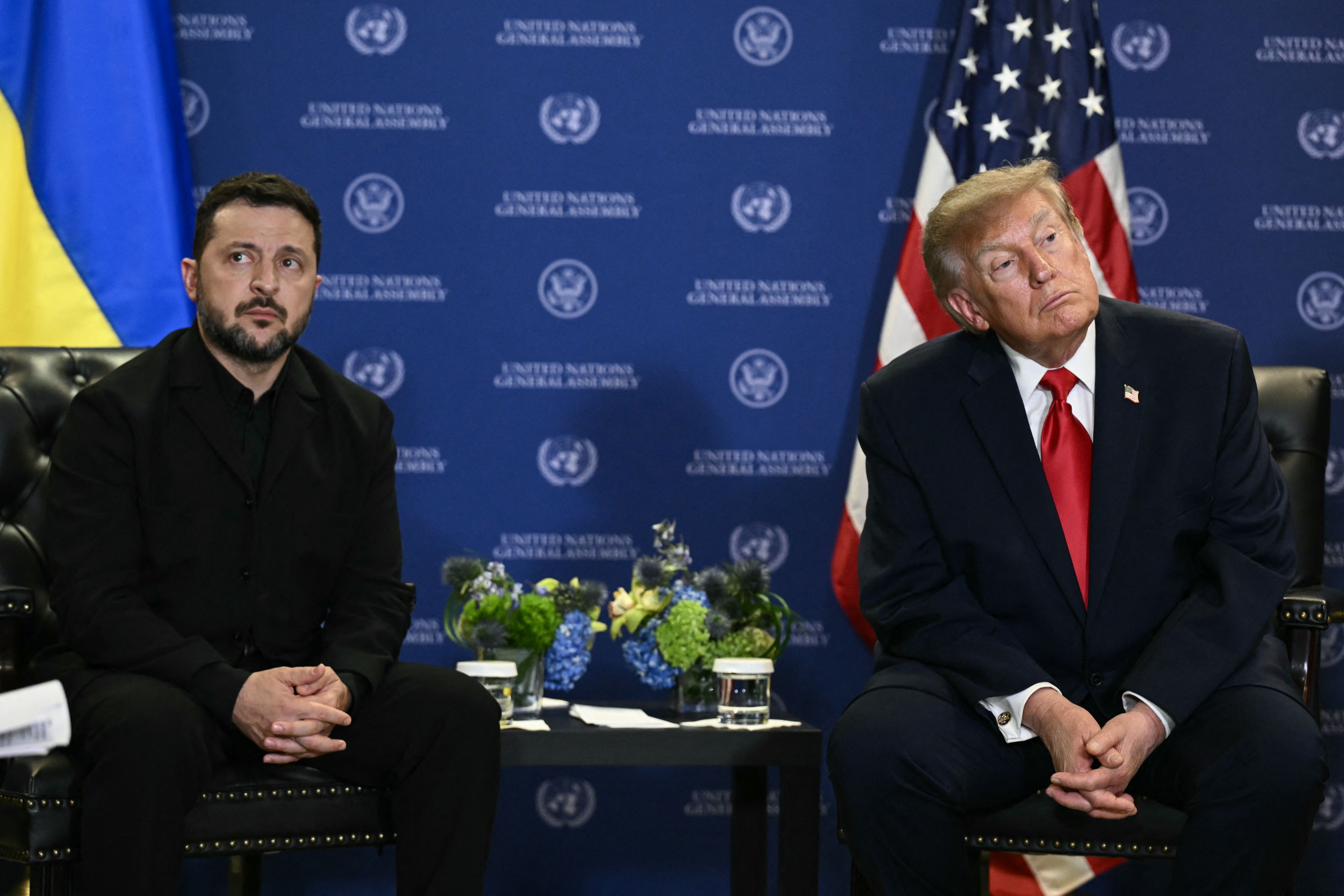
President Trump's announcement yesterday about an "energy ceasefire" between Russia and Ukraine referred to a potential deal that includes each side stopping attacks on oil refineries — and he expects Volodymyr Zelensky to abide by it, a White House official told Axios' Barak Ravid.
- The official said if attacks on oil refineries cease, a deal to stop hitting power plants and energy grids could come next.
Why it matters: Trump appears to be single-handedly trying to will a partial ceasefire into existence. But for now, Russia hasn't accepted any kind of ceasefire — and Ukraine wants one that forbids attacks on power plants.
👀 Reality check: The "refinery for refinery" proposal, as the official dubbed it, is lopsided.
- A Ukrainian official told Axios that the country has a single oil refinery, which the Russians have attacked multiple times and isn't fully functional. Russia, by contrast, has a vast network of refineries.
- Six senators, including four Republicans, have called on Trump to "immediately reverse course" on the plan.
6. 🤒 Flu comes early
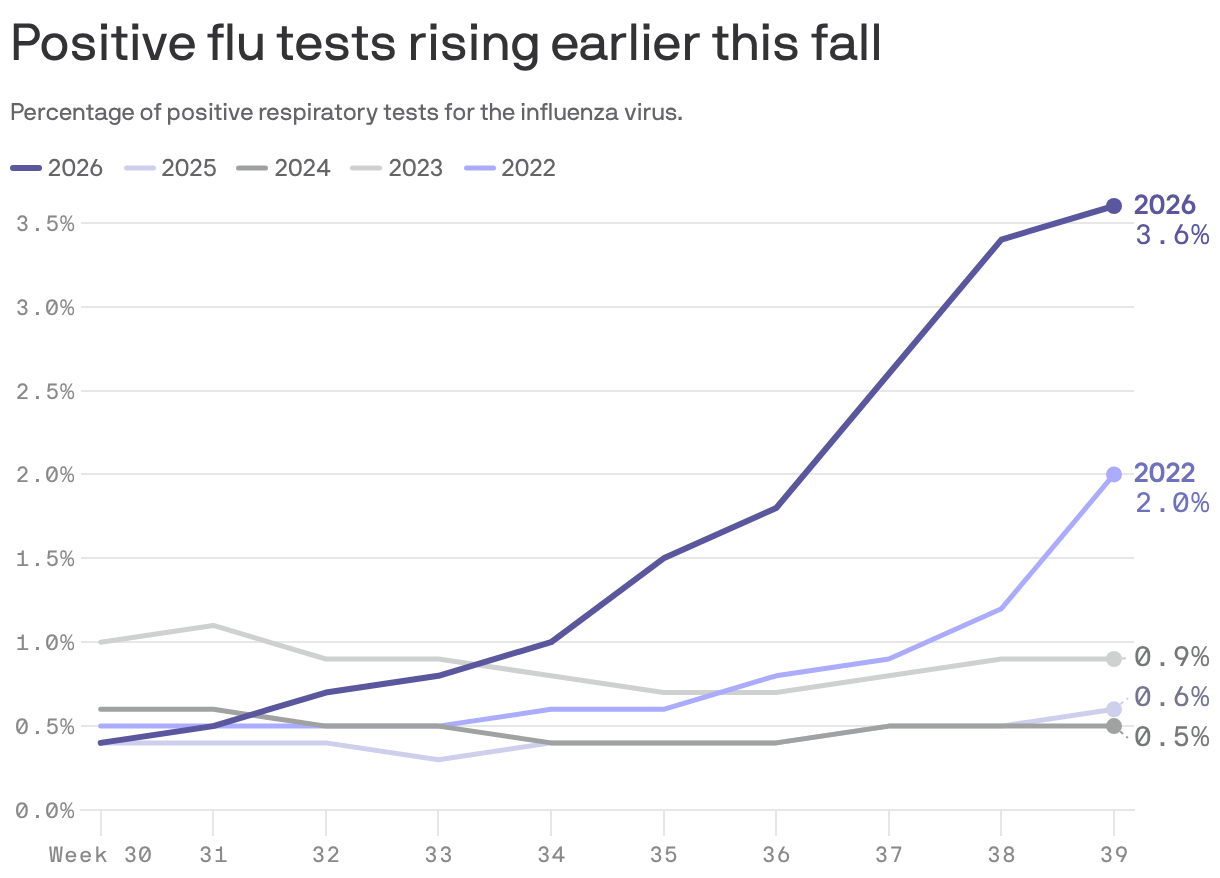
Early signs suggest flu season is starting sooner than in recent years, Axios' Carly Mallenbaum writes from CDC data.
- Why it matters: If you're thinking about getting your flu shot, health experts suggest it's time to roll up your sleeve. It takes about two weeks after vaccination to develop immunity.
7. 🇬🇷 Trump may fire Guilfoyle
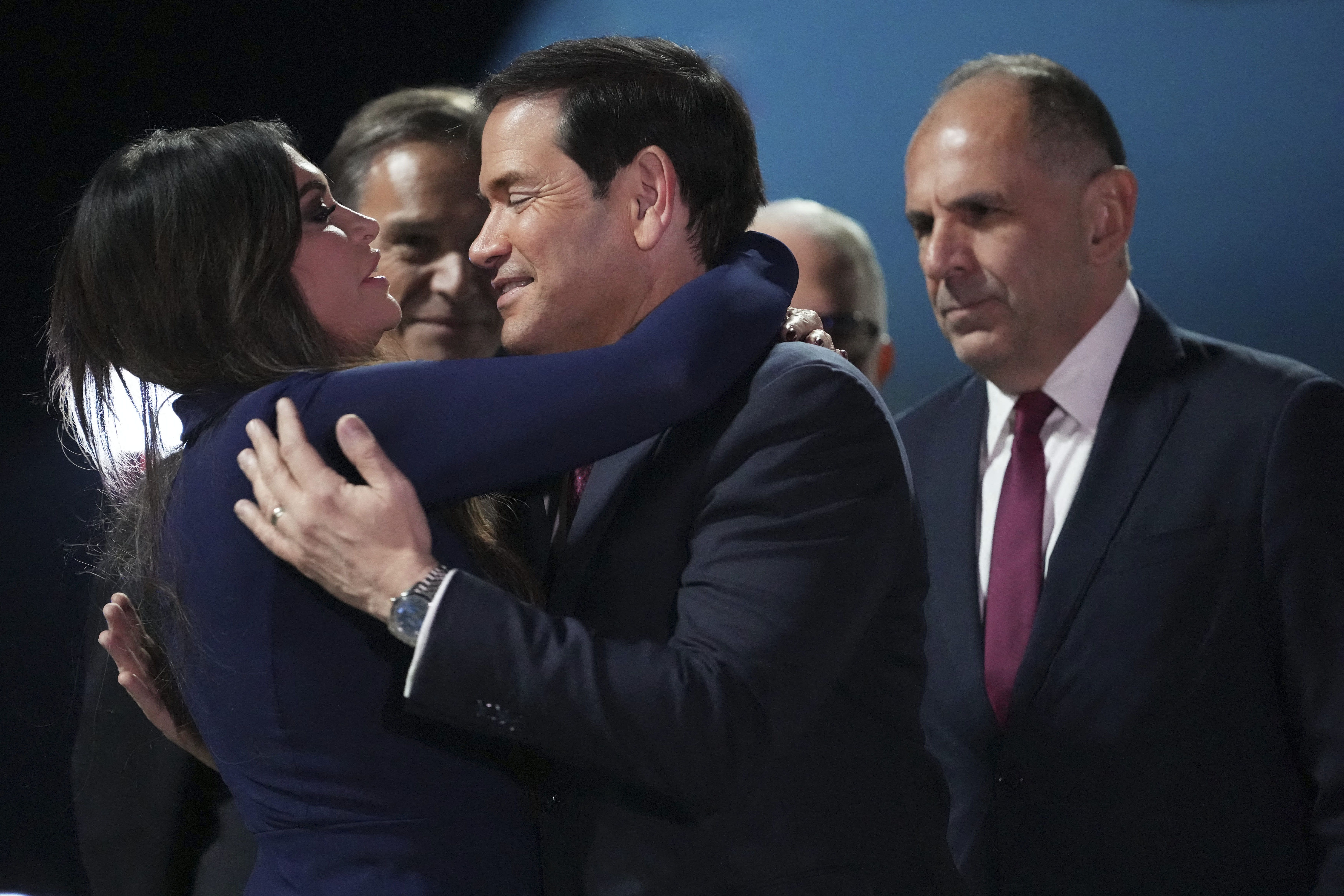
President Trump and Secretary of State Marco Rubio are "extremely pissed off" and are considering firing U.S. ambassador to Greece Kimberly Guilfoyle after reports, backed partly by embarrassing text and Signal messages, alleging she shook down donors, AP's Matt Lee reports.
- Guilfoyle is a former Fox News host and California prosecutor who was once engaged to Trump's son, Donald Jr.
📱 The Wall Street Journal reported that just before her confirmation hearing, she offered to use her administration connections in return for payment of a $100,000 American Express bill. "Honey please I need you to get this done for me today," she texted, adding a prayer hands emoji and a PDF with Amex payment instructions.
- A Saturday follow-up by the Journal is headlined, "At Davos, Kimberly Guilfoyle Boasted of Private Jet Trips, Luxury Stays: Recording captures U.S. ambassador saying Greek businessmen were paying for her travels and pleading for an invite to an event with Eric Trump."
In a statement last night, her lawyers denied she had done anything wrong and claimed that the money she was seeking from the Trump donor was payment for services — public appearances and speaking engagements that predate her ambassadorial nomination — that had not been paid.
- The lawyers, David Schwartz and Jesse Binnall, said: "Ambassador Guilfoyle has served, and will continue to serve, with integrity, honor and distinction."
8. 📚 1 for the road: Record book bans

Axios AM