Axios AM

May 22, 2026

Happy Getaway Friday! Smart Brevity™ count: 1,791 words ... 7 mins. Thanks to Shane Savitsky for orchestrating. Edited by Bill Kole and Eileen Drage O'Reilly.
1 big thing: Trump's personal profits
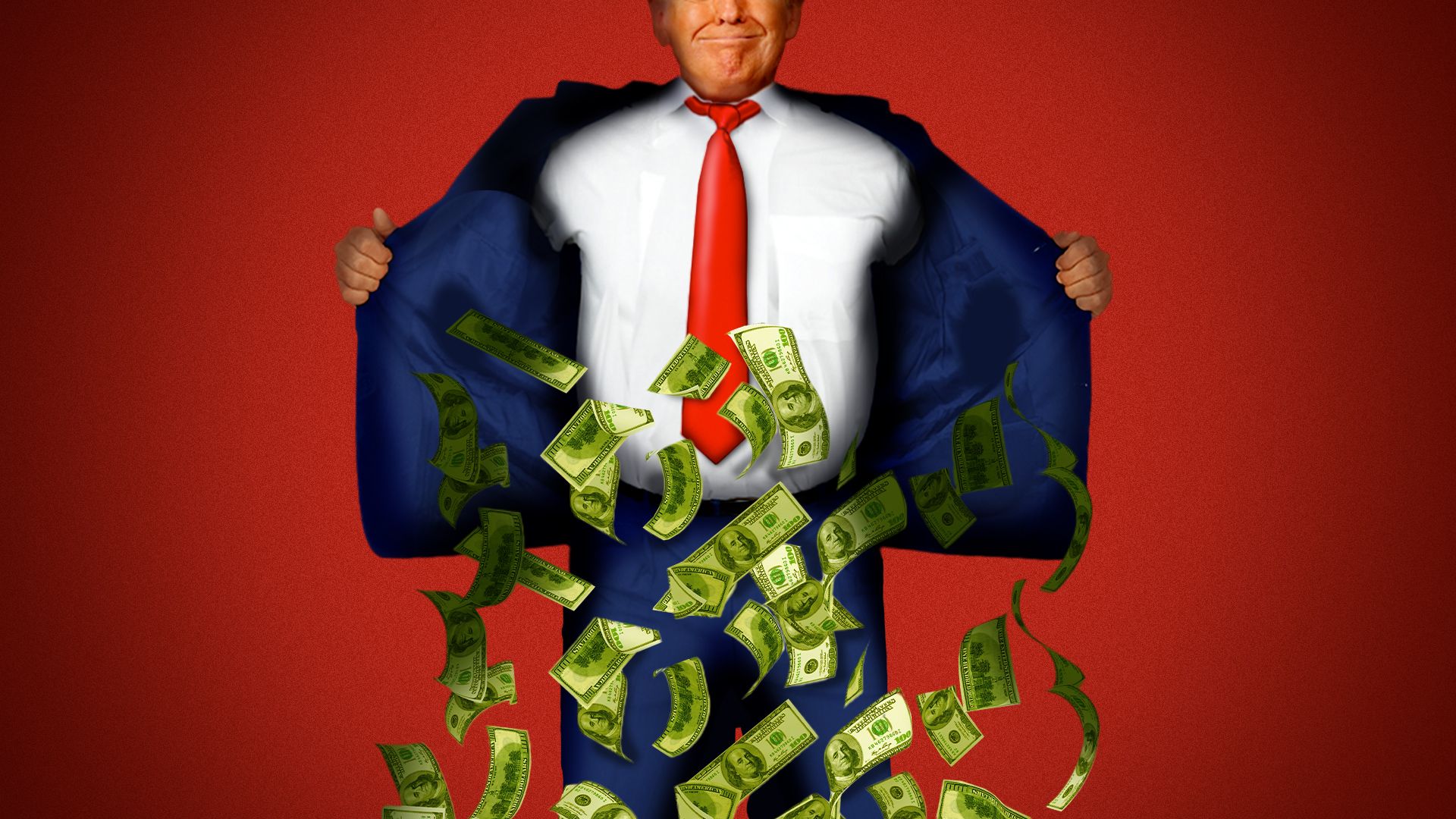
Never in 250 years has America witnessed a sitting president shield himself and his family from tax scrutiny, after leveraging policies that benefit his own businesses and personal portfolios, as Donald J. Trump has done, Axios' Jim VandeHei and Mike Allen write in a "Behind the Curtain" column.
- Why it matters: This isn't a hidden scandal. Trump has done this publicly and proudly. Last year, we called it the "most unprecedented presidency in 250 years."
In doing so, he has set a precedent — once so unfathomable as to be laughable — that it's OK for presidents and family members to make billions off deals affected by government decisions, then use the Justice Department to secure lifetime protection from scrutiny of their past tax returns.
- Trump's crypto venture alone has been a windfall unlike anything in the history of presidential business, generating more cash for the Trump family in 16 months than the entire Trump real estate empire produced from 2010 through 2017, according to The Wall Street Journal.
- "I let my kids ... do business," Trump said in a January interview with The New York Times. "I prohibited them from doing business in my first term, and I got absolutely no credit for it."
We were debating how to capture just how unprecedented Trump's actions are, when every week of every year seems filled with unprecedented words and actions. Let's try this. Imagine America put these questions to a public referendum:
- Presidents and their family members, unlike other U.S. citizens, shall be granted lifetime immunity from federal audits and criminal investigations of their past tax returns.
- Presidents and their family members can maintain active ownership of global business empires, profiting when government decisions directly benefit those specific businesses.
- Presidents, while in office, can maintain massive personal crypto and stock portfolios that buy and sell hundreds of millions of dollars in industries directly regulated by their own administration.
🗳️ How would you vote?
- It's hard to imagine more than single-digit support for any of these. Yet Trump is doing all three and paving the way for future presidents to do the same. That's why precedents by presidents often matter as much as laws themselves.
Between the lines: This is more than just a Trump problem. Look at the astonishing number of lawmakers trading and making money off stocks, often with insider knowledge of looming congressional action.
- Pollsters have asked how Americans feel about officials trading stocks while in office, and it's one of the rare genuinely bipartisan issues in politics today.
Flashback: After Watergate, modern presidents from both parties built elaborate legal and ethical structures designed to separate public office from private enrichment.
- Jimmy Carter placed his peanut farm into a blind trust. Ronald Reagan, both Bushes and Bill Clinton followed suit. Barack Obama held only diversified assets like Treasury bonds and index funds. Even wealthy businessmen entering politics generally treated direct entanglements as toxic.
Over the same decades, congressional stock trading and post-Citizens United money normalized self-enrichment around political power. Trump pushed that trajectory into terrain previous presidents viewed as untouchable.
- Vice President Vance said during a White House briefing this week: "The president doesn't sit at the Oval Office on his computer on his, like, Robinhood account, buying and selling stocks — that's absurd. He has independent wealth advisers who manage his money. ... He's not making these stock trades himself."
The bottom line: Trump's net worth today is $6.1 billion, Forbes estimates, up from $5.1 billion last year, $4.3 billion in 2024 and $2.4 billion in 2021.
- Axios' Zachary Basu and Shane Savitsky contributed reporting.
Go deeper on Trump's moves while in office ... Share this column.
2. 🦾 Trump punts AI order amid infighting
At the last minute, the White House postponed a ceremony yesterday where iconic tech CEOs were to surround President Trump as he signed a much-anticipated executive order on AI and cybersecurity, Axios' Ashley Gold, Maria Curi and Sam Sabin report.
- The order was to outline a framework for AI developers to voluntarily give the government early access to advanced AI models.
Behind the scenes: White House AI adviser David Sacks, Elon Musk and Meta CEO Mark Zuckerberg all spoke with Trump between Wednesday night and yesterday morning. Musk wrote on X early today: "I still don't know what was in that EO and the President only spoke to me after declining to sign."
- A source familiar with Trump's thinking said the order was delayed because he "just hates regulation" and the order was "just something doomers wanted." The source said Sacks also "hated it."
Trump told reporters: "I didn't like certain aspects of it. I postponed it. I think it gets in the way of — you know, we're leading China. We're leading everybody, and I don't want to do anything that's going to get in the way of that lead. ... I really thought that could've been a blocker, and I want to make sure that it's not."
3. ⚖️ Scoop: Citizenship crackdown
The Trump administration is temporarily moving immigration lawyers to the Justice Department to speed up efforts to strip citizenship from naturalized Americans, Axios' Brittany Gibson reports.
- Why it matters: Denaturalization cases have a very high burden of proof. But they're a priority for Trump officials who are searching for fraud in the legal immigration system.
Zoom in: Lawyers at U.S. Citizenship and Immigration Services are being temporarily transferred to U.S. attorney's offices to work on denaturalization cases, four former agency officials tell Axios.
- One source said staffers were being "volun-told" to move offices.
- It's not necessary that they have prior trial or denaturalization experience — just that they have an active law license, another source said.
4. ↘️ Shrinking X


One of the big surprises in SpaceX's blockbuster IPO filing this week was just how much X has shrunk as a business since the platform's Twitter days.
By the numbers: In the first quarter of 2022, then-Twitter reported about $1.2 billion in revenue.
- In the first quarter of 2026, what is now SpaceX's AI segment — the former Twitter business now known as X, plus the Grok AI product, plus AI compute power — had $818 million in revenue.
5. 📈 PSA: AI IPO FOMO

With SpaceX set to go public and competing AI labs likely following later this year, public market investors have their first opportunity to invest in the biggest AI companies in history.
- Why it matters: Just because you can doesn't mean you should, Axios' Madison Mills writes.
Between the lines: Owning an index fund is less risky and still gives you exposure to the themes driving these IPOs.
- The new giants will be added to the indexes soon enough.
- For everyday investors, the standard advice is to steadily invest in a low-cost index fund that tracks the broader market (a strategy known as dollar-cost averaging).
Five tips for managing your FOMO.

🚀 Sentence of the day: "SpaceX has become an internet-service provider that also explores space." —The Wall Street Journal
- Context: The IPO prospectus for Elon Musk's SpaceX, filed this week, shows Starlink is the only profitable part of the business, responsible for $11 billion in revenue last year — more than 60% of the company's sales.
6. 😳 Getaway Day gas prices


A record number of Americans will hit the road over Memorial Day weekend — and they'll pay an average of $1.34 more per gallon at the pump compared to a year ago, Axios' Josephine Walker writes.
- Why it matters: Holiday car trips remain popular, even as the war with Iran pushes gas prices sharply higher.
By the numbers: The national average will be $4.48/gallon on Memorial Day, up from $3.14 last year, GasBuddy says.
- An estimated 45 million Americans will travel at least 50 miles over the holiday period. That's up from 44.8 million in 2025 and 42.8 million in 2019.
7. 🌀 Sleepier storm season

This year's Atlantic hurricane season is expected to be below average in storm activity for the first time in more than a decade, according to NOAA meteorologists' annual forecast, Axios Tampa Bay's Kathryn Varn writes.
- Why it matters: Residents should still take the season seriously and prepare. "It's very important to understand that it only takes one," NOAA administrator Neil Jacobs told reporters.
The big picture: This year will likely see eight to 14 named storms and three to six hurricanes, one to three of which will be Category 3 or higher, Jacobs told reporters.
How it works: The main driver behind the forecast is a high likelihood of El Niño conditions, Jacobs said.
- El Niño occurs when water temperatures in the Pacific Ocean become warmer than usual.
- Those conditions can lead to high-altitude winds over the Atlantic that make it harder for hurricanes to form.
Share this story ... Sign up for Axios Local, now in 37 cities.
8. 📺 1 for the road: Colbert farewell
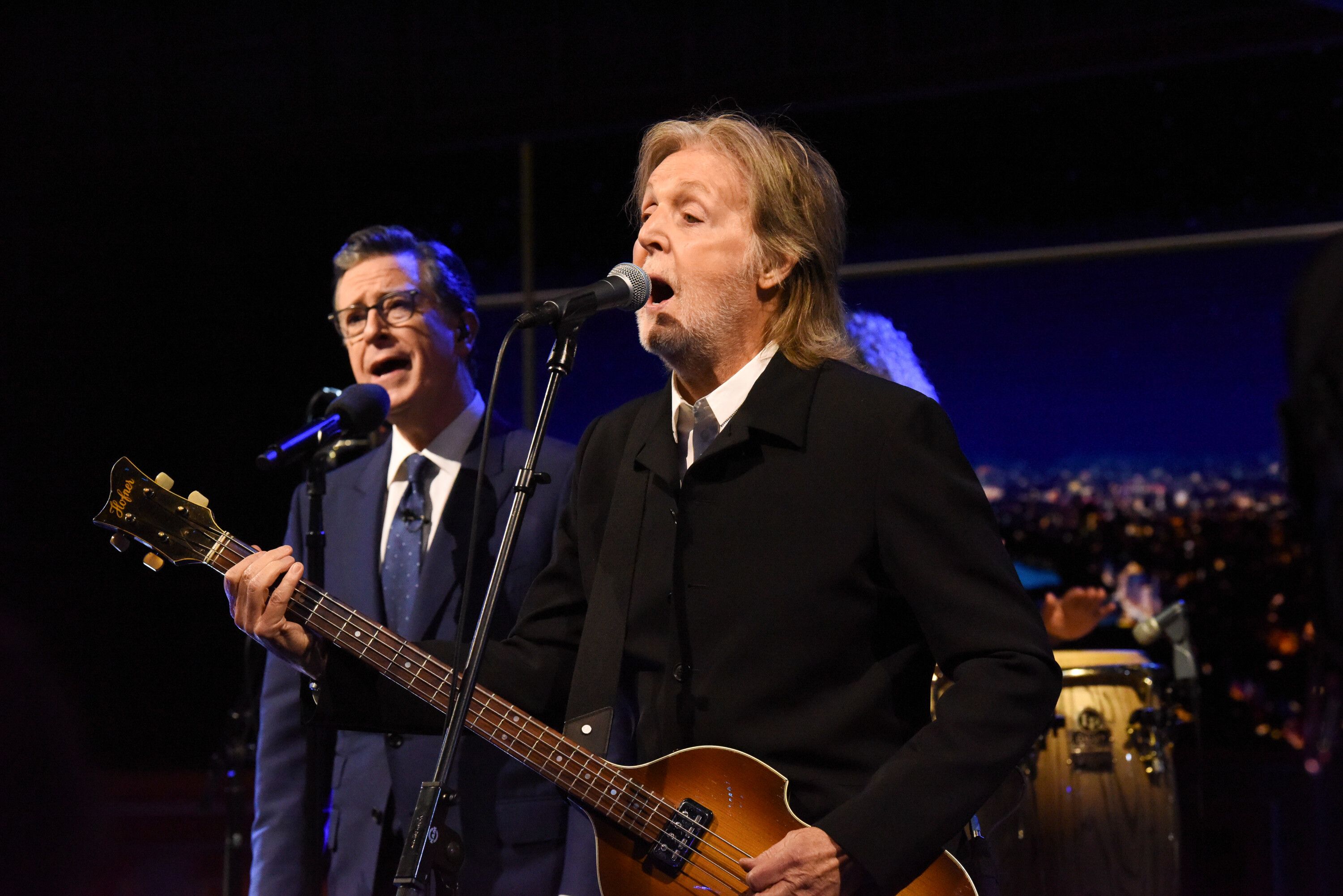
Stephen Colbert, 62, chatted with Paul McCartney, 83, and joined him on stage for a raucous performance of "Hello, Goodbye" last night on the final broadcast of CBS' "The Late Show."
- Why it matters: It was a bittersweet farewell for a canceled show that still had a few barbs left for the network that ended its 33-year run, AP's Mark Kennedy writes.
Colbert pretended that Pope Leo XIV, the first U.S.-born pope, was his final guest, but the pontiff refused to come out of his dressing room because he hadn't been supplied the correct kind of snacks, especially hot dogs.
- The Beatles legend offered himself as a replacement, striding across the stage as the audience screamed. McCartney said he happened to be in the area, doing errands.
"I think you'd be a perfect last guest," Colbert said.
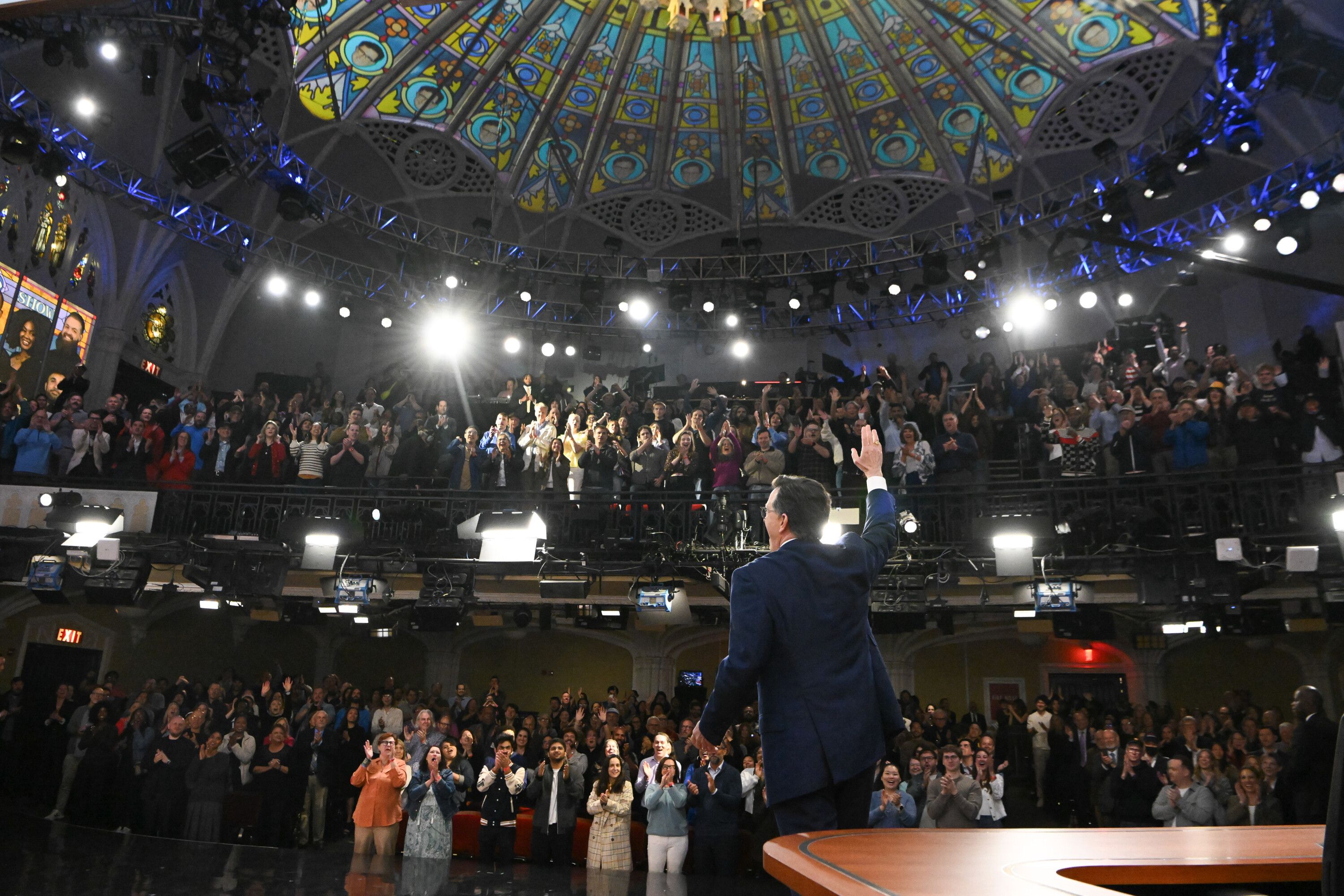
At the top of his last show, which grew more surreal and absurd as it went on, Colbert expounded on the "joy" that he and his team felt creating more than 1,800 episodes.
- "The energy that you've given us, we sincerely need that to have done the best possible show we could have for you for the last 11 years," Colbert said. "You've given it to us. We've given it all right back to you."
Colbert's goodbye ran some 17 minutes over.
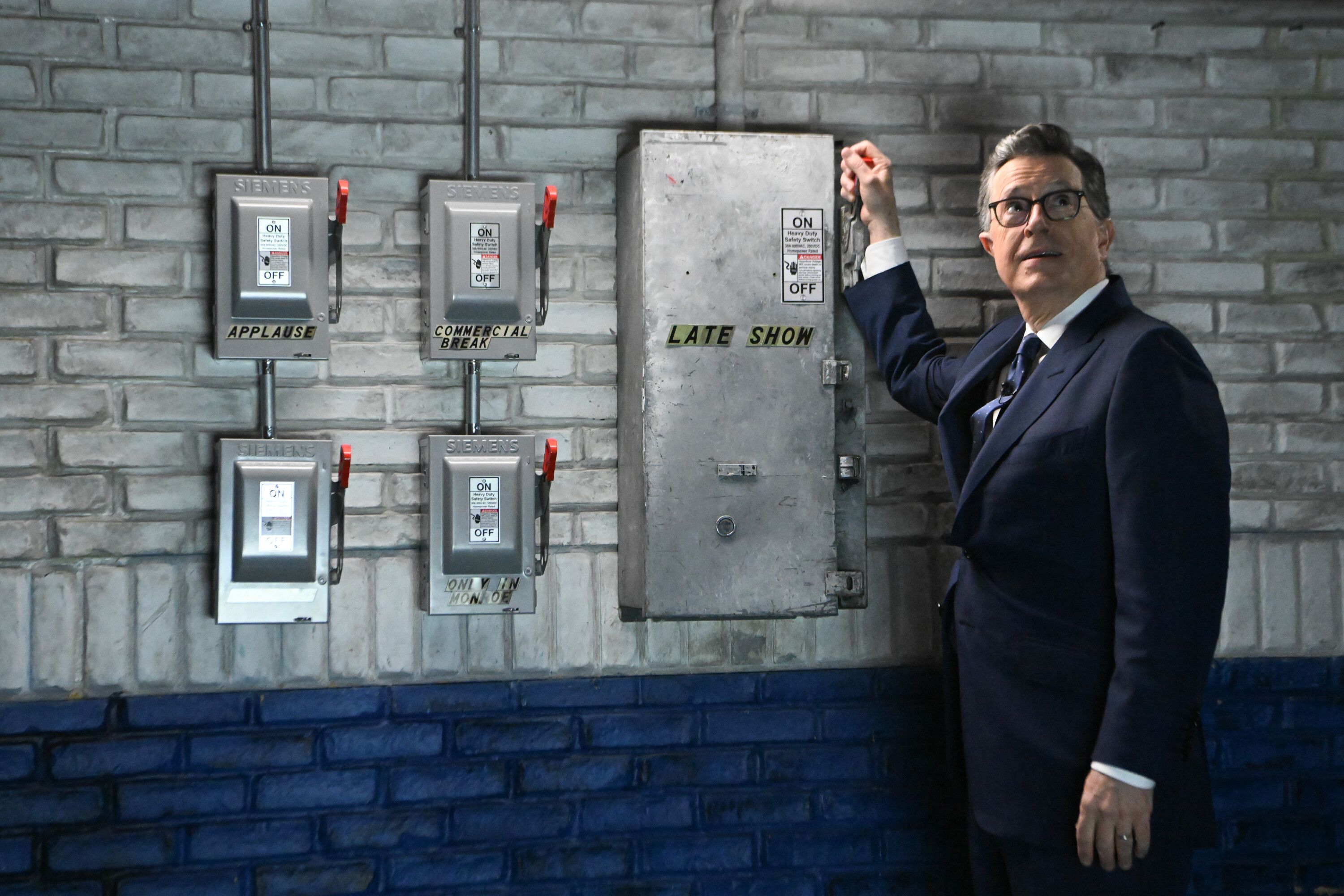
Highlighting Colbert's run from a satirical version of himself on "The Colbert Report" to "The Late Show," the New York Times' James Poniewozik writes:
"Colbert presided over an era when political TV comedy could take a side and still succeed. Or actually, two eras, which almost perfectly coincided with his two shows: one that parodied politics, one made in a time when politics became a parody of itself."
🔮 What's next: CBS will fill "The Late Show" slot with "Comics Unleashed," in which comedians share stories. Host Byron Allen has vowed to avoid politics.
- Watch a clip from last night's finale.
📬 Thanks for reading! Please invite your friends to join AM.
Sign up for Axios AM