Axios AM

February 18, 2026

1 big thing: Brink of war
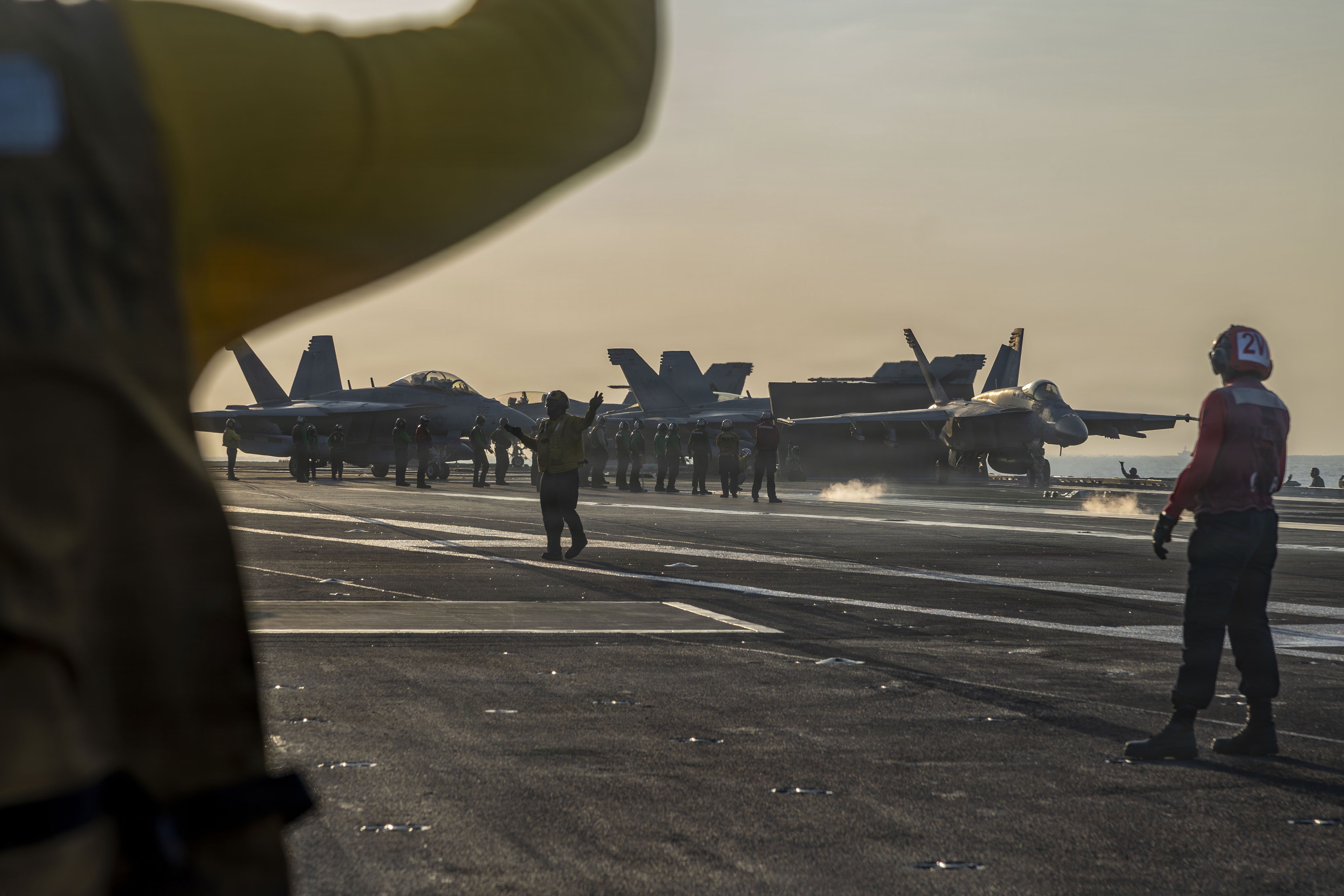
The Trump administration is closer to a major war in the Middle East than most Americans realize. It could begin very soon, Axios' Barak Ravid writes.
- Why it matters: A U.S. military operation in Iran would likely be a massive, weekslong campaign that would look more like full-fledged war than last month's pinpoint operation in Venezuela, sources say.
The sources noted it would likely be a joint U.S.-Israeli campaign that's much broader in scope — and more existential for the regime — than the Israeli-led 12-day war last June, which the U.S. eventually joined to take out Iran's underground nuclear facilities.
- Such a war would have a dramatic influence on the entire region, and major implications for the remaining three years of the Trump presidency.
- With the attention of Congress and the public otherwise occupied, there has been little public debate about what could be the most consequential U.S. military intervention in the Middle East in at least a decade.
🖼️ The big picture: Trump came close to striking Iran in early January over the killing of thousands of protesters by the regime.
- Instead, the administration shifted to a two-track approach: nuclear talks paired with a massive military buildup.
- By delaying and bringing so much force to bear, Trump has raised expectations for what an operation will look like if a deal can't be reached.
- And right now, a deal doesn't look likely.
Trump advisers Jared Kushner and Steve Witkoff met with Iranian Foreign Minister Abbas Araghchi for three hours in Geneva yesterday.
- While both sides said the talks "made progress," the gaps are wide, and U.S. officials aren't optimistic about closing them.
Vice President Vance told Fox News the talks "went well" in some ways, but "in other ways, it was very clear that the president has set some red lines that the Iranians are not yet willing to actually acknowledge and work through."
- Vance made it clear that while Trump wants a deal, he could determine that diplomacy has "reached its natural end."
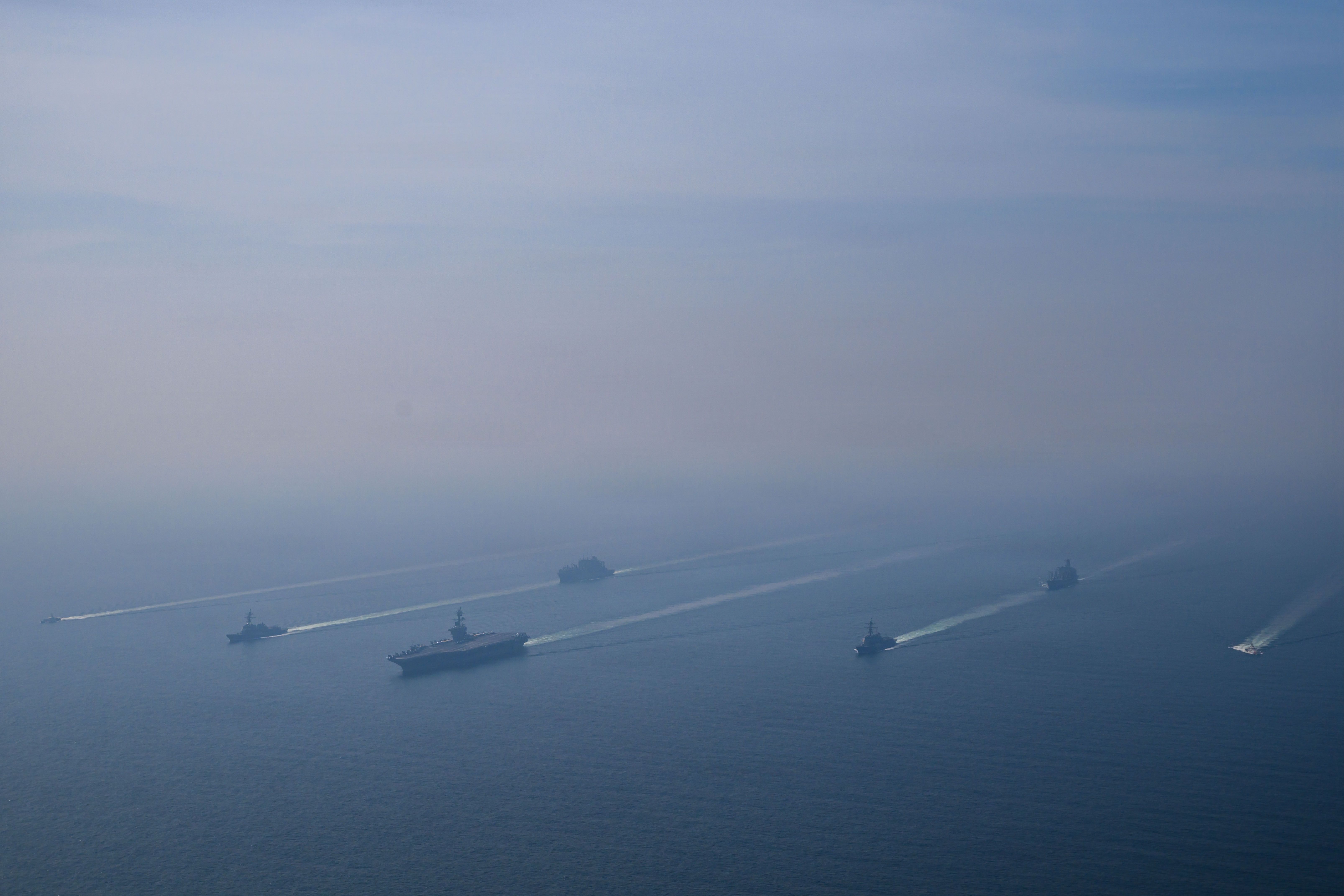
⚓ Zoom in: Trump's armada has grown to include two aircraft carriers, a dozen warships, hundreds of fighter jets and multiple air defense systems. Some of that firepower is still on its way.
- More than 150 U.S. military cargo flights have moved weapons systems and ammunition to the Middle East.
- In the past 24 hours, another 50 fighter jets — F-35s, F-22s and F-16s — headed to the region.
Between the lines: Trump's military and rhetorical buildups make it hard for him to back down without major concessions from Iran on its nuclear program.
- It's not in Trump's nature, and his advisers don't view the deployment of all that hardware as a bluff.
With Trump, anything can happen. But all signs point to him pulling the trigger if talks fail.
2. 📱 WATCH: New "Behind the Curtain" video

Jim & Mike are out with a new "Behind the Curtain" video, based on Barak's reporting on why the risk of war with Iran is higher than most Americans realize.
3. 🇨🇺 Exclusive: Rubio's secret squeeze on Cuba

4. 🐣 Charted: Rise of solo moms


More new moms are having kids solo in their 40s, with births to unmarried women 40 and over doubling since 2007, Axios' Carly Mallenbaum writes.
- Why it matters: More women are choosing solo motherhood later in life, reshaping when and how Americans build families.
🧮 By the numbers: In the U.S., 1.1% of babies were born to unmarried women 40 and older in 2024 — more than twice the roughly 0.5% in 2007.
5. 🦾 Wanted: Graduating AI savant

6. 🔋 Ford's race for cheaper EVs

Ford is chasing physics to make electric vehicles more affordable, even borrowing aerodynamic tricks from F1 racing in the quest to squeeze out better performance at a far lower cost, Axios' Joann Muller writes.
- Why it matters: Ford, like the rest of the industry, got burned on EVs, writing off $19.5 billion worth of investments on cars no one wanted to buy. But it's not abandoning its electric ambitions.
Ford's bet is that people will prefer a well-equipped battery-powered car over a gas model if the price is right.
- A $30,000 midsize pickup truck, due in 2027, is the initial test of the carmaker's latest strategy.
It's the first in a family of vehicles to be built on a new low-cost EV platform Ford secretly began working on in 2022.
- Other models — potentially including compact SUVs, sedans and commercial vans — will follow over the next decade.
7. 🗞️ Two great headlines
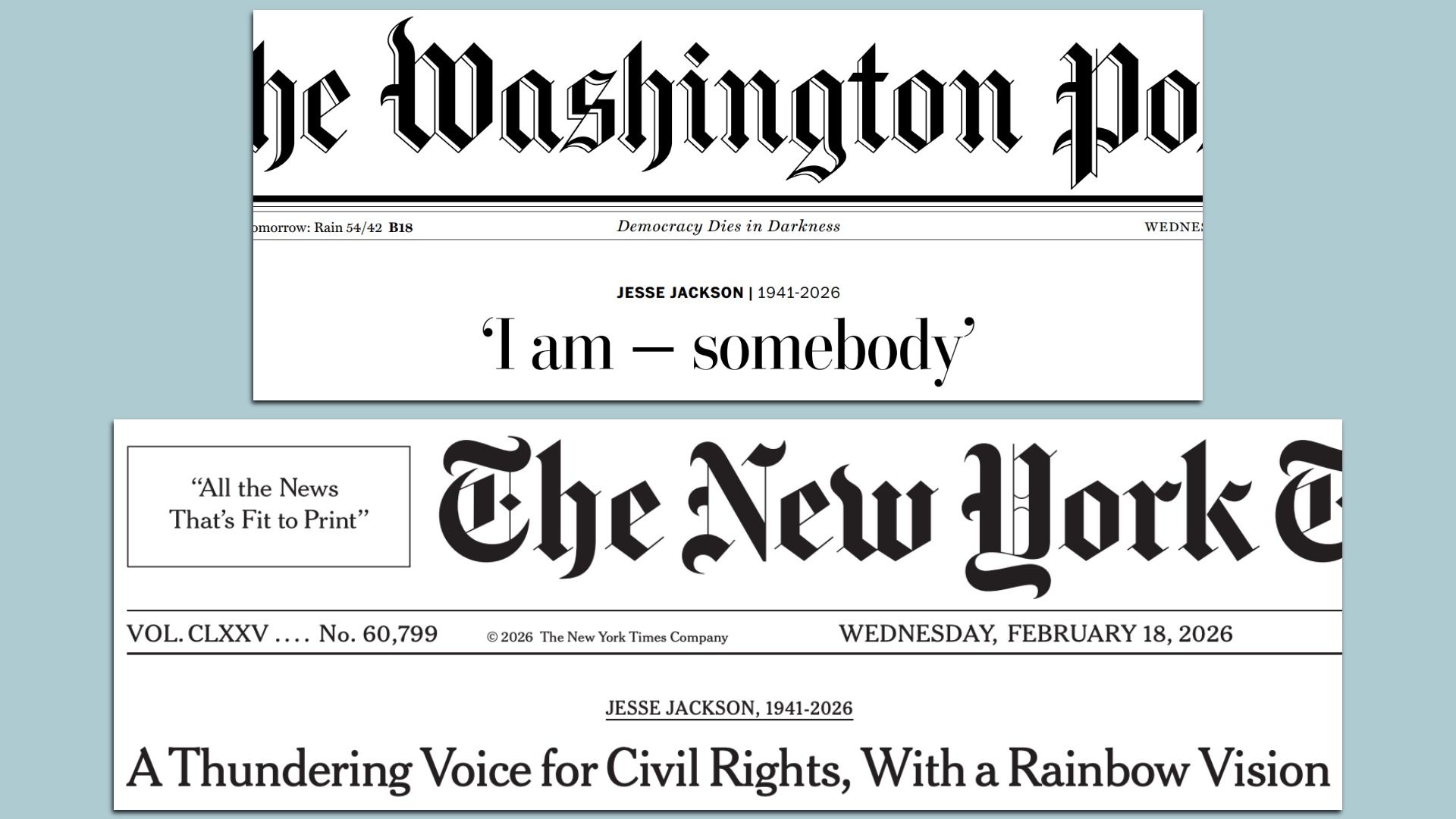
Tributes flow: "How Jesse Jackson taught activism to the next generation," Axios Chicago's Carrie Shepherd.
8. 🧺 1 for the road: New laundry experiment
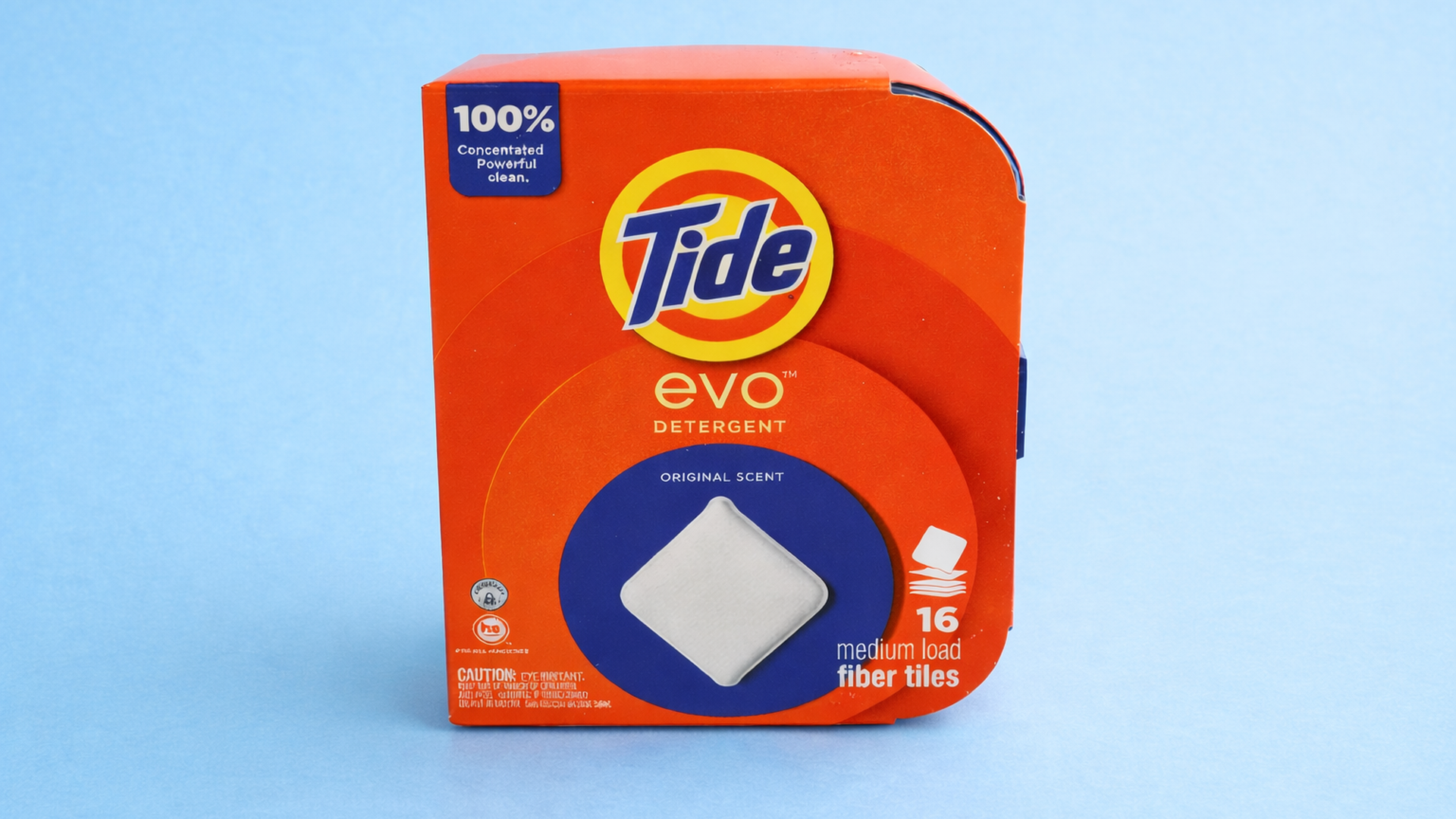
Tide is introducing one of the biggest changes to laundry detergent in more than a decade with the rollout of Tide evo — a dry, tile-based alternative to liquids and pods, Axios' Kelly Tyko writes.
- Why it matters: The last time Tide made a comparable leap — with Pods in 2012 — the product grew into a more than $2 billion annual business for Procter & Gamble.
Axios AM