Axios AM

October 14, 2024

1 big thing: War-gaming a Trump sweep
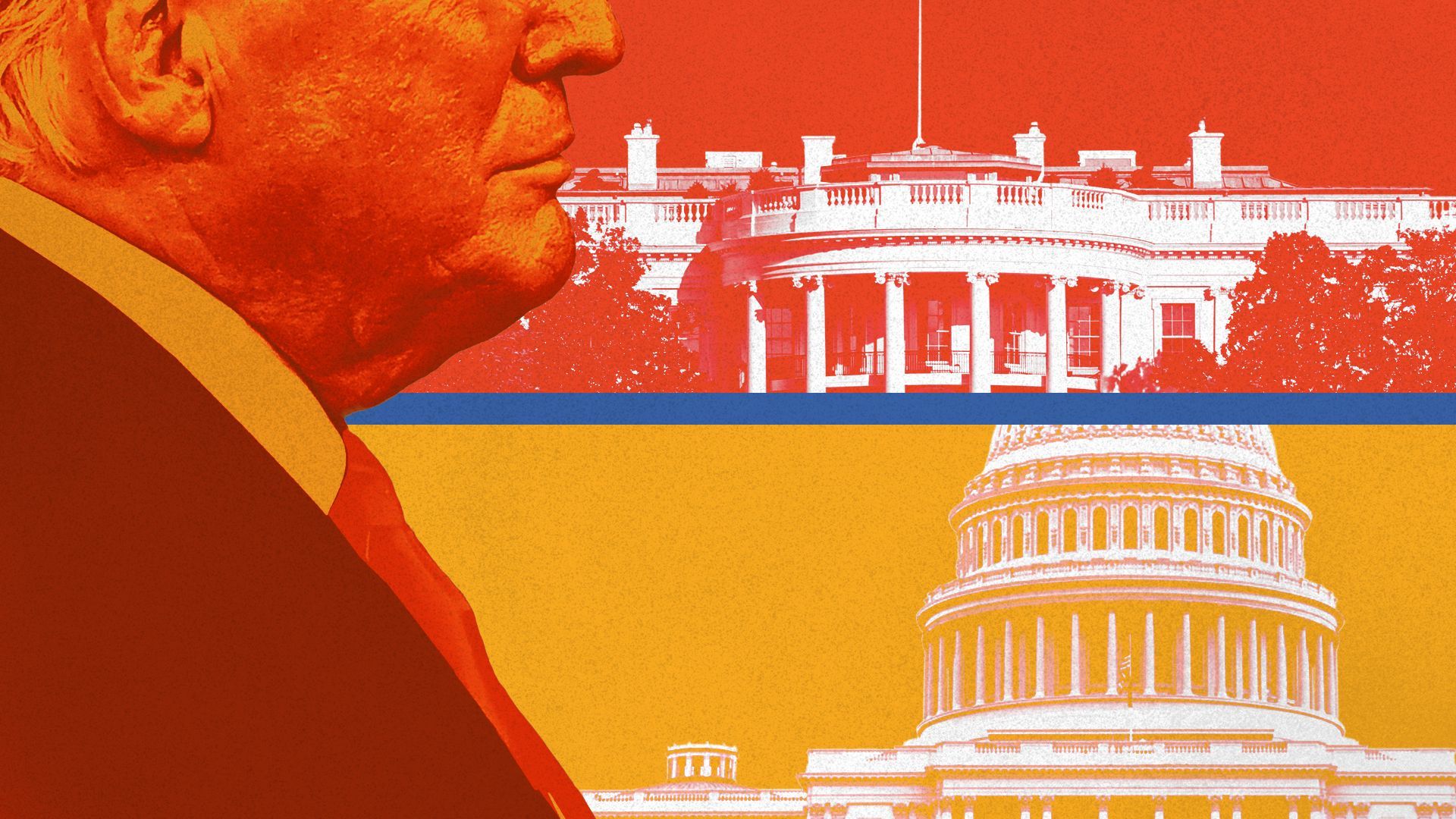
2. 💡 Part 2: What happens under "MAGA momentum"
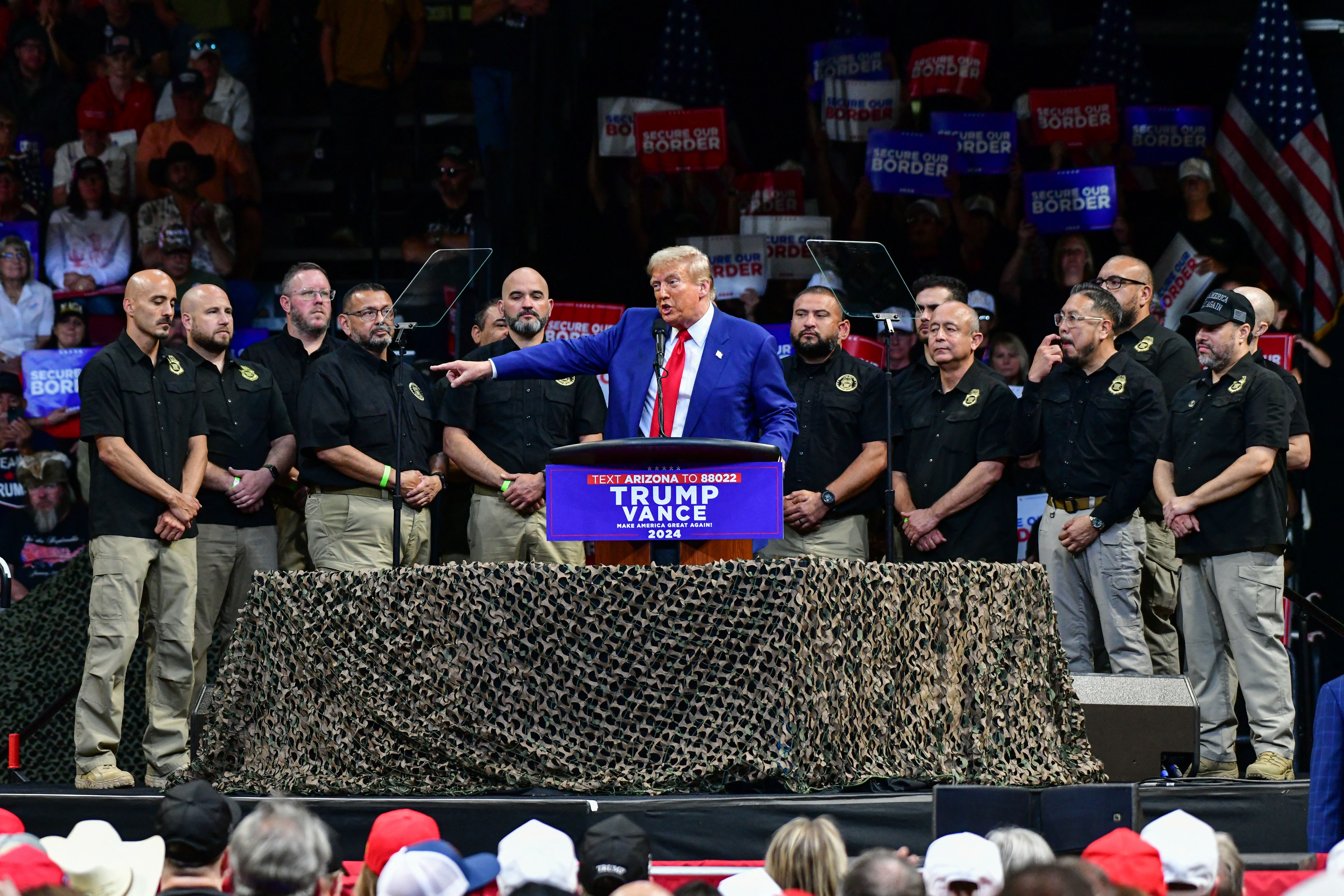
4. Culture wars intensify
Social and cultural issues would become legislative priorities, as Trump and the GOP lean heavily into the culture wars. Expect significant legislative attention on what the GOP calls "woke" policies in education and corporations.
- Efforts to defund diversity, equity and inclusion (DEI) initiatives would gain traction. New restrictions on gender-affirming care, particularly for minors, would become central to the agenda.
- Republican lawmakers would push anti-LGBTQ+ policies, and may seek to impose restrictions on teaching race and gender in schools.
- A Justice Department stacked with Trump loyalists could prosecute political enemies, including in the corporate world. Republican-led investigations into tech companies, accusing them of anti-conservative bias, would likely intensify.
- Schools, workplaces and local governments would become battlegrounds on issues of race, gender and free speech. Washington Republicans would side with local Republicans.
- Corporate America, under pressure from both sides, would struggle to balance these demands, with risk to consumer relations.
5. Judicial appointments, courts
With control over both chambers of Congress, Trump would have a clear path to nominate a new wave of conservative judges at every level of the federal judiciary.
- Expect multiple appointments to appellate courts and, potentially, another Supreme Court nomination.
- The federal bench would shift further right — making conservative rulings on abortion, voting rights and executive power more likely for decades to come.
- These judicial appointments would solidify conservative dominance in the courts, ensuring that many Republican-backed laws withstood legal challenges.
- Federal courts could reshape the landscape of civil rights, environmental regulation and immigration law for a generation.
6. Foreign policy, global relations
An unrestrained Trump surrounded by "America First" loyalists — rather than the generals and establishment hawks who held key posts in the first term — would take U.S. foreign policy in unpredictable directions.
- He'd likely withdraw further from international institutions, opting for bilateral deals focused on U.S. advantage. U.S. relations with some key allies would become strained as Trump focused on a more transactional, quid pro quo foreign policy.
- A strong anti-China stance would dominate, with tariffs and sanctions becoming central. Tensions with Beijing could escalate as GOP hawks push a "decoupling" agenda, roiling global markets and trade.
- Trump would likely move to cut off U.S. funding for Ukraine, forcing Kyiv into a peace settlement that favors Russia. He'd pressure NATO countries to ramp up their military spending, while broadly disengaging from the alliance's strategic priorities.
- Trump would seek to reinstate his "maximum pressure" sanctions campaign against Iran and empower Israel to "finish the job" of eliminating Hamas in Gaza and crippling Hezbollah in Lebanon.
- An emerging axis of right-wing populists would give Trump new friends on the world stage, empowered to reshape the liberal international order, strengthen borders and challenge "globalist" priorities like fighting climate change.
Post-election risks: This path could lead to significant instability. A close or contested election could mean protests or violence.
- Claims of voter fraud, particularly in key battleground states, could undermine confidence in the electoral system and inflame tensions.
- Protests — think the 2017 Women's March — are likely.
Share this column ... Axios' Zachary Basu contributed reporting.
- Go deeper: Trump's "20 Core Promises" ... Latest "Behind the Curtain" columns.
🗓️ Join Jim VandeHei, Mike Allen, and Eleanor Hawkins this Thursday for an Axios Communicators Pro virtual conversation about this series. You'll hear how potential election outcomes will affect business — and what it means for communications leaders. Become a Comms Pro member to attend.
3. 🎤 Scoop: Podium war
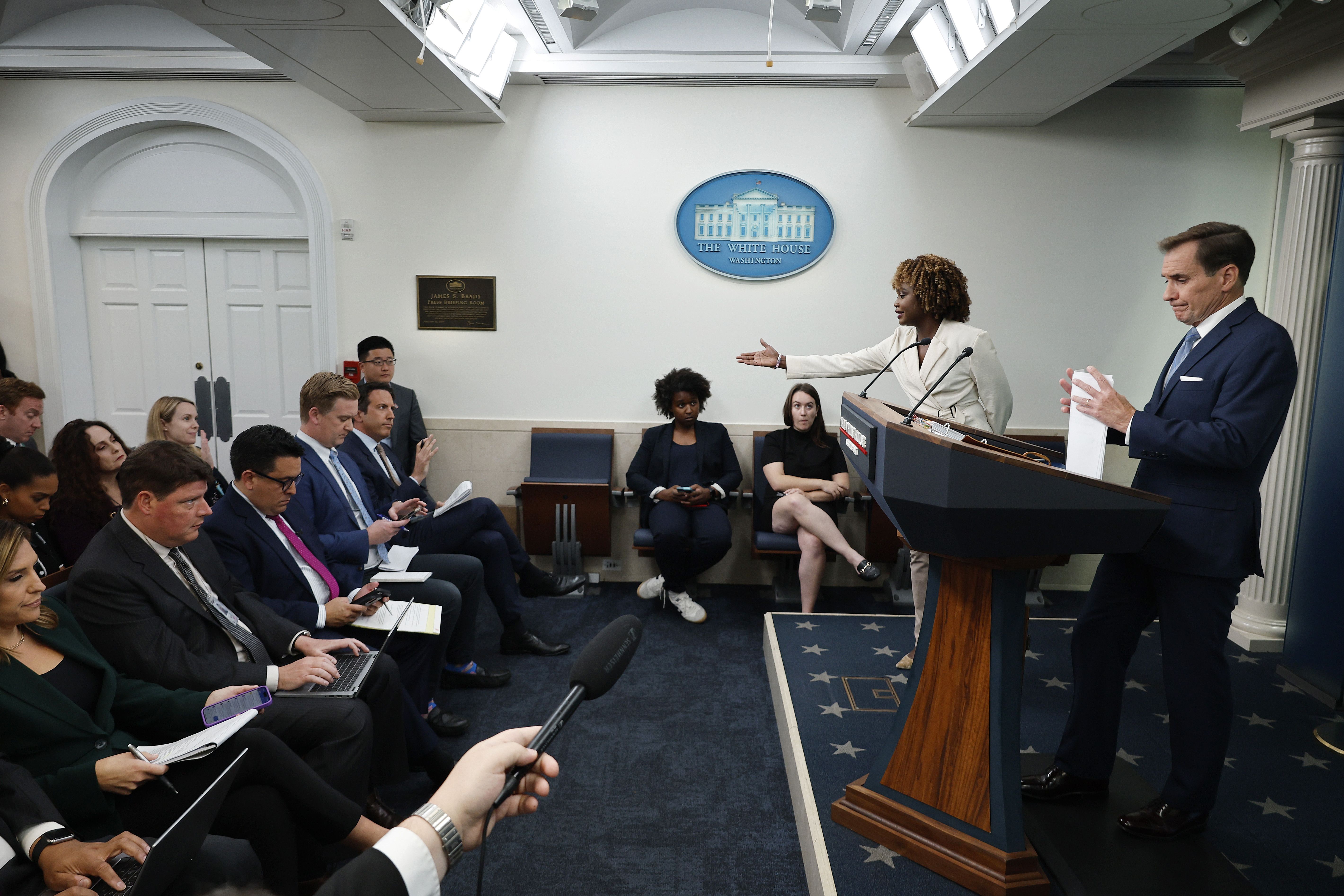
White House press secretary Karine Jean-Pierre has been blocking national security spokesperson John Kirby from joining her at the White House podium, people familiar with the matter tell Axios' Alex Thompson.
- Why it matters: It's the latest twist in the years-long tense relationship between the White House's two senior spokespeople.
Kirby, President Biden's top spokesperson for foreign affairs, joined Jean-Pierre for most briefings after Israel was attacked on Oct. 7, 2023.
- But for the past two-plus months, Kirby has been mostly absent in the briefing room, even as the fighting in the Middle East has continued to escalate.
🔎 Between the lines: Kirby's diminished presence coincided with the departure this summer of senior adviser Anita Dunn. Jean-Pierre has asserted more control over the briefing room since then.
- In the 20 briefings since Dunn announced her departure on July 30, Kirby has joined Jean-Pierre at just three — about 15% of the time.
- In the 64 briefings this year before July 30, Kirby joined Jean-Pierre at the podium 35 times — about 55% of the briefings.
The backstory: Jean-Pierre has long privately fumed about Kirby's role.
- Having both of them at the podium was Biden's idea. But Jean-Pierre thought Kirby's presence gave the impression she needed a chaperone.
- White House chief of staff Jeff Zients, drawn into the turf battle, previously deferred to Dunn. But Jean-Pierre has been more assertive recently.
Kirby has previously expressed exasperation at Jean-Pierre being territorial with the briefing room, including her practice of staying at his side to call on reporters rather than letting him decide.
- Kirby has continued to do his own virtual press gaggles focused on foreign policy, and represent the administration on TV.
4. 🚀 "Chopsticks" landing
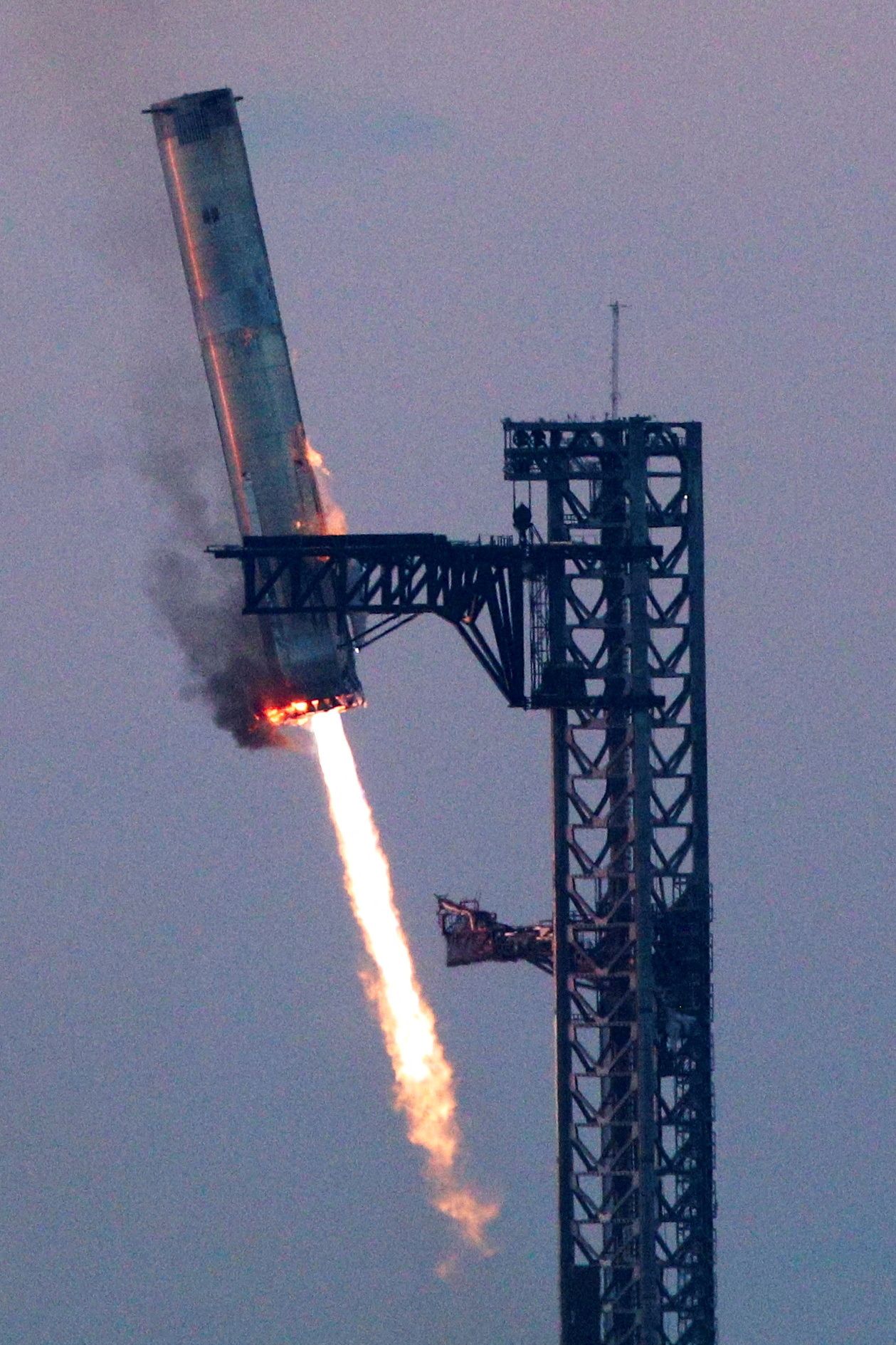
A SpaceX Starship rocket booster yesterday flew back to the launch pad where it had blasted off seven minutes earlier near Boca Chica, Texas.
- The launch tower's monstrous metal arms, dubbed chopsticks, caught the descending 232-foot stainless steel booster and gripped it tightly (photo above).
"The tower has caught the rocket!!" Musk announced on X.
- "Science fiction without the fiction part," he added. "Big step towards making life multiplanetary was made today."
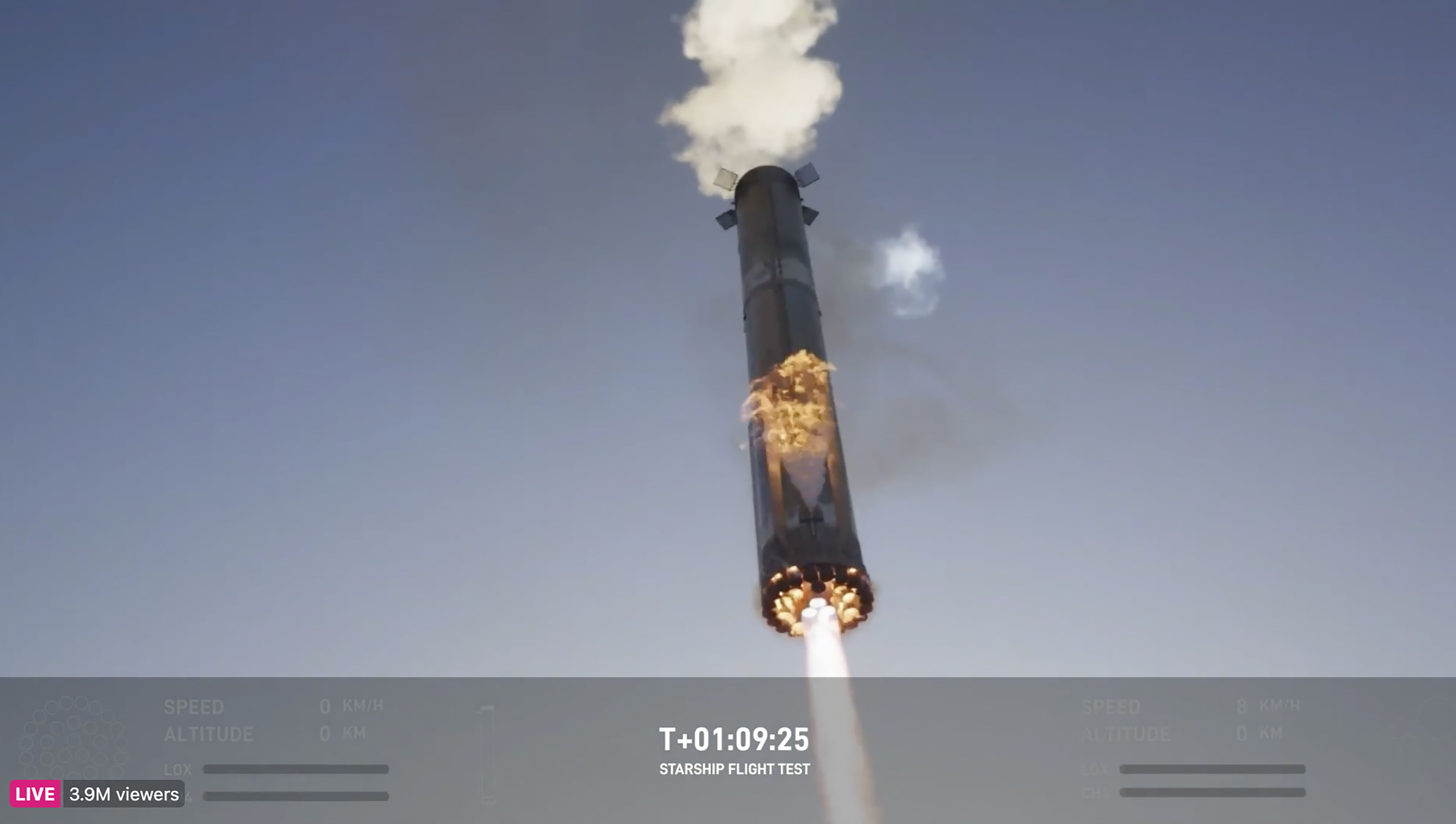
Why it matters: The audacious landing wasn't just for show. SpaceX is trying to master the capture and reuse of rocket parts to dramatically cut the costs and time for getting space missions off the ground, Axios' Avery Lotz writes.
5. NEW: Harris agenda for Black men
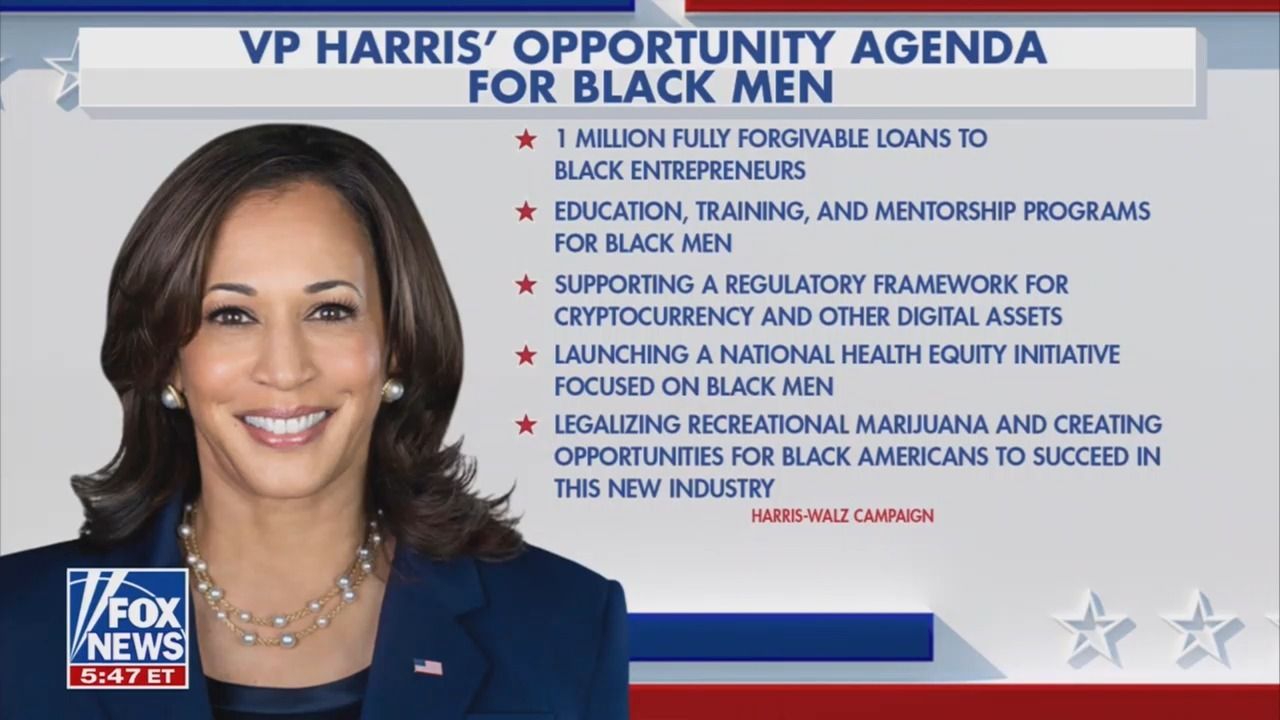
New policy, 22 days from Election Day: Vice President Harris released an "Opportunity Agenda for Black Men," including forgivable business loans for Black entrepreneurs, creating more apprenticeships and studying sickle cell and other diseases that disproportionately affect African American men.
- Why it matters: Harris, helped by former President Obama, is working to energize Black male voters and stem erosion to former President Trump.
6. 📚 Holiday read: Tribes' moment of justice

Axios AM