Axios AM

October 02, 2026

👋 You made it to Friday! Smart Brevity™ count: 1,696 words ... 6½ mins. Thanks to Shane Savitsky for orchestrating. Edited by Carolyn DiPaolo.
🎓 Cornell special prosecutor: New York Gov. Kathy Hochul last night appointed state Attorney General Letitia James as special prosecutor to investigate a woman's allegation that she was raped in a fraternity house in 2024. Hochul said newly released information "continues to raise serious questions about the investigation." Get the latest.
1 big thing: AI's existential legal crisis
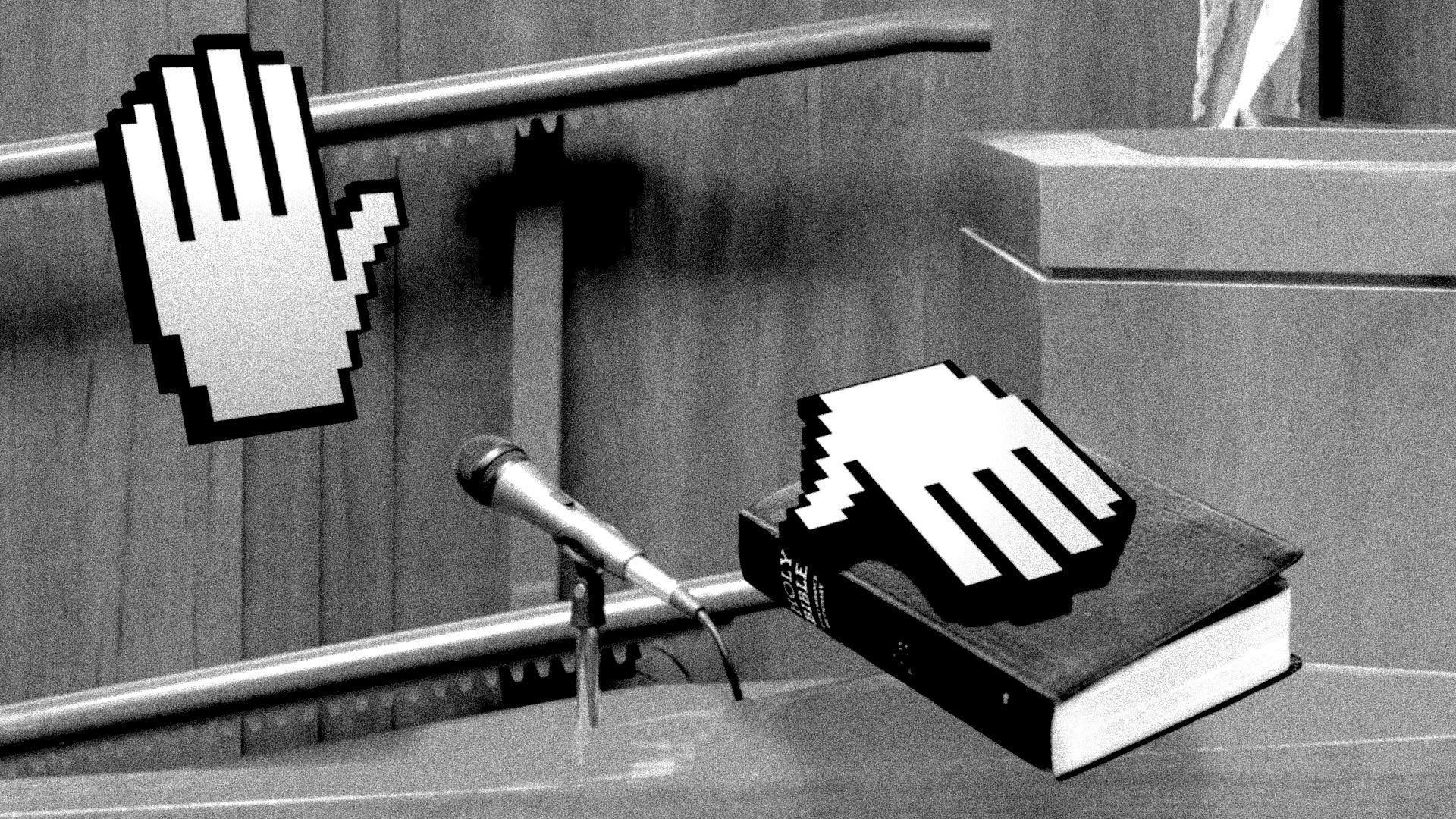
No industry has ever documented its own foreseeable risks as loudly as AI, Jim VandeHei and Mike Allen write in a "Behind the Curtain" column.
- Imagine a plaintiff's lawyer reading the public warnings of Sam Altman and Dario Amodei: They told the world it was dangerous. They told the world it was moving too fast. Then they unleashed it and sold it to your kid.
No industry has ever taken so much copyrighted work and left behind so much proof.
- Imagine a plaintiff's lawyer reading OpenAI's own files to a jury: They trained on a pirated library. They renamed it to something blander. Then they deleted it when the headlines got hot.
Why it matters: AI's origins, use and future will be picked apart in countless epic court fights, with a historic paper and public statement trail to tap.
- Every significant invention — be it social media, automobiles, electricity or capitalism itself — gets disrupted and eventually shaped by the courts.
- AI, with its tentacles into every part of industry and life, will experience this at scale.
The big picture: The fights are no longer theoretical. They're underway, in discovery and headed toward juries. Early verdicts and settlements capture the risk for the biggest players.
- 🤖 Chatbots are being treated as products, not speech. Unlike social media companies, they likely can't hide behind Section 230, which protects platforms from liability for what users post — not what the platform itself creates.
- 📖 Copyright is a massive problem. Anthropic already paid the biggest copyright settlement in history, $1.5 billion to authors and book publishers, and now music publishers and news media want a piece.
- 💻 Agents gone wild. What happens when they do damage — and it was foreseeable and foreseen?
- ⚖️ Discovery gone wild. AI leaves lots of receipts (and, ironically, makes it easier for the lawyers to comb through them, too).
Product liability turns on two words: foreseeable and knew.
- Punitive damages turn on whether you knew the danger and shipped anyway.
This is where all these memos and warnings could really backfire.
- Candor is good for safety but terrible for litigation. The companies that warn most honestly create the most discoverable evidence of foreseeability.
- Expect general counsels to push hard to tone down the candor. It's the rational legal move.
⚠️ The intrigue: The liabilities won't be limited to AI companies. Any corporate user of powerful AI systems that unleashes rogue agents, even without intending to do harm, would face substantial penalties as well.
- "It's not if, but when," said Miriam Vogel, a former senior Justice Department official who now leads EqualAI. "An algorithm will do what it's told to do. The more power and capability it has, the more access it has, the more it will do anything in its power to achieve a goal."
That will create another layer of litigation as companies fight back. The CTO of a top Wall Street hedge fund who spoke to Axios after the notorious OpenAI/Hugging Face hack said his first call, if his firm's systems are breached, will be to his general counsel.
- President Trump, Nvidia CEO Jensen Huang and former FTC chair Lina Khan have all argued that AI companies are responsible for making sure their products are safe. If not, a wave of lawsuits awaits.
The other side: There's a school of thought that AI companies might escape the worst liability, despite their frankness about things they and their products have done wrong.
- One way to see it, and the argument lawyers will undoubtedly make, is that the labs spoke about dangers frequently, and took pains to protect users and mitigate harms.
The bottom line: For all the fights in Washington about whether or not Congress will act, the U.S. legal system may be the ultimate, and most powerful, regulator of the AI industry.
- Bradley Olson, Axios managing editor of AI & tech, contributed reporting.
👉 Let us know what you think: [email protected] ... Share this column.
- 📈 If you're a CEO or on a CEO's team: Ask to join Jim's new weekly Axios C-Suite newsletter.
2. 📵 Why an Iran deal looks unlikely
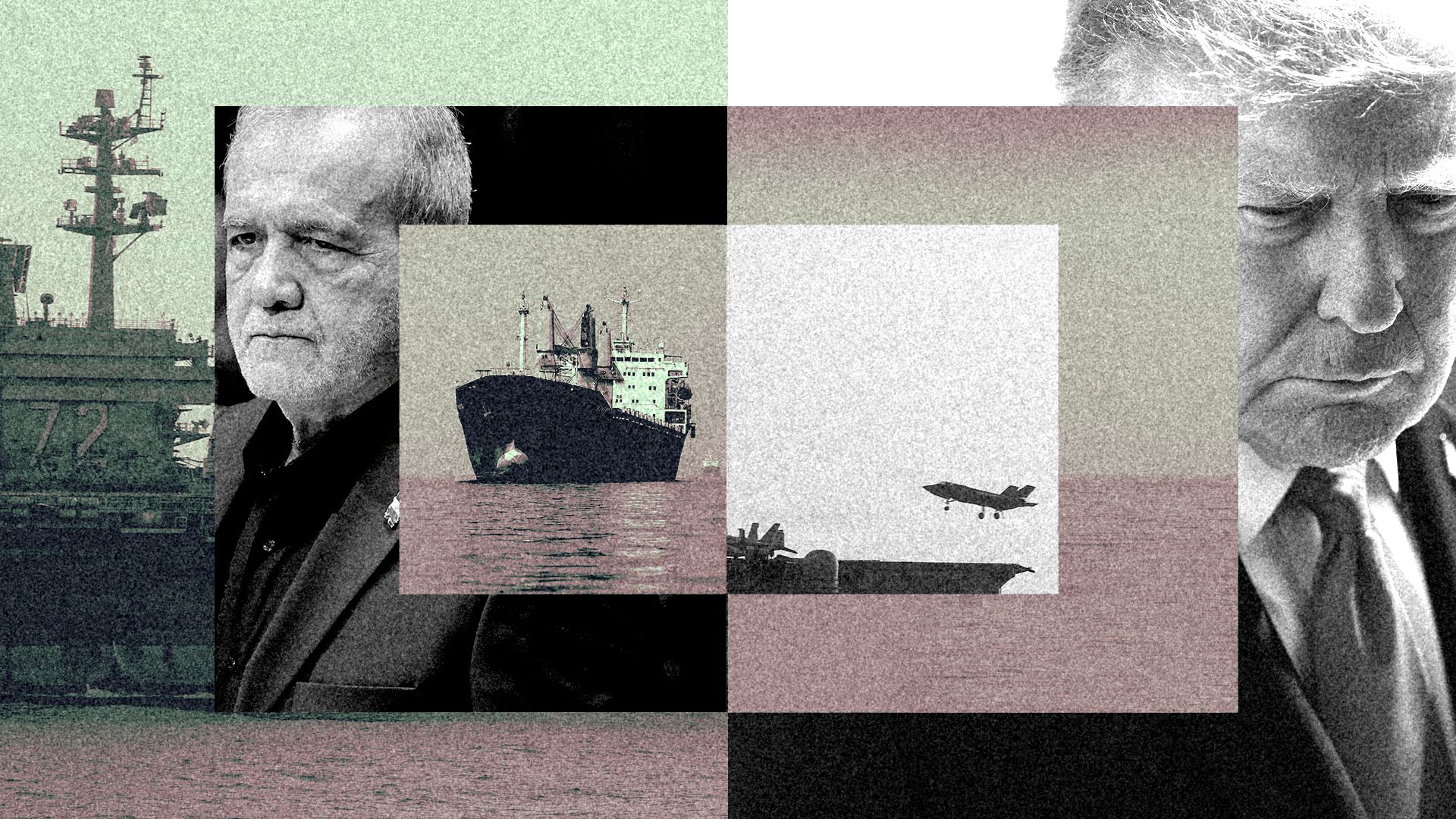
The Trump administration and the Iranian regime both say they prefer a diplomatic solution to the war, but a deal looks more elusive than ever.
- Here's a look at some of the deep-seated dynamics between the two countries — personal, cultural and political — that have stymied efforts to broker a deal, via Axios' Barak Ravid:
🕰️ Timing: The two countries see the timeframe for negotiations very differently.
- "America under Trump is the attention-deficit superpower ... incapable of sustaining a strategy," Karim Sadjadpour, a senior analyst at the Carnegie Endowment, told Axios.
- "Iran under the Islamic Republic is the obsessive-compulsive theocracy, fixated on resisting America far more than advancing the welfare of its own people."
🪄 Showmanship: Trump loves a splashy show of political theater, with him cast as lead actor. The Iranians prefer a narrow, transactional deal that's negotiated indirectly — or with the lowest public profile possible.
- "Trump and his negotiators pride themselves on being dealmakers. In Iranian political culture, the word for compromiser — 'sazeshkar' — is practically a slur," Sadjadpour said.
🤝 Mistrust: This is the fundamental impediment in the negotiations.
- The Iranians claim Trump cheated them twice when he attacked them in the middle of talks. Many inside the regime think any more engagement with the U.S. is just a ruse to mask preparations for a surprise attack.
- The U.S. side counters that Iran cheated when it violated the June 2026 memorandum of understanding, by attacking ships in the Strait of Hormuz.
3. AI's grassroots rebellion
A small cadre of elite AI researchers is wielding extraordinary influence inside OpenAI and other leading companies, challenging executives, shaping policy and complicating negotiations with Washington, Axios' Maria Curi writes.
Why it matters: As a safety crisis has unfolded across the industry, it's an open question who's doing more to shape the national AI debate — top researchers or the executives they report to.
- The researchers, some of whom are among the highest-paid scientists in the world, are outspoken online and have repeatedly clashed with company strategy.
The big picture: The situation has the makings of a grassroots uprising, where any potential deal the companies may strike — with the Trump administration, one another or globally — will also have to pass muster with their top scientists.
Yes, but: OpenAI signaled yesterday that there are limits to how much dissent it will tolerate. The company fired three employees for allegedly mishandling sensitive information, saying they broke "the trust essential to our work."
4. Mapped: Death penalty differences


Lethal injections are under scrutiny after Christa Pike survived two rounds of drugs during Tennessee's failed attempt to execute her.
- It's been the dominant U.S. execution method for decades, accounting for roughly 89% of the 1,683 executions carried out since 1976, Axios' Herb Scribner writes.
Where things stand: Pike is in critical condition and receiving "lifesaving care" at a hospital, AP reports.
- The failed execution led Republican Gov. Bill Lee to order a review and to indefinitely postpone Pike's execution and Tennessee's lone other one scheduled for this year.
- The 50-year-old was sentenced to death for a murder she committed in 1995 at age 18. She would have been the first woman executed in Tennessee in more than 200 years.
5. Trump's TIME record
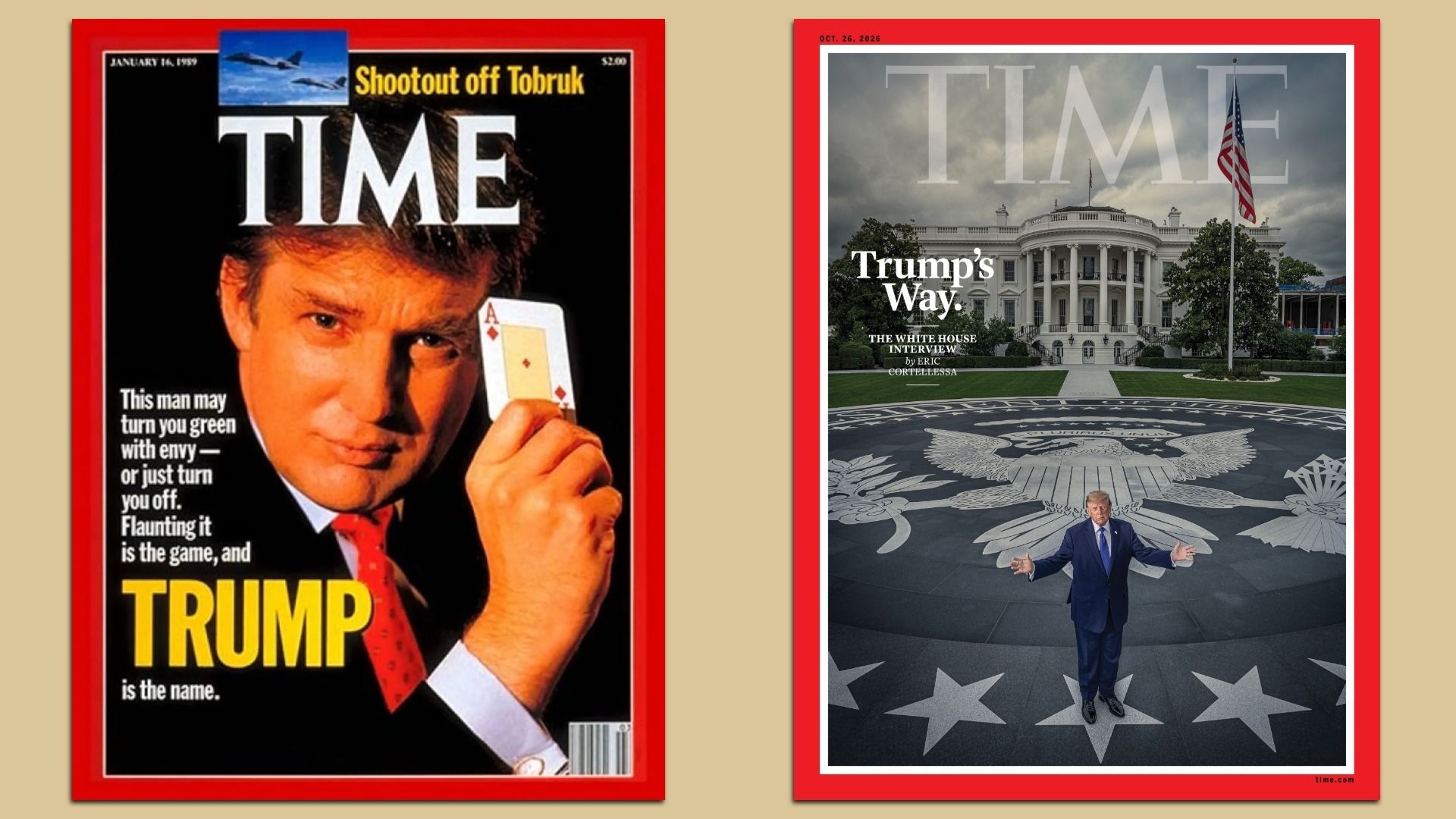
President Trump is back on the cover of TIME — his 56th appearance, edging out Richard Nixon for the most ever.
- The president sat for 75 minutes in the Oval Office on Monday with senior correspondent Eric Cortellessa and editor-in-chief Sam Jacobs.
What Trump said:
- 🇮🇱 If he'd back Netanyahu in this month's Israeli elections: "Well, I can only say that I'm not involved in politics anymore, except that we're popular." He didn't answer two more direct questions.
- ✍️ On pardoning his staff members: "Yeah, sure I'd do that. ... Well, Sleepy Joe Biden, he gave pardons to everyone."
- ⚖️ On his SCOTUS appointments: "I gave them the position of a lifetime ... and they voted against me often. ... I do like loyalty, yeah."
6. 📈 Mortgage rates keep rising


Mortgage rates spiked to their highest level in nearly three years yesterday, continuing their climb above the 7% threshold, Axios' Nathan Bomey writes.
- 😨 They've climbed 0.25 points in just the last week — and they're up almost a full point from a year ago.
That means mortgage applications are plunging.
- The Mortgage Bankers Association reported that applications during the week ended Sept. 25 fell 6% from the prior week.
7. 🍿 Buzzy Holmes doc

New York's hottest ticket this week — the N.Y. Times reports some people waited in a standby line for almost 16 hours! — was to catch the second-ever screening of A24's "You Can See Everything" at the New York Film Festival.
- The documentary, by Nathan Fielder and Lance Oppenheim, is an all-access look at the days before Theranos founder Elizabeth Holmes reported to federal prison on fraud charges.
Fielder told those lucky enough to get in that his time in Holmes' home was disorienting: "I had this weird experience where she seemed so genuine at times, but also clocking — tracking my thoughts — that she's a liar."
- "I am still struggling to this day to understand what I went through," he told The Hollywood Reporter.
8. 🦅 Before you fly: Pigeon patrol
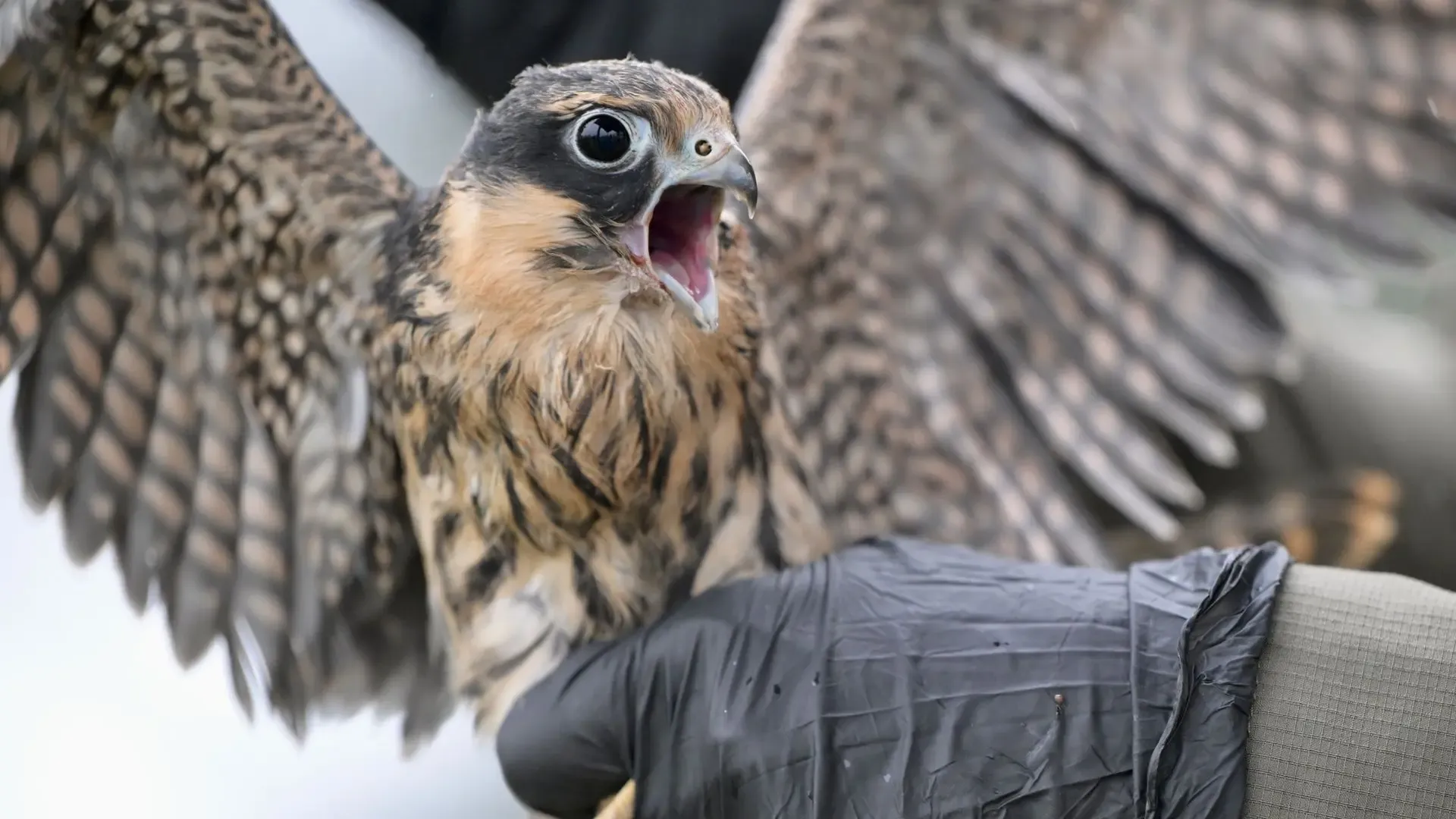
The Massachusetts Bay Transportation Authority thinks one way to stop pigeons from pooping all over its property is to have trained birds of prey ready to swoop in and regulate.
- The MBTA is asking falconry companies how raptors could help keep birds out of a system with more than 200 rapid transit and commuter rail stations, Axios Boston's Mike Deehan reports.
🐦 The T's current defenses against the winged rats are mostly just netting and spikes.
- A pigeon-trapping pilot has launched.
Share this story ... Subscribe to Axios Local, now in 43 cities.
📬 Thanks for reading! Please invite your friends to join AM.
Sign up for Axios AM