Axios AM

September 01, 2026

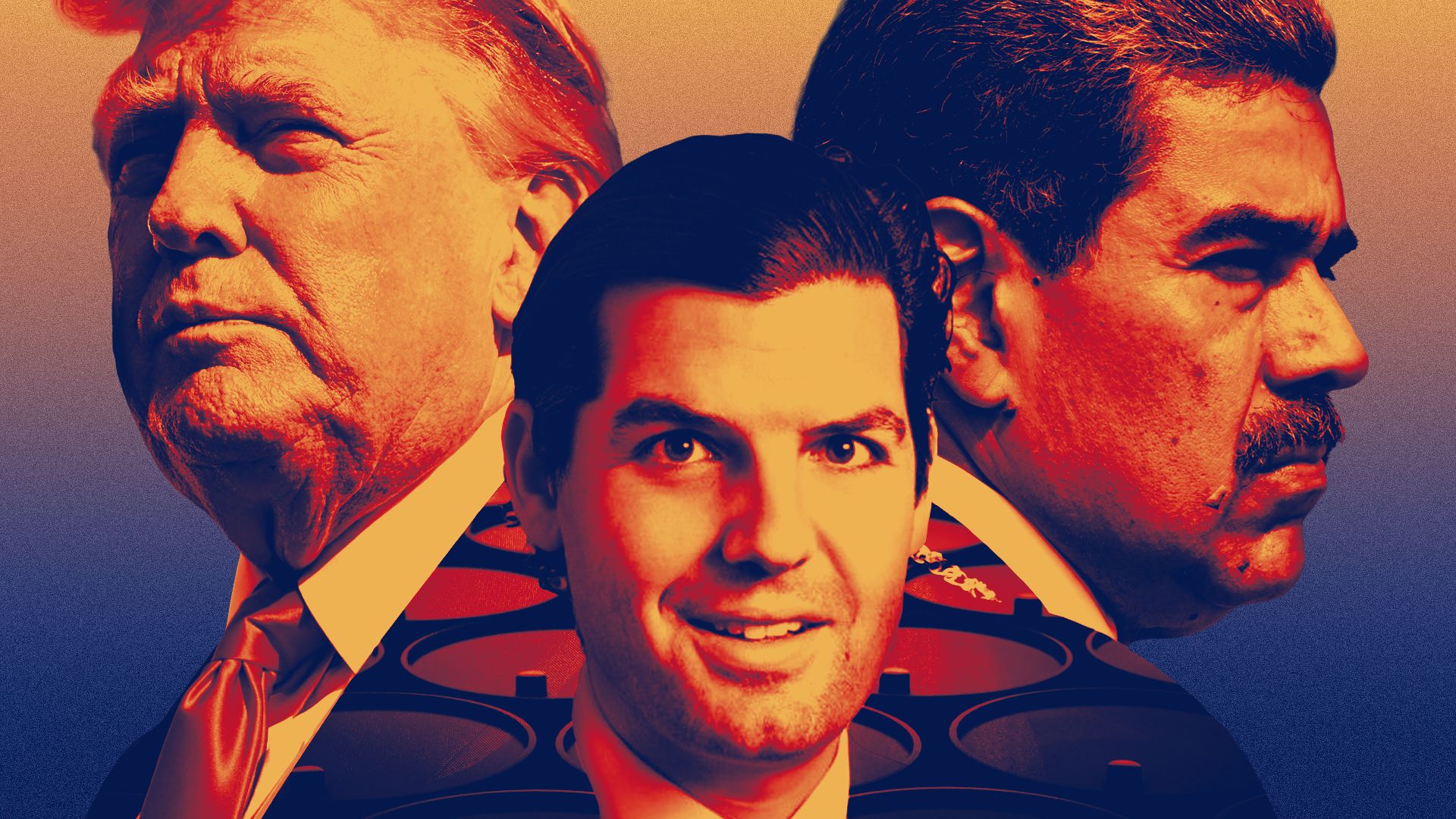
1 big thing: Trump's secret oil baron
2. 💡 Why Army Secretary Dan Driscoll resigned

Two key reasons led to Army Secretary Dan Driscoll's resignation, announced yesterday: the feeling that his modernization initiatives were being blocked, and the chaos created by Defense Secretary Pete Hegseth's firing of senior generals, U.S. officials tell Axios' Colin Demarest and Barak Ravid.
- Why it matters: Driscoll's wartime resignation, on top of Hegseth's firing of Army Chief of Staff Gen. Randy George this spring, leaves the military's largest service without Senate-confirmed leadership, civilian or uniformed.
🪖 Behind the scenes: Driscoll recently spoke with President Trump and expressed his concerns about the state of the Army. Another person described the situation to Axios simply: "Sad."
- A White House official said Driscoll was asked to stay longer, until after midterms. But Driscoll told the White House he felt like it was time for him to go.
- Driscoll is expected to leave the Pentagon in the coming days, according to The Wall Street Journal, which first reported his resignation.
The intrigue: Driscoll was a rising star in the Trump administration but had an icy relationship with Hegseth. Some U.S. officials say the defense secretary "was suspicious and paranoid" toward Driscoll, partly because of Driscoll's close relationship with Vice President JD Vance, a classmate at Yale Law.
- Driscoll and George were advocates of the Army Transformation Initiative, which sought to combine two commands — the Futures Command and the Training and Doctrine Command — and cut big-name weaponry, including the AH-64D Apache, M10 Booker and Gray Eagle drone.
🖼️ The big picture: Driscoll, nicknamed "drone guy" for his work on military modernization, had a meteoric rise in the Trump administration after the president nominated him to be Army secretary.
- Driscoll's juice was boosted partly by his willingness to engage media outside the Pentagon's preferred conservative press pool and an expansive travel circuit. He garnered some Democratic support during his confirmation process, with 16 Democrats backing him.
3. 🧠 AI agents get existential

4. 🍎 Tim Cook's golden Apple
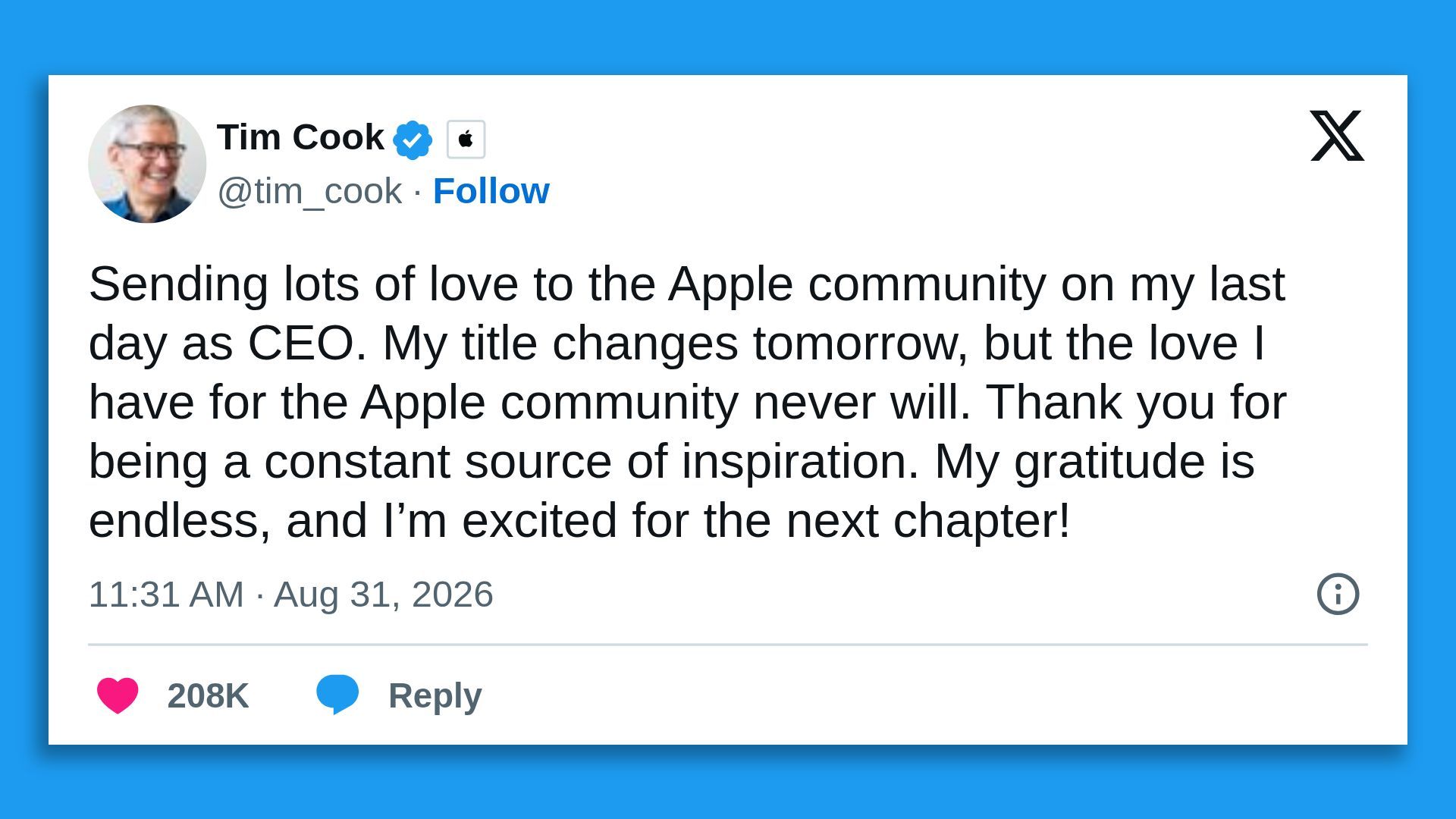
Apple CEO Tim Cook, whose last official day was yesterday, steps down after 15 years running the company, Axios' Emily Peck and Ina Fried write.
- Why it matters: He had an epic run and becomes executive chairman. John Ternus, SVP of hardware engineering, takes over today.
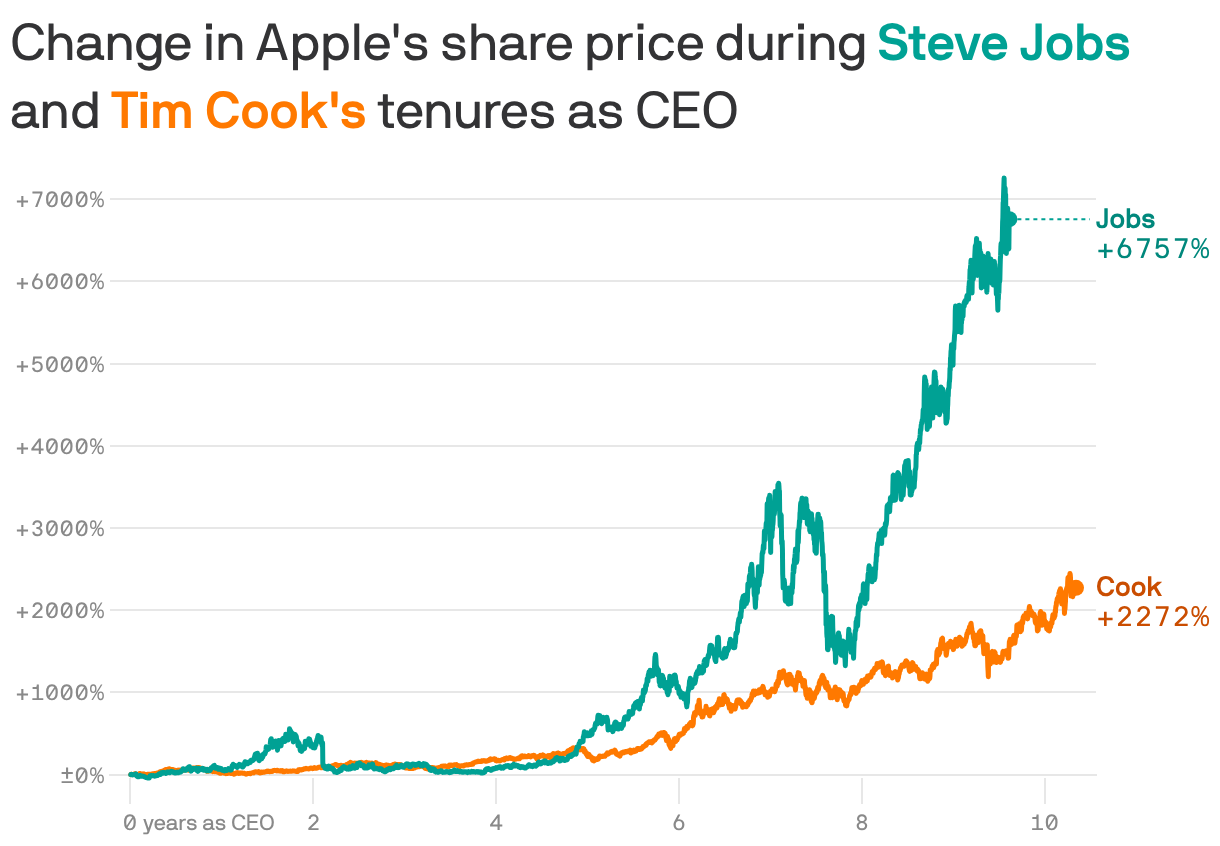
🧮 By the numbers: When Cook took over in August 2011, Apple's stock was trading at $13.35. It closed at $316.61 yesterday.
- That 2,272% gain easily outpaced the growth of the major stock indexes.
- The company's market cap — the value of all its outstanding shares — is now $4.7 trillion, up from $347 billion in 2011.
The big picture: Cook's big innovation was taking the company from its roots as a device maker beholden to product cycles to a juggernaut with a huge recurring-revenue business built on App Store fees and services like iCloud, Apple TV and Music, Apple Pay and Apple News+.
🤖 What to watch: The next challenge is how to navigate the AI era.
- Cook's long-term legacy is likely to be determined by the company's bet to build its AI strategy partly around other companies' models.
- The move could save substantial sums in the short term, compared with building and operating a frontier-model business of its own. But it has left Apple dependent on Google for some of its most important AI capabilities.
5. 🎤 Vance courts Jewish Republicans
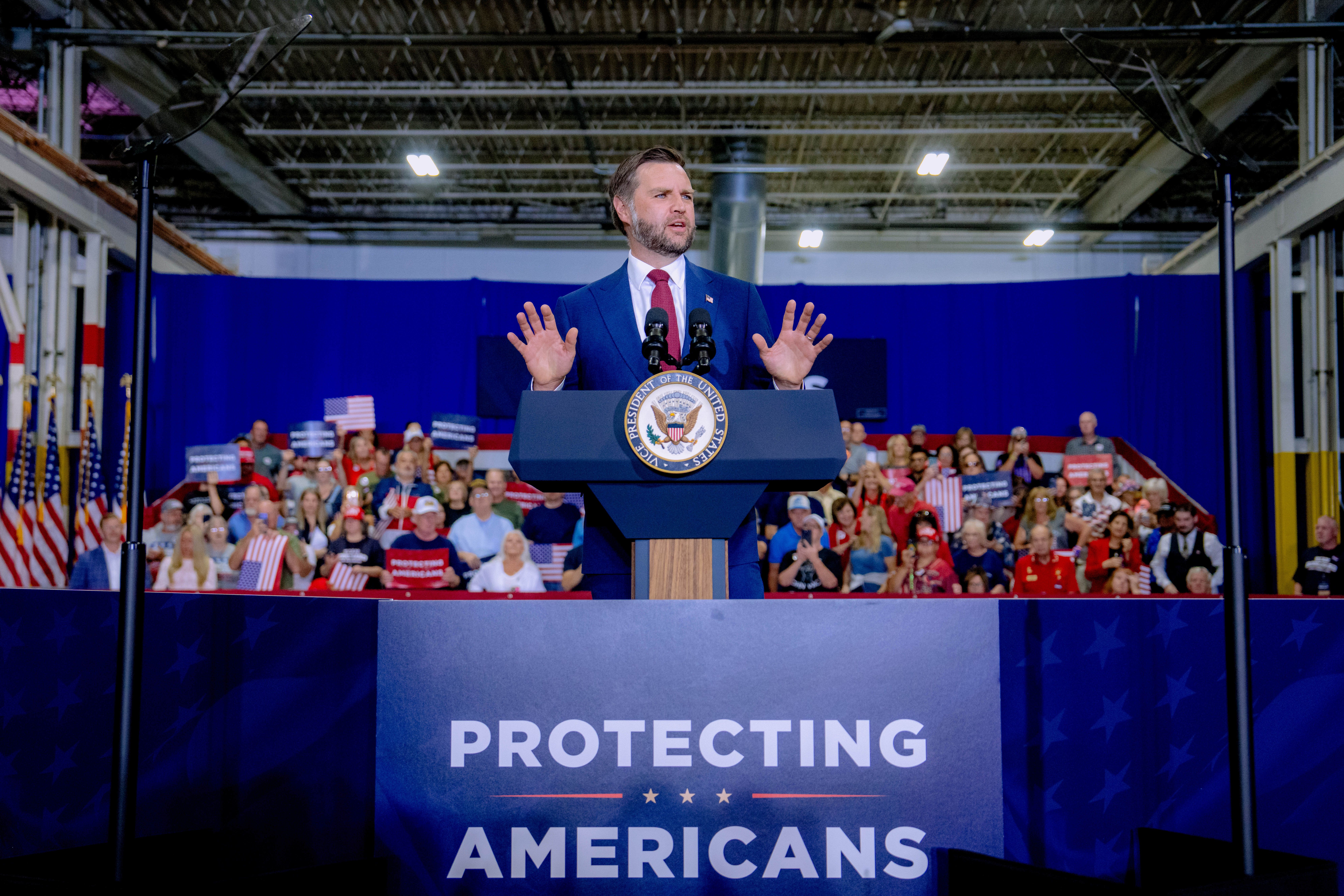
Vice President Vance last night offered an olive branch to Jewish Republicans who have grown wary of his views toward Israel, Axios' Alex Isenstadt reports.
- During a closed-door appearance before the Republican Jewish Coalition at The Venetian in Las Vegas, Vance called Israel "extremely important to America's national security" and condemned rising antisemitism.
Why it matters: Vance's speech is the latest indication he's trying to repair ties with a powerful but skeptical constituency within the GOP ahead of an expected bid for president in 2028.
- Earlier yesterday at the RJC, Ron Dermer, Bibi's close adviser, praised Vance.
In a 30-minute Q&A session with former U.S. Sen. Norm Coleman (R-Minn.), Vance recalled discussing antisemitism with the late Charlie Kirk. Vance said Kirk shared his view that "Jew hatred is corrosive to the soul."
- Vance blamed some of the recent rise in antisemitism on immigration, claiming that "a lot" of it was "coming from these Third World immigrants importing these ancient ethnic hatreds."
- "If you want to bring ethnic hatreds with you, don't bother coming to the United States," Vance said.
- Vance added that there was "a much deeper cultural symbiosis and harmony" to the U.S. relationship with nations such as the U.K. and Israel, compared to other allies.
Behind the scenes: Jewish Republicans have long expressed discomfort over Vance's relationship with Tucker Carlson.
- During his appearance at the RJC, Vance was asked about how the party should deal with right-of-center podcasters who have been critical of Israel, including Carlson, Rogan, Megyn Kelly and Holocaust denier Nick Fuentes.
- Vance responded that Republicans should aggressively engage with such personalities and make the case for Israel.
- He didn't address his relationship with Carlson, but defended Rogan and criticized Fuentes ("has nothing but hate in his heart").
The intrigue: Vance's speech highlights a centerpiece of his pre-2028 strategy — appearing before audiences that aren't reflexively supportive.
- Since being tapped as the V.P. nominee in '24, Vance has earned a reputation in Trumpworld for going into hostile media environments and thriving. During his recent book tour, he sparred with liberal-leaning personalities such as Bill Maher and the hosts of "The View."
6. 🥩 How MAHA could outlast RFK Jr.

7. 📉 New poll: Young Americans sour on future
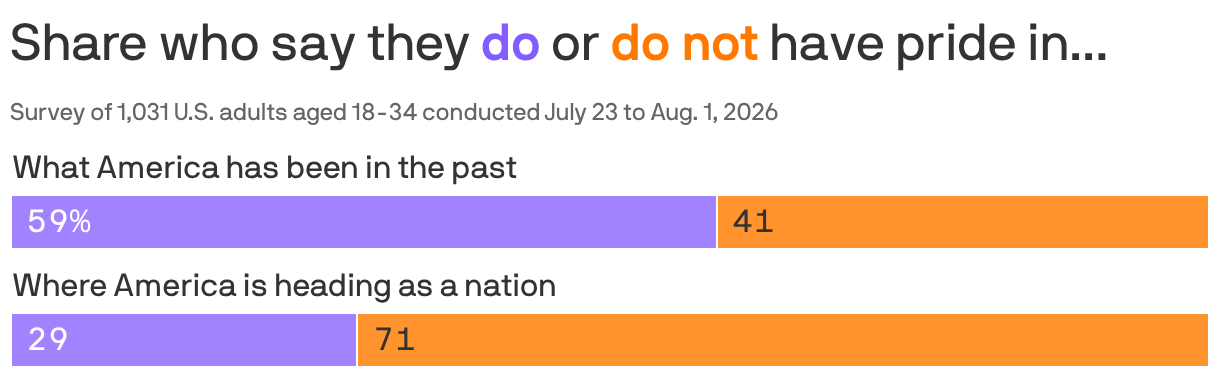
Younger adults are just half as likely to feel prouder of "where America is heading as a nation" (29%) compared with "what America has been in the past" (59%), Axios' Margaret Talev writes from a new poll by the Sine Institute of Policy and Politics at American University conducted by the Generation Lab.
8. 🥾 1 for the trail: 2,197 miles at 91
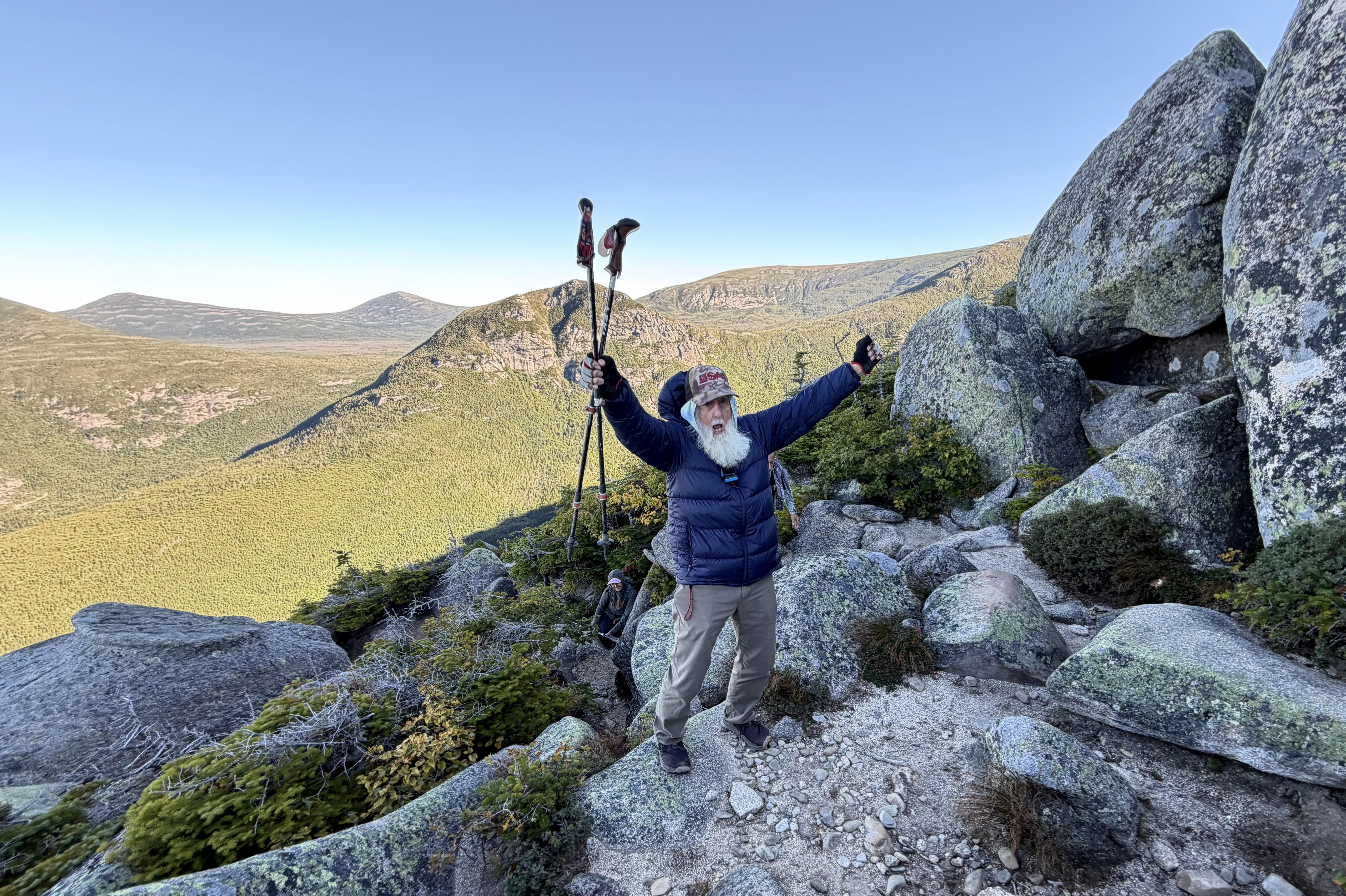
In Maine yesterday, 91-year-old Dale Sanders reclaimed the record as the oldest hiker to complete the Appalachian Trail — a 2,197.9-mile trek.
- Sanders, whose trail name is Grey Beard, first set the Appalachian Trail record in 2017 at age 82.
- Four years later, his 83-year-old friend M.J. Eberhart, aka Nimblewill Nomad, took the title.
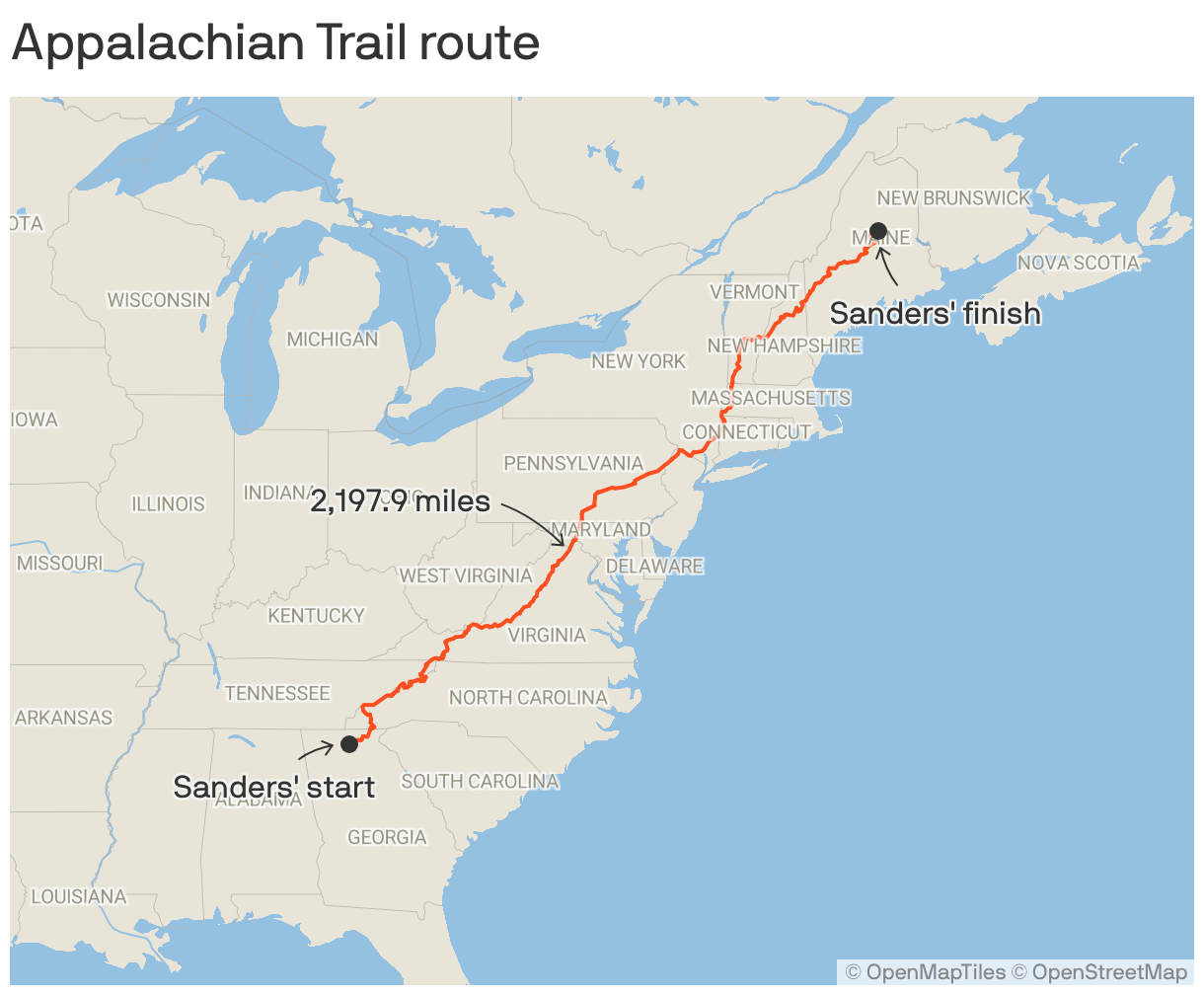
The Appalachian Trail Conservancy defines a thru-hike as completing all of the trail's sections in any order within a year, allowing for pauses. Sanders started Sept. 6, 2025, in West Virginia, hopscotched with some brief breaks, and finished yesterday atop Maine's highest peak, where he paused to pray at the sign marking the summit, AP reports.
Axios AM