Axios AM

September 10, 2025

🎬 1 big thing: Next Trump target
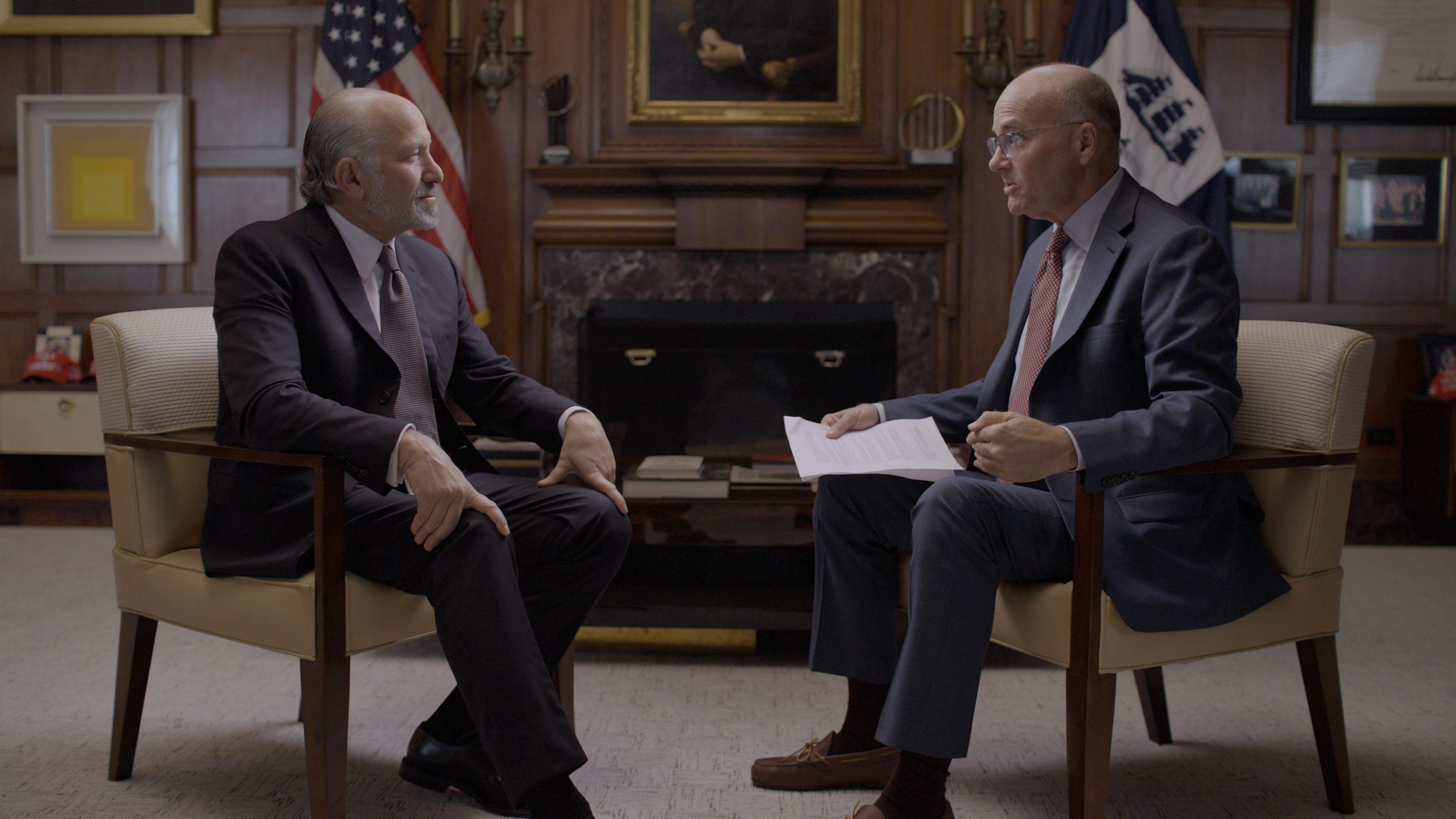
On the premiere episode of "The Axios Show," launching tomorrow, Commerce Secretary Howard Lutnick says the administration wants a cut of revenue generated by patents that universities developed with federal funds.
- Why it matters: Lutnick's idea could capture potentially tens or hundreds of billions of dollars in future upside from the work of university scientists, Axios' Ben Berkowitz reports.
President Trump has struck unprecedented deals with the private sector — a 10% stake in Intel, a 15% cut of Nvidia's revenue from AI chips sold to China, a "golden share" in U.S. Steel — that depart starkly from GOP orthodoxy.
- So during our interview in Lutnick's historic office (the first time he's permitted cameras in his inner sanctum), I asked him who's next.
"I think universities, who are getting all this money," Lutnick replied. "The scientists get the patents, the universities get the patents and the funder of $50 billion, the U.S. government, you know what we get? Zero."
- "In business," he continued, "if I gave them 100% of their money, I would get half the profits, with the scientists. So I think if we fund it and they invent a patent, the United States of America taxpayer should get half the benefit."
🎥 "The Axios Show" is our new series featuring illuminating interviews with newsmakers shaping politics, media, business, tech and culture — your guide through the chaos.
🔎 Behind the scenes: The administration has spent months pressuring colleges over admissions, DEI policies and antisemitism. Teeing up the new focus on intellectual property, Lutnick sent a letter to Harvard last month demanding "a comprehensive list of all patents it has received stemming from federally funded research grants."
- Lutnick told us he also intends to send a letter to the University of California system: "I think it'll be a few universities to start, and then it'll become a master deal."
Context: The Bayh-Dole Act of 1980 lets universities retain ownership of patents achieved with federal funding. The idea was to create a clearer path for universities to do research profitably, giving them an incentive to be more aggressive about developing new medicines and technologies.
- "America should participate," Lutnick said. "How do we not get our money back? That's insane."
🎞️ Watch a 45-sec. clip ... Watch the trailer ... Share this story.
2. 💰 Young America's economic crisis


Younger adults are facing the worst labor market shock in years — one far more acute than the rest of the population, Axios' Courtenay Brown writes.
- Why it matters: There's no denying the misery for young people who can't find work. It might stunt their career growth for decades to come.
Threat level: What's holding back hiring is a mix of fleeting, cyclical factors — economic uncertainty as a result of President Trump's trade policies, for instance, or high interest rates.
- Other factors, like the uptake of AI eliminating entry-level positions, are likely structural. The result might be a difficult hiring environment for younger people for the foreseeable future.
- Young but less-educated Americans also feel the pinch. The sluggish pace of job gains is widespread across the economy, including in industries that, in normal times, would be the most likely to hire them.
🔎 Zoom in: The unemployment rate among 16- to 24-year-olds was 10.5% in August, the highest since the aftermath of COVID. Excluding that period, youth unemployment has not been this high since 2016.
- "There is a pile-up of young people looking for work," says Guy Berger, the director of economic research at the Burning Glass Institute. "The risk is a lost generation of young people who took a long time to find work."
👀 What to watch: Consumers see just a 45% chance, on average, of finding a new job if their current position was eliminated, according to a New York Fed survey — the slimmest chance in data back to 2013.
3. 🔒 Dems embrace shutdown
4. 💵 Charted: Pay gap gets wider


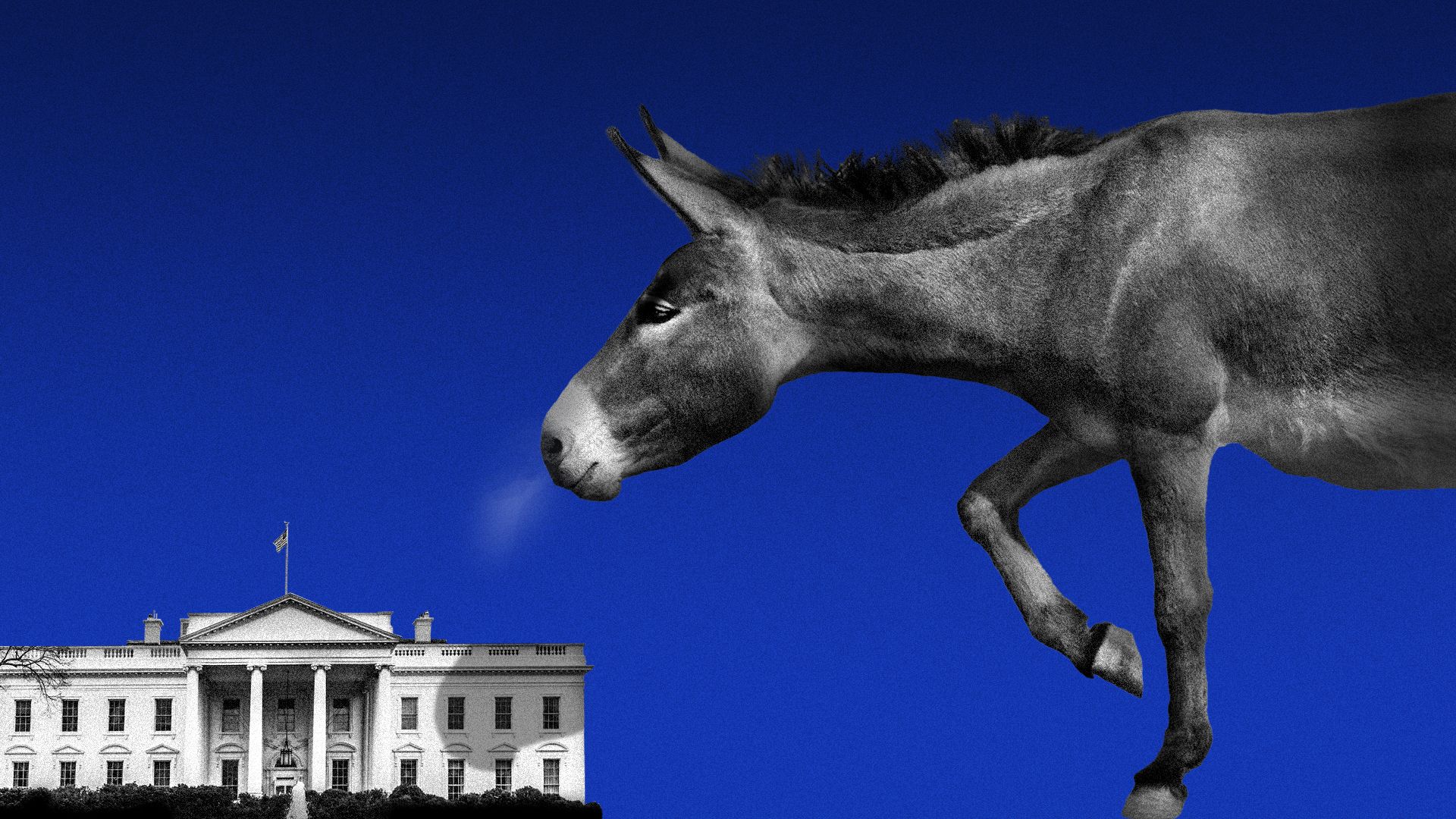
Men's wages went up last year while women's incomes didn't budge, Axios' Emily Peck writes from new census data.
- Why it matters: It's a sign that the slow march toward pay equity for women is stumbling.
The median woman working full time in 2024 earned 81% of what the median man earned — a drop of 2 percentage points from the year before and the second consecutive annual decline.
- The pay gap is now back to where it was in 2017, when #MeToo took off.
5. 🏛️ Supreme Court fast-tracks tariff case
6. 🚆 Stat du jour: 9 mins. slower
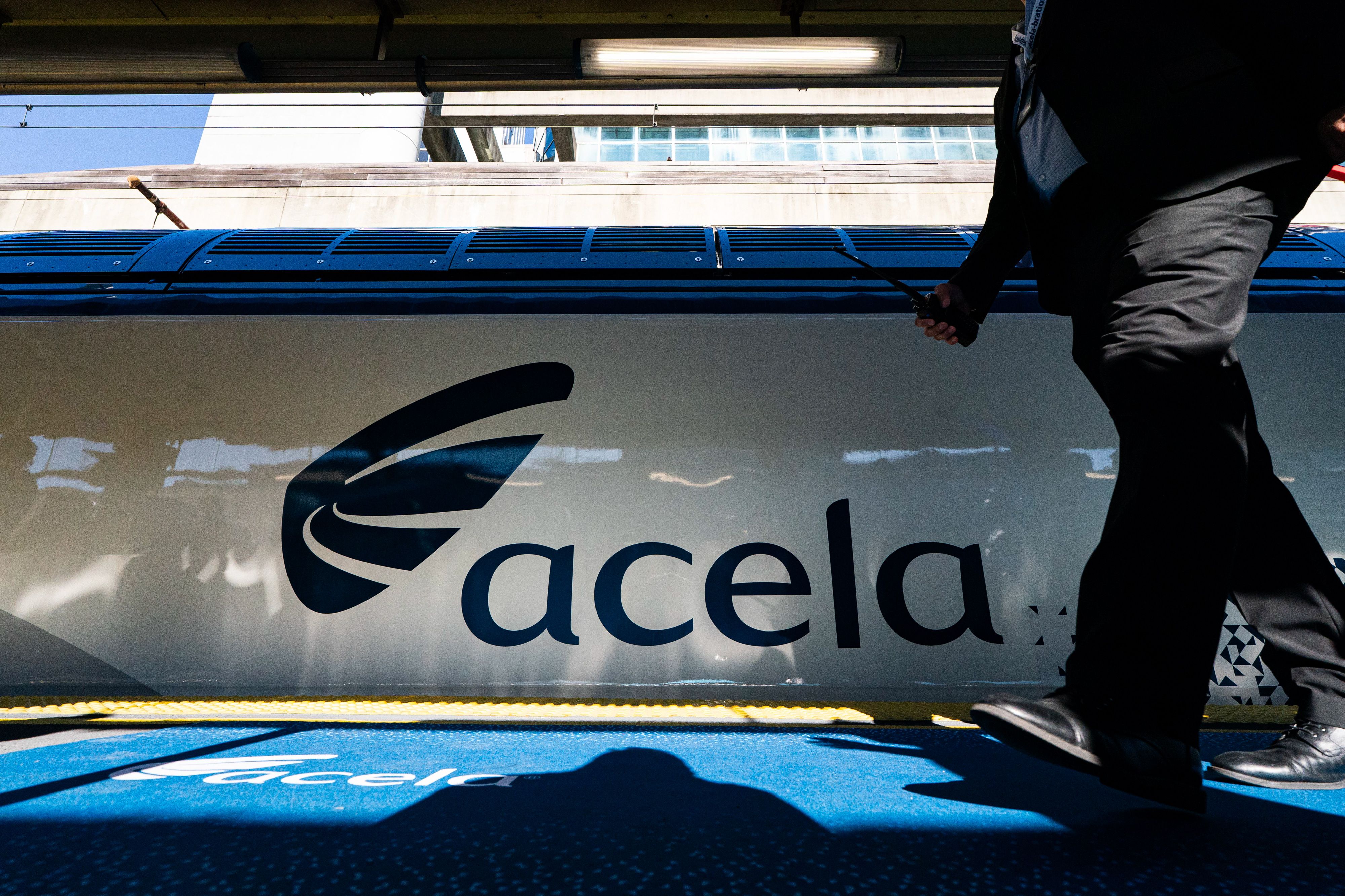
Amtrak's new Acela trains — introduced in late August — are running about nine minutes slower than their older counterparts on a trip from Boston to D.C., at least for now.
- "The limiting factor for the new trains' speed, Amtrak says, is the railroad's infrastructure: the tracks, the overhead power system, the switches and the signals," The Wall Street Journal reports (gift link).
Amtrak says the trains, which can travel up to 160 mph, will get faster over time.
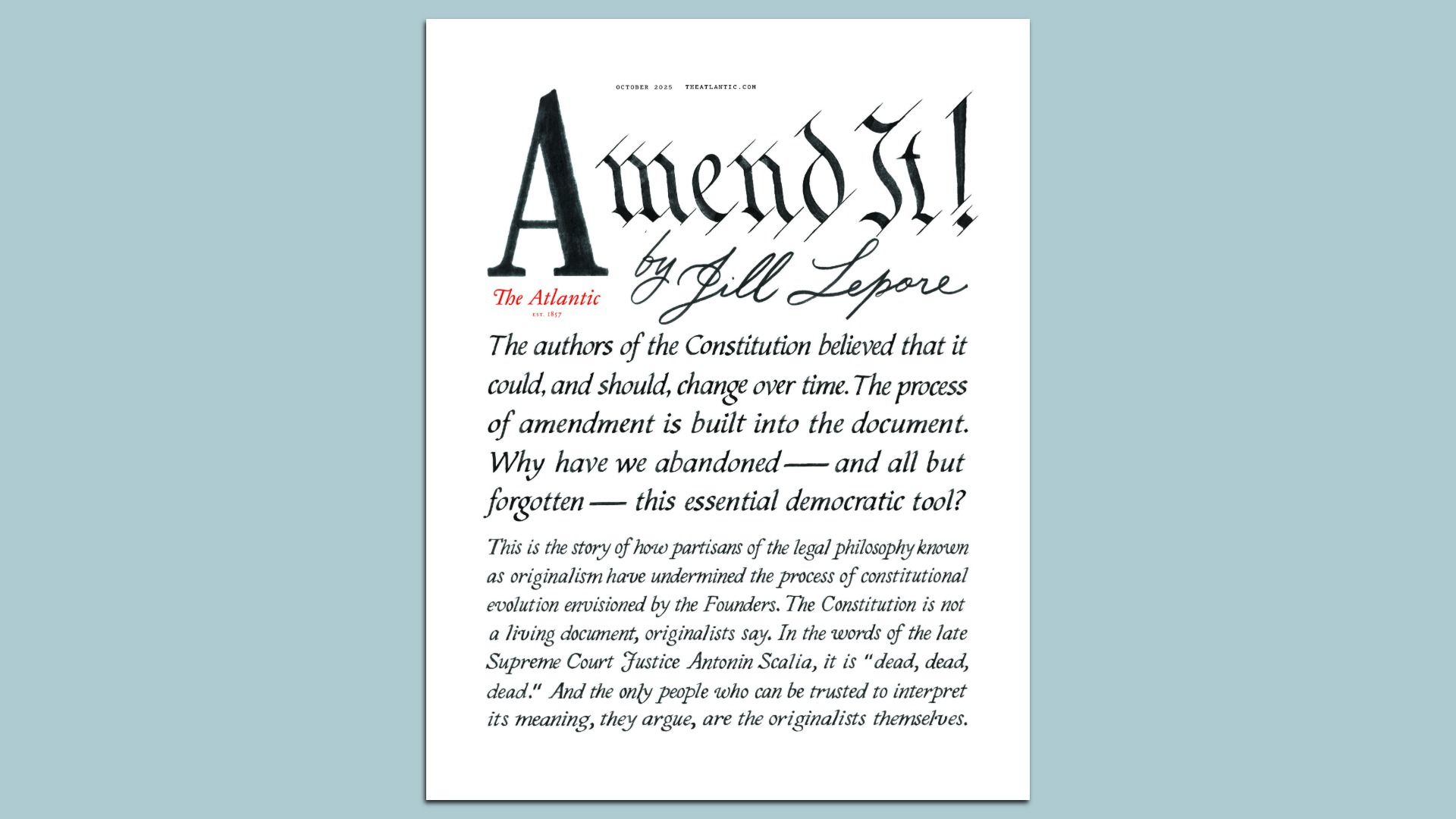
7. 📜 Deep read: Amending the Constitution
8. 🍽️ 1 for the road: Trump's first night out
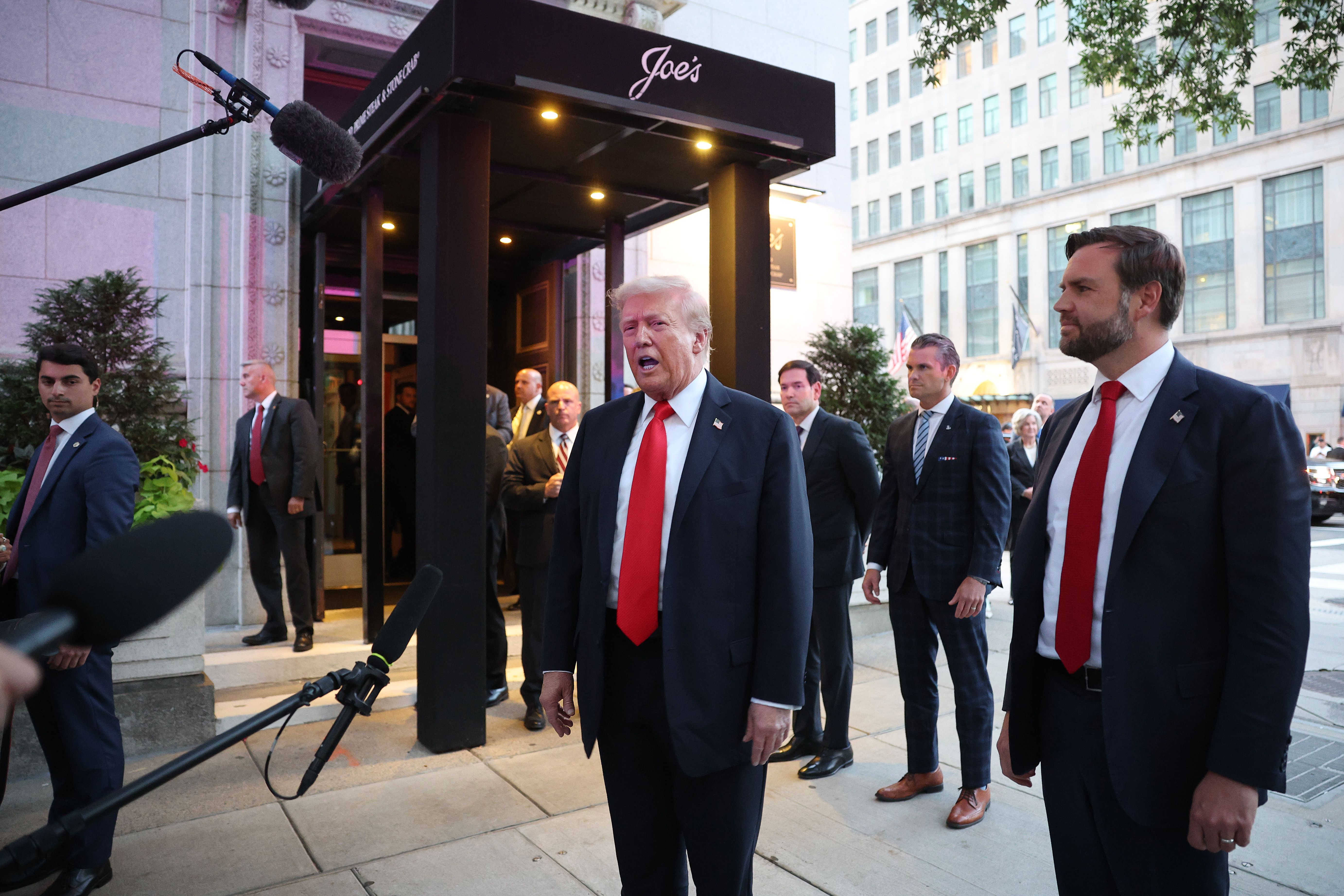
President Trump ventured out to Joe's Seafood, a few blocks from the White House — his first meal at a Washington restaurant since returning to office in January.
- He used the trip to promote his deployment of the National Guard to crack down on crime in the nation's capital.
Cheers were heard as the president stepped from his limo — though there was a smattering of boos. (AP)
- Inside, a video posted on social media showed Trump shaking hands with diners. He also stared for an extended period at a small group of protesters.
Go deeper: President Trump's 30-day takeover of the Metropolitan Police Department expires tonight, closing one chapter of the crackdown, Axios D.C.'s Cuneyt Dil reports.
Axios AM