Federal takeover of D.C. police to end as Congress takes up bills

Add Axios as your preferred source to
see more of our stories on Google.
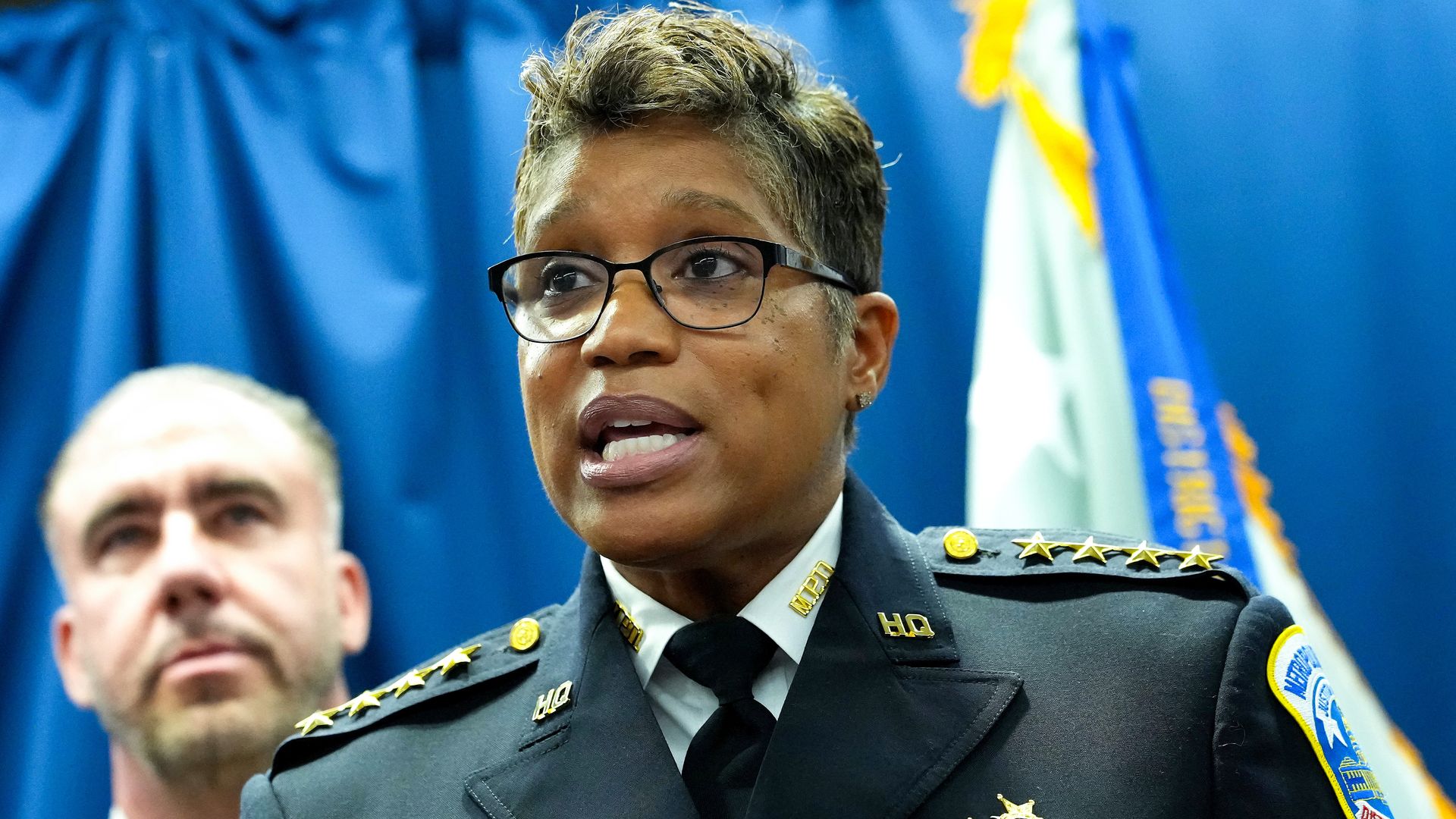
D.C. police chief Pamela Smith Photo: Kevin Dietsch/Getty Images
President Trump's 30-day takeover of the Metropolitan Police Department expires Wednesday night, closing one chapter of the crackdown.
Why it matters: Mayor Muriel Bowser is hoping it's a turning point, and that federal law enforcement's increased presence will also dial down in D.C.
State of play: Full local police power returns to MPD chief Pamela Smith tomorrow, after a month of U.S. Attorney General Pam Bondi overseeing the department and demanding that she dispatch officers to help federal agents.
- Republican House Speaker Mike Johnson said Congress will not vote to extend the crime emergency that allowed the temporary federalization of MPD. Johnson cited cooperation between the White House and Bowser.
- Bowser's mayoral order last week calls for collaboration between the District and federal law enforcement agencies "to the maximum extent allowable by law." With that agreement in place, "I'm not sure Congress has any necessity to do anything," Johnson said on Monday.
Yes, but: Congress is coming for D.C.'s laws. Republicans will bring up over a dozen bills at a House Oversight Committee meeting on Wednesday morning. The proposals include:
- A "D.C. Safe and Beautiful Commission" that would focus on public safety and removing graffiti.
- Overturning a progressive reform that allows prisoners who committed crimes as juveniles to appeal for reduced sentences after serving at least 15 years.
- Lowering the age for juveniles to be allowed to be prosecuted as adults from 16 to 14.
- Replacing the city's elected attorney general with one appointed by the president.
The committee "stands ready to back the President's swift action by advancing comprehensive legislative reforms that empower District law enforcement and tackle the escalating juvenile crime crisis head-on," Republican Oversight Chair James Comer said in a statement.
What's ahead: If they pass out of committee, the bills will need full approval in the House and Senate.