Axios AM

August 16, 2026

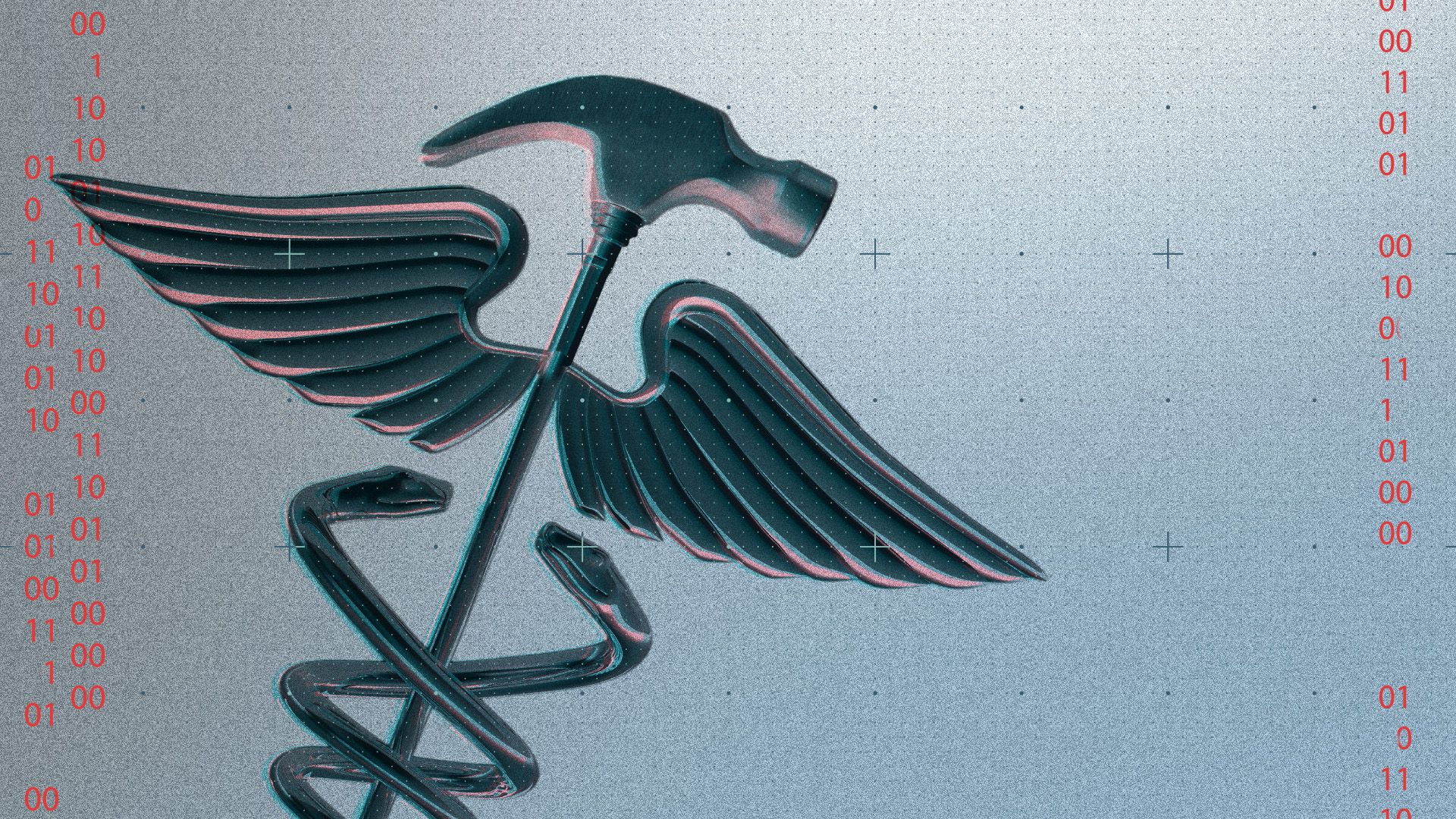
1 big thing: What health care should look like

Axios CEO Jim VandeHei devoted this weekend's Axios C-Suite newsletter to the challenges he and his wife, Autumn, have faced in navigating America's health care system — and their glimpse of medical nirvana:
My wife, Autumn, has spent nearly a quarter of the past four years in ERs and hospitals, untangling and battling three chronic conditions — and a shamefully broken U.S. medical system.
- We live in Washington, D.C., with top-rated hospitals in our backyard. Yet her experience has been eye-opening and often horrifying, especially for a nation that spends twice as much on medical care as our rivals.
And we're the lucky ones, with blue-chip insurance, a sophisticated understanding of the system and resources to attack problems. Most patients don't have those things.
- All of this left us infuriated and hopeless — until we landed in a small Minnesota city and glimpsed medical nirvana: the Mayo Clinic in Rochester. It was like discovering a foreign land — or seeing a future that could and should be.
The best part: I soon discovered AI could easily help unlock the best of Mayo for everyone. Dr. Gianrico Farrugia, a gastroenterologist who's president and CEO of the Mayo Clinic, told me he's racing to show the federal government and other hospitals how to replicate the Mayo magic.
🩻 How it works: Mayo doctors work as teams. They're paid to heal, not to operate or medicate. Nurses handle four or so patients — fewer than we've experienced at even some of the best hospitals back home.
- Everyone is kind and talented. Rooms are clean. Every appointment begins on time. Imaging and blood tests get scheduled immediately, not after months of anxious waiting. Results land instantly in your online portal.
- But the real difference-maker: Doctors and patients leverage massive databases of medical information, sorted and analyzed by AI, then channeled into 500 different algorithms to help find cures and better serve patients.
Consider cases like Autumn's: She has several different things wrong requiring expertise across many domains. Few, if any, humans could piece together this puzzle alone. This is where AI could make a big impact — now.
- Mayo recently signed a deal with Microsoft to expand and expedite its own frontier AI model to further scale and refine this work. Both Mayo and Microsoft are fine-tuning the AI with hopes of sharing it broadly.

"None of this works unless health data is arranged maximally for humans and AI agents," Farrugia told me. "What makes it work or scalable is organizing all the knowledge so doctors can use it optimally and so agents can use it optimally, so we get the best data to help patients."
- The catch: "I could give this to every hospital — and they can't use it." That's because most hospitals lack the technology, money, systems and focus to use health data drawn from patients and broader pools.
⬇️ Jim's column continues below.
2. 📈 Part 2: Scaling Mayo
3. 🤯 Part 3: The future, reimagined

4. ☎️ Scoop: Trump's secret Iran backchannel
In mid-May, U.S. negotiators trying to reach a deal with Iran to end the war ran into a problem: They couldn't tell if the people across the table actually spoke for the country's powerful Islamic Revolutionary Guard Corps (IRGC), Axios' Barak Ravid scoops.
- So Trump administration officials did something unconventional — they went around Iran's negotiators and reached out directly to IRGC leadership.
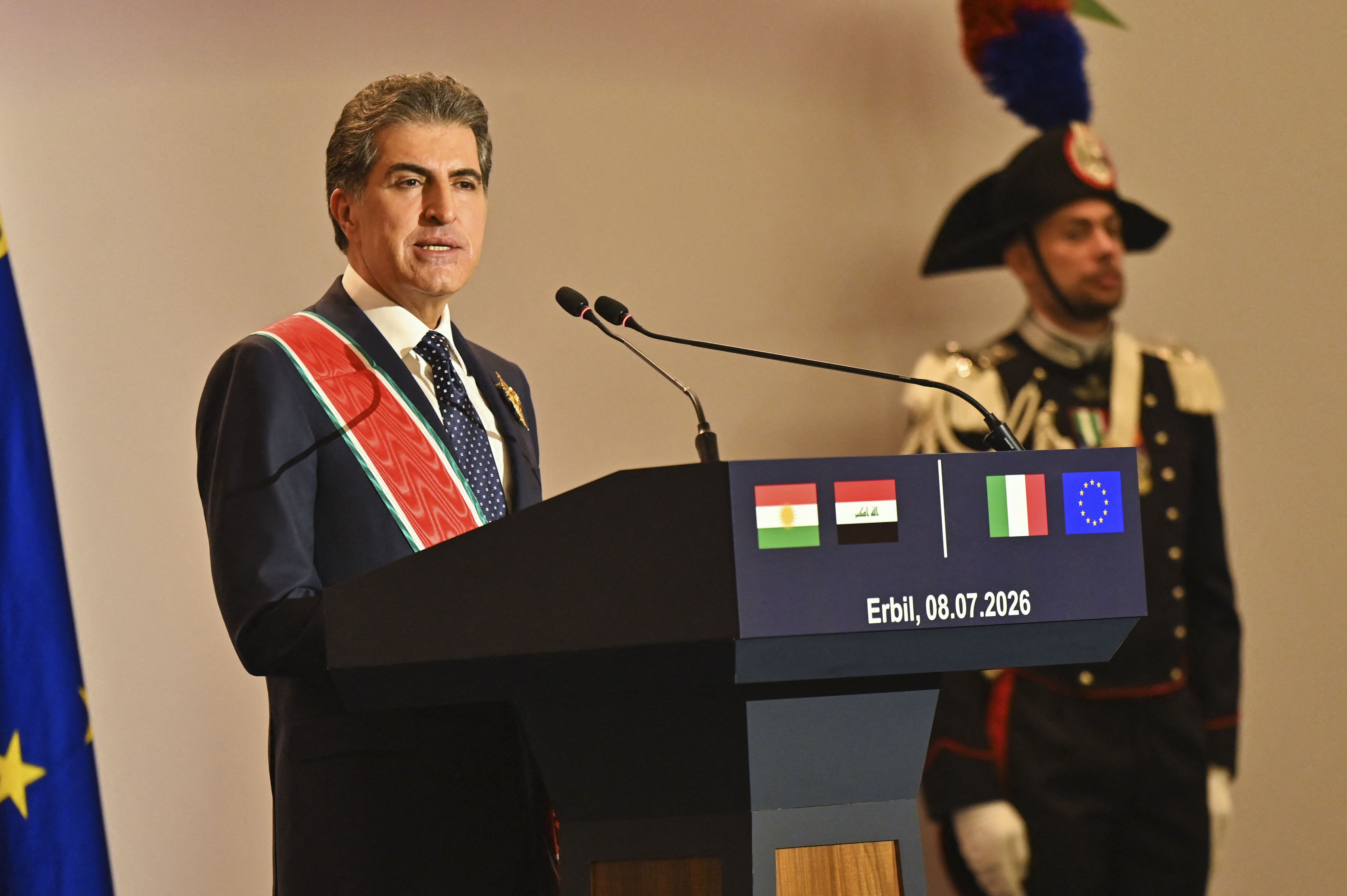
- The person they tapped for the backchannel was Nechirvan Barzani, the president of the Kurdistan region in Iraq, who had something very few others do: the trust of both U.S. and IRGC leaders.
Why it matters: The episode — which was detailed by three sources with direct knowledge, and hasn't been previously reported — shows how tricky it's been for the U.S. to negotiate with a country where Washington isn't sure who exactly is in charge.
The sources said Barzani managed to establish a direct connection with the IRGC commander-in-chief, Gen. Ahmad Vahidi, and received assurances from him that he was on board with the deal under discussion at the time.
- Brett McGurk, who has served as a Middle East adviser to four presidents, told Barak: "Nechirvan Barzani is a pragmatic problem solver. He's respected across the region. He knows nearly everyone in Tehran as well as Washington. That's who you call in a pinch."
What to watch: Barzani has recently sent messages to the White House offering to help restart U.S.-Iran negotiations, according to a source with knowledge of the matter.
5. 🫏 Dems reroute road to nomination
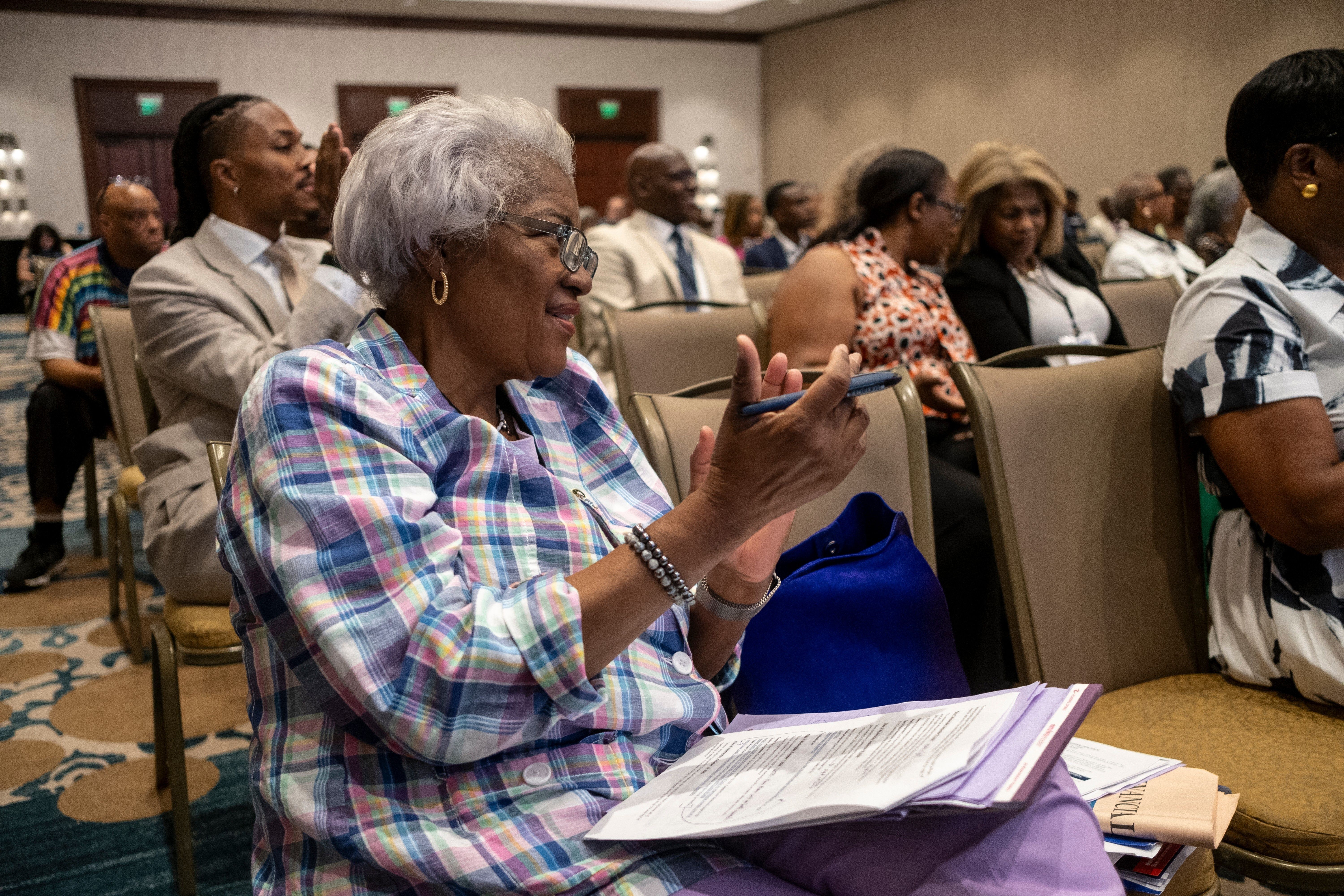
For 52 years — 14 presidential elections — Iowa and New Hampshire hosted the nation's first nominating contests. No longer. The Democratic National Committee's summer meeting in Austin yesterday ratified a wildly different calendar. Sorry, Iowa! Here are Dems' six contests before Super Tuesday:
- South Carolina: Jan. 22, 2028.
- Nevada: Feb. 1, 2028.
- New Hampshire: Feb. 8, 2028.
- New Mexico: Feb. 15, 2028.
- Michigan: Feb. 22, 2028.
- Virginia: Feb. 29, 2028.
Between the lines: Iowa and New Hampshire, the launch states starting in 1972, are around 90% white. The new schedule gives more voice to Black and Latino voters, as well as union members.
🥊 Reality check: It's not over. Iowa Democrats have indicated they could go rogue and hold a caucus when Republicans do, regardless of DNC penalties, Axios' Alex Thompson notes.
- The New Hampshire Democratic Party has argued it can't change the state law mandating the Granite State hold the first primary contest. Both a Republican governor and state Democrats look unwilling to bend.
🔮 What's next: New Hampshire has until mid-September to submit a plan to comply with the DNC's calendar. If neither Iowa nor New Hampshire complies, we'll see what penalties the DNC considers for states and potential candidates.
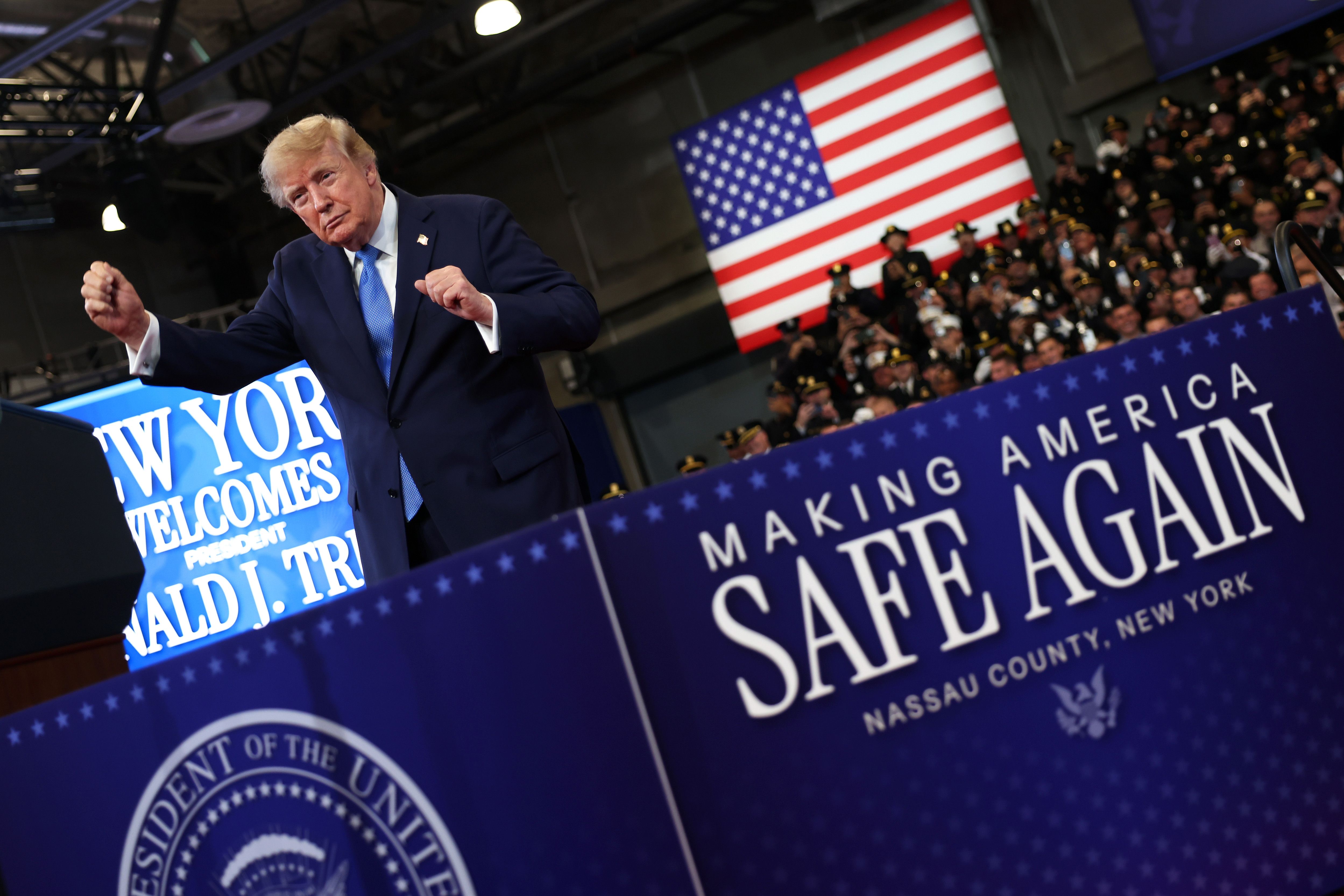
🐘 Trump finally spending: The RNC has begun privately telling sister committees — NRSC for the Senate and NRCC for the House — that it plans to distribute tens of millions of dollars to each committee for midterm ads and operations, Axios' Alex Isenstadt reports.
- Why it matters: Republicans were getting antsy as President Trump dragged his feet on releasing the massive war chests at his disposal. CNN reports that he's now given the green light for tens of millions in midterm spending from his personal super PAC, MAGA Inc.
6. 🤑 Pricey and packed


Admission prices for movies, theaters and concerts in the U.S. have jumped more than 41% since January 2016, Axios' Kerry Flynn writes as part of an Axios Media Trends Executive briefing.
- Fans are still showing up: The average ticket price for Billboard's top 100 global tours rose from $84.15 in 2015 to $127.17 last year, while attendance across those tours roughly doubled over the same period. (Luminate)
Share this chart ... Subscribe to Axios Media Trends Executive.
7. 🧀 A grating problem

8. 🌴 1 for the road: Country-club drama

Jeff Bezos and Jared Kushner now know what money can't buy: membership in the country club on Indian Creek island, the "Billionaire Bunker" off Miami Beach where they splashed out for mansions but can't golf.
- "Indian Creek represents one of South Florida's major battlefields where the region's newly minted billionaires are clashing with those of more modest affluence who often trace their Miami roots back generations," The Wall Street Journal reports.
Island residence doesn't come with membership, and both tycoons are sucking up to neighbors in an effort to get in, the Journal says:
- Bezos, who has spent a combined $234 million on three Indian Creek properties, and his wife, Lauren Sánchez Bezos, were special guests in February at the club's annual dock party. "He worked the scene, engaging in small talk with members," but has yet to be offered membership.
- Kushner and his wife, Ivanka Trump, hosted a housewarming cocktail party at their own compound, but "only about half the [club's] board showed up ... While some board members were out of town, the signal still seemed clear: The Kushners weren't about to get in."
The initiation fee at the 350-member club runs close to $1 million. Annual dues are $44,000.
- Keep reading (gift link).
Axios AM