Axios AM

April 07, 2026

☕️ Top of your Tuesday morning! Smart Brevity™ count: 1,935 words ... 7½ mins. Thanks to Ben Berkowitz for orchestrating. Edited by Andrew Pantazi and Bill Kole.
1 big thing: ⏰ Trump's tipping point
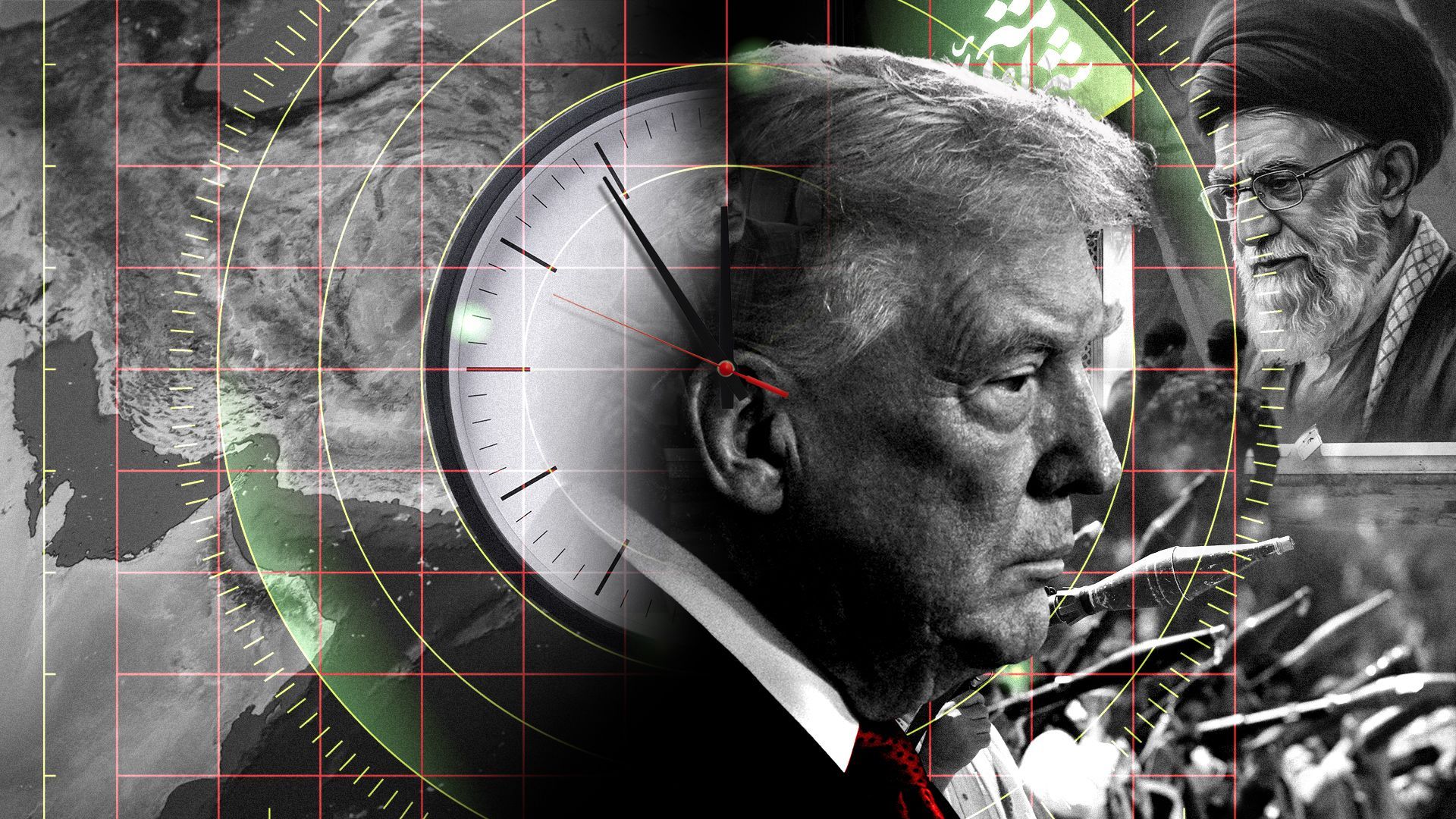
President Trump faces a momentous decision on a tight timeline: Carry out his threat to obliterate Iran's infrastructure beginning tonight at 8 p.m. ET, or push his deadline again to give negotiations a chance, Axios' Barak Ravid writes.
- Why it matters: Trump has threatened to destroy every bridge and power plant in Iran, among other options that would have devastating consequences for ordinary Iranians and spark retaliation across the region.
Mediators from Pakistan, Egypt and Turkey are working to avert that outcome by brokering a deal — or at least putting time back on the clock.
- "If the president sees a deal is coming together, he'll probably hold off. But only he and he alone makes that decision," a senior administration official told Axios. A defense official said they were "skeptical" there would be any extension this time around.
- This account is based on interviews with six officials and sources with direct knowledge of the ongoing diplomacy or Trump's thinking.
🔎 Behind the scenes: Trump might be the most hawkish person in the top echelons of his administration on Iran, according to a U.S. source who spoke to him several times in recent days.
- "The president is the most bloodthirsty, like a mad dog," another U.S. official said, downplaying stories that Defense Secretary Pete Hegseth or Secretary of State Marco Rubio were egging him on. "Those guys sound like the doves compared to the president."
- Trump has started sounding out advisers and confidants about the plan to strike power plants and bridges by asking them: "What do you think of Infrastructure Day?"
Breaking it down: Trump's negotiating team — Vice President JD Vance, Steve Witkoff and Jared Kushner — thinks he should try to get a deal now if possible.
- Israeli Prime Minister Benjamin Netanyahu, the leaders of Saudi Arabia and the UAE, and political allies like Sen. Lindsey Graham (R-S.C.) are urging Trump not to agree to a ceasefire unless Iran makes concessions that currently appear unlikely, like reopening the Strait of Hormuz or relinquishing all highly enriched uranium.
The other side: Iran gave a 10-point response to the current peace proposals yesterday.
- A U.S. official described it as "maximalist," but the White House saw it as a negotiating gambit, not a rejection.
The mediators told the White House they're working with the Iranians on amendments and redrafting. They also cautioned that Iranian decision-making is very slow, so an extension of the deadline might be needed.
- Trump's advisers told the mediators the president needs to see positive indications from the Iranians to consider an extension.
🎤 Trump laid out a dire vision of Iran's near future during his press conference, while adding that a deal was still possible.
- "The entire country could be taken out in one night, and it might be tomorrow night," Trump said.
- "We have a plan where every bridge in Iran will be decimated by 12 o'clock tomorrow night. Where every power plant in Iran will be out of business, burning, exploding and never to be used again. I mean complete demolition by 12 o'clock, and it will happen over a period of four hours if we wanted to," Trump said. "We don't want that to happen."
On the other hand, Trump said negotiations were "going fine" and stressed the U.S. has "an active, willing participant on the other side" that is "negotiating in good faith."
2. 🎲 "The Axios Show": Kalshi says "good thing" for U.S. to step in

It's a good thing for insider traders and other bad actors on prediction markets to be caught and punished by regulators, Kalshi CEO Tarek Mansour and co-founder Luana Lopes Lara tell Dan Primack in a new episode of "The Axios Show."
- Why it matters: Operators like Kalshi and Polymarket are under pressure to root out suspected incidents of insider trading, particularly on matters like politics, war, sports and entertainment, Axios' Nathan Bomey writes.
Between the lines: The Commodity Futures Trading Commission regulates Kalshi in the U.S. Mansour said if there were a yes/no market on his own platform on whether the CFTC would pursue an insider trading case in the next 12 months, he expects the answer would be "yes."
- "Our job as an exchange and the job of regulators" is to "flag these bad actors and detect and deter," he said.
- As prediction markets grow, Mansour sees feds cracking down on offenders as natural — even welcome: "It's a good thing."
3. 👀 Exclusive: Haberman, Swan coming in June
A Truth Social post last month had Washington and media insiders scratching their heads: Why exactly had President Trump attacked The New York Times' Maggie Haberman and some of her "associates" — when everyone in the West Wing knew that she and her reporting partner, Jonathan Swan, had been on book leave for months?
- Now it can be told: Haberman and Swan were on the president's radar because the two supremely wired reporters, stars of the news organization the president is most obsessed with, have been working for more than two years on a book that's causing high anxiety in Trumpworld.
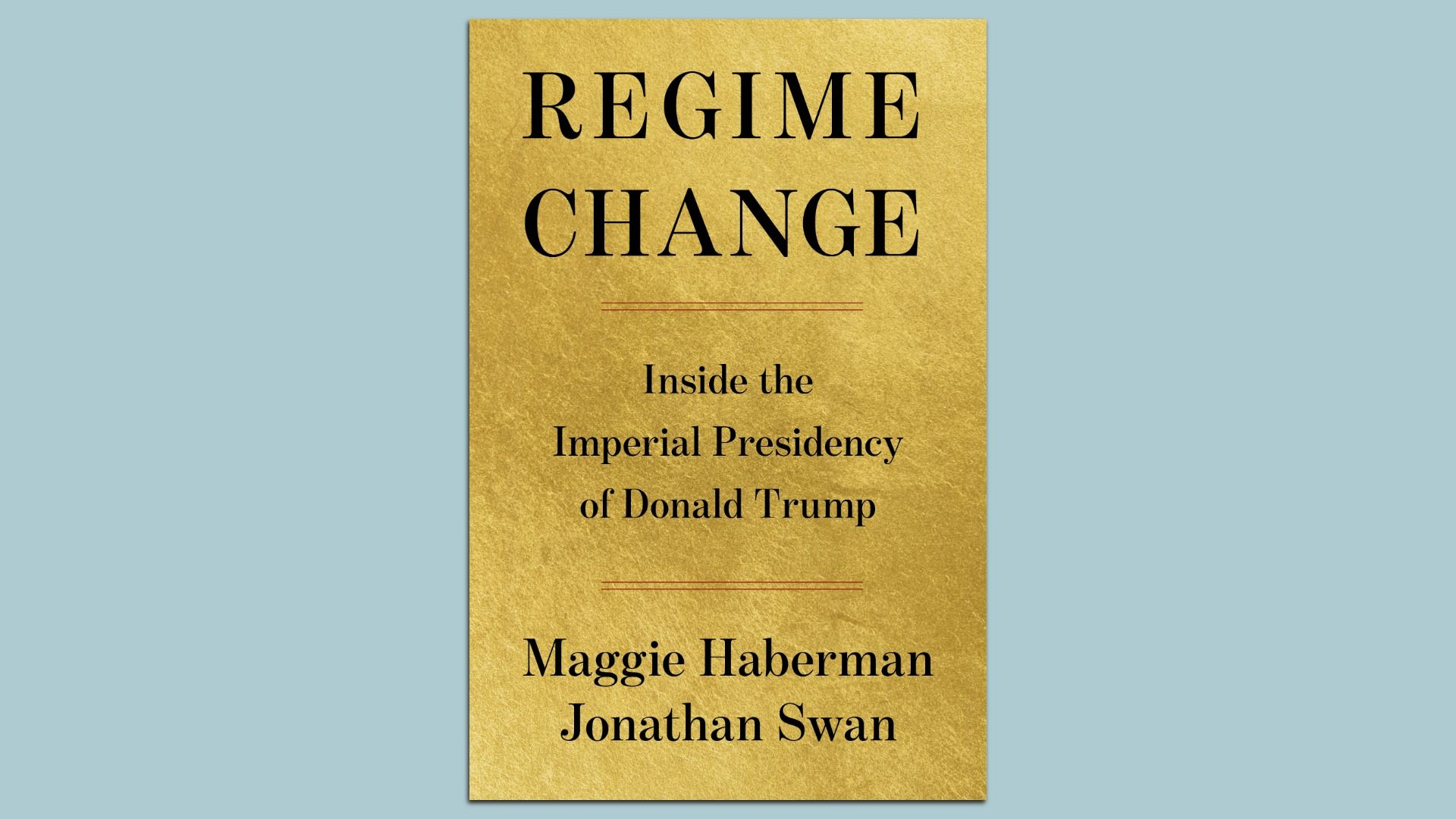
🍿 The book is complete, and Axios can reveal its title: "Regime Change: Inside the Imperial Presidency of Donald Trump." It'll be out June 23 from Simon & Schuster.
- The cover is clad in gold. Publishing sources say they've conducted something like 1,000 interviews. It's the Trump book that even Trump is waiting for.
The title gives a clear clue about the book's thesis. For generations, American journalists have parachuted into foreign capitals to chronicle regime change. Swan and Haberman concluded they were covering one at home.
- The publisher's announcement says "Regime Change" takes you inside secret deliberations of a president who has "fundamentally altered the nature of the office he holds — and, with it, how the rest of the world understands American power."
👂 Behind the scenes: I hear that over the past few weeks, there have been private conversations in the senior ranks of the administration about leaks to Haberman and Swan from meetings in the Oval Office and Situation Room — including from this year.
- Maggie — author of the 2022 bestseller, "Confidence Man: The Making of Donald Trump and the Breaking of America" — kept her role as a CNN contributor while working feverishly on the book (and mostly resisting her compulsion to file the breaking news that courses through her laptop).
- Jonathan, talking to sources deep into the night, hasn't been seen on TV since he plunged into the book.
On March 16, three days after that Truth Social post, Haberman and Swan were spotted in the West Wing. I'm told the president answered their questions in the Oval Office for an hour.
4. 🌒 Latest pic: Amazing Moon

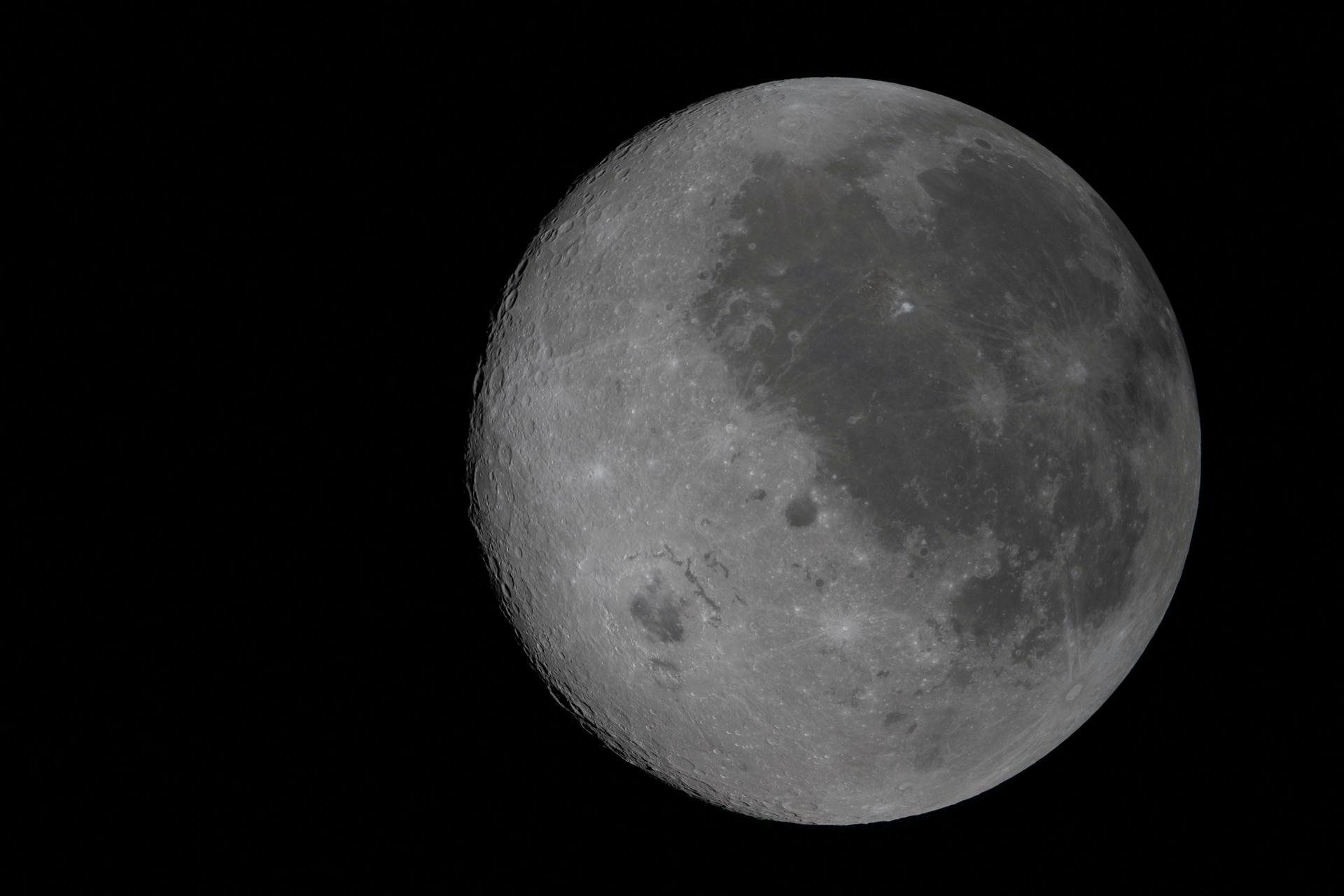
Artemis II set a new human spaceflight record last night, with the four astronauts aboard traveling 252,756 miles from the rest of us here on Earth, Alex Fitzpatrick writes.
- The Orion spacecraft got within about 4,000 miles of the Moon, giving the crew the first chance to observe the lunar surface with human eyes from orbit in over half a century.
📡 An expected radio blackout on the far side of the Moon left the quartet truly alone in the deep blackness of space for about 40 minutes.
- The crew spotted meteors and impact flashes from space rocks hitting the lunar surface.
☀️ The four astronauts were also treated to a solar eclipse nearly an hour long, letting them see the solar corona, stars and Earthshine (reflected light from Earth).
- NASA pilot Victor Glover said on the agency's live broadcast: "Earthshine is very distinct, and it creates quite an impressive visual illusion."
🌖🚀🌎 What's next: The Artemis crew will continue collecting lunar data and observations even as Orion swings Earthbound.
- The four are expected to splash down Friday evening in the waters off San Diego. Weather could always change those plans.
5. 🦾 AI's impact starting to show up

AI's job market impact is starting to show up in the data. So far, it's modest but real, Axios Markets author Emily Peck writes.
- New reports from Morgan Stanley and Goldman Sachs put a giant asterisk on fears of a white-collar bloodbath fueled by AI.
Zoom in: Goldman Sachs scored jobs by AI exposure, separating roles that can be completely substituted by AI (proofreader) and those that can be considered complementary (doctor).
- AI reduced employment in occupations that are easily substituted by AI. But it increased employment in jobs that are "augmented" by AI — roles that rely on things that machines cannot replace, like human judgment.
By the numbers: Overall, AI raised the unemployment rate by just 0.1 percentage point, per Goldman.
- Morgan Stanley came to a similar conclusion.
👓 Case in point: Ten years ago, the godfather of AI, Geoffrey Hinton, famously said: "We should stop training radiologists now. It's just completely obvious that within five years, deep learning is going to do better than radiologists."
- Instead, radiologists have broadly adopted AI and are using the tools to do their jobs better, as The New York Times reported last year.
- The number of radiologists has increased, and their pay has gone up, since Hinton's comments.
6. 💼 Changing labor math


For decades, the U.S. economy needed more than 100,000 new jobs a month just to keep the unemployment rate from rising.
- That threshold has now collapsed toward zero, Axios Macro co-author Courtenay Brown writes.
It reflects three key changes:
- 👶 The youngest baby boomers are reaching retirement age.
- 👵 Smaller generations are aging into the workforce.
- ✈️ Restrictive immigration policy includes deportations and fewer new workers from abroad.
7. 🥊 MAGA's global test
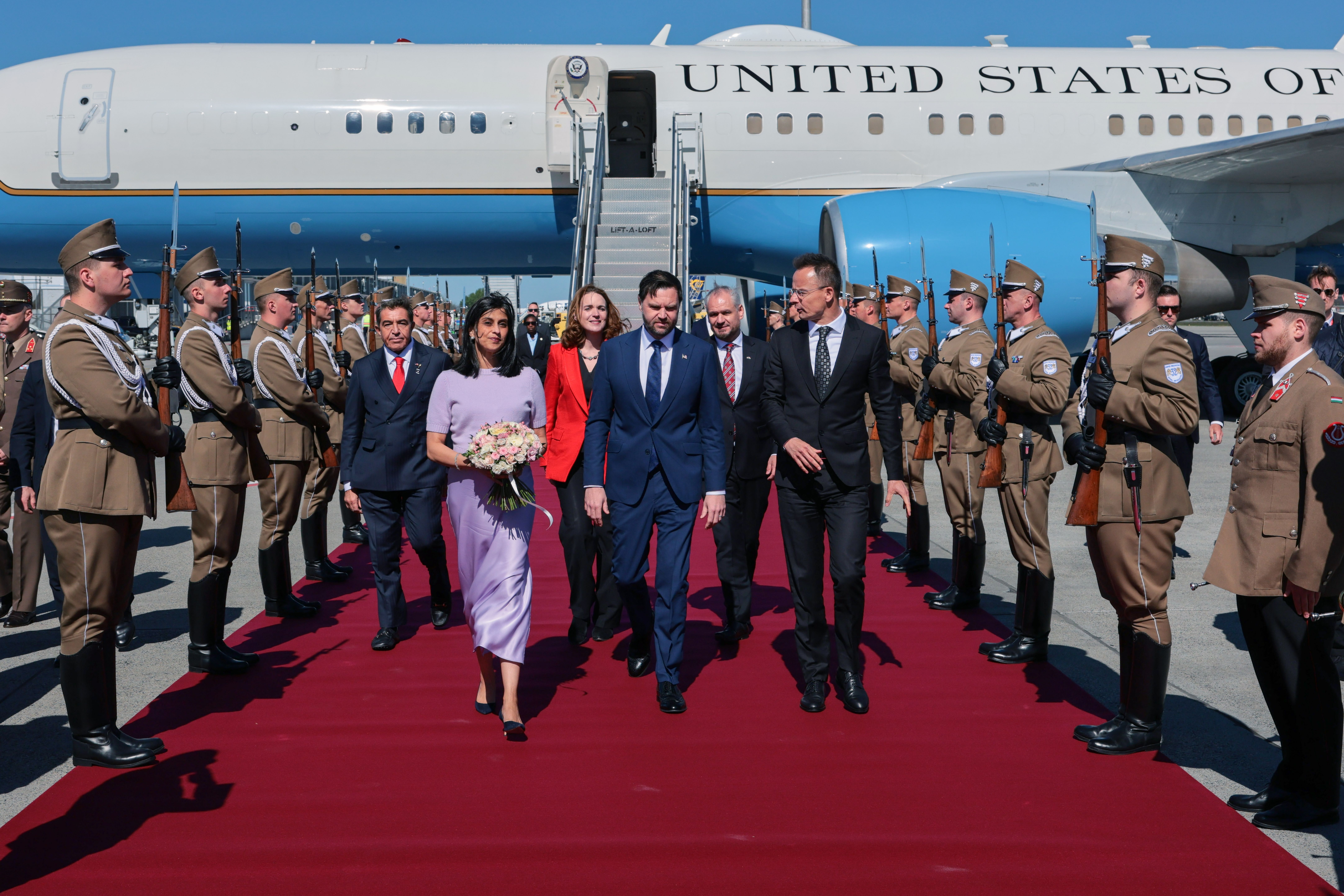
🇭🇺 Breaking: BUDAPEST, Hungary (AP) — Vice President JD Vance arrived in Hungary's capital today in a bid to turn the tide of the Sunday election. Long-serving Prime Minister Viktor Orbán, a close ally of President Trump, is trailing in the polls.
Vice President Vance today plunges into Europe's most volatile election in years — a Hungarian campaign engulfed by spy scandals, sabotage and unprecedented peril for MAGA's favorite foreign ally, Axios' Zachary Basu writes.
Why it matters: Viktor Orbán is the cornerstone of President Trump's vision for Europe. The pro-Kremlin, anti-EU strongman has spent 16 years building a template for Christian nationalist rule now embraced by the American right.
- Trump's national security strategy openly calls for "cultivating resistance" in Europe by empowering nationalist forces like Orbán's. His defeat would shatter that model at its source.
Vance arrives in Budapest with a clear mission: Boost Orbán as an indispensable U.S. ally in the fight against migration and the liberal European order.
- Orbán has led Hungary since 2010, systematically reshaping its courts, media and electoral maps to entrench his party's power — a playbook the European Parliament has called "electoral autocracy."
- His challenger, former ally Péter Magyar, has channeled voter anger over corruption and a struggling economy into the most serious threat to Orbán's rule in years.
🌐 The big picture: Sunday's election in Hungary is exposing a rare geopolitical convergence. The U.S. and Russia are both intervening to try to keep Orbán in power, while the EU and Ukraine are eager to see him gone.
💡 Into that maelstrom walks the vice president of the United States, staking MAGA's global credibility on the survival of Europe's most controversial strongman.
8. 🏀 The road ends: Michigan muscle
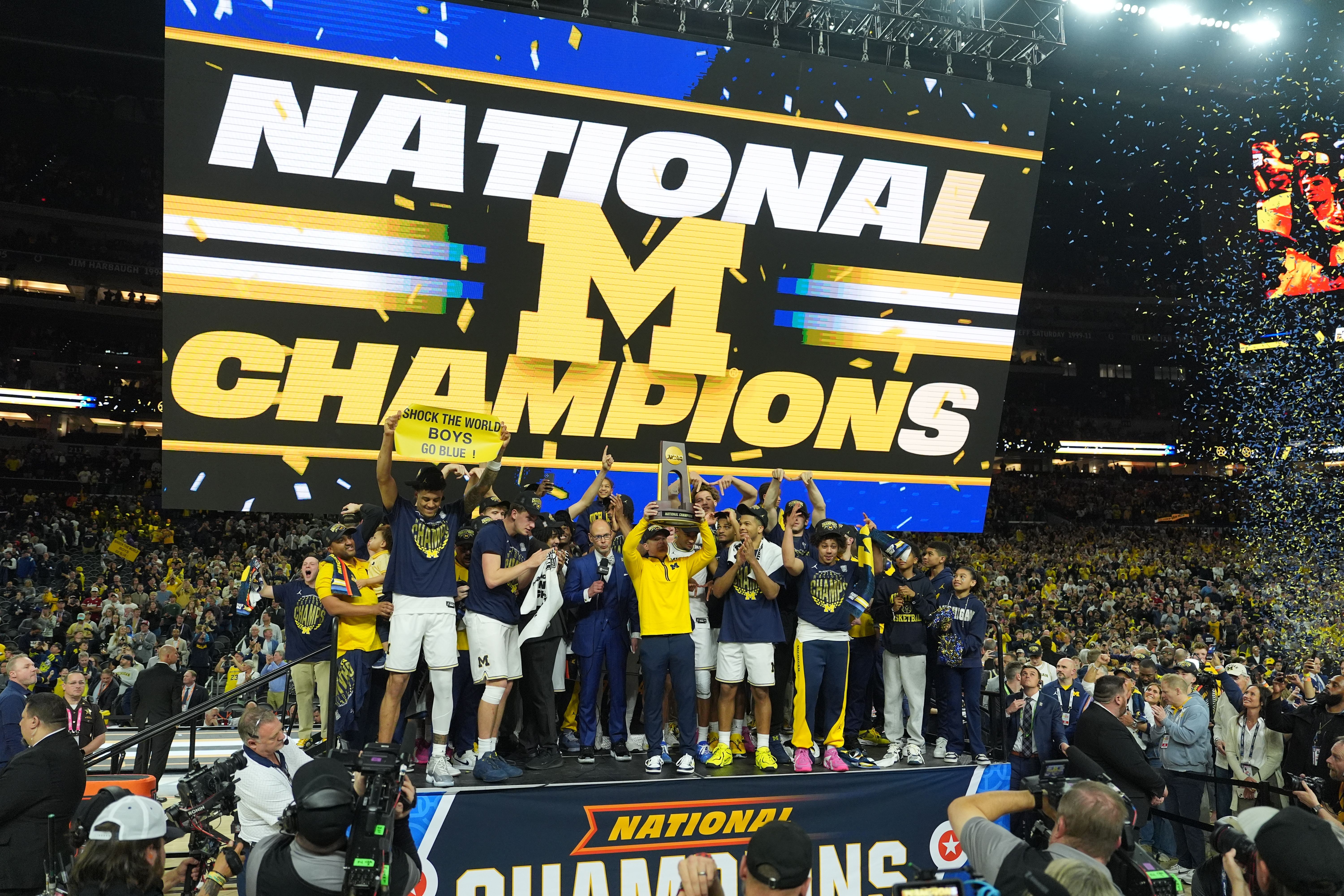
Michigan beat UConn 69–63 last night to win its first men's college basketball national championship since 1989, ending the Big Ten's 26-year title drought.
- The Wolverines won despite shooting 2-for-15 from the three, boosted by near-perfect free-throw shooting (25-of-28).
UConn fell just short of becoming the first program to win three titles in four years since UCLA's seven-peat in the '60s and '70s.
- Watch "One Shining Moment." ... Gamer.
📬 Thanks for reading! Please invite your friends to join AM.
Sign up for Axios AM