Axios AM

June 28, 2025

1 big thing: Unprecedented new precedents
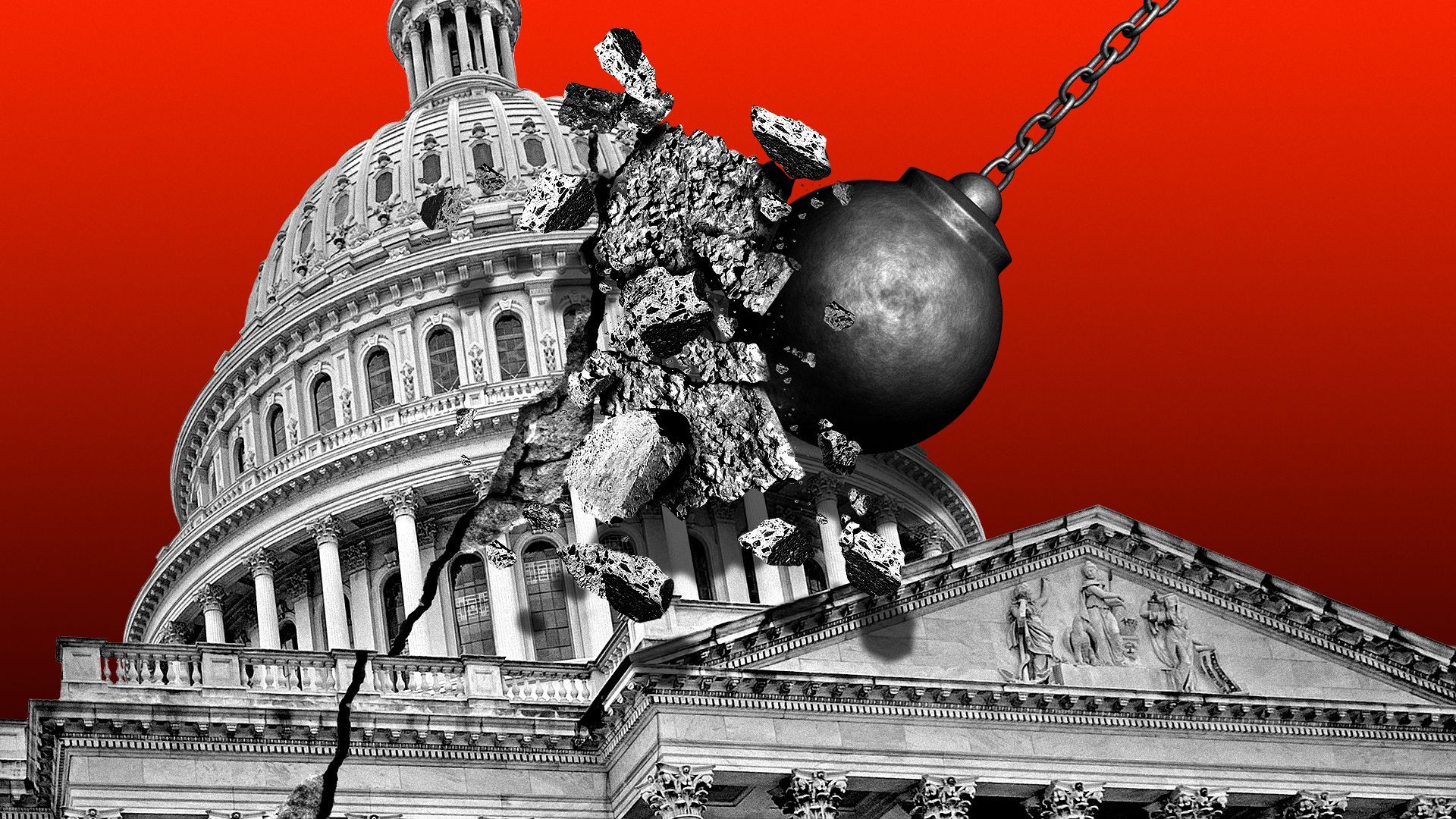
Through silence or vocal support, House and Senate Republicans are backing an extraordinary set of new precedents for presidential power they may come to regret if and when Democrats seize those same powers.
- Why it matters: New precedents are exhilarating when you're in power — and excruciating when you're not, Jim VandeHei and Mike Allen write in a "Behind the Curtain" column.
🔎 Here are 10 new precedents, all established with minimal GOP dissent, being set by President Trump + Congress + courts:
- Presidents can limit the classified information they share with lawmakers after bombing a foreign country without the approval of Congress.
- Presidents can usurp Congress's power to levy tariffs, provided they declare a national emergency.
- Presidents can unilaterally freeze spending approved by Congress, and dismantle or fire the heads of independent agencies established by law.
- Presidents can take control of a state's National Guard, even if the governor opposes it, and occupy the state for as long as said president wants.
- Presidents can accept gifts from foreign nations, as large as a $200 million plane, even if it's unclear whether said president gets to keep the plane at the end of the term.
- Presidents can actively profit from their time in office, including creating new currencies structured to allow foreign nationals to invest anonymously, benefiting said president.
- Presidents can try to browbeat the Federal Reserve into cutting interest rates, including by floating replacements for the Fed chair before their term is up.
- Presidents can direct the Justice Department to prosecute their political opponents and punish critics. These punishments can include stripping Secret Service protections, suing them and threatening imprisonment.
- Presidents can punish media companies, law firms and universities that don't share their viewpoints or values.
- Presidents can aggressively pardon supporters, including those who made large political donations as part of their bid for freedom. The strength of the case in said pardons is irrelevant.
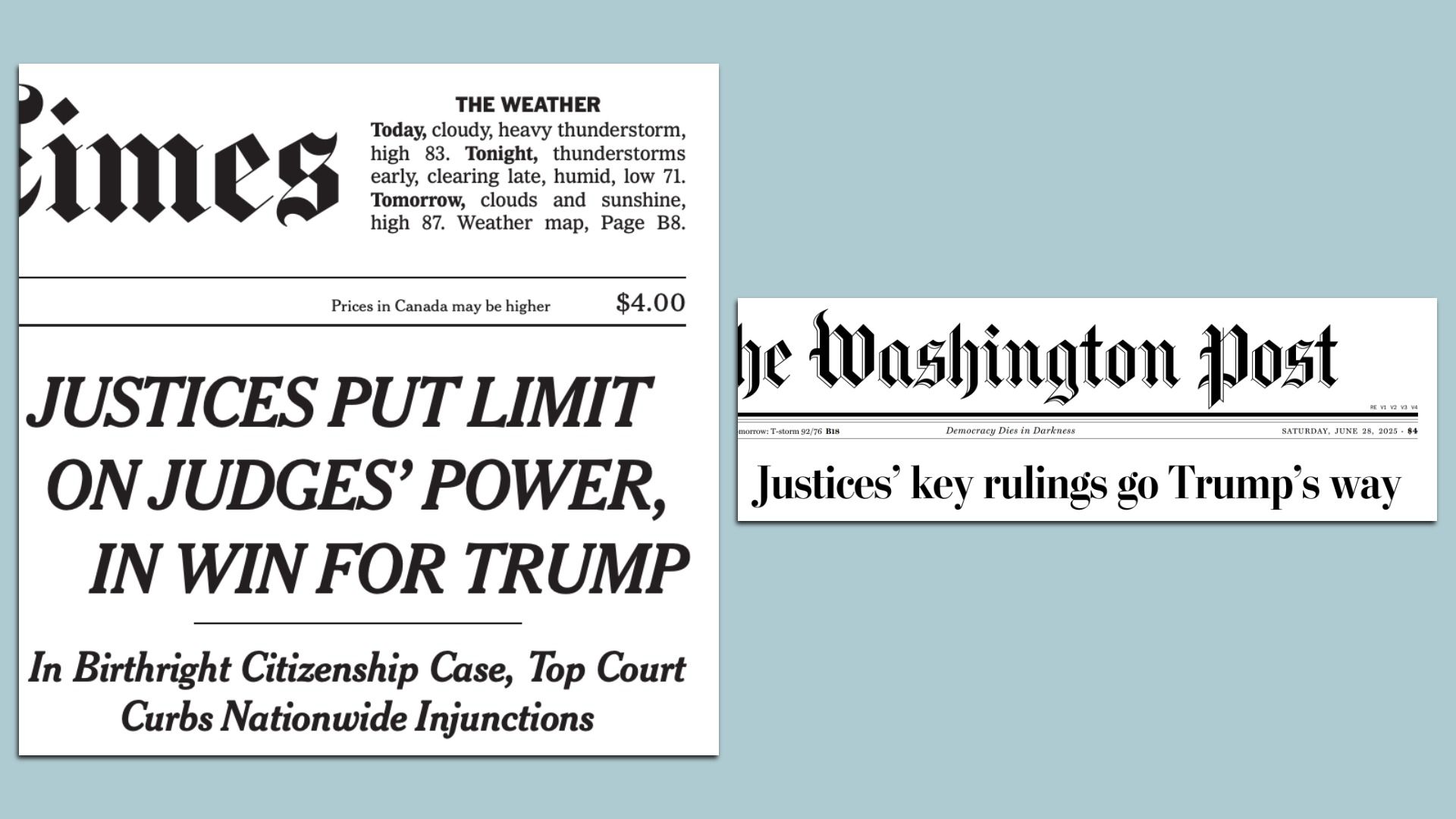
👀 Between the lines: Yesterday's Supreme Court ruling limiting nationwide injunctions — a decision widely celebrated by Republicans — underscores the risks of partisan precedent-setting.
- Conservatives sped to the courts to block many of President Biden's signature policies — and succeeded.
But taking those broad injunctions off the table now means they'll also be unavailable the next time a Democratic president pushes an aggressive agenda.
- That future president will be able to keep implementing even legally shaky policies — just as Trump now can.
🔮 What to watch: Trump previewed some of those policies at a celebratory press conference yesterday, saying the Supreme Court's ruling cleared the way for executive actions that had been "wrongly enjoined on a nationwide basis."
- They include ending birthright citizenship for the children of undocumented immigrants, terminating funding for "sanctuary cities," suspending refugee resettlement, and blocking the use of federal funds for gender-affirming care.
Axios Zachary Basu contributed reporting.
2. 🦾 "The List"
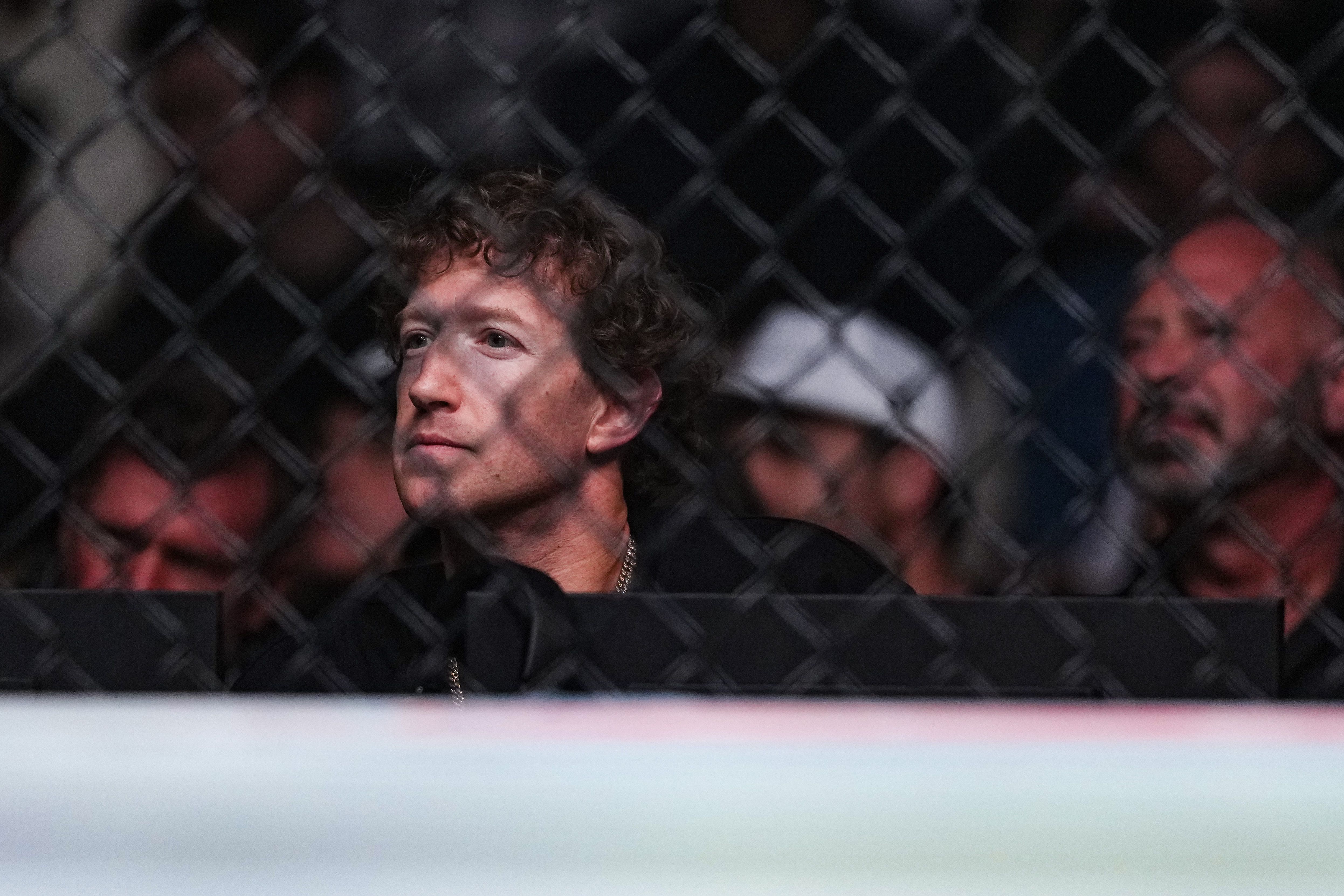
Mark Zuckerberg has spent months putting together, "The List," a handpicked roster of the most talented engineers and researchers in AI — and Silicon Valley is buzzing over it, The Wall Street Journal reports (gift link).
- The big picture: Tech CEOs and venture capitalists are locked in an arms race to recruit this tiny group of researchers whose once-obscure specialties have suddenly become some of the most sought-after skills in the Valley.
🥊 Nobody is as committed as Zuckerberg, "who has tried to raid Silicon Valley's top research labs, dangling $100 million pay packages to a select few superstars with the hopes of poaching them," according to The Journal.
- "The billionaire CEO of Meta wants them to join his company's new lab focused on superintelligence, or AI that is smarter than humans."
Zoom in: The people on "The List" are mostly in their 20s and 30s, hold Ph.D.s from top schools like Carnegie Mellon and Berkeley and have worked at places like OpenAI and Google DeepMind. They include:
- Lucas Beyer, a multimodal vision-language researcher
- Yu Zhang, an automatic speech recognition specialist
- Misha Bilenko, an expert in large-scale machine learning
💼 Between the lines: Everyone on "The List" knows each other, and they're loyal to each other.
- As they weigh joining Meta's AI lab, they're talking to each other and trying to suss out who else is on the list. Some are pitching themselves as package deals, and others are using their spots on "The List" as the ultimate leverage to get lavish counteroffers from their current employers, The Journal reports.
3. 🚨 Attacks on Muslims flood mainstream
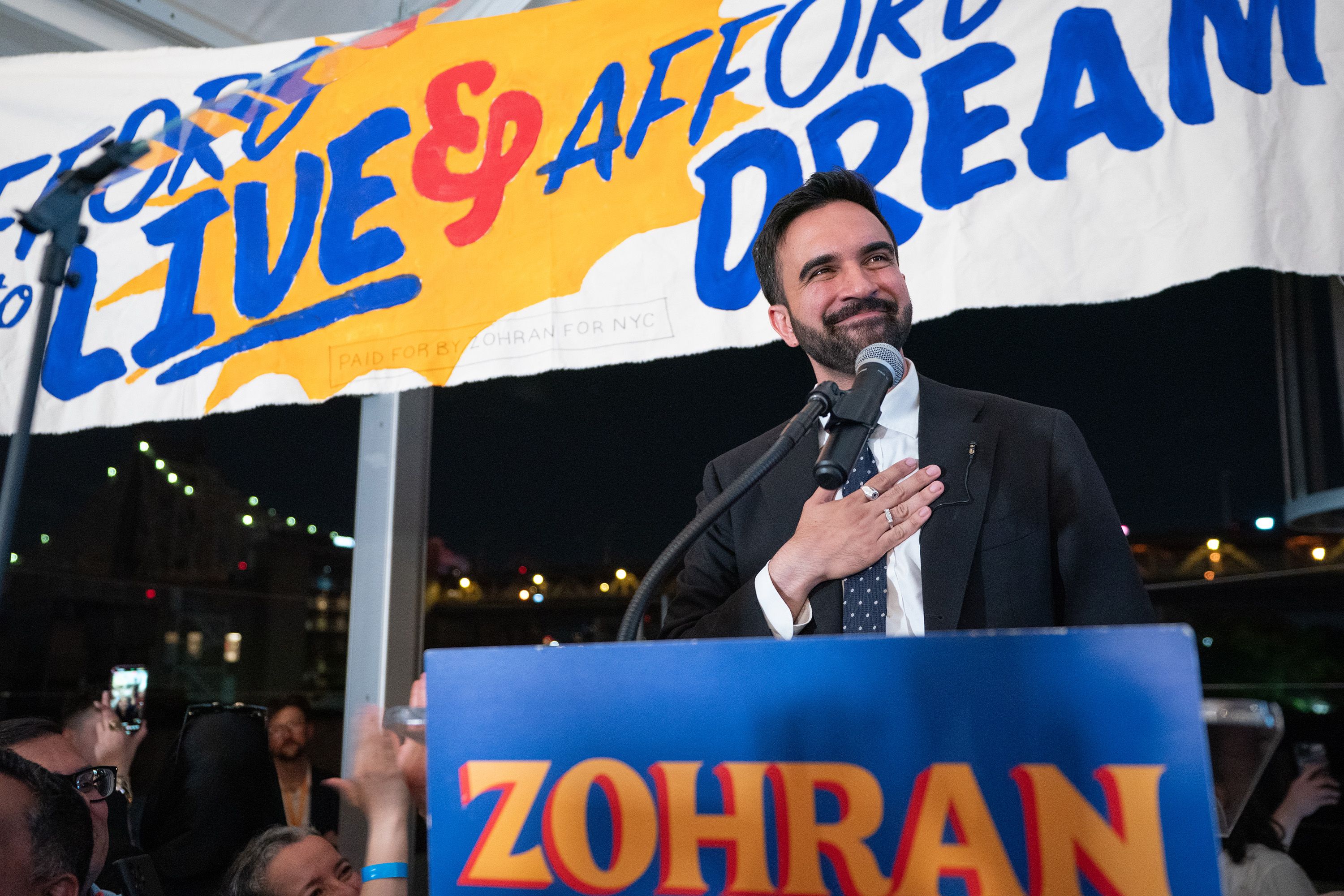
Zohran Mamdani's victory in New York City's Democratic mayoral primary triggered a wave of Islamophobic attacks — including from sitting members of Congress — that once might have disqualified the perpetrators from public office.
- Why it matters: Openly racist rhetoric has become normalized at the highest levels of American politics, Axios' Russell Contreras reports.
🔎 Between the lines: The fractured media ecosystem — splintered into hyperpartisan echo chambers — has made the public shaming of racism less effective.
- Attacks that once would have drawn bipartisan outrage now circulate with impunity — especially on social media platforms, where hate can go viral.
Driving the news: Rep. Andy Ogles (R-Tenn.) urged the Justice Department to denaturalize and deport Mamdani, who was born in Uganda and became a U.S. citizen in 2018.
- Under federal law, denaturalization is an extreme measure typically reserved for cases involving fraud during the naturalization process.
- "Zohran 'little muhammad' Mamdani is an antisemitic, socialist, communist who will destroy the great City of New York. He needs to be DEPORTED," Ogles posted on X.
The big picture: Islamophobic and antisemitic incidents both reached an all-time high in 2024, according to the Council on American-Islamic Relations and the Anti-Defamation League, respectively.
- The mainstreaming of Islamophobic rhetoric in political discourse comes a decade after President Trump called for "a total and complete shutdown of Muslims entering the United States" as part of his 2016 campaign.
Catch up quick: Mamdani, a 33-year-old democratic socialist, defeated former New York Gov. Andrew Cuomo by assembling a young, multiracial coalition in one of the nation's largest and most diverse cities.
- That coalition included progressive Jewish voters in Manhattan, college-educated liberals in Brooklyn's Park Slope and working-class communities in Queens.
📱 MAGA activists and Republican lawmakers took to social media to attack Mamdani's faith, heritage and left-wing politics.
- Rep. Marjorie Taylor Greene (R-Ga.) posted an AI-generated image of the Statue of Liberty wearing a black burqa.
- Rep. Nancy Mace (R-S.C.) tied Mamdani's victory to what she called America's "forgetting" of the 9/11 terrorist attacks.
"Wow. Just wow," James Zogby, co-founder of the Arab American Institute, told Axios after reviewing the posts.
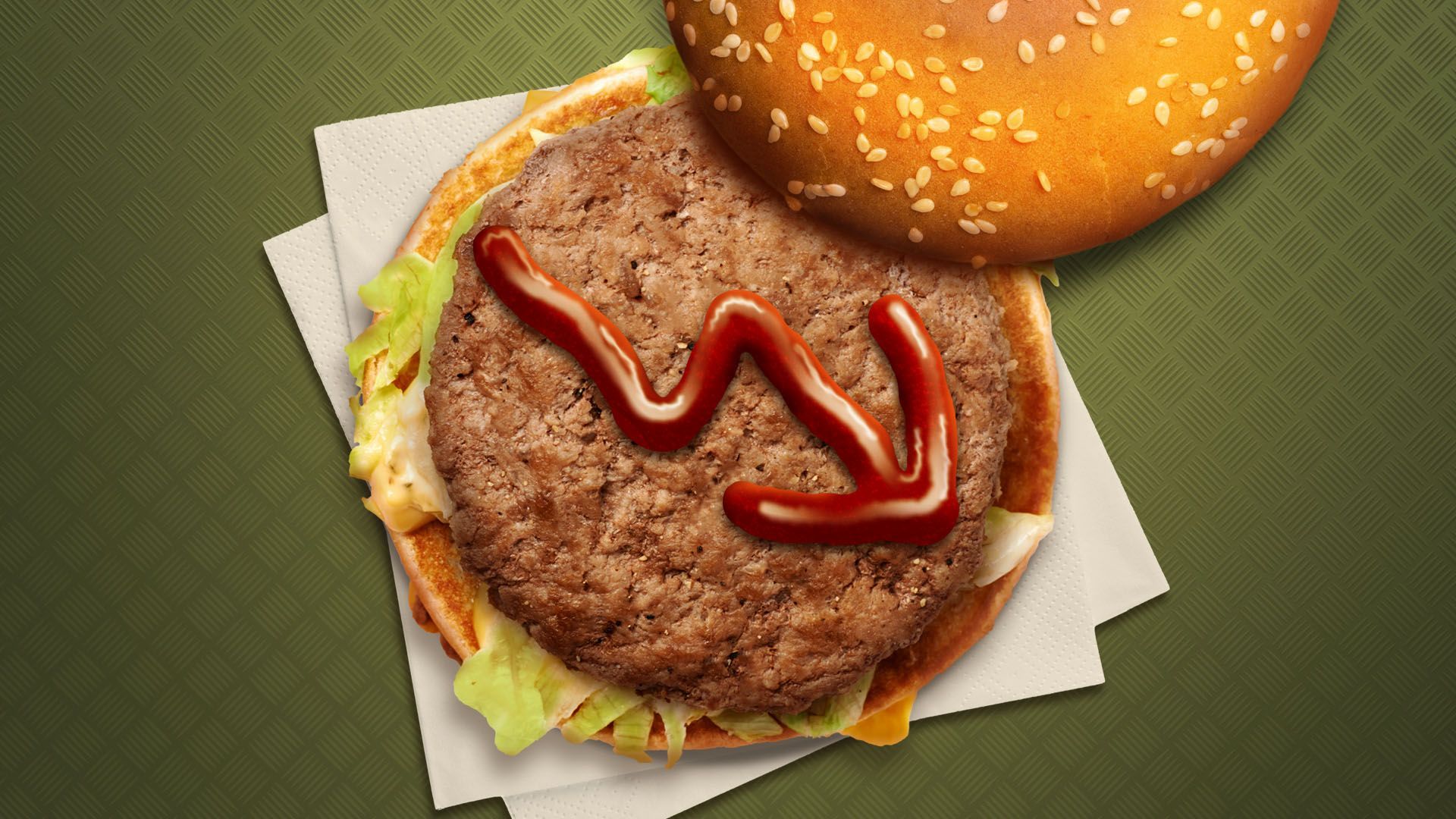
4. 🍟 Data du jour: Fast food slump
5. 🏛️ Senate's do-or-die moment
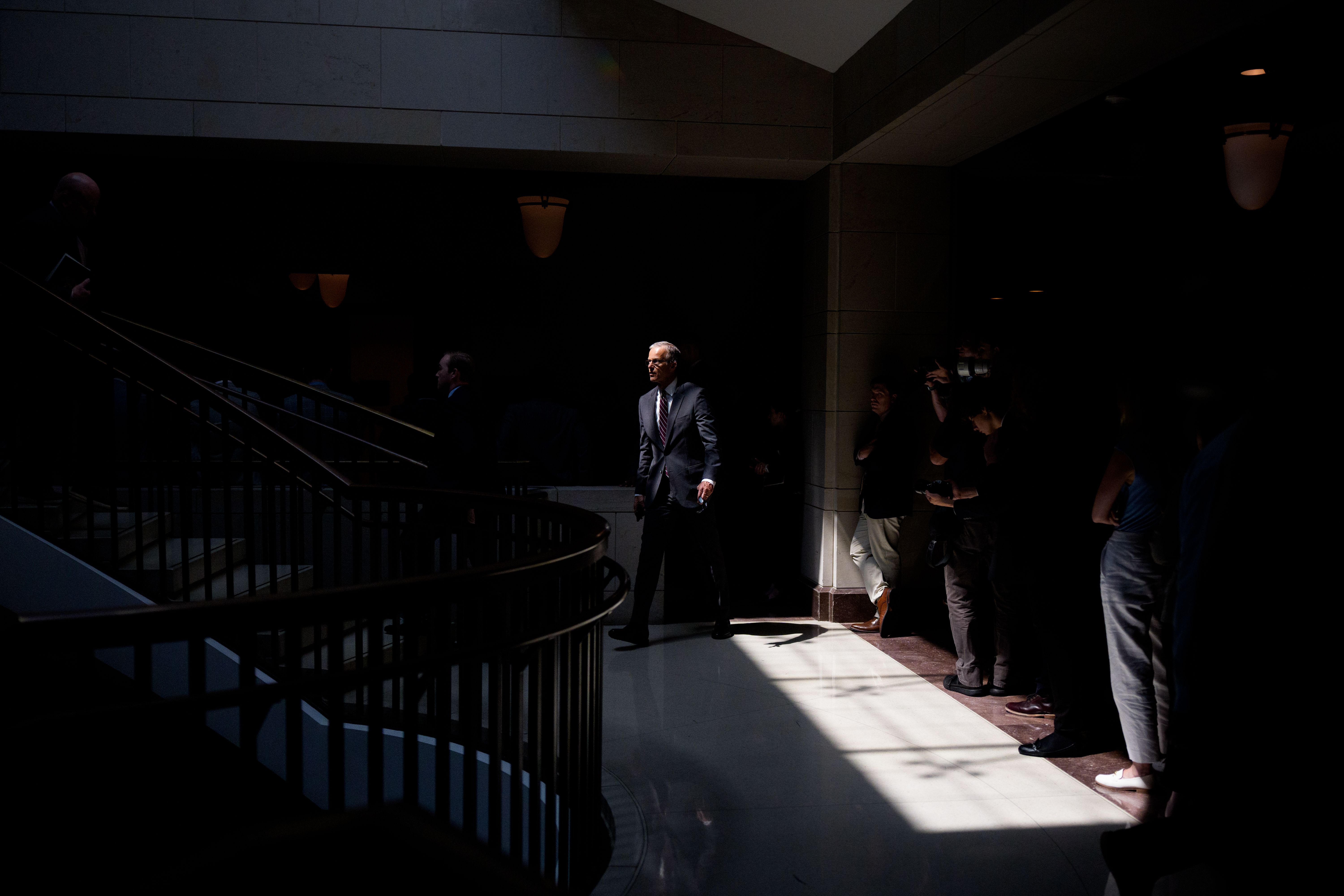
Senate Majority Leader John Thune is about to make GOP holdouts decide if they're really willing to torpedo President Trump's signature legislative agenda ahead of his July 4 deadline.
- Why it matters: Each hard-fought deal at this point risks blowing up another. But leaders are ready to force holdouts' hands and get this thing done, Axios' Stef Kight reports.
Zoom in: The Senate wants to start voting on the "big, beautiful bill" this afternoon.
- As of yesterday evening, the Senate parliamentarian was still making rulings.
🔭 What to watch: There are lingering concerns about Medicaid.
- Sen. Thom Tillis (R-N.C.) told us he did not see any substantial changes to Medicaid that would alter his analysis of the impact on his state. Asked about a vote today, he said, "It doesn't matter to me, if the baseline doesn't change, I'm a no."
There also is a growing possibility of floor fights — with senators seeking to strike unpopular parts of the bill via amendments.
6. 🤖 Emotional support bot

7. 🏠 Magnet cities

8. 👰🏻 1 for the road: The Bezoses
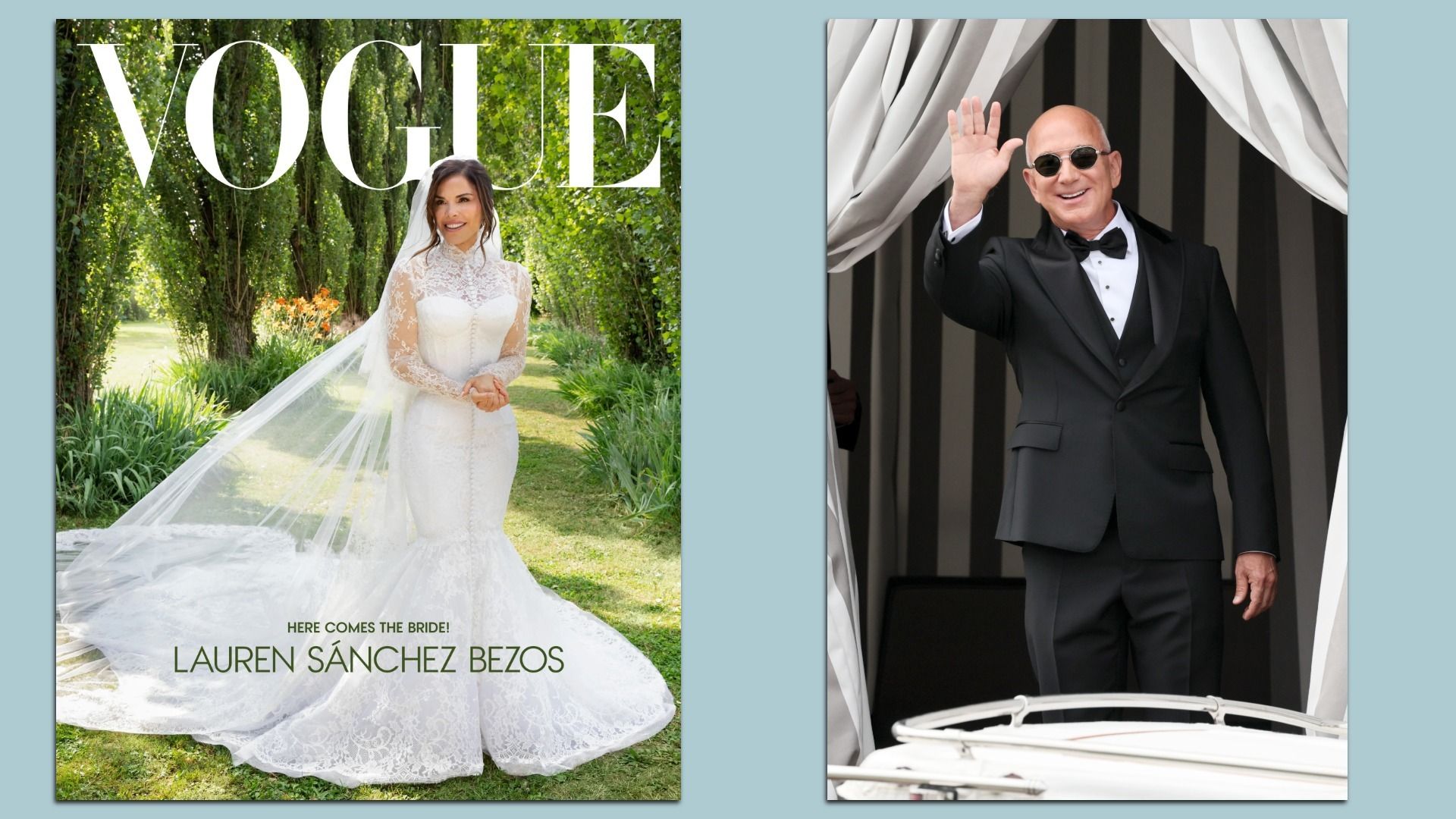
Jeff Bezos and Lauren Sánchez tied the knot in front of Fortune 100 CEOs, superstar athletes and Hollywood royalty on Venice's secluded San Giorgio Maggiore island last night.
- Paparazzi spotted Oprah Winfrey, Kim Kardashian, Ivanka Trump, Tom Brady, Bill Gates, Queen Rania of Jordan, Leonardo DiCaprio and many other A-listers riding through Venice's canals to the ceremony, AP reports.
Stunning stat: Luca Zaia, president of the Veneto region, was first to give an estimated tally for the bash. He told reporters this week the most recent total he saw was between 40 million and 48 million euros (up to $56 million).
- The logistical hurdles that come with planning such a huge event in Venice mean it will cost triple what the same wedding would cost in Rome or Florence, Jack Ezon, CEO of Embark Beyond, a luxury travel company, told AP.
Axios AM