Axios AM

May 29, 2025

1 big thing: Trump's trade nightmare
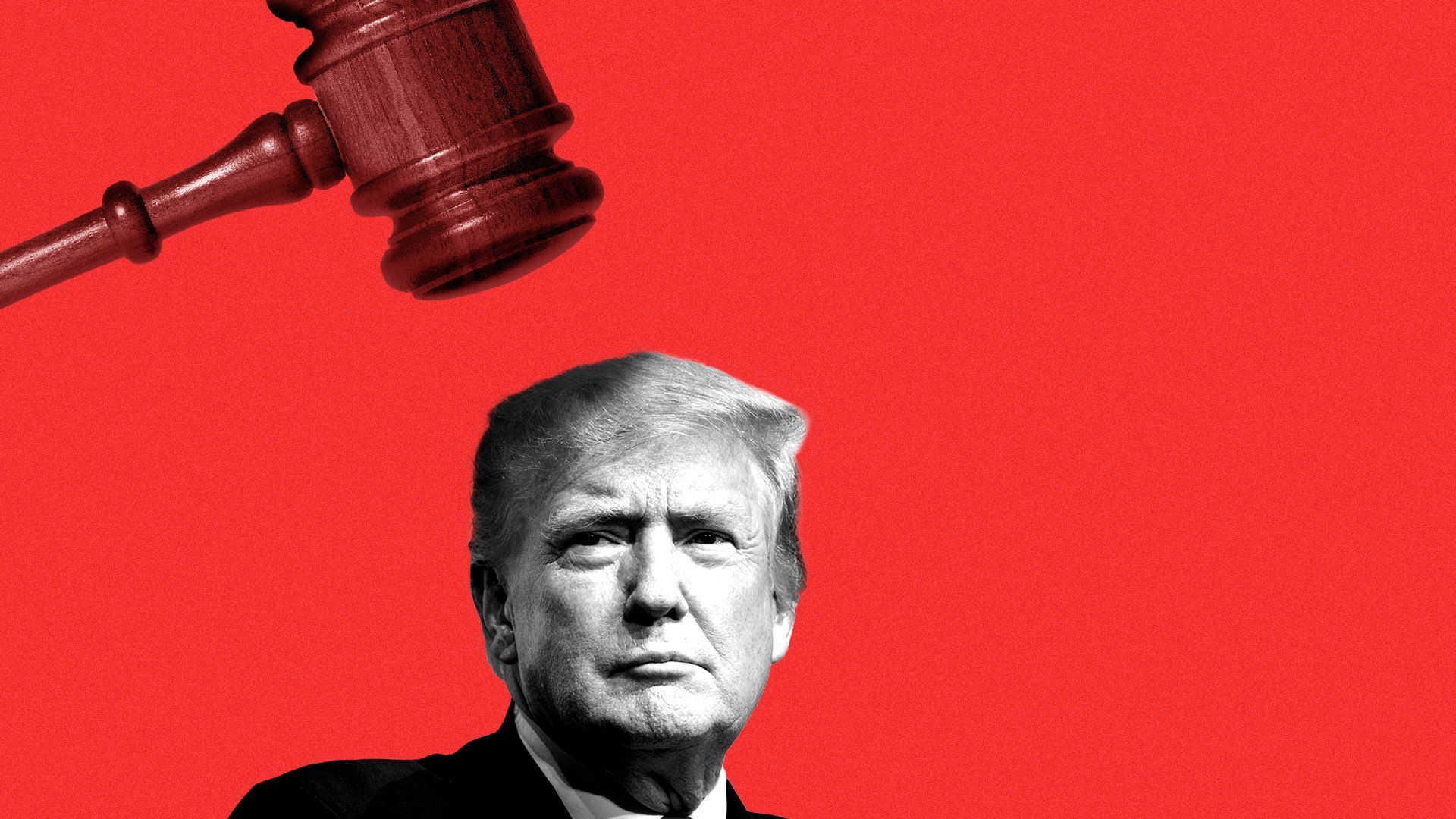
An obscure federal court blew up the cornerstone of President Trump's agenda last night, unleashing more chaos on the global economy and all but wiping out his leverage with trading partners, Axios' Ben Berkowitz and Courtenay Brown write.
- Why it matters: At least for now, it turns out the legal system — not the bond market, nor weak economic indicators — is the biggest restraint on Trump's trade agenda.
🔎 Zoom in: A three-judge panel of the Court of International Trade — Reagan, Obama and Trump appointees — ruled that Trump does not have the authority to impose sweeping tariffs under 1970s-era emergency legislation.
- In fact, the judges said an injunction wasn't enough — they issued a summary judgment invalidating and blocking almost all of Trump's trade levies to date.
Those levies were vast: A 10% global baseline tariff, fentanyl-related tariffs on China, Canada and Mexico and (paused) reciprocal tariffs on dozens of other countries.
- They had effectively raised U.S. tariff rates to their highest levels since the 1930s, and threatened to cost American households thousands of dollars in higher goods costs.
The big picture: Tens of thousands of containers full of goods enter the United States every day.
- What levies, if any, to assess today, versus yesterday, is a mess that could snarl commerce across the country for days to come.
💸 Follow the money: The levies, while causing huge economic strain, were also generating significant revenue for the government — almost $23 billion so far this month.
- They were meant to be the cornerstone of the administration's fiscal plans. Just yesterday, trade adviser Peter Navarro wrote in an op-ed that tariffs would generate up to $3.3 trillion in revenue over the next decade.
The other side: Not all the income will disappear. Tariffs imposed under a different legal authority called Section 232 — including on imports of autos, steel and aluminum — are unaffected by the ruling.
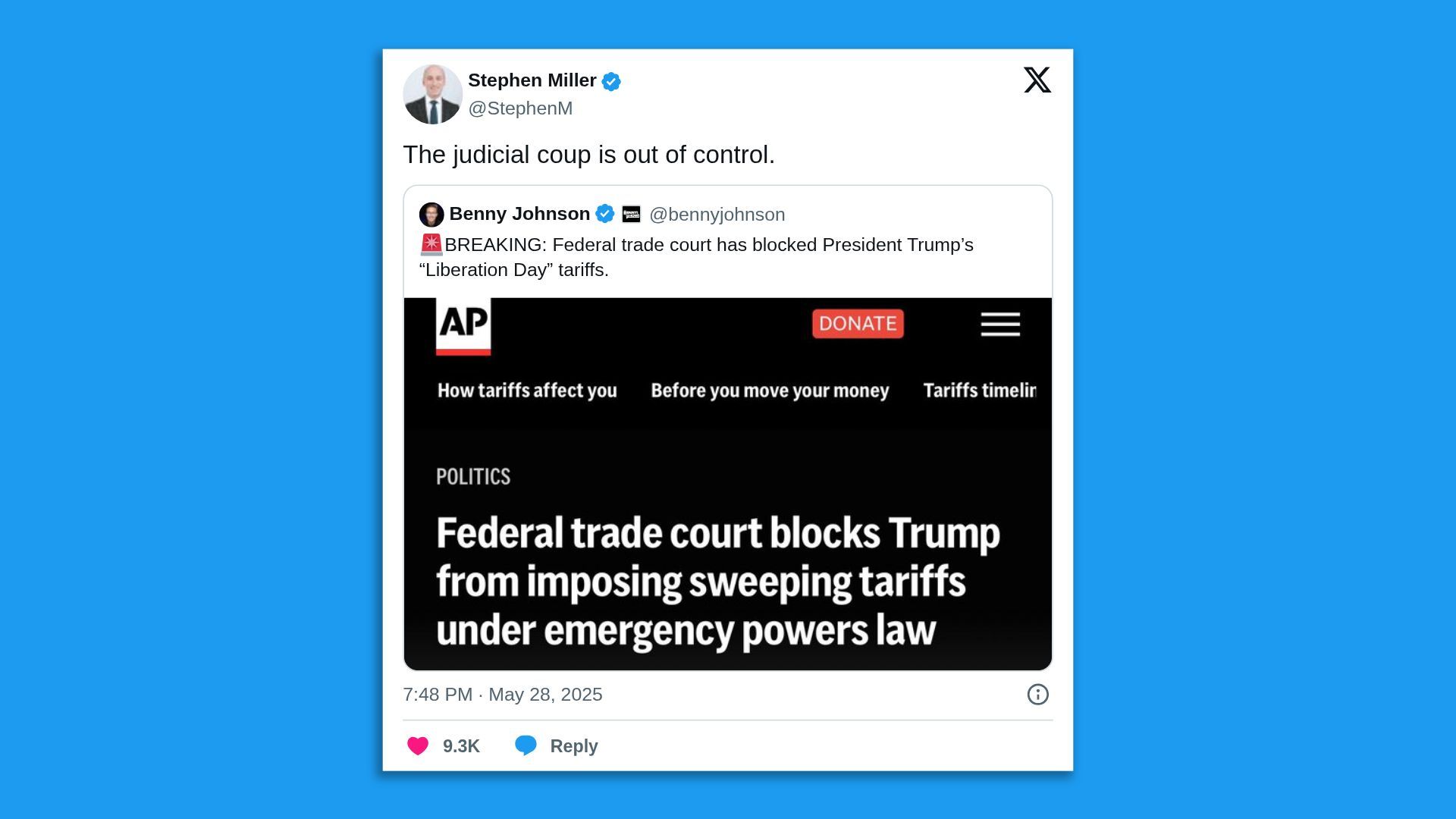
🗯️ For the record: White House spokesperson Kush Desai said in a statement: "It is not for unelected judges to decide how to properly address a national emergency."
- "President Trump pledged to put America First, and the Administration is committed to using every lever of executive power to address this crisis and restore American Greatness."
- The administration filed a notice of appeal just minutes after the ruling.
The bottom line: Trump previously declared the U.S. was like a department store, and he set the prices.
- Three little-known judges just put him out of business, and upended global commerce in the process.
2. ⚡ Musk eyes reputation rehab
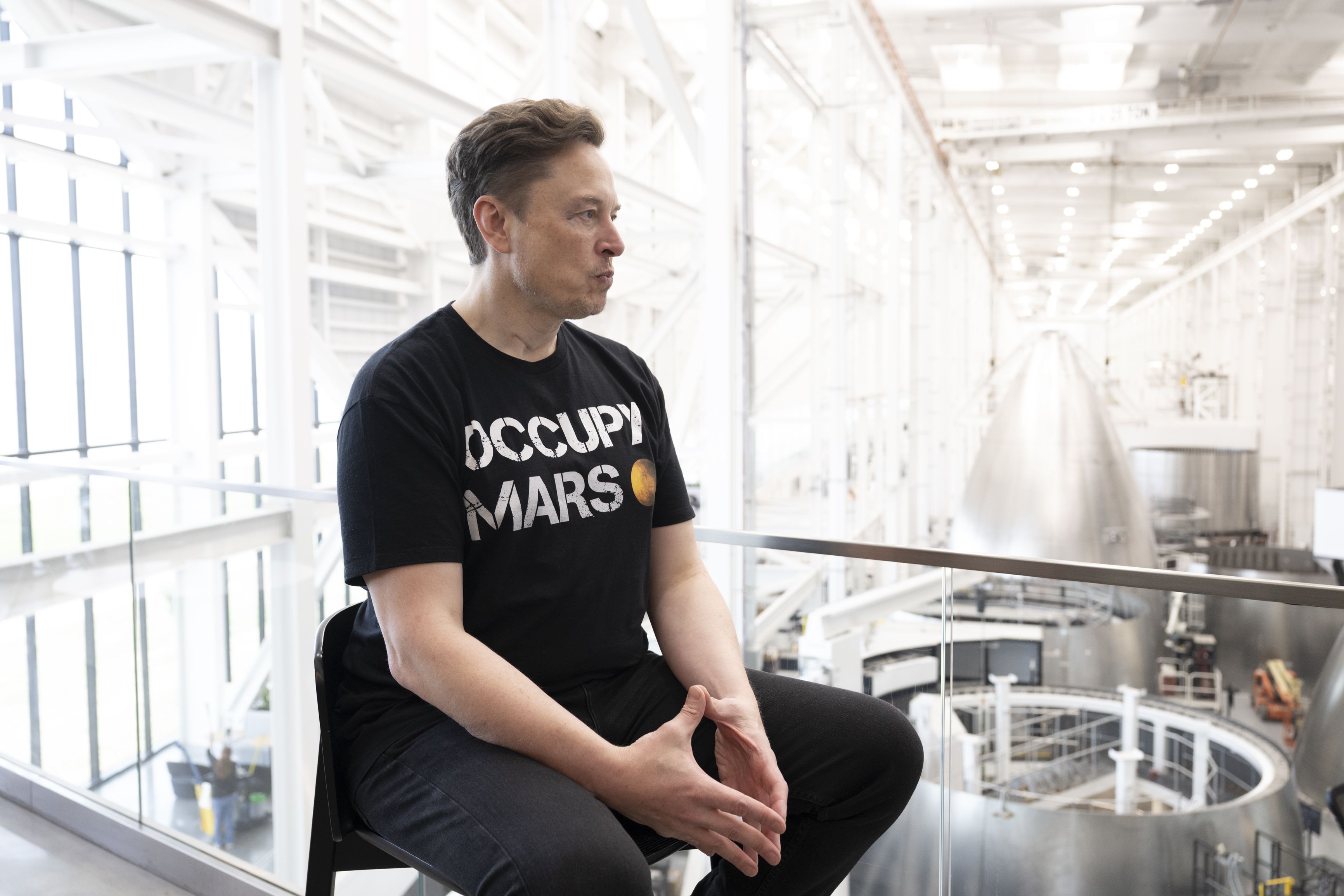
Elon Musk pivoted to damage control in his final days as a "special government employee," publicly recommitting to Mars, cars and robots after a bruising year in the political limelight, Axios' Zachary Basu writes.
- Why it matters: The billionaire CEO confirmed last night he is departing the Trump administration, though he will remain one of President Trump's most influential outside advisers.
By scaling back the time and money he spends on politics, Musk is seeking to claw back the credibility he torched during his toxic tenure in Washington.
- That won't be easy: SpaceX and Tesla saw their brand reputations crater over the past year, with the latter enduring violent protests and a steep drop in sales as a result of Musk's activism.
Still, Musk is clear-eyed about the task ahead — and has already taken steps to distance himself from Trump in a rare series of interviews over the last several days.
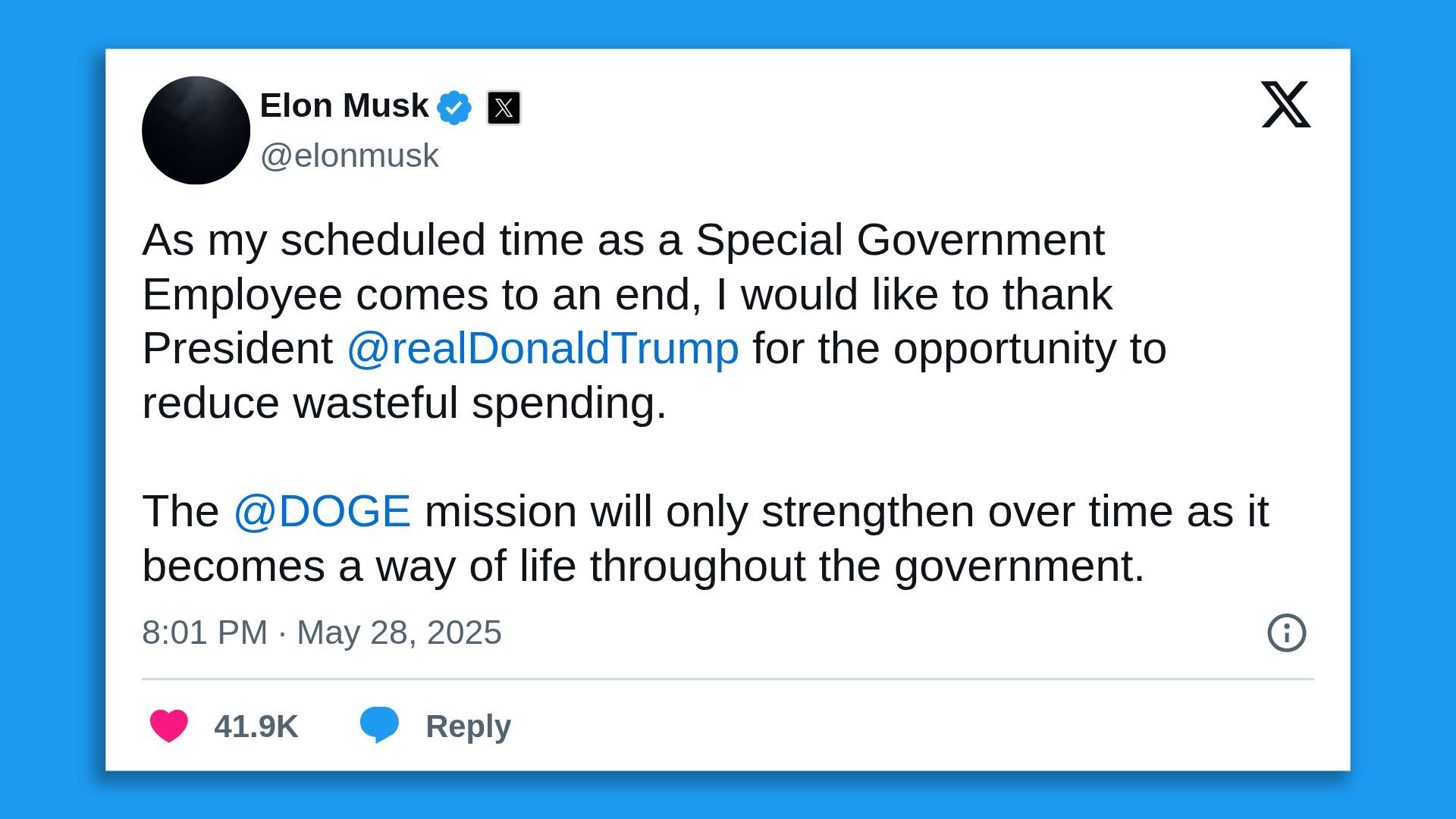
🔭 Zoom in: Musk told "CBS Sunday Morning" that he's "disappointed" by the "massive spending bill" passed by the House last week, arguing that it "undermines" the work of his DOGE team.
- In an interview with The Washington Post at his space base in Texas, Musk conceded that DOGE's efforts to slash the federal bureaucracy — including an original goal of $2 trillion in savings — proved far more challenging than he expected.
Between the lines: Musk's media blitz has functioned as part exit interview, part image rehab — an attempt to reassert his identity as an engineering visionary after a year mired in political scrutiny.
- In an interview with Ars Technica, he went deep on detail — waxing poetic about SpaceX's long-term goals before admitting he "probably did spend a bit too much time on politics."
3. 🤖 MAGA jumps on AI jobs bloodbath

4. 🇨🇳 New Trump target: Chinese student visas
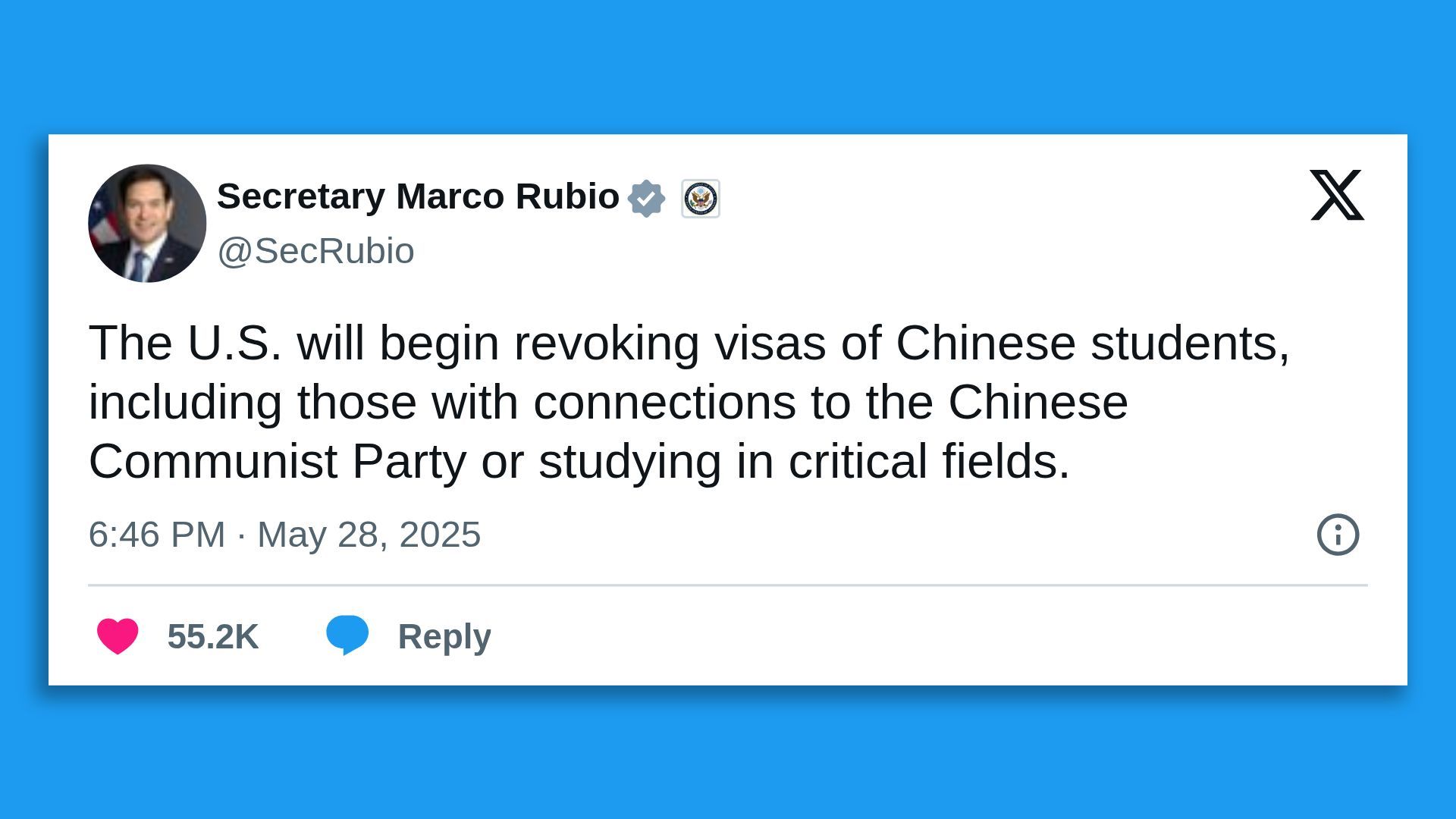
Secretary of State Marco Rubio said yesterday the U.S. will begin to "aggressively revoke" visas for Chinese students, Axios' Sareen Habeshian and Marc Caputo write.
- Why it matters: One senior Trump administration official confirmed to Axios that the order applies to all students from China, noting that Rubio's announcement coincides with trade negotiations between the two countries.
"Everything is connected," the official said.
- More than 270,000 Chinese citizens study at American schools, making up roughly a quarter of all foreign students in the U.S.
5. Scoop: Gulf leaders told Trump they oppose Iran strikes
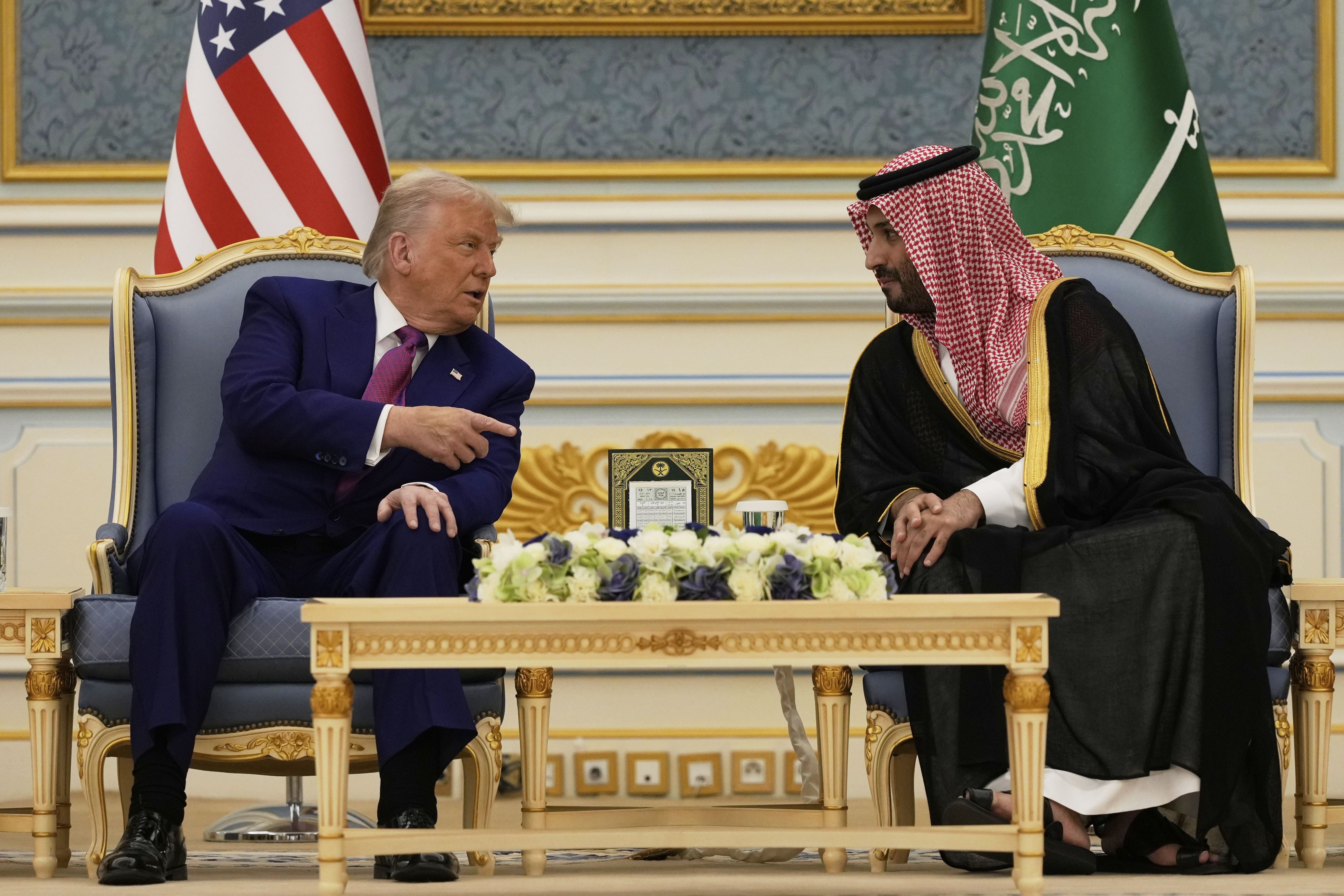
The leaders of Saudi Arabia, Qatar and the United Arab Emirates all argued against a strike on Iran's nuclear facilities during President Trump's recent visit and encouraged him to continue pushing for a new nuclear deal, Axios' Barak Ravid reports.
- Why it matters: Saudi Arabia, the UAE and other Gulf states opposed a nuclear deal in 2015. Now they're among the most enthusiastic supporters of diplomacy.
At the time, the Saudis and Emiratis quietly backed Israeli Prime Minister Benjamin Netanyahu's public fight against then-President Obama on the Iran deal and his threats to attack Iran.
- Now, they're worried Netanyahu will pull the trigger, or that Trump will give up on talks and opt for a military option himself.
☎️ State of play: Trump confirmed yesterday that he cautioned Netanyahu during a call last Thursday against ordering a strike on Iran's nuclear facilities, as Axios first reported.
- He said he believes the Iranian nuclear crisis can be solved with "a very strong document," which could be signed within the next two weeks.
6. 🧬 China's biotech boom
7. 🎒Trump targets school desegregation plans
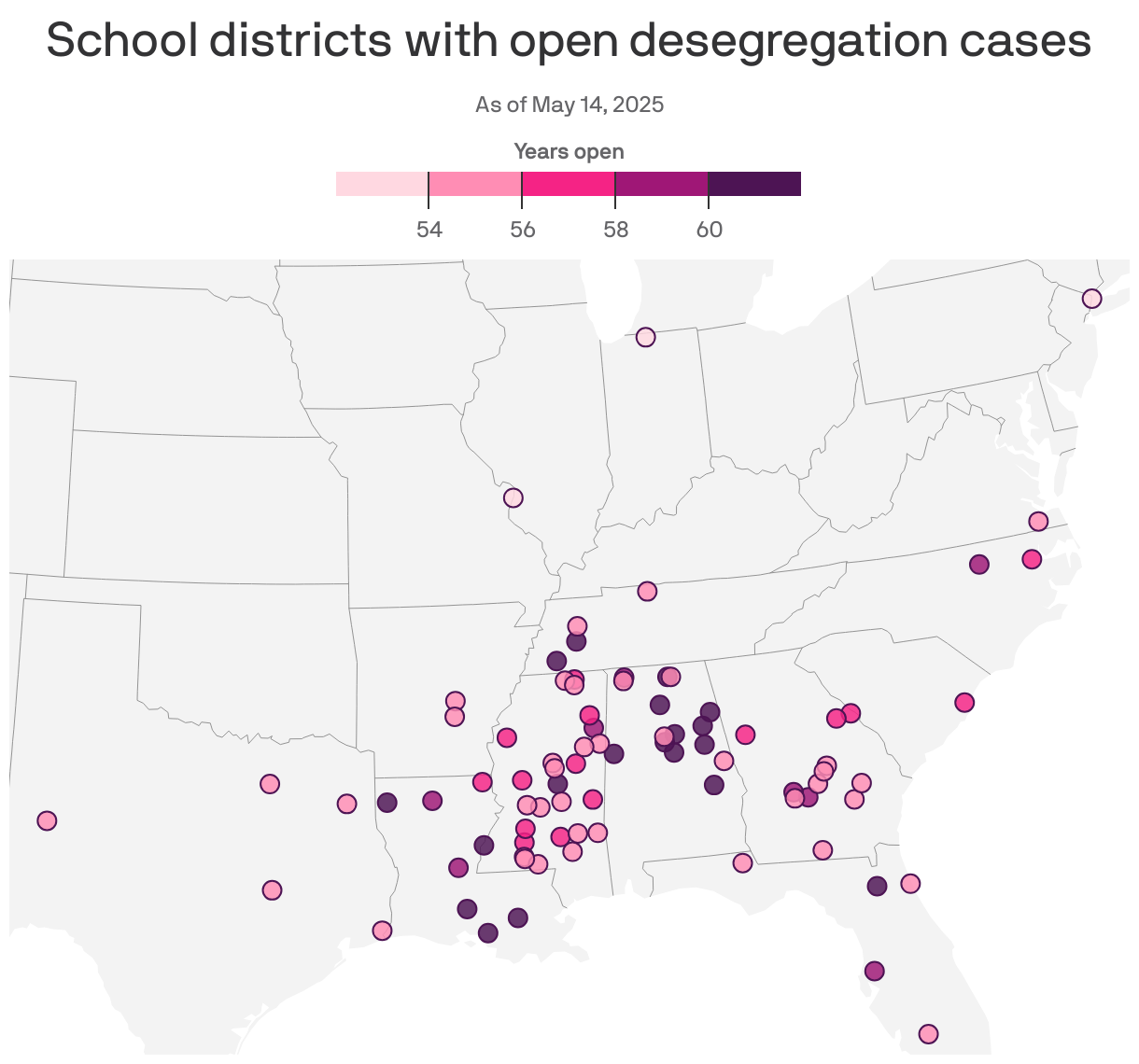
The Trump administration is signaling it wants to ditch federal desegregation efforts in public school systems — a move that would end much-debated programs mainly aimed at improving education opportunities for nonwhite students, Axios' Russell Contreras writes.
- Why it matters: Lifting desegregation policies set by federal rules and court orders — some of them a half-century old — could lead to a wide range of changes in more than 80 school systems Axios has identified as still being under such requirements.
Those systems, primarily in the South, would no longer have to follow policies that set flexible transfer rules, school boundary guidelines, diversity hiring goals, and requirements for equal resources among schools, for example.
8. 🍾 1 for the road: D.C.'s private club surge

Washington's private club landscape — both the old guard and the new guard — is booming, Axios D.C.'s Mimi Montgomery writes.
- Why it matters: Four prominent D.C. clubs — newcomers, the Executive Branch and Ned's Club, and the old-school Metropolitan Club and Cosmos Club — are expanding, have waitlists, or a combo of the two, The N.Y. Times' Elisabeth Bumiller reports.
Executive Branch, a Trump-centric private club opening in Georgetown next month, will run you as much as $500,000 to be a member.
- Don't expect to find typical Beltway figures there, White House crypto czar David Sacks tells The Times — think "a fake news reporter" or "a lobbyist," aka people "we don't know and we don't trust."
At Ned's Club, which opened downtown in January, members include Treasury Secretary Scott Bessent, MSNBC's Symone Sanders Townsend, CNN's Kaitlan Collins and Phil Rucker, and The Wall Street Journal's Josh Dawsey.
Axios AM