Axios AM

August 10, 2025

π₯ Happy Sunday! Smart Brevityβ’ count: 1,994 words ... 7Β½ mins. Thanks to Erica Pandey for orchestrating. Edited by Donica Phifer.
- Erica is in Ann Arbor, Mich., soaking up the last weeks of 9 p.m. Midwest summer sunsets. Mike hopped on a Northeast Regional yesterday and is in New York, New York, to see nephew Ben and his buddies.
ποΈ Situational awareness: President Trump announced on Truth Social that he'll hold a White House press conference tomorrow to " essentially, stop violent crime in Washington, D.C." Go deeper: Federal crackdown.
1 big thing: AI chokes consulting
Pour one out for the consultants. After a few booming years post-pandemic, the outlook for their industry is looking increasingly grim.
- Why it matters: AI is coming for white-collar professionals. And consultants β an often mocked, yet typically well-paid bunch β are feeling the pinch, Axios' Emily Peck reports.
π Zoom in: In Bari Weiss' The Free Press, veteran business journalist Joe Nocera makes the case for a coming "consulting crash."
- Two forces are disrupting the business of McKinsey, Bain, BCG and other notable firms, he contends. They are:
1. President Trump. The White House is cutting lucrative consulting contracts and pushing for more cuts from firms.
- Deloitte and Booz Allen announced layoffs earlier this year as a result. Accenture said federal-contract delays and cancellations have hurt revenue.
2. AI. Consulting industry experts tell Axios that ups and downs in government contracting are par for the course. AI is the real long-term threat.
- AI makes consulting more efficient, but consultancies charge by the hour. "You charge for time, and when time goes away, you have to change the commercial model," says Tom Rodenhauser, of Kennedy Intelligence, a research firm that tracks the consulting industry.
- Firms are already switching up fee structures to be tied to a project, rather than by the hour, consultants tell Axios.
π¦Ύ A good chunk of the consulting firms' traditional work: helping companies adopt software and new technology. AI is relatively simple to get up and running, although some would-be clients are looking to AI companies for that help anyway.
- "AI is creating greater efficiencies for doing consulting, but it's not driving demand for more consulting," Rodenhauser says. "Ultimately, they're going to run out of work."
Quote du jour: "If the consulting business was a stock, I'd be shorting it right now," billionaire Peter Thiel told Nocera.
- Thiel's own company, Palantir, is making inroads in the consulting business, as companies turn to it β and other tech firms β for help adapting AI. That's also cutting into the traditional consulting biz.
- The Economist said consulting stalwart McKinsey "lost its edge," in part to companies like Palantir. McKinsey recently shed more than 10% of staff β among the largest cuts in its 100-year history, the Financial Times reports($).
Kate Smaje, a senior partner and global leader of technology and AI at McKinsey, tells Axios: "We're using AI to transform the way [the] firm operates: We're on track to save thousands of hours per year for our teams ... They can use that time to come up with new ideas or do more for clients."
- And she said organizations will need McKinsey ... for help managing the AI transformation.
2. π©Ί RFK Jr.'s cuts stoke fear of lost breakthroughs
America has historically led the world in scientific innovation β driving economic growth, strengthening national security, and attracting global talent.
- But scientists, including some who served in President Trump's first administration, warn that lead could slip away under new moves by Health Secretary Robert F. Kennedy Jr., Axios' Maya Goldman reports.
Last week's mRNA divestment "risks stalling progress in some of the most promising areas of modern medicine," Jerome Adams, surgeon general in the first Trump administration, now a professor at Purdue, tells Axios.
- "Walking away from this technology now would be like pulling funding from antibiotics after penicillin or from computers after the microchip. It's short-sighted and puts us at a disadvantage globally."
β‘ Catch up quick: Kennedy said last week that HHS's Biomedical Advanced Research and Development Authority would pull nearly $500 million worth of contracts with universities, drug companies and other labs working on new mRNA vaccines.
- Scientists rebut the implication that mRNA vaccines are unsafe. The technology that brought mRNA COVID vaccines in Trump's first term has been in development for decades. Large scientific trials and real-world data have shown that the vaccines are safe and effective β and capable of training the body's immune system to create antibodies to fight a host of afflictions.
HHS, when asked for the research on which Kennedy based this decision, sent Axios a link to a citation collection put together by anti-COVID vaccine advocates.
- The CDC has endorsed mRNA COVID vaccines for most adults.
π Zoom out: Researchers are studying how mRNA technology could treat or prevent cancer, HIV, and other chronic diseases β and the science so far is promising.
- "If we stop now, we could delay or even miss the next generation of cures entirely," said Adams, the former surgeon general.
Keep reading ... Tina Reed contributed reporting.
3. π¦Ύ David Sacks' "Goldilocks" scenario
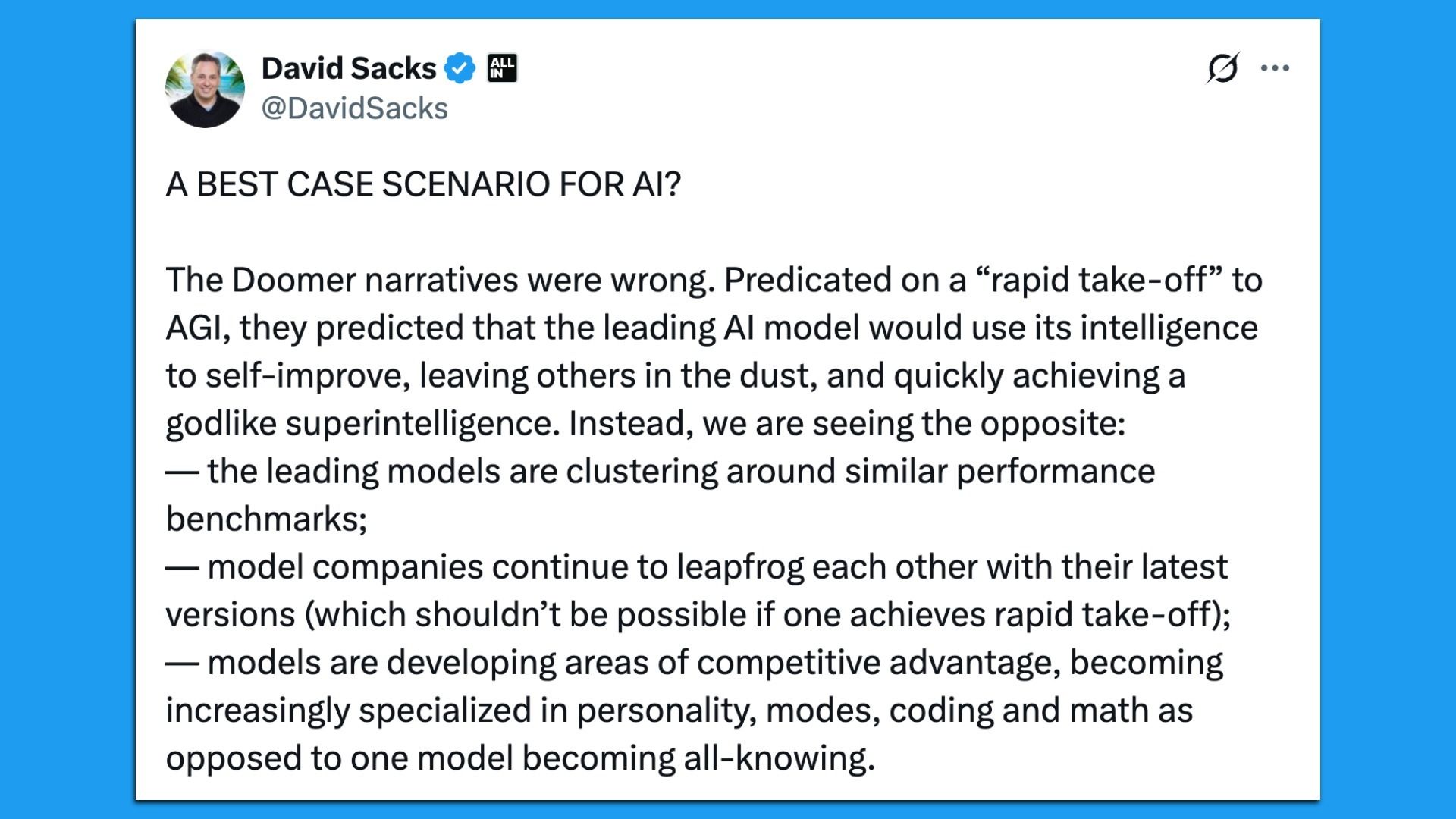
David Sacks β famed tech founder & investor, co-host of the "All-In Podcast" ("The Rainman") and now White House special adviser for AI & crypto β declared yesterday on X that "Doomer narratives were wrong" about AI
- Why it matters: The big takeaway from Sacks' post is that the fear of one AI frontier model dominating all now looks far-fetched, since high-performing competing models are diffusing power.
"The AI race is highly dynamic so this could change," Sacks wrote. "But right now the current situation is Goldilocks":
- "We have 5 major American companies vigorously competing on frontier models. This brings out the best in everyone and helps America win the AI race."
- "So far, we have avoided a monopolistic outcome that vests all power and control in a single entity."
- "There is likely to be a major role for open source. These models excel at providing 80-90% of the capability at 10-20% of the cost. This tradeoff will be highly attractive to customers who value customization, control, and cost over frontier capabilities. China has gone all-in on open source, so it would be good to see more American companies competing in this area, as OpenAI just did. (Meta also deserves credit.)"
- "There is likely to be a division of labor between generalized foundation models and specific verticalized applications. Instead of a single superintelligence capturing all the value, we are likely to see numerous agentic applications solving 'last mile' problems. This is great news for the startup ecosystem."
- "There is also an increasingly clear division of labor between humans and AI. Despite all the wondrous progress, AI models are still at zero in terms of setting their own objective function. Models need context, they must be heavily prompted, the output must be verified, and this process must be repeated iteratively to achieve meaningful business value. "
The bottom line: The "current state of vigorous competition is healthy," Sacks concluded. "It propels innovation forward, helps America win the AI race, and avoids centralized control. This is good news β that the Doomers did not expect."

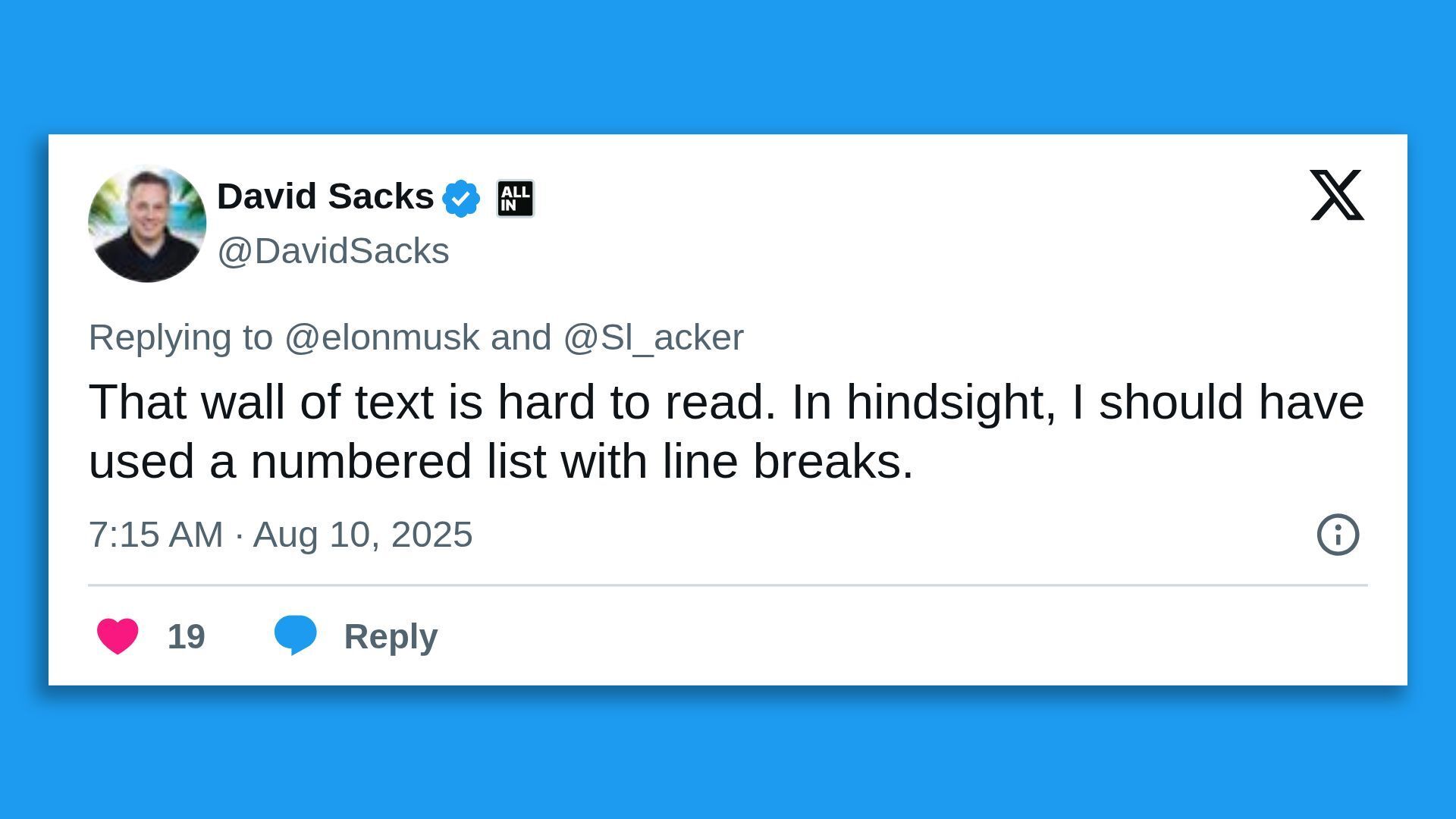
David added this mea culpa after Elon Musk responded to his 600-word broadside. Smart Brevity for the win!
- Go deeper: White House AI Action Plan (July 23) and crypto report (July 30).
4. β°οΈ AI search-and-rescue
Hikers stranded in remote areas with no cell service or WiFi might have a new lifeline: AI.
- AI is helping some rescue teams find missing people faster by scanning satellite and drone images, Axios' Ashley May writes.
AI "can dramatically reduce the time to process imagery and do it more accurately than humans," David Kovar, director of advocacy for NASAR (National Association for Search and Rescue) and CEO of cybersecurity company URSA Inc., tells Axios.
- It's eerily good at geolocating where photos are taken.
Last month, the body of a hiker lost for nearly a year was found in Italy in a matter of hours after the National Alpine and Speleological Rescue Corps used AI to analyze drone images.
5. π Vance works U.K. before Alaska summit

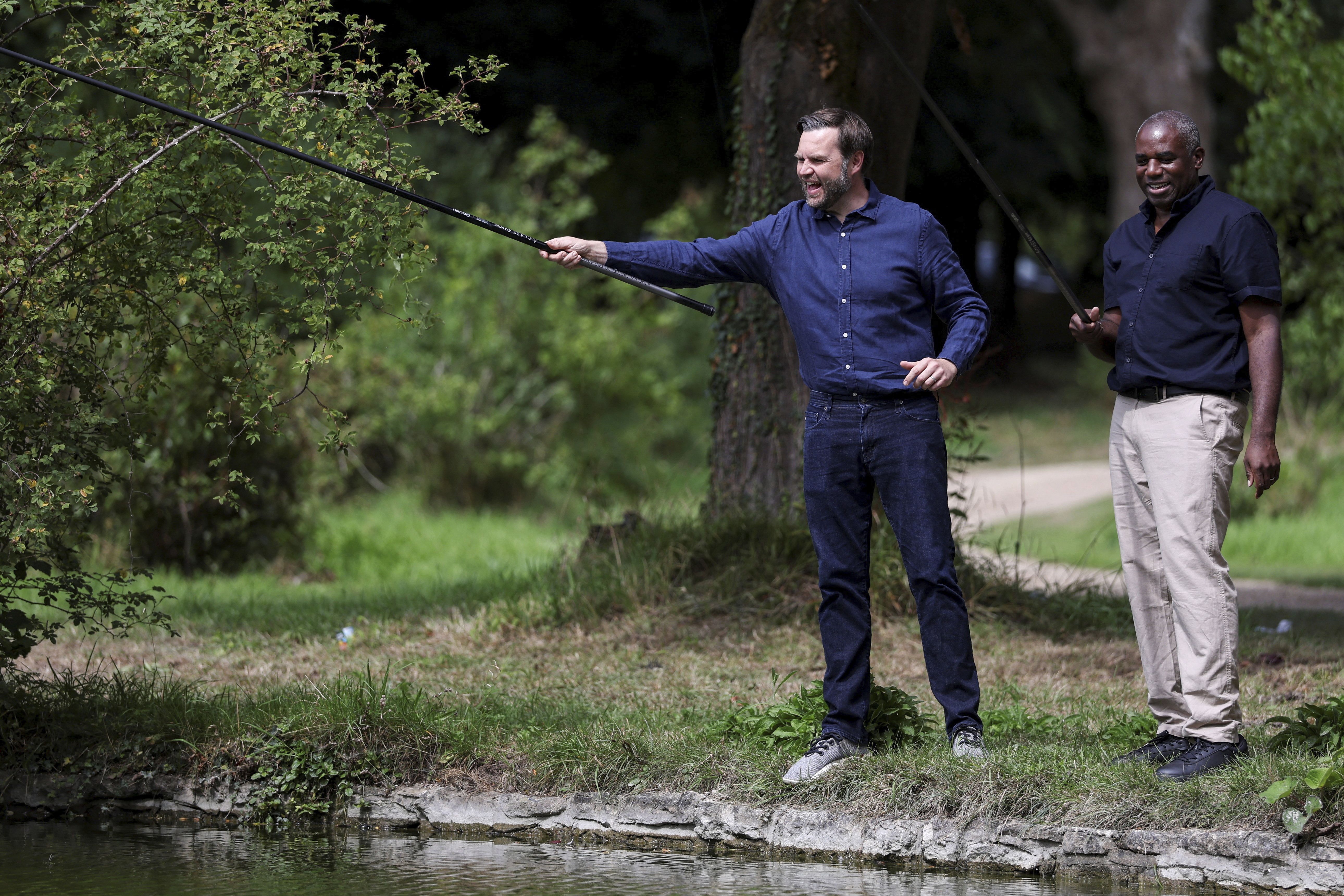
Vice President Vance's hours-long meetings yesterday in the U.K. produced "significant progress" toward President Trump's goal of ending the war in Ukraine, a U.S. official told Axios' Barak Ravid.
- Why it matters: Ahead of Vance's meetings with Ukrainian and European senior officials, several NATO and Ukraine allies expressed private concerns that Trump might agree to Russian President Vladimir Putin's proposals for ending the war without taking their positions into consideration.
ποΈ What's next: Trump and Putin are set to meet in Alaska on Friday.
- This will be their first meeting since 2019, and comes after Trump has grown increasingly frustrated over Putin's unwillingness to agree to a ceasefire or negotiate earnestly toward a peace deal with Ukraine.
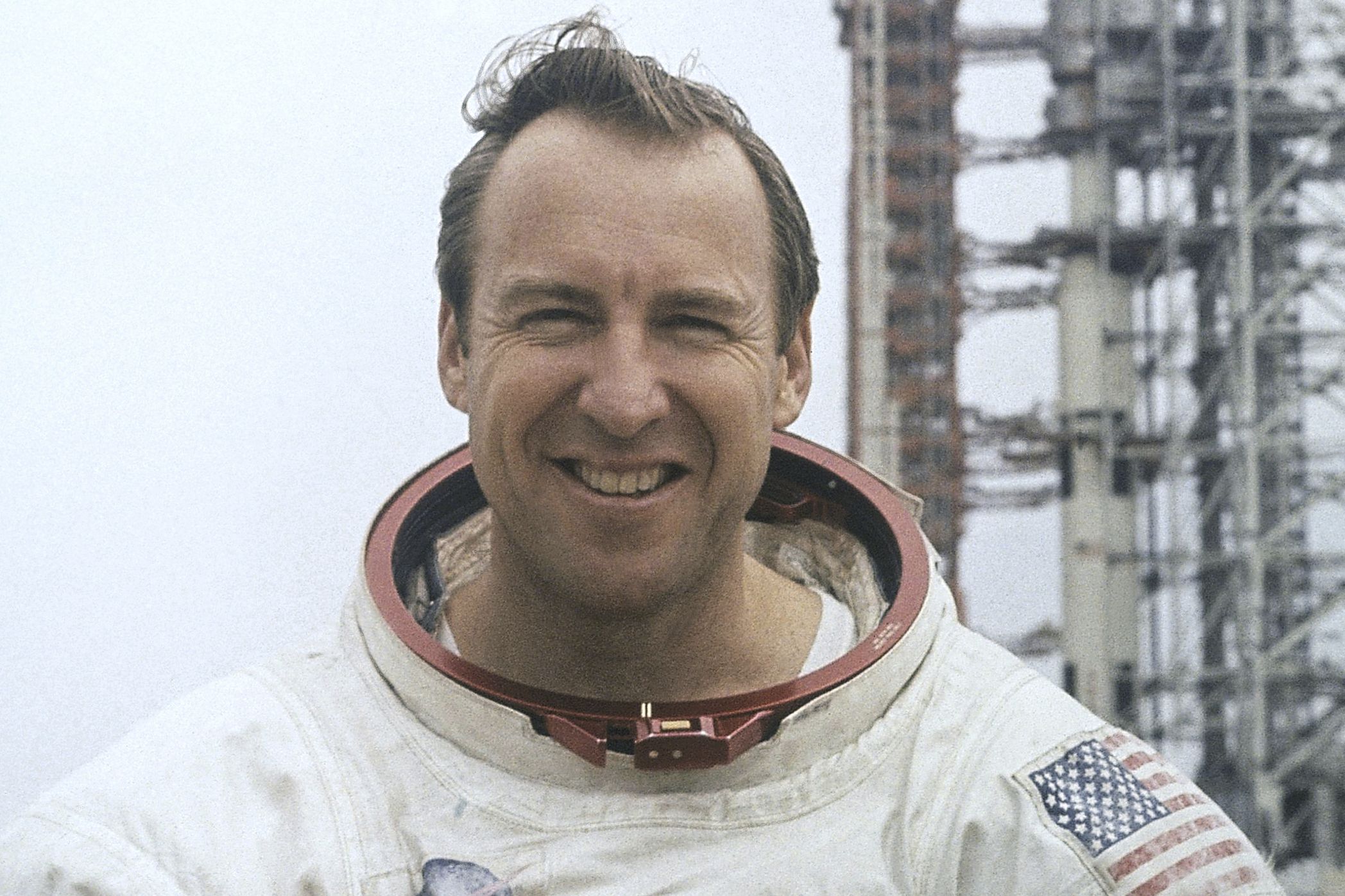
6. π Remembering astronaut James Lovell

James Lovell, the commander of Apollo 13 who helped turn a failed moon mission into a triumph of on-the-fly can-do engineering, died Thursday. He was 97.
- One of NASA's most traveled astronauts in the agency's first decade, Lovell flew four times β Gemini 7, Gemini 12, Apollo 8 and Apollo 13 β with the two Apollo flights riveting the folks back on Earth, AP reports.
In the 1995 movie "Apollo 13," Tom Hanks was portraying Lovell when he famously said, "Houston, we have a problem."
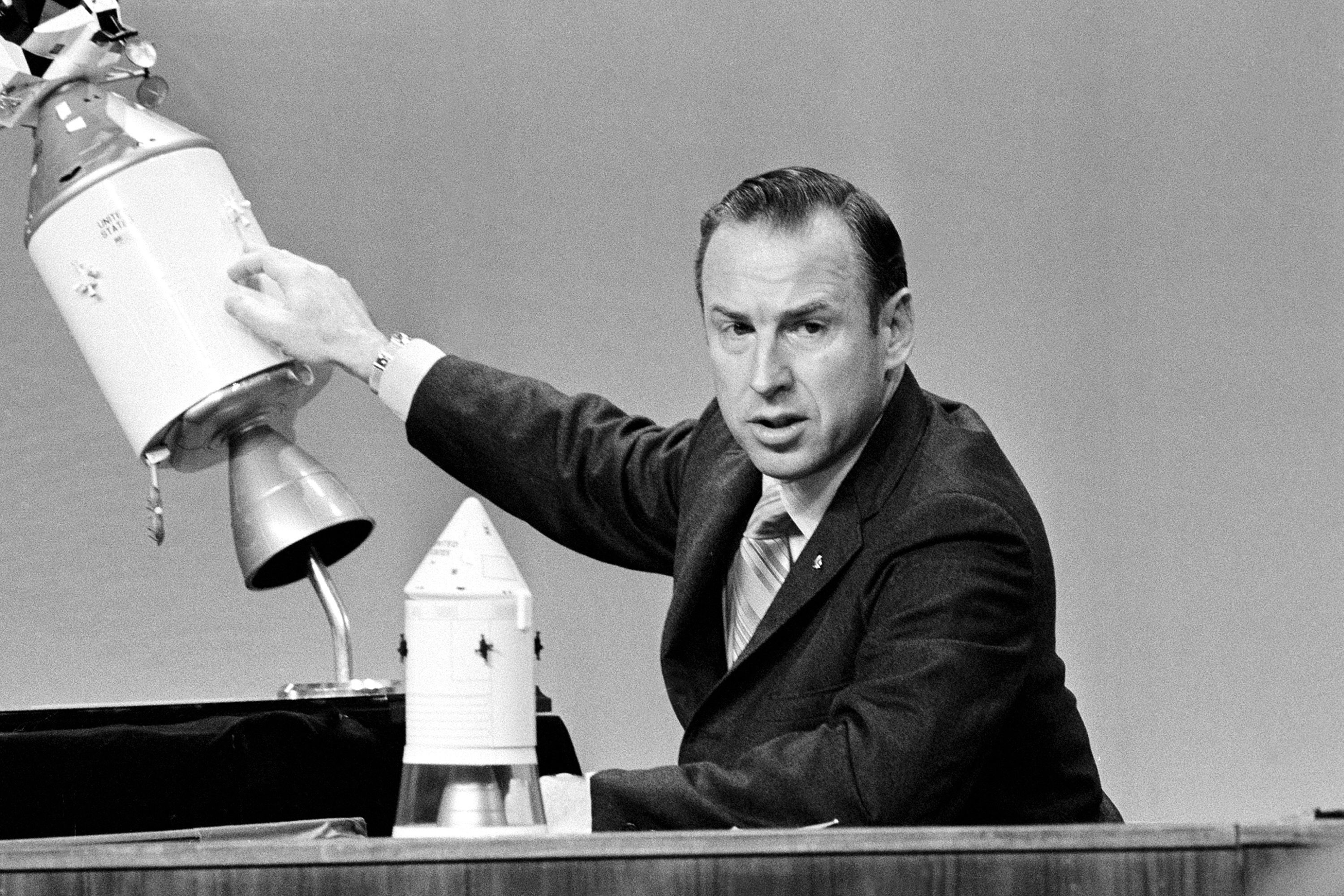
During the harrowing Apollo 13 flight in 1970. Lovell was supposed to be the fifth man to walk on the moon. But Apollo 13's service module, carrying Lovell and two others, experienced a sudden oxygen tank explosion on its way to the moon. The astronauts barely survived, spending four cold and clammy days in the cramped lunar module as a lifeboat.
- ''The thing that I want most people to remember is in some sense it was very much of a success,'' Lovell said during a 1994 interview. ''Not that we accomplished anything, but a success in that we demonstrated the capability of [NASA] personnel.''
Acting NASA Administrator Sean Duffy said in a statement: "Known for his wit, this unforgettable astronaut was nicknamed Smilin' Jim by his fellow astronauts because he was quick with a grin when he had a particularly funny comeback."
7. ποΈ Songless summer
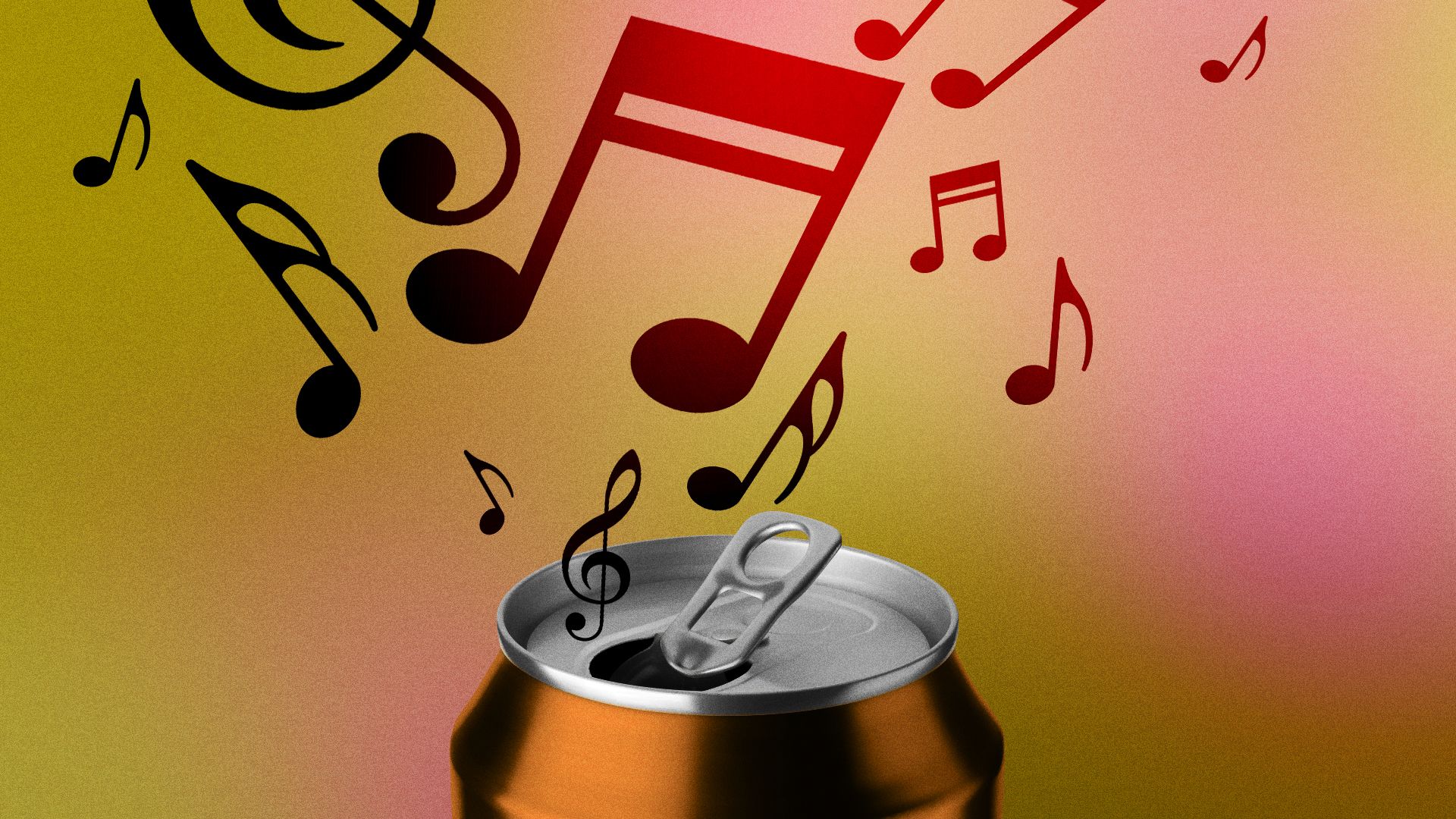
If last summer boasted an abundance of refrains β "that's that me, espresso," "they not like us," "good luck, babe" β this summer is all crickets, Axios' Jason Lalljee writes.
- The search query "no song of the summer" reached an all-time high in July and "what is the song of the summer" is being searched more than ever before, according to Jenny Lee, lead data analyst at Google Trends.
π± Zoom in: Even if there's no song of this summer, there's certainly a sound.
- A 2024 ad from British budget airline Jet2.com went mega-viral on TikTok and has soundtracked at least 2.2 million videos on the platform. The jingle features singer Jess Glynne's 2015 song "Hold My Hand."
- Most videos using the audio depict something gone haywire: a flooded subway car, a log through a windshield β holidays straight from the "Final Destination" universe.
If it's a simple numbers game, this year it's an open-and-shut case, with the "song of the summer" title going to Alex Warren's "Ordinary," which just topped Billboard's Hot 100 chart for its ninth non-consecutive week.
- But the chart topper hasn't necessarily achieved the virality of a true zeitgeist-dominating tune.
8. π§ 1 for the road: Emoji etiquette
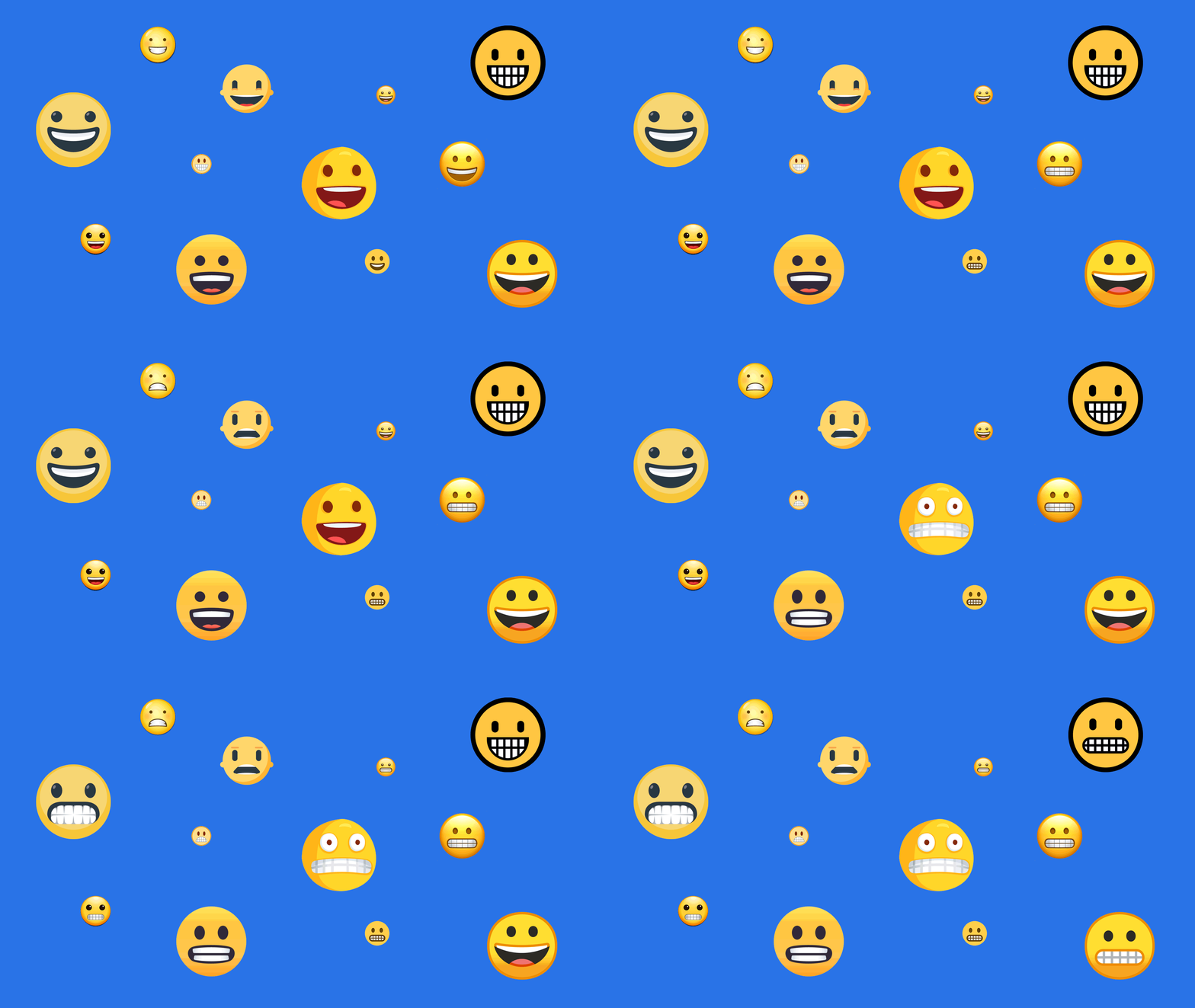
Gen Z is rewriting the emoji rulebook, and it's stumping everyone else.
- Some 80% of U.S. adults say they've been confused by emoji use, according to a 2024 survey by language education platform Preply.
Before you hit send, here's how Gen Z reads some emojis, Axios' Sami Sparber and Maxwell Millington write:
- π Soft smiley: What looks like a reassuring smile can come across to Gen Z as sarcasm or passive aggression. For example, "My air conditioning just went out. π"
- β¨ Sparkles: This can be used to emphasize something, usually ironically, or to show genuine excitement. For example, "I'm β¨stressed.β¨"
- π Thumbs-up: This quick way to approve or acknowledge something can also seem dismissive, particularly outside of work.
π¬ Thanks for sharing your Sunday! Please invite your friends to join AM.
Sign up for Axios AM