Axios AM

August 05, 2026

1 big thing: Michigan looks left
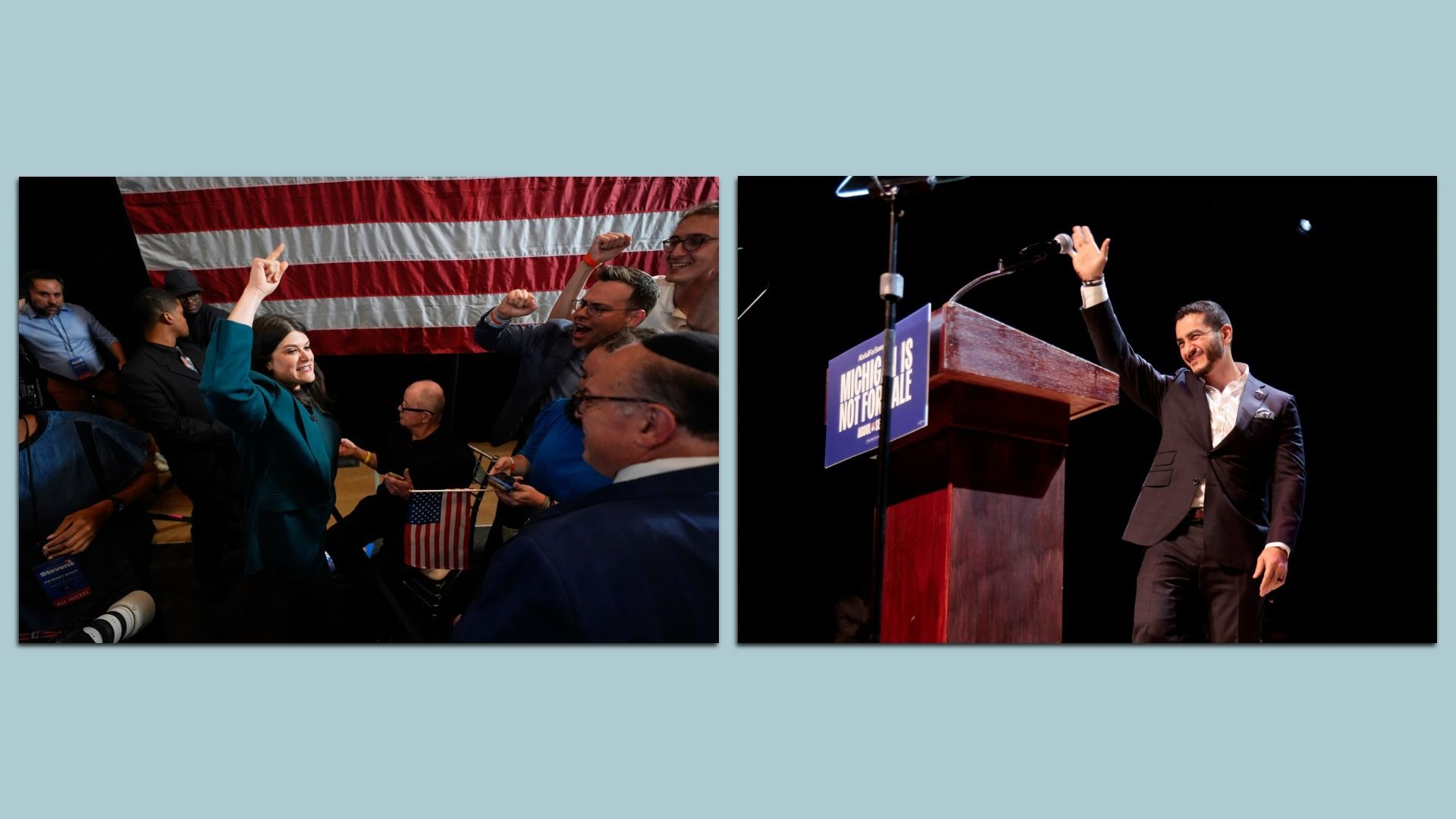
Michigan progressives awoke today after a banner night: Abdul El-Sayed leads the uncalled Democratic Senate primary, Will Lawrence won a battleground House nomination, and Donavan McKinney threatens to oust Rep. Shri Thanedar.
- Of the three Democratic primaries, only Lawrence's victory has been called. A sweep would signal the left's growing strength in a key swing state.
🩺 El-Sayed, a former Wayne County health director, clung to a narrow lead over four-term Rep. Haley Stevens — 48.6%–47.3% with 95% of the vote counted. The two are fighting to take on Republican Mike Rogers for Michigan's open Senate seat, a must-win for Democrats to gain Senate control.
- 🌅 Sunrise Movement co-founder Lawrence upset a former U.S. ambassador to Ukraine and a former Navy SEAL in the 7th District, winning the nomination by 15 points. Lawrence will try to flip the swing seat held by GOP Rep. Tom Barrett. Go deeper.
- 🌹 State Rep. McKinney, a DSA member backed by Sen. Bernie Sanders and Rep. Rashida Tlaib, is up this morning 51.6%–48.4% against sitting Democratic Rep. Thanedar in a solidly blue seat. A McKinney victory would make Thanedar the latest House Democrat toppled by the left.
Both El-Sayed and Stevens spoke to supporters, saying the vote count could continue well into today. NBC called the race for El-Sayed ("a Midwest victory for the left"). AP and CNN held off, citing a narrow comeback path for Stevens.
- The big picture: The bitter and expensive campaign became the most notable proxy battle between the Democratic Party's establishment and progressive wings. El-Sayed has said he's not a democratic socialist, but is backed by many of the group's members. Latest from AP.
In Missouri, establishment Democrats scored a rare win: Rep. Wesley Bell easily turned back former Rep. Cori Bush's comeback attempt to represent St. Louis. Go deeper.
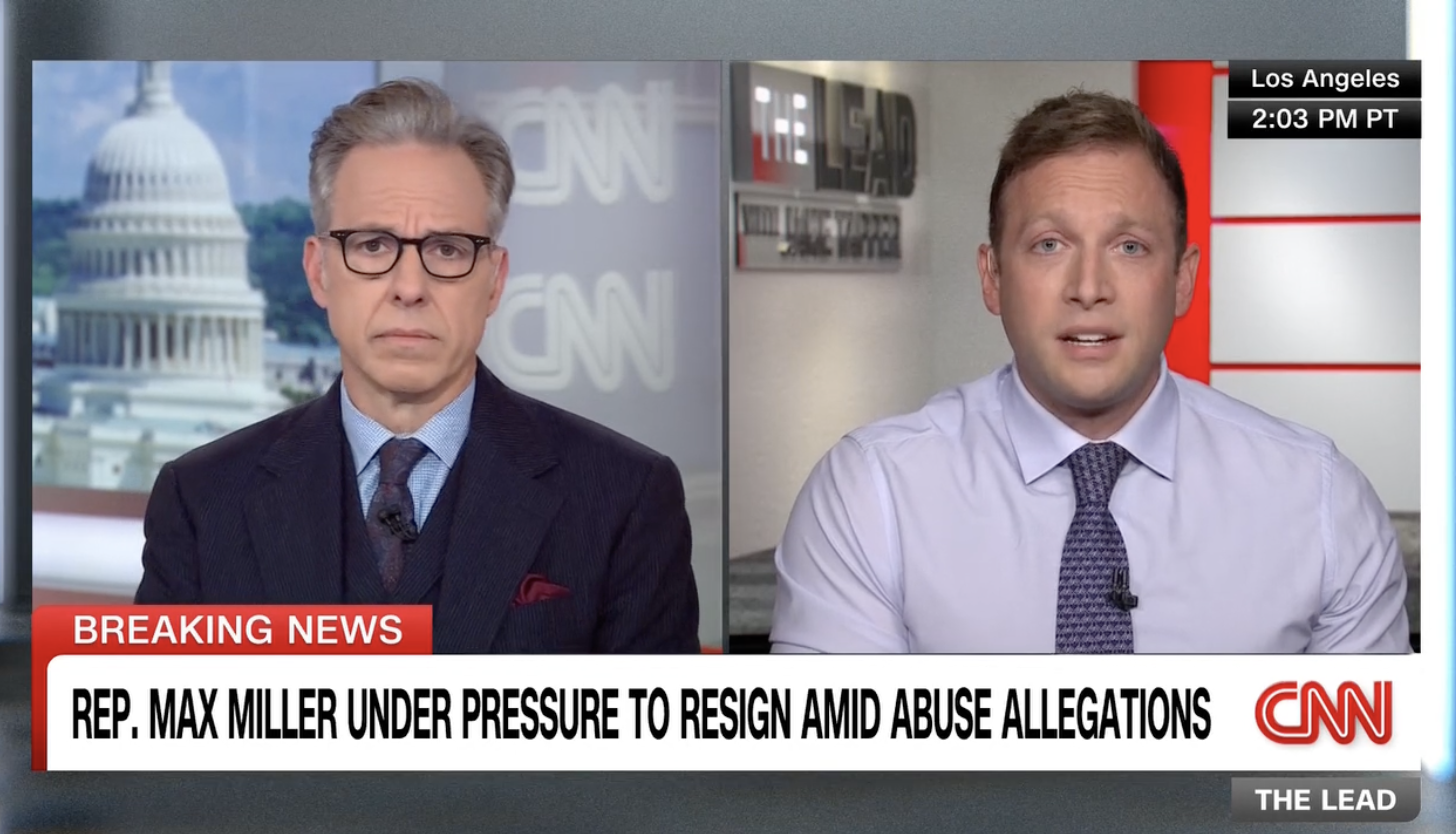
Rep. Max Miller (R-Ohio) told CNN's Jake Tapper he won't abandon his reelection campaign despite allegations he abused his ex-wife and their toddler daughter, which he denies.
- Miller likened his resolve to President Trump's response to the leak of the "Access Hollywood" tape: "In 2016, when President Donald J. Trump faced the most extreme allegations in the world that hit him day after day after day, and people in the media, very much like yourself and others, said that he would have no shot at winning, that he should not be the president of the United States. But guess what? He stayed in, and he was resilient."
The N.Y. Times' Jonathan Swan tweeted that it's "one of the most astonishing interviews I've ever seen with a politician. hard to watch but worth watching in full. power of preparation."
- Watch a clip ... CNN video.
2. 💡 Power of reporting
3. ⚡ Trump aims to announce Iran deal today
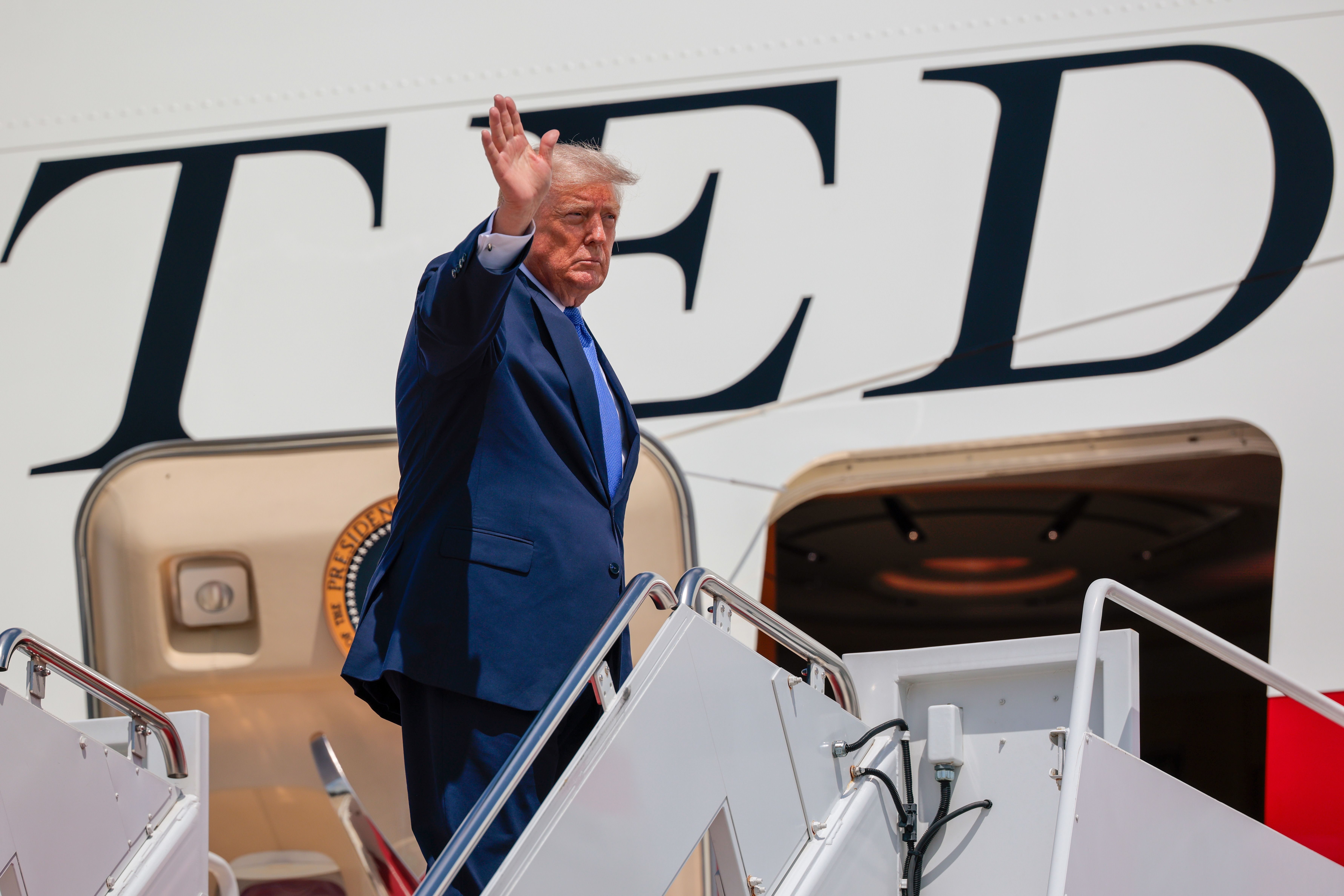
Intel from Axios' Barak Ravid: The U.S., Iran and Oman are closing in on an interim agreement to reopen the Strait of Hormuz, with the U.S. aiming to announce it today, according to two regional sources and a U.S. official.
- Why it matters: The deal, which has been under negotiation for several weeks, is meant to resume the ceasefire between the U.S. and Iran and restart negotiations over a nuclear deal.
The emerging deal would meet some of Iran's demands for greater control over traffic in the Strait of Hormuz — control it didn't have before the war.
- It would create a 60-day temporary arrangement between Oman and Iran in the strait that could be extended, according to two regional sources.
🚢 How it works: All inbound traffic of ships through the strait and into the Gulf would go in a northern lane through Iranian waters.
- All outbound traffic through the strait and into the Arabian Sea would go in a southern lane through Omani waters, in coordination with Iran.
- No tolls or fees would be charged during the 60-day period.
- The parties would work on clearing naval mines from the median lane of the strait within 30 days.
- After the median lane is cleared, it would be used for inbound and outbound traffic under a permanent arrangement to be negotiated between Oman and Iran.
🥊 Reality check: The White House, Oman and regional mediators thought they had a deal with Iran three weeks ago, only to see Iran resume attacks on ships. That led to two weeks of fighting and almost an all-out war.
4. 🤖 Scoop: Inside Trump's AI framework
5. 💸 Charted: New stock record


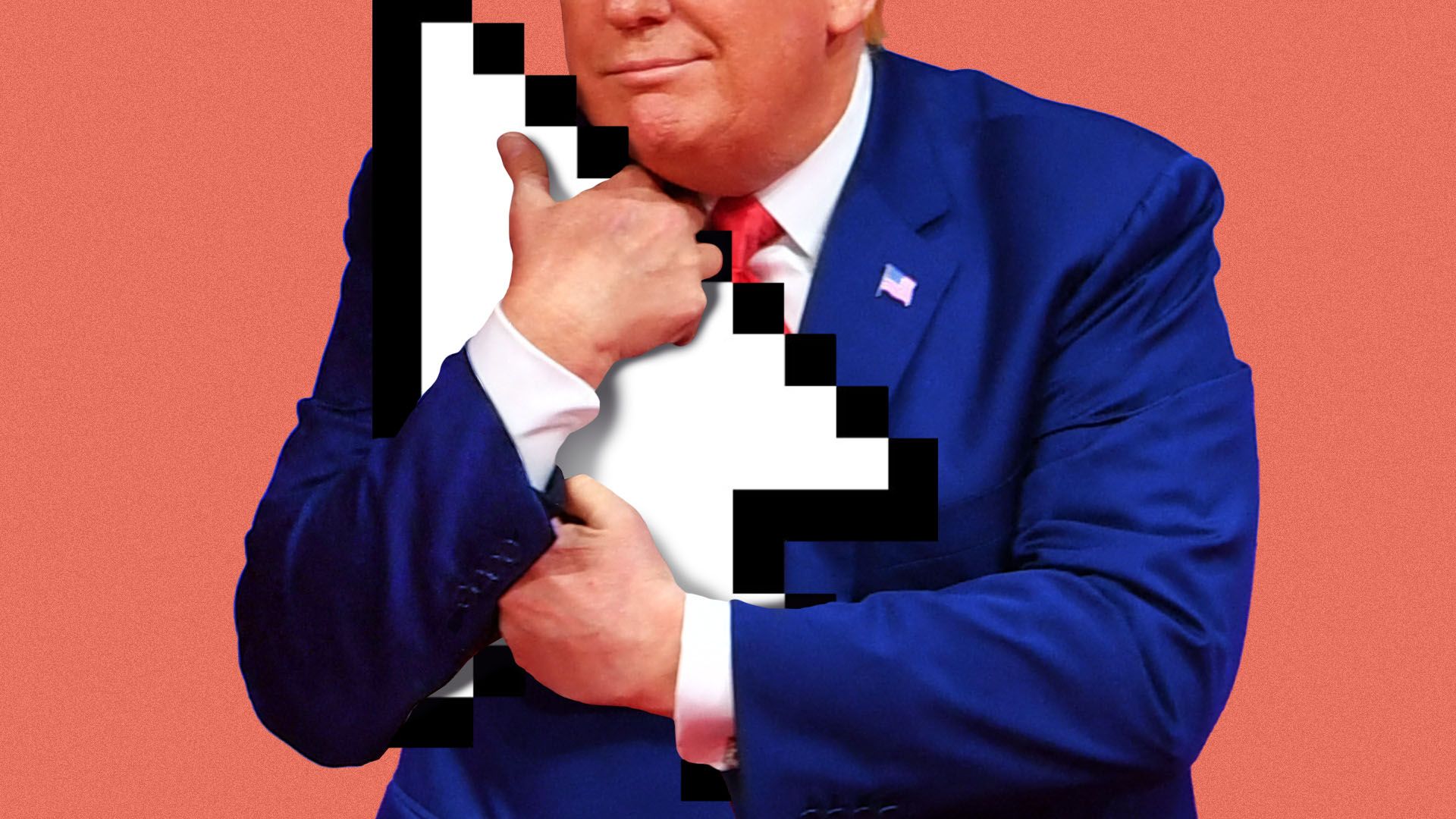
The S&P 500 rose 1.8% yesterday, notching a new all-time closing high of 7736.52 — its first record since June, Axios' Matt Phillips writes.
- In the past four sessions, stocks have jumped almost 6%, led by gains from Palantir, Microsoft, Amazon and Alphabet after each posted strong quarterly results.
- Some analysts and investors had worried that the markets were beginning to deflate. Previously high-flying chip stocks hit an air pocket in early June before finding their footing over the last week.
Why it matters: High stock prices are critical to keeping funds flowing to the AI buildout.
- A significant erosion of investor confidence would risk the AI flywheel of financial flows, capital expenditures and industrial activity fueling the U.S. economy.
Go deeper: Investors can't stop believing in stocks.
6. 🗳️ First true AI election
7. 😒 Gen X slump


Generation X has the lowest consumer confidence of any generation, Axios' Emily Peck writes from The Conference Board's latest numbers.
- Why it matters: Many in this generation are near or at their peak earning years. If the grunge generation grows more morose, that could drag down spending and the economy.
Zoom out: Gen X's elders aren't feeling so great either — confidence among Boomers and the Silent Generation is only slightly better.
8. 🚁 1 for the road: Trump's helipad do-over
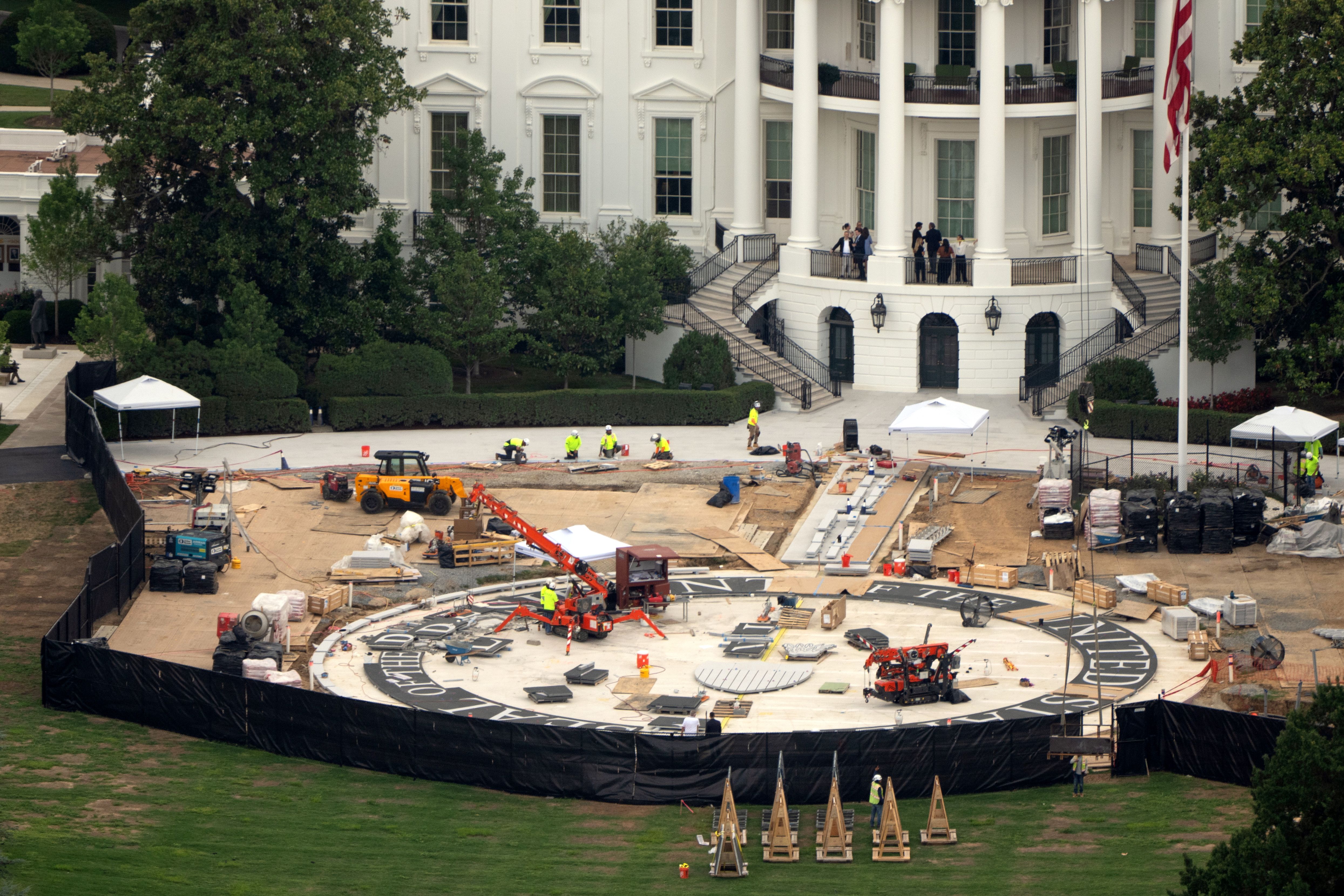
A photo taken from the Washington Monument on Friday shows what the new helipad on the South Lawn will look like, complete with a granite presidential seal.
- But President Trump — dissatisfied with the results so far — has ordered contractors to make changes, The Washington Post reports.
- The South Lawn slants downward, and "Trump has expressed a desire for a landing pad that sits level with the horizon, prompting contractors to disassemble their work and consider whether to start by changing the lawn itself."
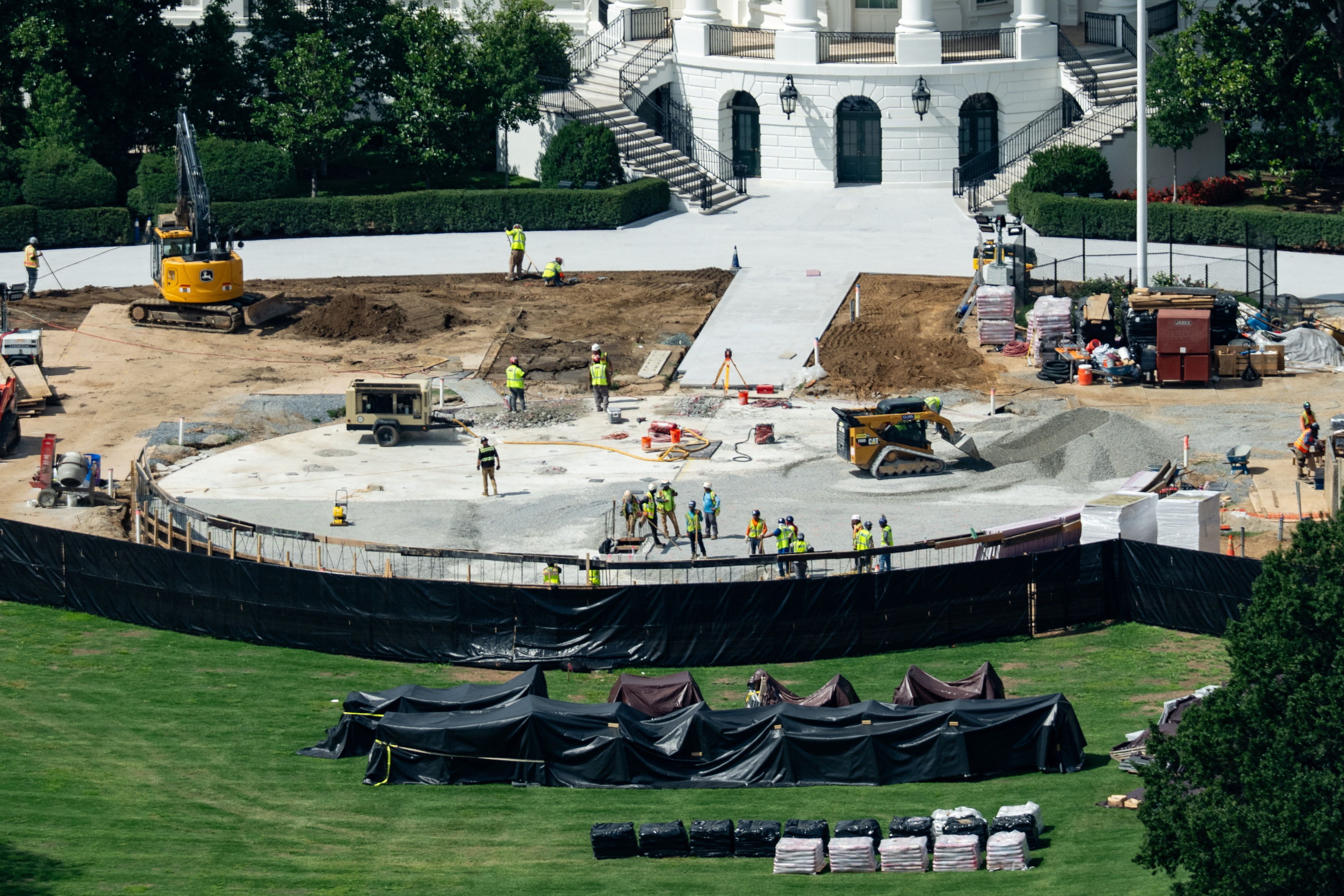
Above: The same view yesterday, with the granite seal removed from the helipad.
- Go deeper (WashPost gift link).
Axios AM