Axios AM

July 21, 2026

1 big thing: Trump's Iran choice
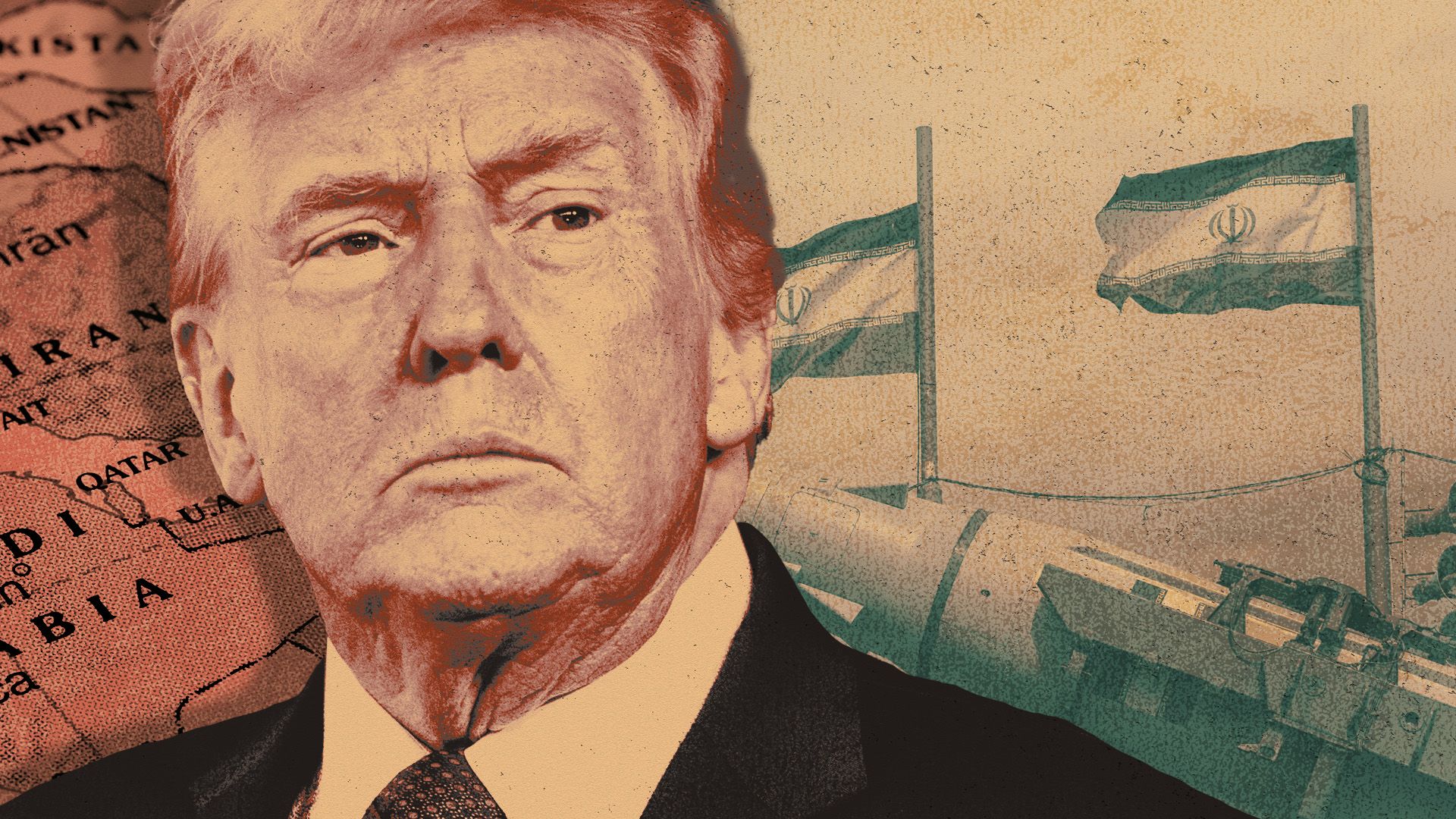
President Trump is nearing a decisive fork in the Iran war, with U.S. and Israeli officials envisioning only two viable endgames, Axios' Barak Ravid reports:
- Option 1: Pursue a new 10-day ceasefire to reopen the Strait of Hormuz.
- Option 2: Launch a massive joint military campaign with Israel to force Tehran's capitulation.
Why it matters: Trump hasn't decided yet. But officials believe the next few days will determine which path prevails — with little room left for the grinding, open-ended conflict paralyzing the Gulf.
Qatar, Egypt, Pakistan and other regional mediators have presented the U.S. and Iran with a 10-day ceasefire proposal, two regional sources with direct knowledge of the effort told Axios.
- The Trump administration is exploring the proposal and has urged Israel to avoid steps that could close the diplomatic window, U.S. officials say.
- But Washington is simultaneously preparing for the talks to fail. The U.S. military has sent dozens of fighter jets and refueling aircraft to the region in recent days, assembling the forces needed for a major escalation.
- Israeli sources say the IDF is on high alert and preparing for a possible expansion of the war into a full-scale, coordinated campaign within days.
🖼️ The big picture: Ten straight nights of U.S. bombing have failed to break Iran's grip on the Strait of Hormuz, dragging Trump deeper into a war he has repeatedly declared won.
- At least three U.S. service members have been killed in the renewed fighting. Trump said yesterday he had ordered the Pentagon to make Iran pay "many times over" for every American death.
- Oil briefly broke $90 a barrel this weekend as Iran widened its strikes on commercial ships and Gulf infrastructure. Gas prices are rising again, compounding the domestic backlash to an already unpopular war.

State of play: Neither Trump nor Iran has accepted the ceasefire proposal, and both sides appear determined to gain leverage through further strikes before committing to a ceasefire.
- A senior U.S. official said talks are continuing, but said Trump has yet to finish retaliating.
2. 🏒 Trump targets Canada
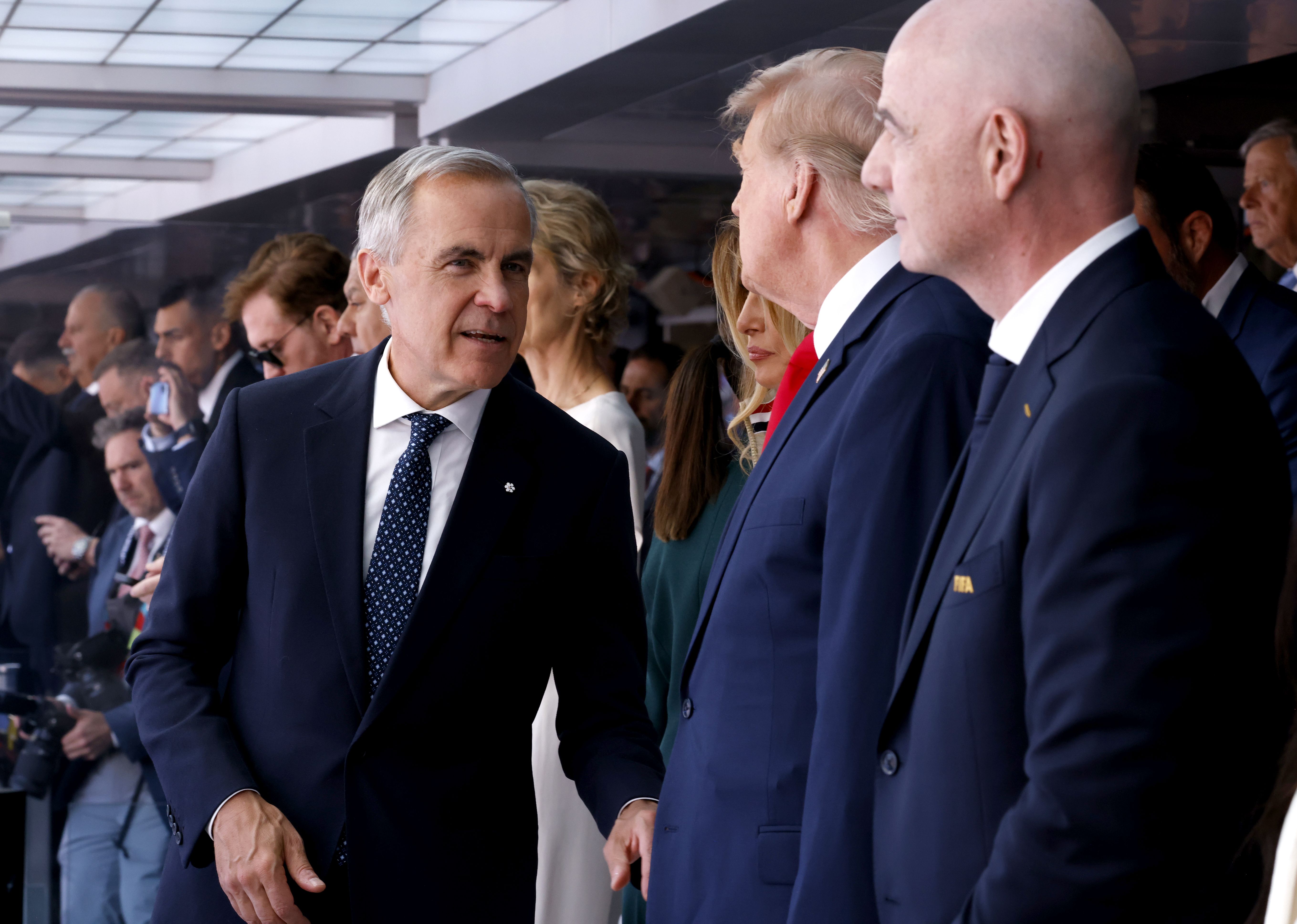
The Trump administration imposed an additional 50% tariff on certain Canadian goods yesterday — including hockey sticks, wine and cement — accusing the country of discriminating against U.S. exports, Axios' Courtenay Brown writes.
- Why it matters: The move ratchets up tensions in an increasingly bitter trade dispute between two of the world's closest economic partners.
The tariffs, which take effect next month, will be imposed under Section 338 of the Tariff Act of 1930 — a never-before-used authority.
- The duties cover roughly $20 billion in annual Canadian imports.
- A senior administration official said the tariffs aren't the wildfire tariffs that President Trump had earlier threatened. The official said those options remain under consideration.
3. 🔎 WSJ: IRS chief spied on bank colleagues
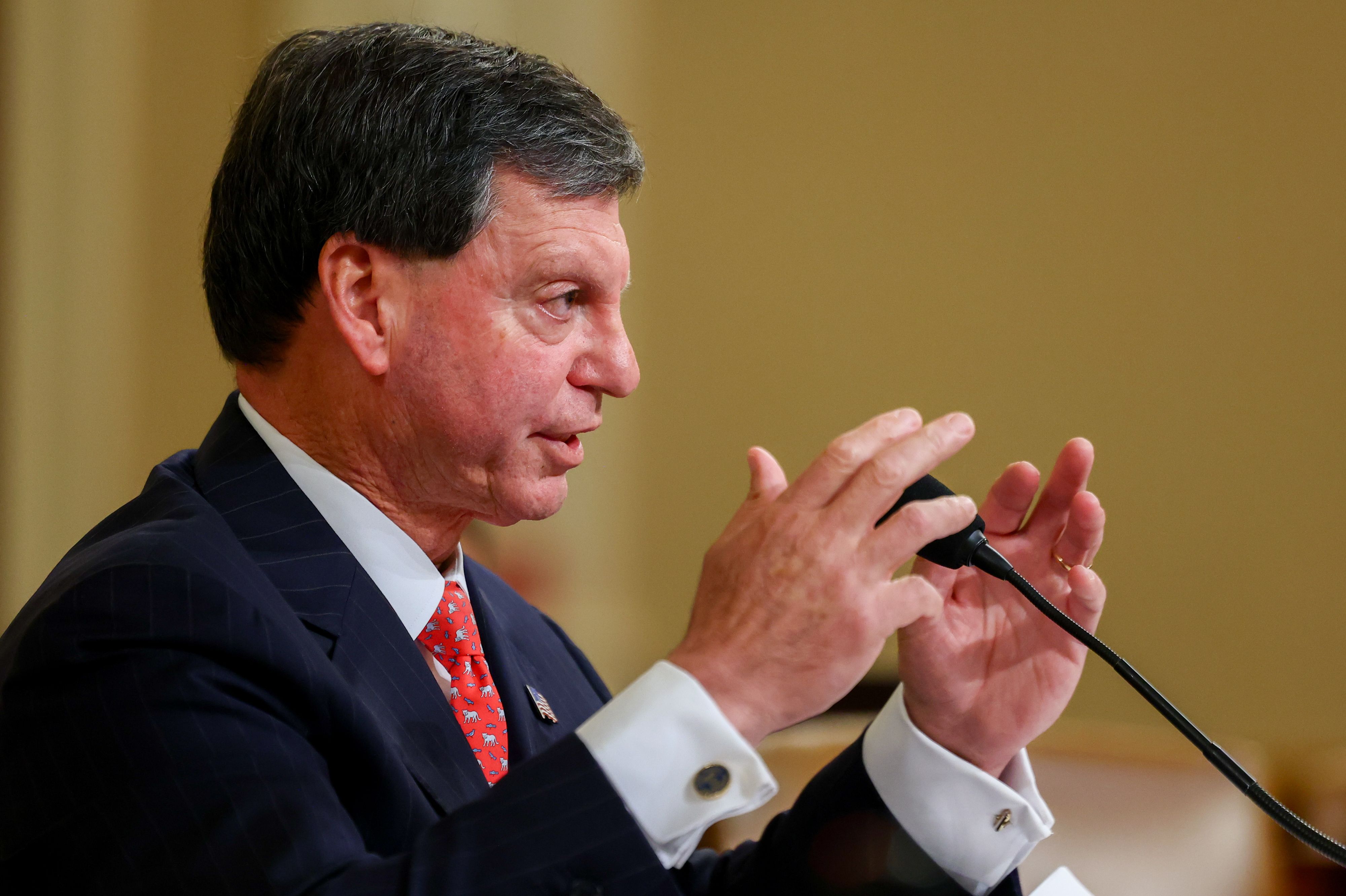
A front-page Wall Street Journal story today reports that Frank Bisignano — who is both CEO of the IRS and commissioner of the Social Security Administration — snooped on rival executives when he was co-chief operating officer of JPMorgan Chase over a decade ago, using his authority over the security department to access internal emails.
- Why it matters: The 3,400-word exposé is producing angst among some Trump insiders. One told Axios that such a messy issue is the last thing the White House needs with the war flaring up and midterms 105 days away.
According to the Journal's sources, "Bisignano's goal was to keep a tight rein on employees and use the information to undermine his rivals as he expanded his responsibilities. No allegations are known to pertain to the improper access of customer information."
- After Bisignano left the bank in 2013, "investigators from the legal department found digital traces of the spying activity, including records that showed email access," people familiar with the matter told the Journal.
- The paper says he left the bank "following years of complaints about his behavior, including allegations of disrespectful conduct toward colleagues and underlings and of the breaking of company norms around data collection."
Courtney Forrest, a lawyer for Bisignano, told the Journal he never spied on co-workers and "never directed anyone to look through any employee's or executive's communications or engaged in any form of surveillance."
- Bisignano said in a statement provided to Axios: "I am blessed and honored to work for President Trump and alongside an extraordinary group of leaders, especially Secretary Scott Bessent. My experience working for leaders such as Jamie Dimon, Sandy Weill, Tony Terracciano, Henry Kravis and Scott Nuttall has prepared me for the privilege of serving the American people."
When Bisignano left the bank, CEO Jamie Dimon said: "I want to thank Frank Bisignano for outstanding service at our firm. I have worked with Frank for many years, and he has proven himself time and again as a highly talented executive willing to take on difficult challenges and get the job done."
4. 🏡 New math finds fewer homeowners


A new way of measuring America's homeownership rate finds that it is far lower than commonly understood, especially for young adults, Axios' Emily Peck writes.
- The traditional measure reflects the share of occupied housing units where the owner is a resident. The new measure is the share of the adult population who owns their home.
Why it matters: The findings show "that younger people are having an even harder time buying a house than traditional data would suggest," according to a note by TD Cowen housing policy analyst Jaret Seiberg.
🧮 By the numbers: The new measure, calculated by the Federal Reserve Bank of Minneapolis, finds that only about 53% of American adults own their own homes — not the commonly cited homeownership rate of 65% calculated by the Census Bureau.
- For adults under age 35, it's bleaker: Only 22% are homeowners under the new measure, compared with 37% under the traditional one.
5. 🏛️ Scoop: Congressman's gun gifts
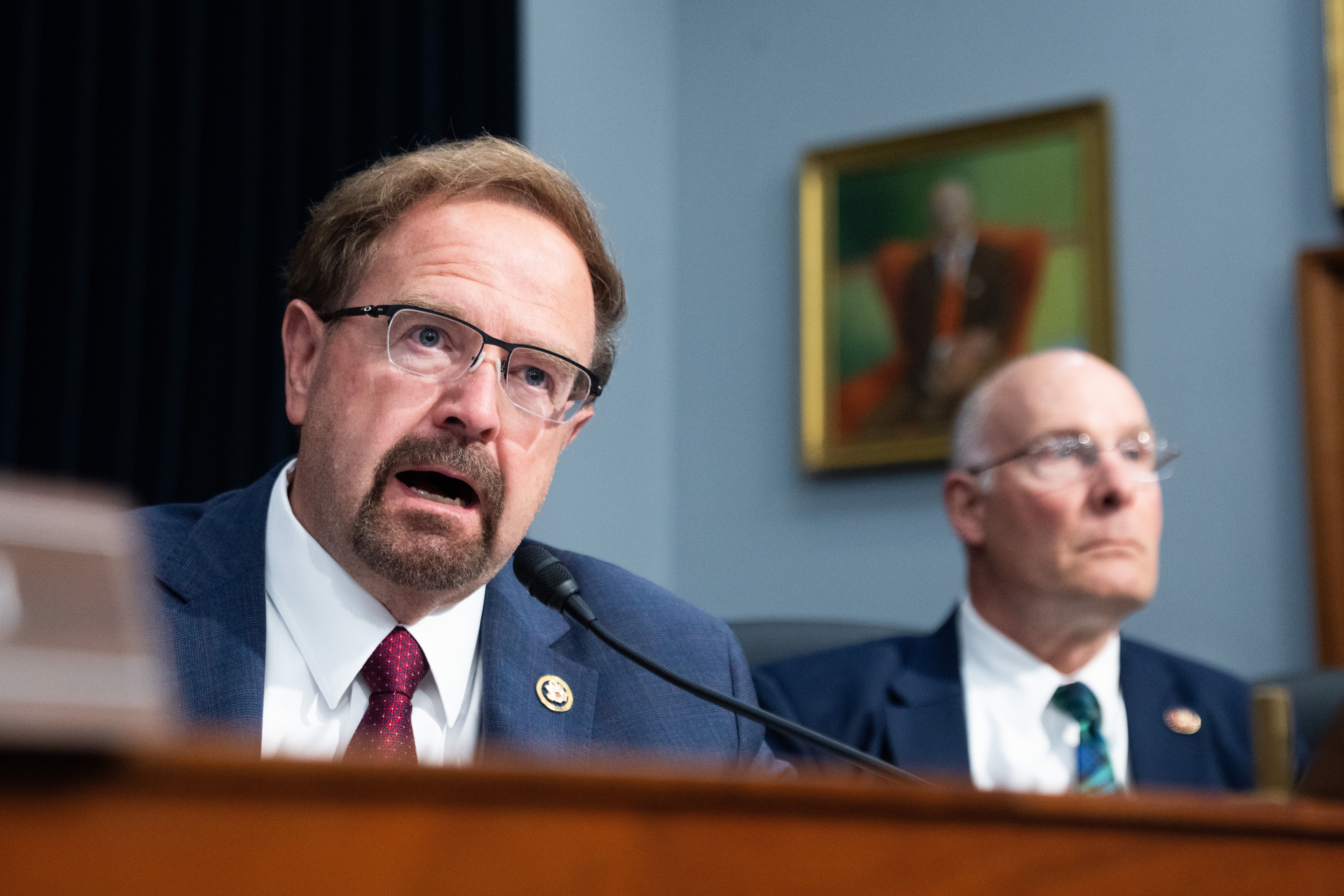
Axios congressional reporter Kate Santaliz broke a story in May on Rep. Chuck Edwards' alleged misconduct toward female staffers. A new twist:
Rep. Chuck Edwards (R-N.C.) gave two young female staffers each a personalized handgun as a present while they worked in his office in 2024, according to two sources with direct knowledge of the gifts.
- Why it matters: The guns, and a surprise musical performance organized by the congressman, are additional examples of Edwards allegedly singling out the young female staffers for unusually personal attention. His conduct is now at the center of a House Ethics Committee investigation into alleged sexual harassment and creating a hostile work environment.
Edwards gave one staffer a blue handgun engraved with her name and the other staffer a pink handgun.
- A lawyer for one of the former staffers told Axios that she "only awkwardly accepted the gift for fear of reprisal against her employment but later legally disposed of it because she did not want it in her possession."
6. 🌡️ Charted: World's coolest countries


U.S., Japanese and Chinese households lead the rest of the world in AC use — far outpacing Europe and hotter regions like India, Axios' Ben Geman writes.
- The share of European households with an AC is stuck at 23% and has barely moved since 2015.
7. Rise of whites-only "heritage communities"

8. 💩 1 for the road: D.C.'s "humanure"

Flowers outside the National Cathedral. Tomatoes in community gardens. Lush fairways at Andrews Air Force Base.
- Their secret ingredient? D.C.-made "humanure," Axios D.C.'s Anna Spiegel writes.
Why it matters: A decade after launching Bloom — a compost alternative made from treated wastewater — DC Water has turned No. 2 into a No. 1 business.
Many cities pay to haul treated biosolids away. D.C. transforms them into fertilizer it sells throughout the region, generating millions in savings and drastically cutting carbon emissions.
🐅 New this week: Axios Cincinnati and North of Cincy.
Axios AM