Axios AM

July 14, 2026

1 big thing: Google DeepMind CEO wants U.S.-led global AI watchdog
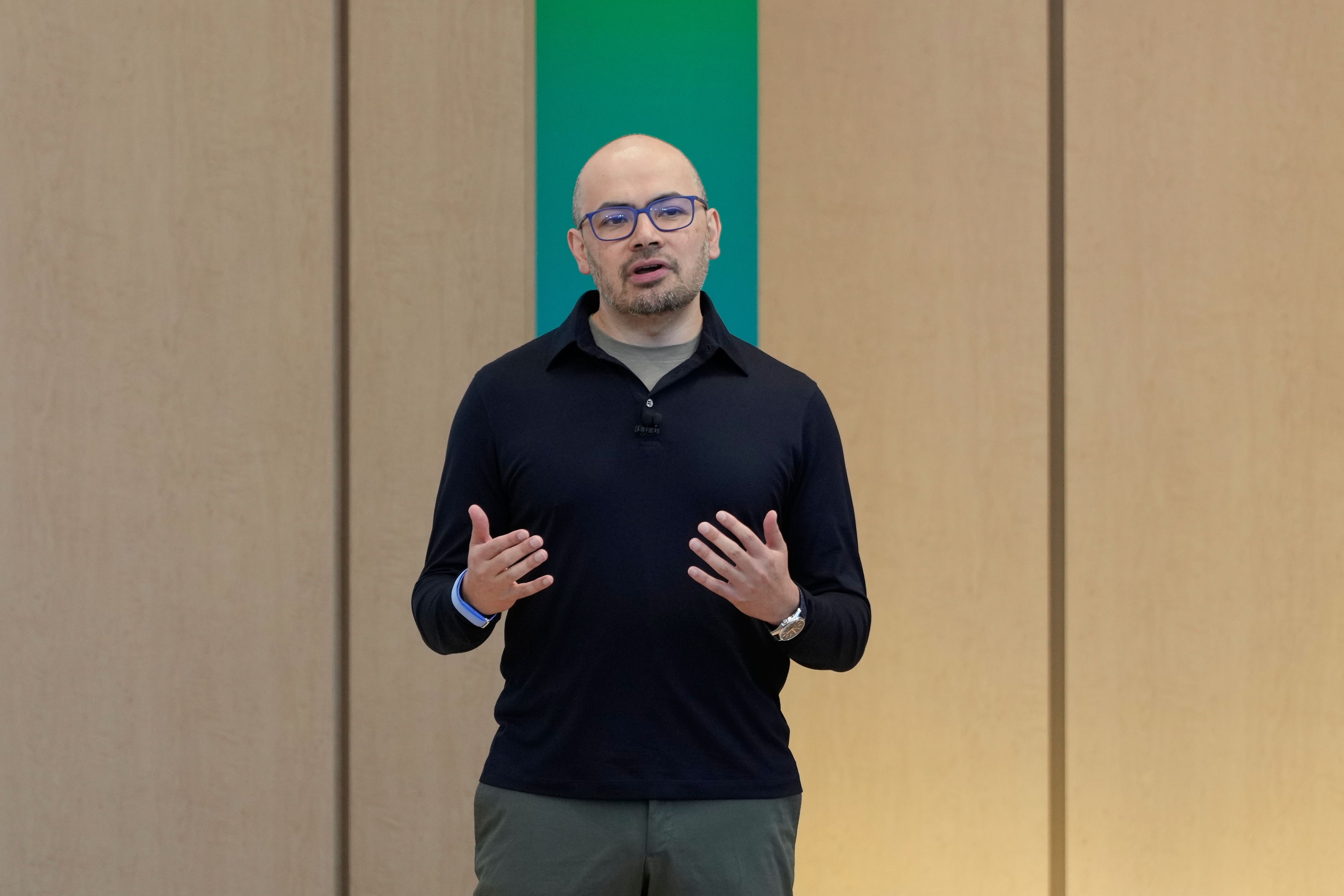
Demis Hassabis, Google DeepMind co-founder and CEO, is calling on the U.S. to establish an AI watchdog with the power to screen the world's most advanced models — and coordinate an industry-wide slowdown if dangers mount.
- Hassabis, the Nobel laureate behind Gemini, lays out the plan in a personal manifesto published this morning, "A Framework for Frontier AI and the Dawning of a New Age."
Why it matters: Hassabis tells me in an exclusive interview that the time has come for a more "systematic" approach to AI regulation — funded by the industry, staffed by world-class technical experts, and answerable to the U.S. government.
Today's AI-driven cyber risks are "warning shots," Hassabis tells me from his London base. Within 18 months, he says, those capabilities — plus far graver biological and nuclear threats — could live inside open-source models beyond any government's control.
- Hassabis emphasized that risks will come from the major labs' more powerful future proprietary models, not just open-source models.
- "What we collectively do now," he writes in his manifesto, "will determine how the next phase of civilization unfolds."
🔬 Behind the scenes: Hassabis has spent months quietly building support for the plan, briefing the Trump administration, fellow lab leaders and European officials before going public.
- "The noises I've been hearing are very positive," he says of his talks with the administration, which had embraced a laissez-faire approach to AI regulation before Mythos.
- Hassabis, a scientist who commands rare respect across AI's warring camps, says the other major lab leaders agree at a high level: "This is where the industry needs to go."
- His timeline is aggressive. "Months," Hassabis says, ideally with the new body operational "before year-end."
How it works: Hassabis is proposing an AI standards body modeled on FINRA (Financial Industry Regulatory Authority), the private, industry-funded watchdog that polices Wall Street under SEC oversight, Axios' Zachary Basu and Madison Mills write.
- Frontier labs would initially share their models with the body voluntarily, up to 30 days before release, for safety testing that probes dangerous cyber, biological and "deception" capabilities.
- Once the testing regime proves "effective and robust," Hassabis writes, formalization "could quickly follow." That means frontier models would be required to pass before deploying in the U.S.
- Hassabis envisions a majority-independent board stacked with Turing Award winners and other credentialed experts, alongside industry, government and open-source representatives.
🤖 The intrigue: The rules would apply to all frontier-class models, "no matter their country of origin or whether they are open or closed" — with the qualifying benchmarks regularly updated as capabilities evolve.
- Hassabis predicts the "frontier" designation would carry cachet: Being tested means you matter. "I think that's a pretty nice, prestige kind of asset to have," he says.
The big picture: The Trump administration's improvised crackdown on Anthropic's Mythos and Fable models last month was "a bit of a wake-up call," Hassabis says — proof Washington needs something sturdier than ad hoc directives.
- Anthropic saw its most powerful models frozen overnight by an export-control order, then spent 2½ weeks negotiating their release with no established rules, protocols or playbook.
- OpenAI, hoping to avoid the same fate, agreed to restrict GPT-5.6 to government-vetted partners at launch. It was released publicly last week after negotiations and testing with the Commerce Department.
The bottom line: Hassabis believes AGI — a system with all the cognitive powers of the human brain — is "probably only a few short years away," and that we're standing in "the foothills of the singularity."
- "We've essentially found a way to make sand think," he writes. "It's miraculous."
2. 👀 Trump wants to give more prime-time talks
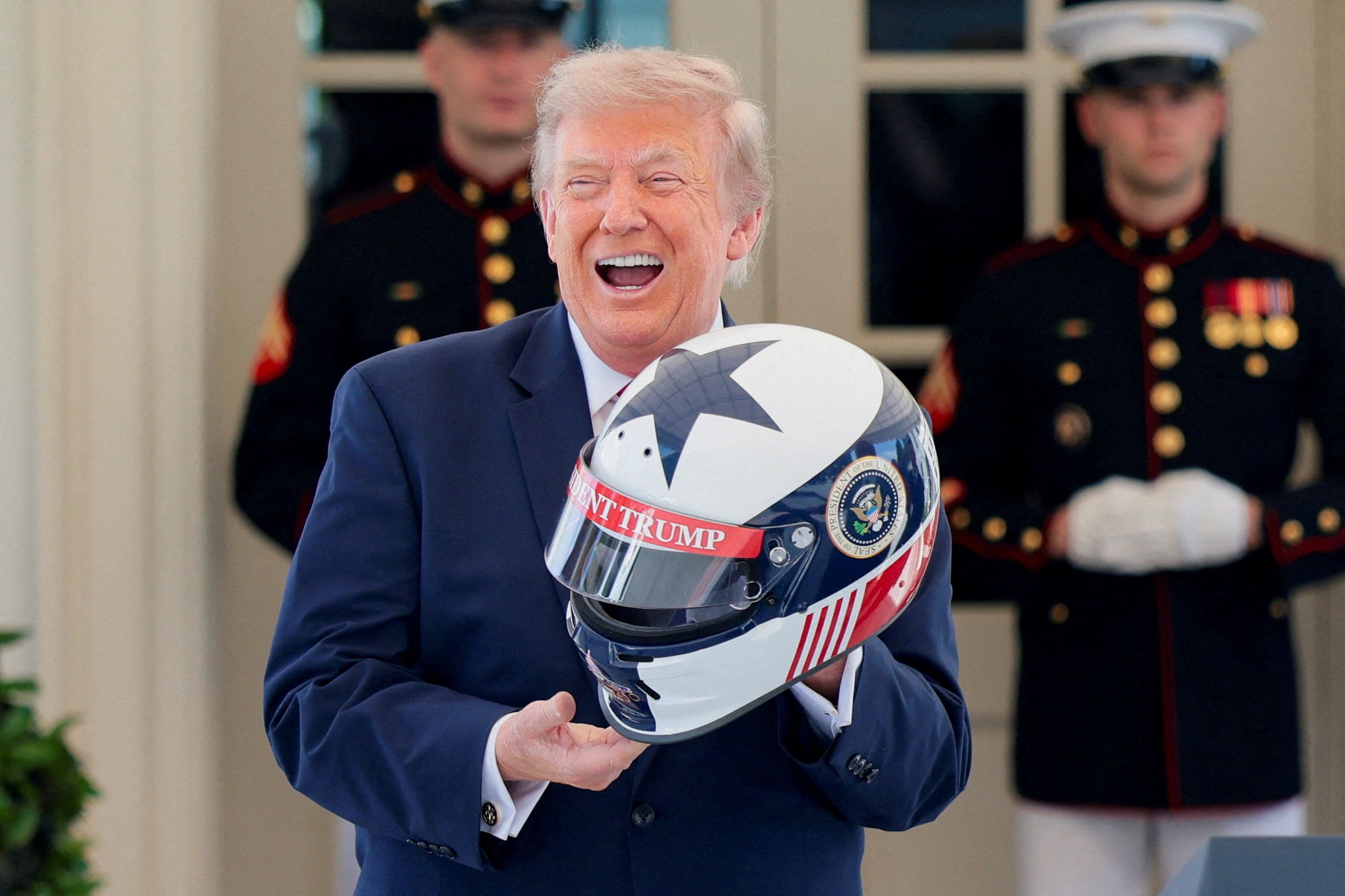
President Trump's prime-time Thursday speech from the White House is slated to include election integrity, an update on Iran and whatever else he deems important, a senior adviser tells Axios' Marc Caputo.
- "It will be a potpourri," the adviser says.
Why it matters: Though ever-available to reporters, Trump hasn't given many prime-time, direct-to-camera speeches from the White House. He wants to do more of them, the adviser says.
🔎 Zoom in: Trump announced on Truth Social yesterday that he plans to give a "Speech to the Nation" on Thursday at 9 p.m. ET. The specifics beyond that — where in the White House and the exact topics — are less certain. But two issues are top of mind for Trump:
- Resumed hostilities with Iran. "It's changing by the minute, but it's something he wants to address," the adviser says.
- Election integrity. The president wants to pass the SAVE America Act, a strict voter ID law that's stalled in Congress. And he may present his intelligence officials' findings about the 2020 election, which Trump won't admit he lost.
Trump's adviser denied online reports that the president plans to discuss Georgia's 2020 Senate elections that were won by two Democrats.
🥊 Reality check: You never know what Trump's going to talk about. He just wants to talk. And he wants to do more of it.
- "We want to get into the rhythm of doing this," the adviser says. "It's powerful when you give prime-time speeches that give a sense of importance to what he's saying."
3. 🛢️ The push to bypass Hormuz
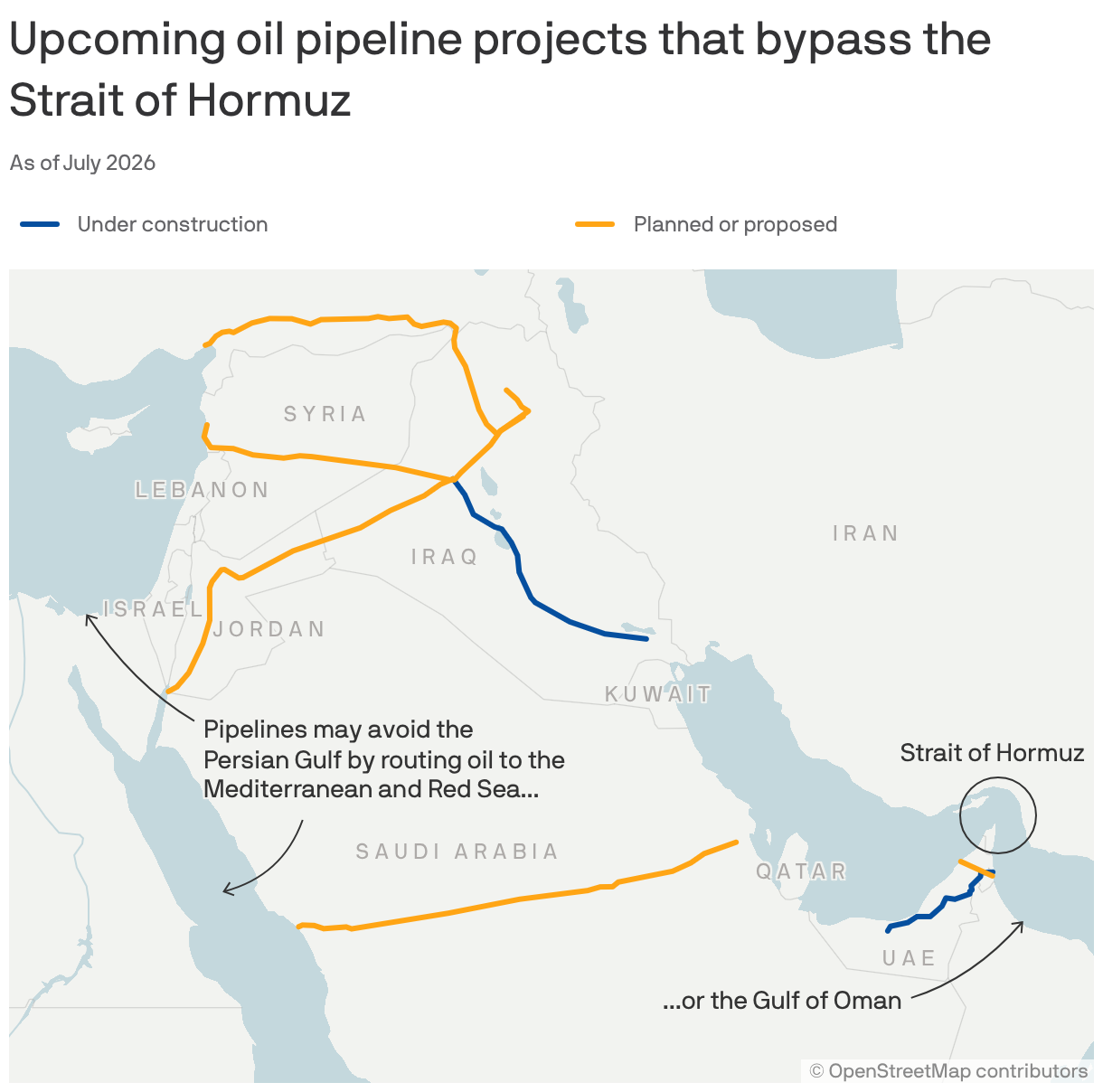
Oil's top players are building their way around the Strait of Hormuz instead of waiting for the fight to end, Axios' Emily Peck writes.
- Why it matters: Countries and companies are racing to move oil and gas out of the region without passing through the strait, the world's most important — and vulnerable — energy chokepoint.
🔭 Zoom in: Goldman Sachs analysts identified seven pipeline and infrastructure projects (under construction, planned or deemed feasible) that would allow oil to bypass the strait entirely.
- The analysts found that new pipelines under construction or in the works could carry enough oil to replace more than 45% of what Gulf producers used to ship through the strait by the end of next year.
- By the end of 2028, the number rises to more than 60%.
Between the lines: These projects could come together fast. Goldman found that similar pipelines have historically taken a median of 2½ years to build — and even quicker when built in response to a supply crisis.
4. 📉 New data: America's trust tanks
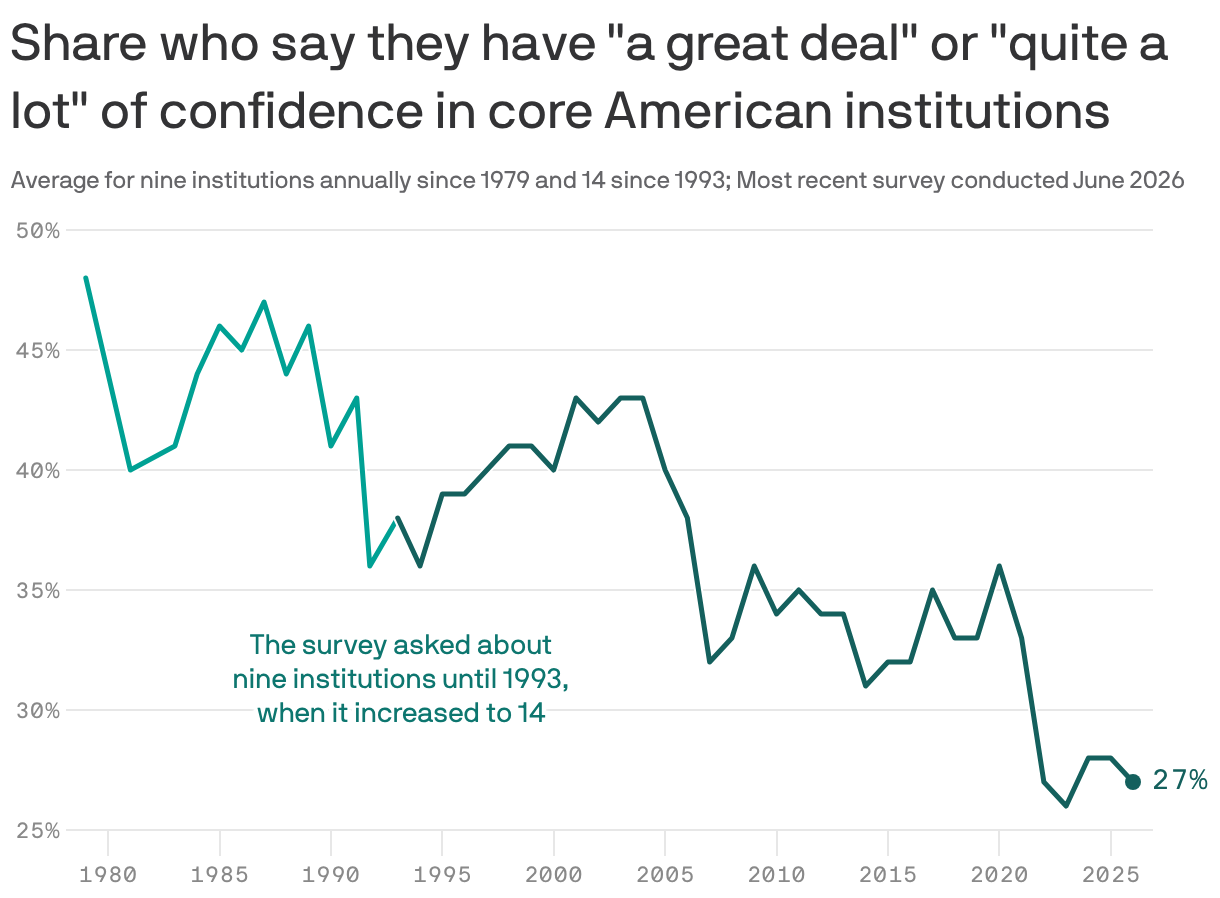
America's confidence in 14 of its core institutions is at or near all-time lows, Axios' Avery Lotz writes from Gallup polling out this morning.
- This year, 27% expressed "a great deal" or "quite a lot" of confidence in those institutions.
- That's just one point higher than the all-time low in 2023.
Zoom in: 27% expressed confidence in the presidency — well down from its 2002 high of 58%.
- Congress, at 9%, is up 2 points from its rock-bottom ratings in 2014 and 2022.
5. 🌡️ Mapped: Heat wave repeat


Another heat wave is bringing dangerously high temperatures from the Great Plains to the Northeast early this week, Axios' Alex Fitzpatrick writes.
- NOAA forecasters expect record-breaking highs of 95° to 105° across the northern Plains, Midwest and Northeast through midweek.
Over 128 million Americans are under a heat warning, watch or advisory.
6. 🌉 Stat du jour: AI housing takeover

7. 💥 U.S. drone boat debut
Axios Future of Defense author Colin Demarest writes:
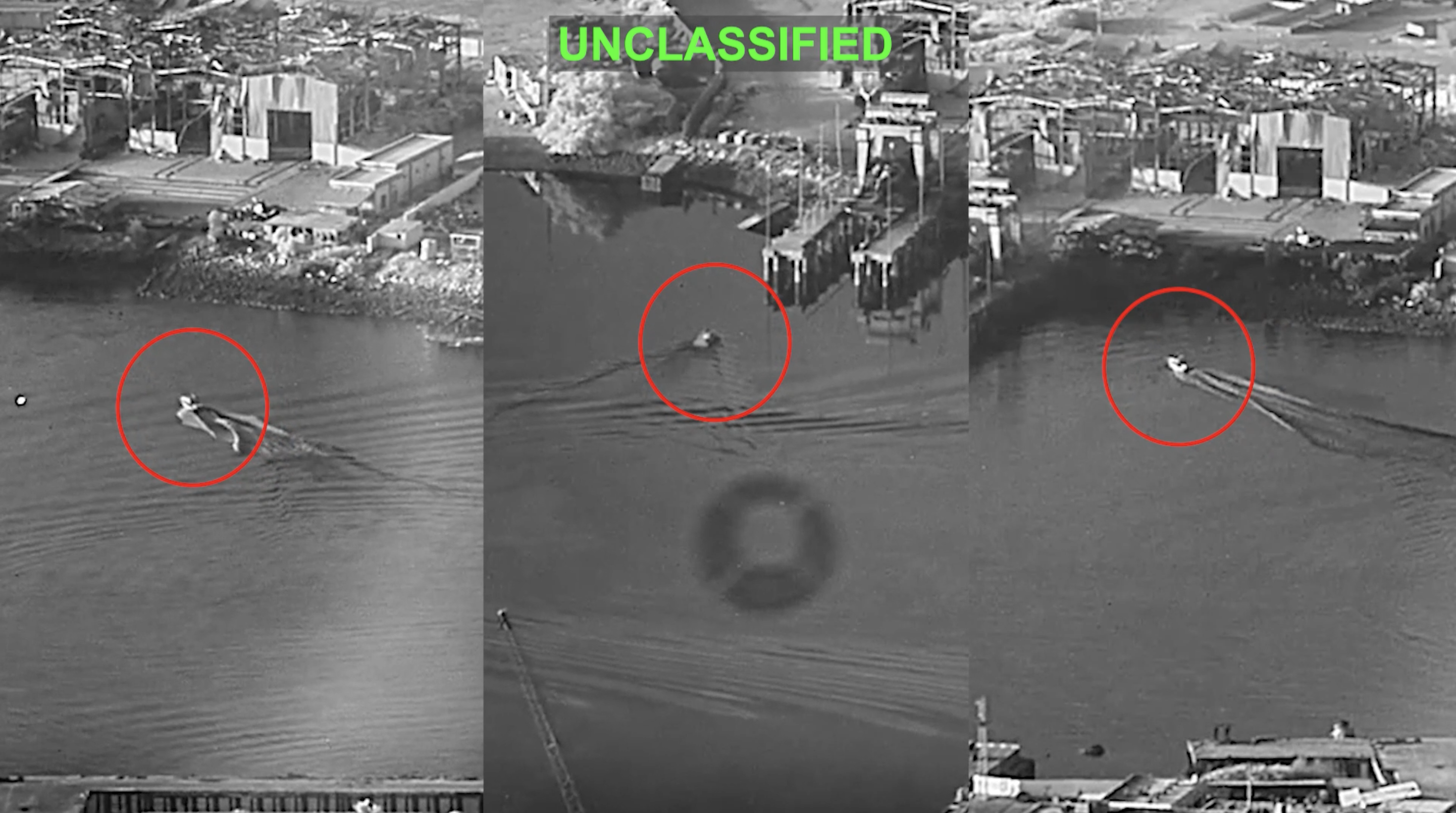
The U.S. this week used a trio of drone boats to attack an Iranian pier near the Strait of Hormuz, where at least one small submarine was stationed.
- Why it matters: It's a first-of-its-kind operation, according to U.S. Central Command, which oversees military action across the greater Middle East.
Dramatic footage shared by CENTCOM shows three Saronic-made Corsair boats zipping toward the facilities and exploding at the water's edge, tossing fire and smoke into the sky.
8. 🥃 1 fun thing: Washington's $1,000 whiskey
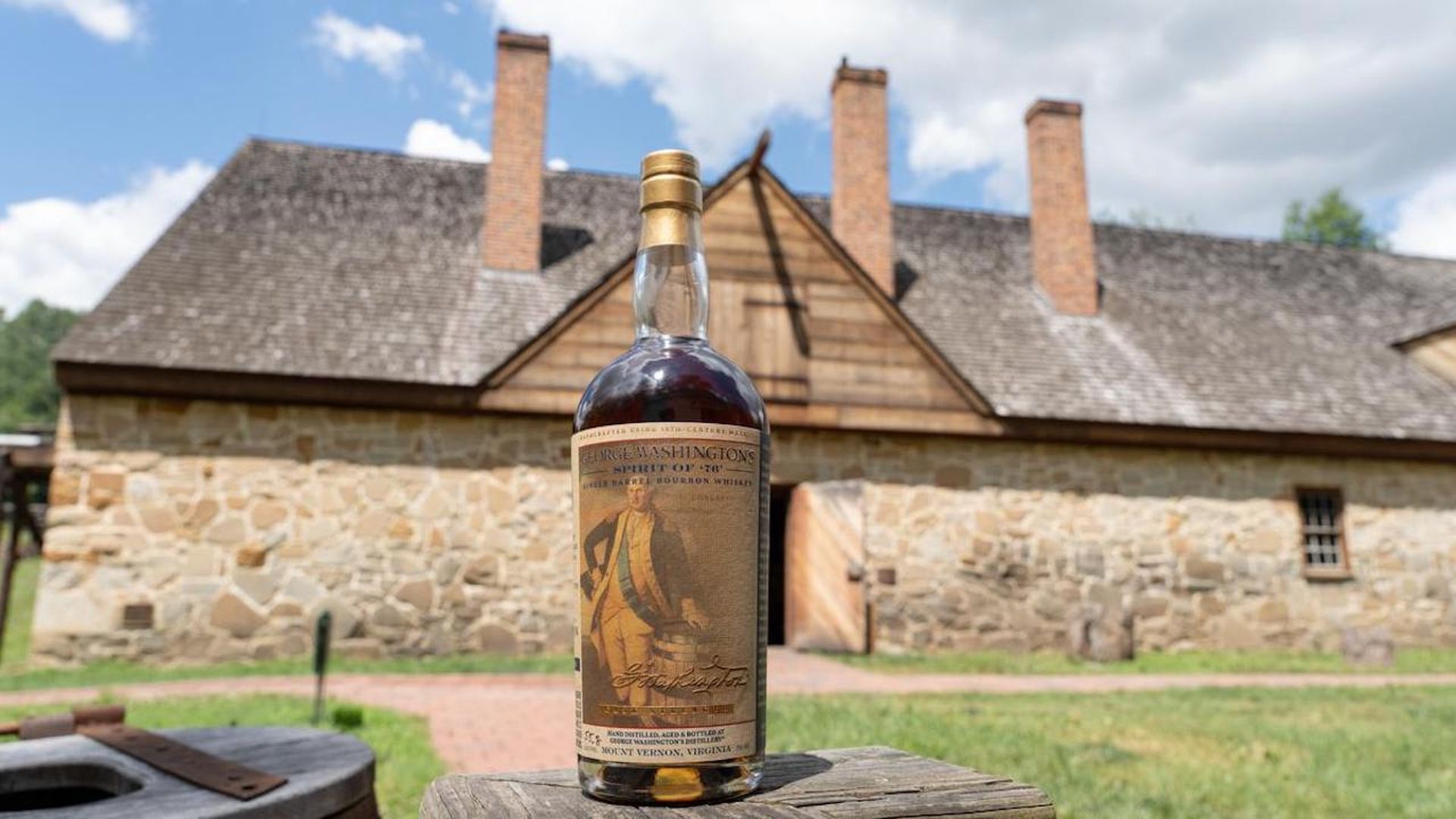
The reconstructed distillery at George Washington's Mount Vernon is selling limited-edition whiskeys made with 18th-century methods for America's 250th, Axios D.C.'s Anna Spiegel writes.
- It costs $1,000 and is available for purchase at Mount Vernon.
Keep reading … Get Axios Local: Newsletters in 39 cities … soon to be 41.
Axios AM