Axios AM

May 30, 2025

1 big thing: The Great Fusing
/2025/05/30/1748579064294.gif?w=3840)
2. 🦾 Trump's AI powerbrokers
Lost in the rush to win the AI arms race is any real public discussion of the rising risks, Jim and Mike continue in their column:
- The risk of Middle East nations and companies, empowered with U.S. AI technology, helping their other ally, China, in this arms race.
- The possibility, if not likelihood, of massive white-collar job losses as companies shift from humans to AI agents. (Read our column from Wednesday.)
- The dangers of the U.S. government becoming so reliant on a small set of companies.
- The vulnerabilities of private data on U.S. citizens.
🔎 Zoom in: The Great Fusing has created a new class of middlemen — venture capitalists, founders and influencers who shuttle between Silicon Valley and Washington, shaping policy while still reaping tech's profits.
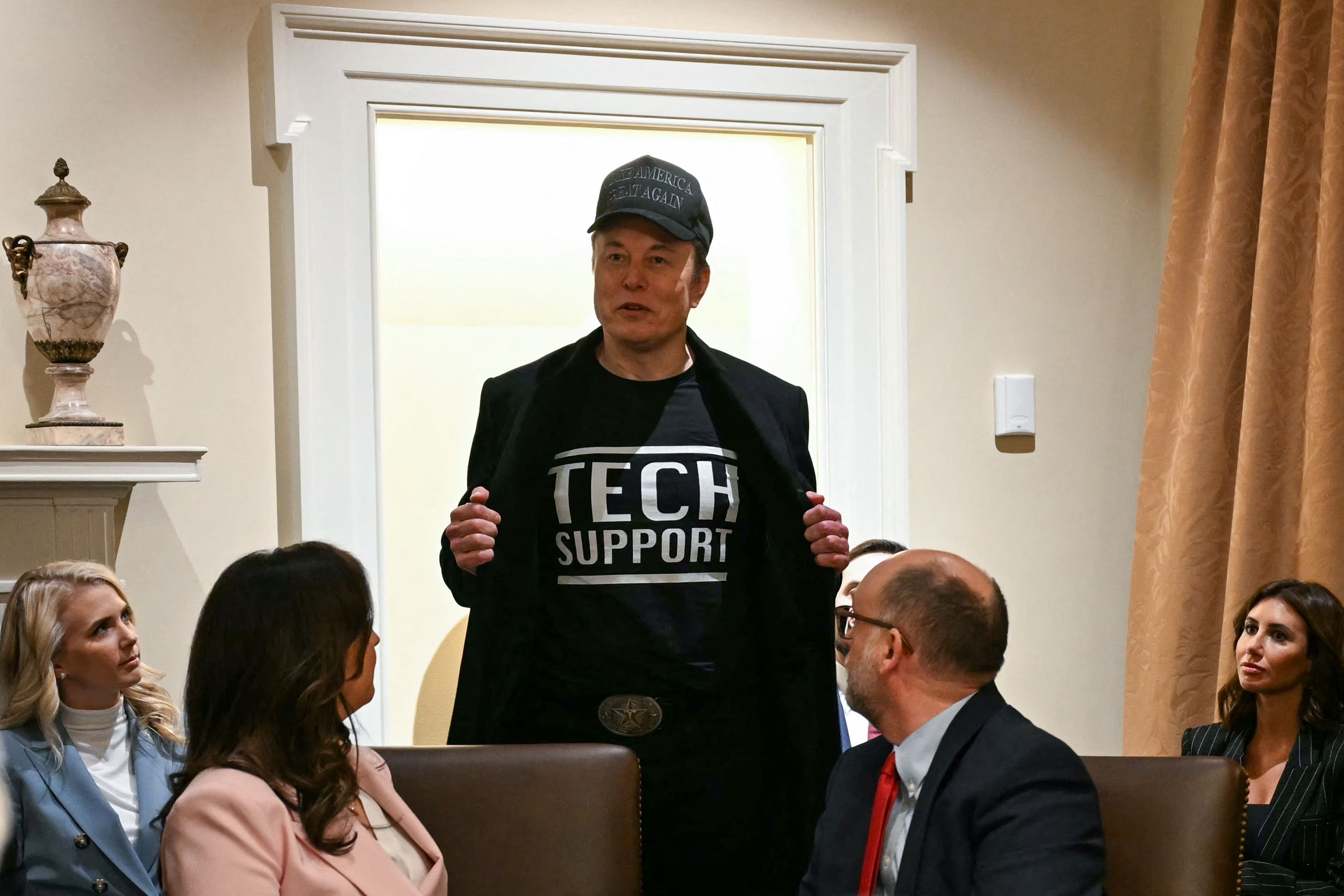
- Elon Musk could become the government's main supplier of space rockets, satellites, internet connectivity, robots and other autonomous technologies. And with what he's learned via DOGE, Musk's xAI is well-positioned to package AI products and then sell them back to the U.S. government.
- David Sacks, Trump's AI and crypto czar, acts as the premier translator between the two worlds — running point on policy, deals, and narrative through his government role, tech network, and popular "All-In" podcast.
- Marc Andreessen, whose VC firm Andreessen Horowitz has stakes in nearly every major AI startup, has been a chief evangelist of the pro-acceleration, anti-regulation doctrine at the core of Trump's AI agenda.
🥊 Reality check: The Great Fusing has been led more by Silicon Valley iconoclasts (Musk) than the incumbent stalwarts (including Mark Zuckerberg), who have rushed to align with the emerging gravitational pull.
🎓 Tech-education nexus: Silicon Valley, facing a new race for AI engineers, cheered during the campaign when Trump floated automatic green cards for foreign students who graduated from U.S. colleges.
- But so far, tech moguls have been relatively quiet as Trump halted all student visa interviews and tried to ban international matriculation to Harvard.
🪖 New defense reality: Palantir, Anduril and other advanced defense tech companies have more Pentagon traction than ever, robotics companies are surging and entire industries are being born — including undersea drones and space-based weapons.
- Share this column ... Dan Primack and Zachary Basu contributed reporting.
3. 💰 Global economy's trade paralysis
/2025/05/29/1748561898153.gif?w=3840)
4. 💸 Charted: Elon's slim DOGE savings


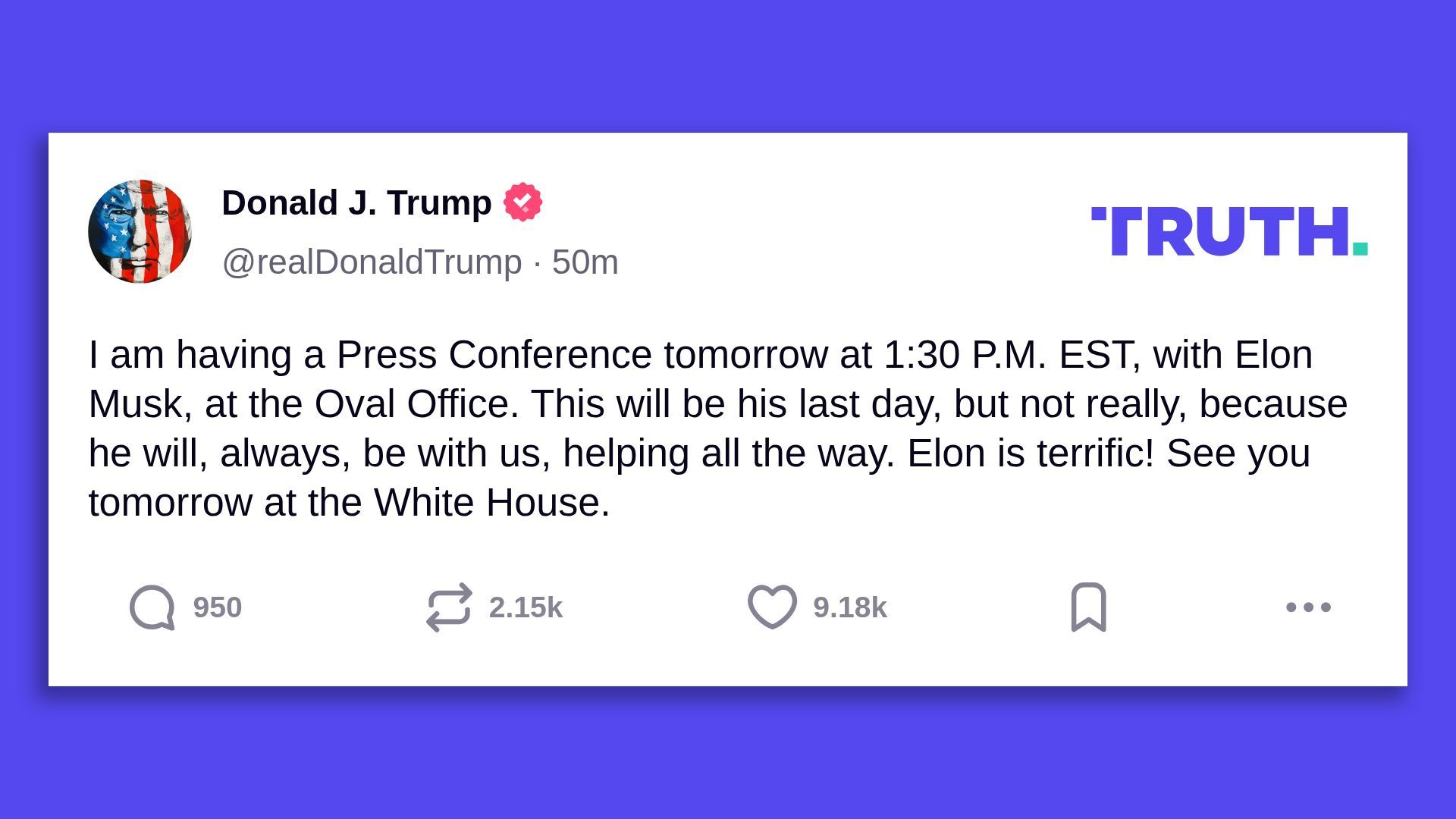
Elon Musk, who officially leaves the White House today, claims DOGE saved $175 billion in taxpayer spending. An outside analysis estimates the verified savings are closer to $16 billion, Axios' Neal Rothschild writes.
- Why it matters: Even those savings are at risk of being washed away by Trump's "One, Big Beautiful Bill."
By the numbers: The bill, which passed the House last week, is projected to add $3 trillion to $5 trillion to budget deficits over the next 10 years.
- Even using Musk's most generous estimate, those DOGE savings would amount to just 6% of the bill's projected increase to the deficit.
5. 🤫 Secret workplace chatbot use


More employees are using generative AI at work and many are keeping it a secret, Axios' Megan Morrone writes.
- Why it matters: Absent clear policies, workers are taking an "ask forgiveness, not permission" approach to chatbots, risking workplace friction and costly mistakes.
The big picture: Secret AI use proliferates when companies lack clear guidelines, because favorite tools are banned or because employees want a competitive edge over coworkers.
- Fear plays a big part too — fear of being judged, and fear that using the tool will make it look like they can be replaced by it.
🧮 By the numbers: 42% of office workers use generative AI tools like ChatGPT at work. 1 in 3 of those workers say they keep the use secret, according to research out this month from security software company Ivanti.
- A McKinsey report from January showed employees are using AI for significantly more of their work than leaders think they are.
6. 🥸 Impersonating Susie Wiles

The FBI is investigating a "clandestine effort to impersonate White House chief of staff Susie Wiles" after someone pretending to be her called and texted prominent Republicans and business executives, The Wall Street Journal's Josh Dawsey reports.
- Why it matters: Wiles has told people that the contacts on her personal cellphone were hacked, "giving the impersonator access to the private phone numbers of some of the country's most influential people."
"Some of the calls featured a voice that sounded like Wiles, people who heard them said. Government officials think the impersonator used artificial intelligence to imitate Wiles' voice," The Journal notes.
- FBI officials don't believe a foreign country is involved.
Keep reading (gift link).
7. State Dept. eyes "Office of Remigration"
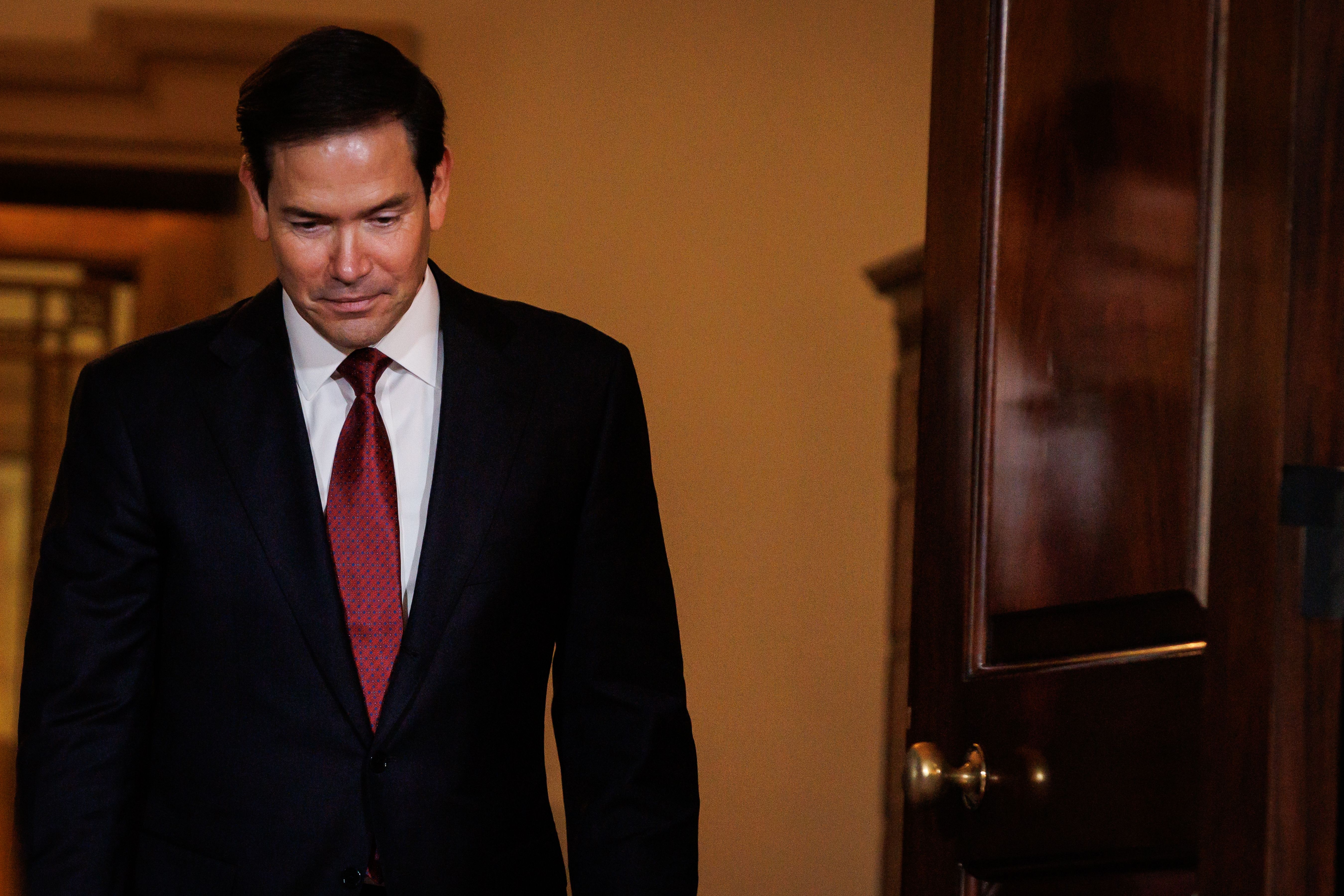
The State Department plans to create an "Office of Remigration" in a sweeping reorganization drive tied to the Trump administration's efforts to deport millions of immigrants, Axios' Russell Contreras and Marc Caputo report.
- Why it matters: The term "remigration" is a concept critics say has a troubled history in Europe, where it's used by far-right groups. The proposed office would signal the State Department's shift from helping refugees to removing immigrants.
The proposed State Department overhaul — announced yesterday — would cut various programs and staff, including an office responsible for resettling Afghan allies who supported U.S. military operations.
8. 🐝 1 fun thing: Last speller standing

Faizan Zaki, 13, from Allen, Texas, won the Scripps National Spelling Bee last night — a year after finishing second in a spell-off tiebreaker.
- The winning word: "éclaircissement" — a clearing up of something obscure.
Axios AM