Axios AI+
October 30, 2025

Axios' AI+ Summit returns to San Francisco on Dec. 4. I'm excited to announce the first speakers in what will be a stellar lineup: Google DeepMind co-founder and CEO Demis Hassabis, Box co-founder and CEO Aaron Levie, Sierra co-founders Bret Taylor and Clay Bavor, and Geometric AI founder and CEO Gary Marcus. Secure your spot here.
Today's AI+ is 1,081 words, a 4-minute read.
1 big thing: The AI boom goes on

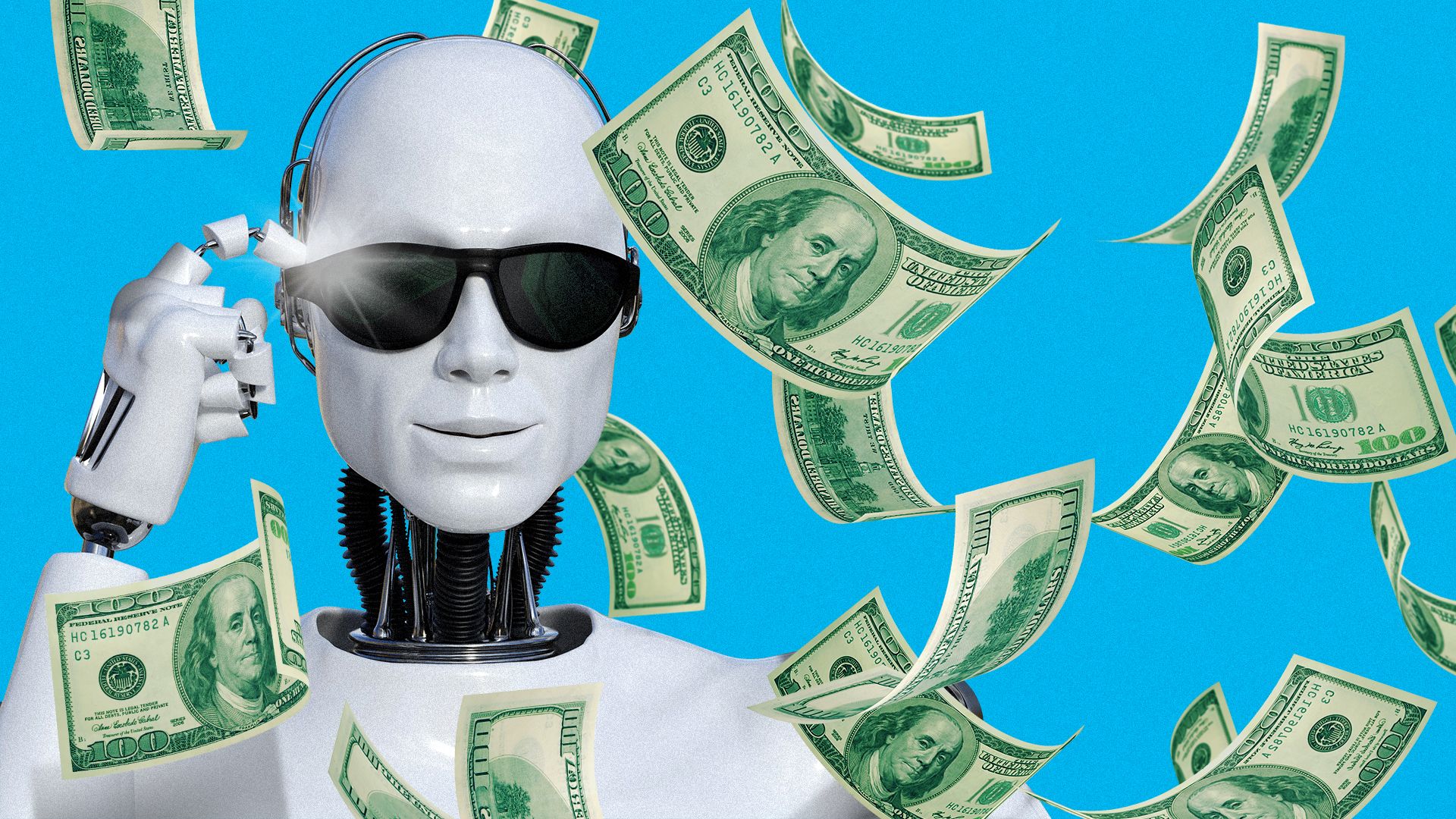
The AI spending spree isn't going anywhere. It's only getting stronger, in fact, and the sums more astronomical.
Why it matters: The longer the boom can keep carrying the economy, the more it can offset other structural changes, like a reordering of global trade and a transformation of the labor market.
Driving the news: Meta, Microsoft and Google — some of the major "hyperscalers" driving the AI transformation — all made bullish comments yesterday on their spending plans.
- Meta raised its spending forecast, saying its capital expenditures on AI infrastructure and the like will be at least $70 billion this year, and "notably larger" next year.
- Google parent Alphabet — fresh off a record $100 billion revenue last quarter — raised its own spending forecast for the year to at least $91 billion.
- Microsoft CEO Satya Nadella said strong demand was the reason they "continue to increase our investments in AI across both capital and talent."
Yes, but: Tech giants and their investors are thrilled by all the new business.
- Still, some of the discussion in this week's earnings calls suggests that demand is coming from companies spending beyond their means or financing each other in a loop that could unravel if one link breaks.
Zoom out: The AI boom is so large, and at this point so self-sustaining, it's taken on an economic life of its own.
- Federal Reserve chair Jerome Powell, during a news conference, rejected the idea that the Fed lowering the cost of money would fuel an AI bubble in some way.
- "I don't think that the spending that happens to build data centers all over the country is especially interest sensitive," Powell said. "It's based on longer-run assessments that this is an area where there's going to be a lot of investment that's going to drive higher productivity and that sort of thing."
- There's little doubt of the ongoing impact of all these hundreds of billions of dollars in spending.
- "This has been an important backstop for the economy and without which we would have seen substantially weaker growth numbers," Vanguard global chief economist Joe Davis wrote.
Zoom in: The ongoing evidence is clear from companies like Caterpillar, as Axios' Nathan Bomey writes.
- Caterpillar CEO Joe Creed said on an earnings call that sales of equipment in the company's power generation segment soared 33%, "primarily due to demand for reciprocating engines for data center applications."
- AI is lifting boats beyond the chipmakers, and fueling insatiable demand all up and down the industrial supply chain.
The intrigue: The boom is boosting bottom lines and driving stock market records, but not necessarily translating into jobs yet.
- As Powell noted yesterday, the labor market continues to soften.
- Data centers are good for construction jobs in the short term, but generally don't require huge staffing once they're built.
- Companies like AI heavyweight Nvidia say they need more talent and will keep growing, but it's not clear whether that will be enough to offset signs of rising corporate layoffs.
What to watch: Local opposition to data center construction is rising around the country, as communities reckon with their size and cost, particularly the impact on utility prices given their high power consumption.
- So far that's not stopping anyone from spending, but it could lead to some rethinking about where and how dollars are allocated.
The bottom line: The race to build the future of AI isn't anywhere near over, and yesterday's earnings show that the finish line still isn't in sight.
2. New pro-American AI campaign coming


The AI industry is preparing to launch a multimillion-dollar ad campaign through a new policy advocacy group, Axios has learned.
Why it matters: The new group — Build American AI — is the latest sign that the flush-with-cash AI industry is preparing to spend massive sums promoting its agenda, namely its push for federal, not state, regulation.
Zoom out: Build American AI is an offshoot of Leading the Future, a pro-AI super PAC.
- While Leading the Future aims to invest tens of millions of dollars in 2026 midterm races, Build American AI will focus on issue-oriented ads promoting the industry's legislative agenda in Congress and the states.
- Unlike the Leading the Future super PAC, Build American AI is a nonprofit group — meaning it's a "dark money" organization that's not required to disclose its donors.
- Leading the Future has announced that it's raised $100 million, a figure that will make it a major player in the midterms.
Zoom in: Organizers say Build American AI will emphasize the industry's push for AI to be regulated on a federal level. The industry doesn't want different states to have different policies for regulation, a position that mirrors President Trump's.
- The new group appears ready to target political figures who want to regulate AI on a state level.
- AI leaders are concerned that individual states could embrace policies that lead to what the industry would see as overregulation, and instead want uniform federally imposed guidelines.
Several states already have enacted or are considering plans to regulate AI.
- California — home to Silicon Valley — has passed several bills regulating AI development, for example.
Build American AI will spend eight figures on advertising between now and the spring, a person familiar with the plans told Axios.
- It is not yet clear which states it will target with its ads.
What they're saying: "We will aggressively highlight the opportunities AI creates for workers and communities, and we will expose and challenge the misinformation being spread by ideological groups trying to undermine the
nation's ability to lead," Leading the Future co-heads Zac Moffatt and Josh Vlasto told Axios.
3. Training data
- An AI novel is topping the charts on a Japanese fiction site, sparking heated debate. (Decrypt)
- YouTube is reorganizing and looking to trim staff through a voluntary exit program, citing AI-related shifts. (Sources.news)
- Los Angeles is turning to AI to solve a myriad of logistical problems ahead of the World Cup, Super Bowl and the Olympics. (Axios)
4. + This
As promised, OpenAI's Sora now lets you add pets and objects as "cameos." Here is my cat, Raven, fulfilling her King Kong fantasy.
Thanks to Megan Morrone for editing this newsletter and Matt Piper for copy editing.
Sign up for Axios AI+
