Axios AI+

February 03, 2025
Today's newsletter features several highlights from a recent interview I did with Bill Gates, whose memoir "Source Code" comes out Tuesday. The book, designed as the first in a trilogy, focuses on Gates' childhood and the early days of the PC revolution. Today's AI+ is 1,174 words, a 4.5-minute read.
1 big thing: Gates revisits rivalry with Jobs

Bill Gates' new memoir only stretches through the early days of the computer industry, but even from their first encounters, Steve Jobs stands out as a singular figure.
What he's saying: "He should have been an actor," Gates told Axios. "He really ran the reality distortion field like no one else."
- Gates says he was always immune to Jobs' powers. "I always said to Steve, 'Look, I'm a minor wizard. You're a major wizard. You can cast spells I can't cast, but because I'm a minor wizard, your spells don't work on me. I see the bullshit, that you're just mesmerizing these people.'"
- After Steve Jobs unveiled the NeXT computer, Gates says he derided the machine to Jobs: "This thing is a slow, expensive computer with an overpriced black case," Gates recalls telling him.
Between the lines: Gates says Jobs had "messianic" skills when it comes to marketing and leadership, but couldn't resist getting in a few digs at the late Apple co-founder's lack of technical skills.
- "Steve's achievements are all the more impressive when you know that he couldn't look at a piece of code and know what it was."
- "He was never an engineer," Gates said. "Woz was a real engineer — I mean, a hardcore engineer."
Despite their very different talents and approaches, Gates said he and Jobs shared a knack for getting the best out of the people who worked for them.
- "Clearly, he had so many skills that I didn't, but we were both a little bit pied pipers in terms of getting people to work ridiculous hours," Gates said.
Zoom in: In 1997, Microsoft becomes Apple's savior, investing in the company and pledging support at a time when it was close to bankruptcy.
- Gates says he doesn't regret rescuing Apple. "It was good that Apple recovered and made incredible contributions," Gates said. "Once you get to the mobile thing, then Apple becomes every bit as important as Microsoft. It wasn't up until then. They were more of a niche."
Yes, but: Gates acknowledges it would have been nice if Microsoft had held on to the Apple stock it got as part of the deal.
- "I wish we'd maintained that 5% ownership," Gates said with a laugh. "It was foolish, foolish to sell it, but when we're worrying about all sorts of antitrust things, we sold it for what now looks like nothing. And we owned part of Facebook for a while, too."
2. Coding matters, even in an AI world
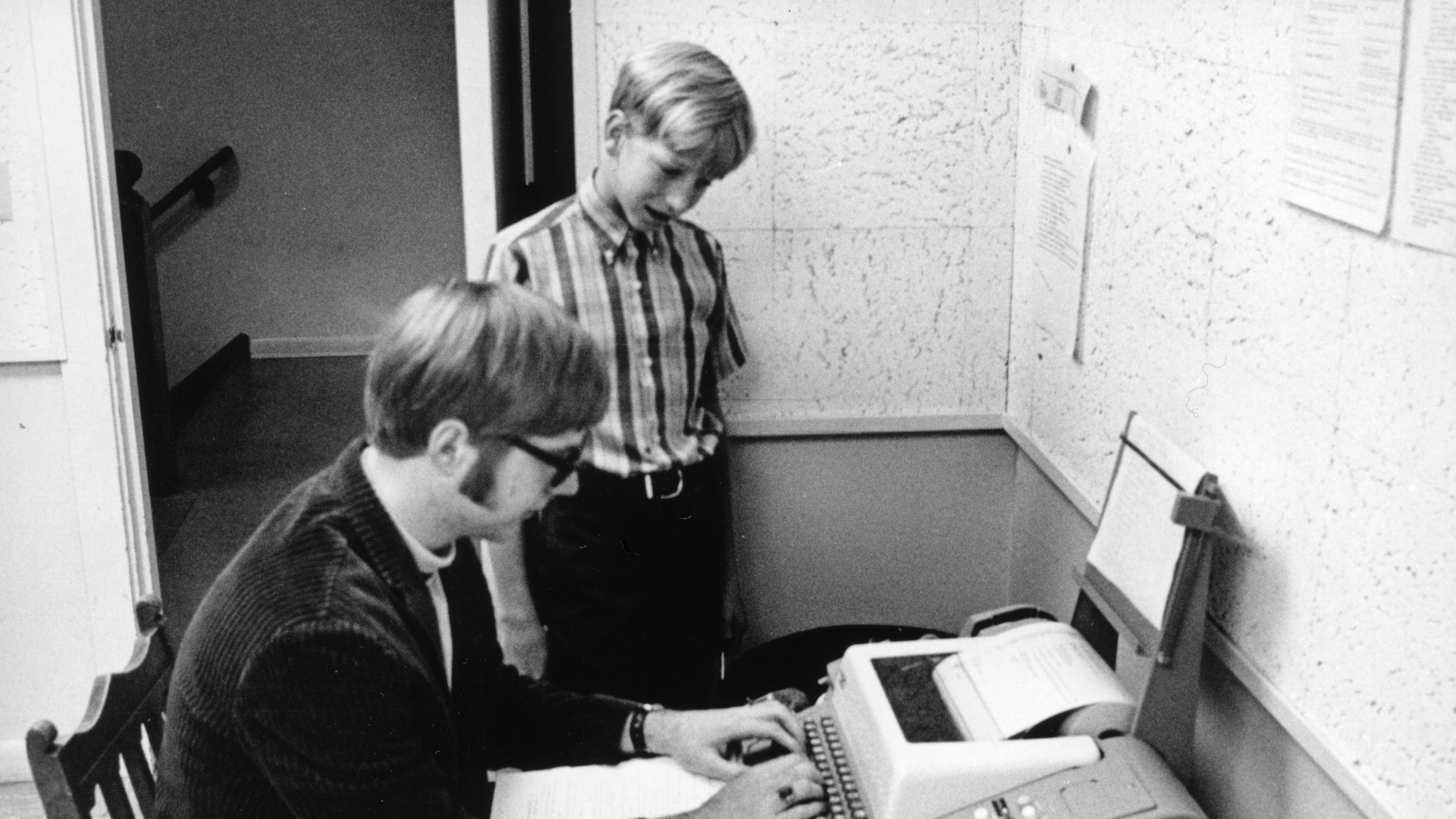
Just because AI-powered computers are getting really good at coding doesn't mean humans don't need the skill, Gates tells Axios.
Why it matters: Gates made the case that math and coding skills help people understand how AI works.
The big picture: "It's kind of like saying, should you learn to multiply, just because computers are really good at it," Gates told Axios.
- "If you want to understand what multiplication is or how numbers work, you've got to play around with them a lot, even though for some of the specifics, you'll just let the computer do it," Gates said.
- Gates says the key to understanding AI is understanding math.
- "I feel sorry for programmers who never had a mathematical background. ... I've always believed you need to understand what's underlying quite well, even if things can help out automatically."
- "Now, if AI ever gets infinitely smart, OK, then it's utterly confusing what you should do, but knowing the innards of the AI helps you understand why it's so crazy smart sometimes and so crazy stupid other times," he added.
Between the lines: AI will put pressure on traditional means for assessing educational progress, but Gates argues there are ways to measure learning even when students use AI chatbots as part of their work.
- "Sal Khan writes in his book about how what you should turn in is not the final paper, but rather the log of the session with the AI, so the teacher can literally say to the AI, 'OK, how much did the student do?'" Gates said.
- "Then, of course, you're going to have to test people without access to the computer as well," Gates said.
Yes, but: Gates says banning AI in schools would be both futile and counterproductive for producing the next generation of workers "given that [in] the job they'll eventually do, AI will be available to them."
3. Gates opens up about autism
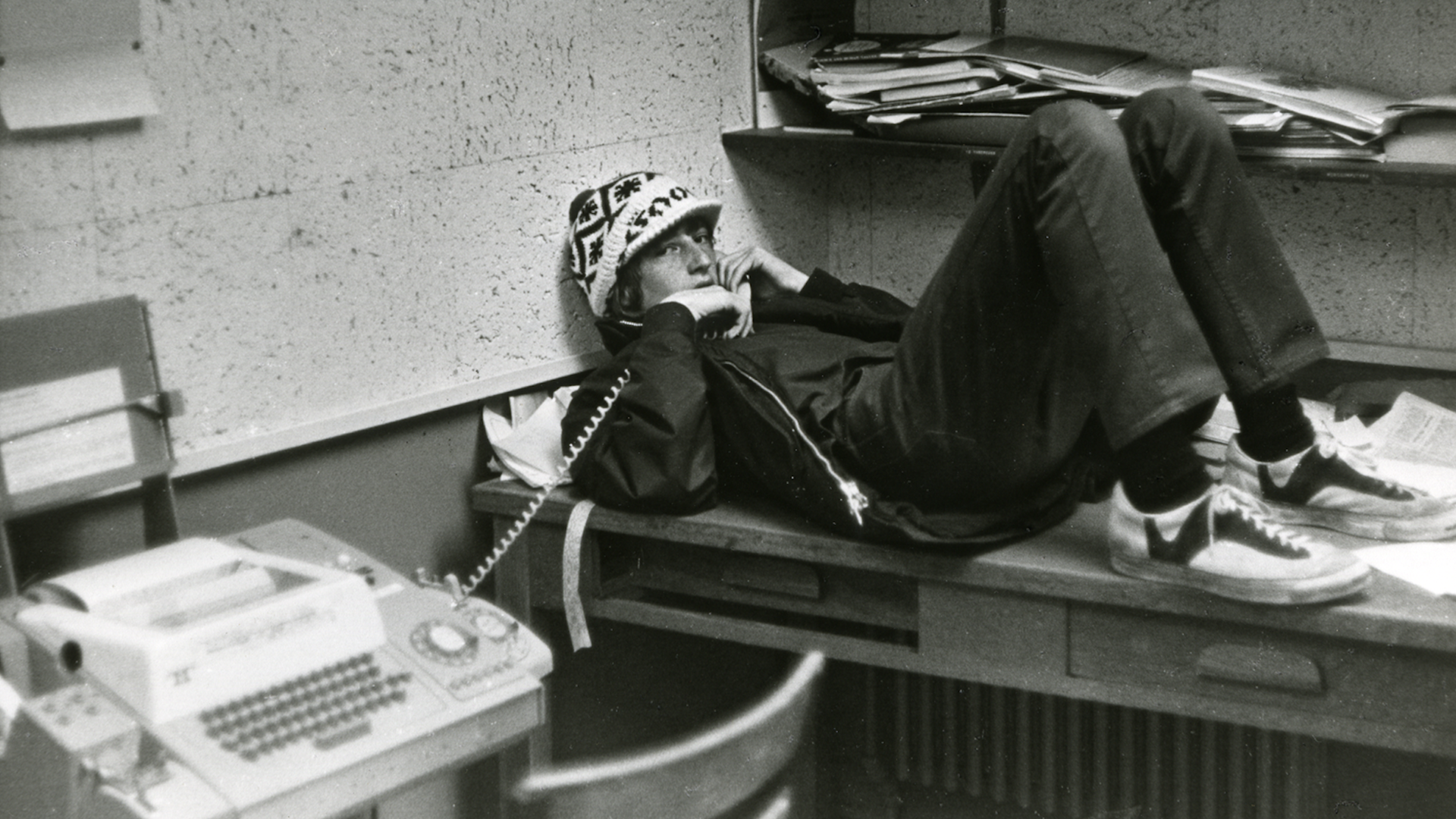
In the final pages of the book, Gates acknowledges something those around him have long assumed: that, were he being raised today, he would be diagnosed with autism spectrum disorder.
Why it matters: Gates tells Axios he hopes that kids like him will benefit from his sharing this part of himself.
- "I think kids [on the autism spectrum] should think of it as a strength and something they need to acknowledge to themselves and think about, OK, how do you draw on it as a strength and be proud of what you're good at," Gates said.
- "I think the world is getting a little better about this. Maybe 10 or 15 years ago, it wasn't as good about this, but I think acknowledging that might be helpful to people."
Between the lines: Gates says he knew he was wired differently than his peers, even if there weren't words to describe it.
- "I always knew I was different in ways that confused people in terms of my energy level and intensity, and going off and just studying things," Gates said.
- "And it's a little confusing when you're a kid, that you're different, or people react to you in some ways, or your social skills — you're miscuing on various things."
Zoom in: Gates credits his mom for pushing him to develop his social skills and encouraging him to talk to adults. "I remember not really liking it, but that was what she wanted me to do," Gates said.
- "I was lucky I wasn't pushed to the side in any way," Gates said.
- "I definitely think my parents, maybe somewhat unintentionally, because there was no diagnosis, but the way they would explain things to me or push me to socialize was very helpful."
Yes, but: Gates said he wasn't thrilled the first time he was asked whether he might have autism.
- "I remember the first time somebody said to me, 'Are you on the spectrum?'" Gates said. "It was like 25 years ago, I remember thinking, 'What the hell? What the hell? I run a goddamn company.' (Laughter.) And then I realized, well, actually, it's probably true. I mean, the spectrum thing is confusing."
5. + This
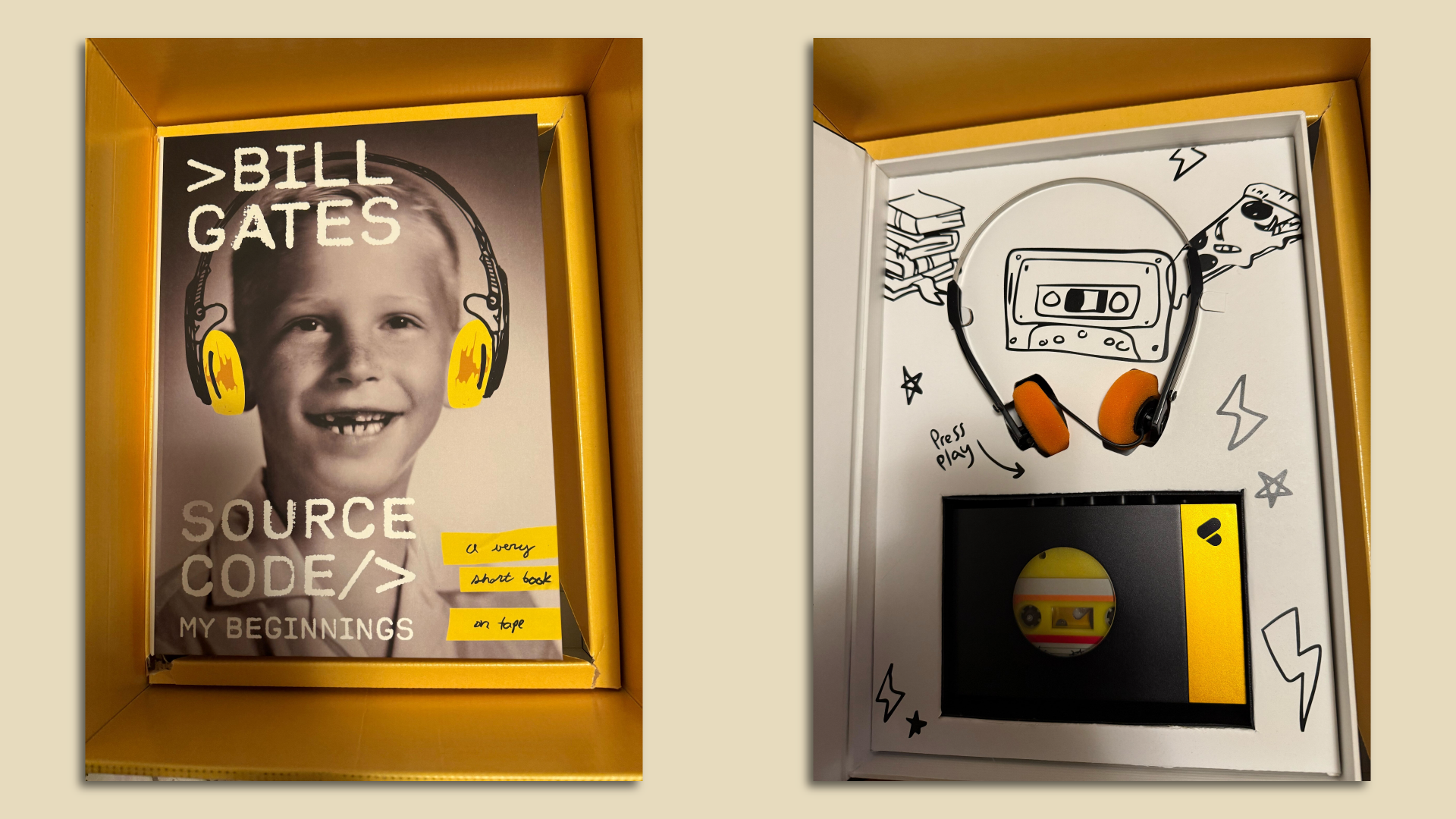
In a retro touch, the press mailer for "Source Code" includes a portable cassette player and a tape with Gates reading an excerpt from the book on one side. The other side features Donovan's 1967 single "Mellow Yellow," which Gates describes as the soundtrack to his Harvard days.
Thanks to Scott Rosenberg and Megan Morrone for editing this newsletter and Matt Piper for copy editing it.
Sign up for Axios AI+
