National Zoo breaks ground on $51M rare Arabian leopard habitat

Add Axios as your preferred source to
see more of our stories on Google.
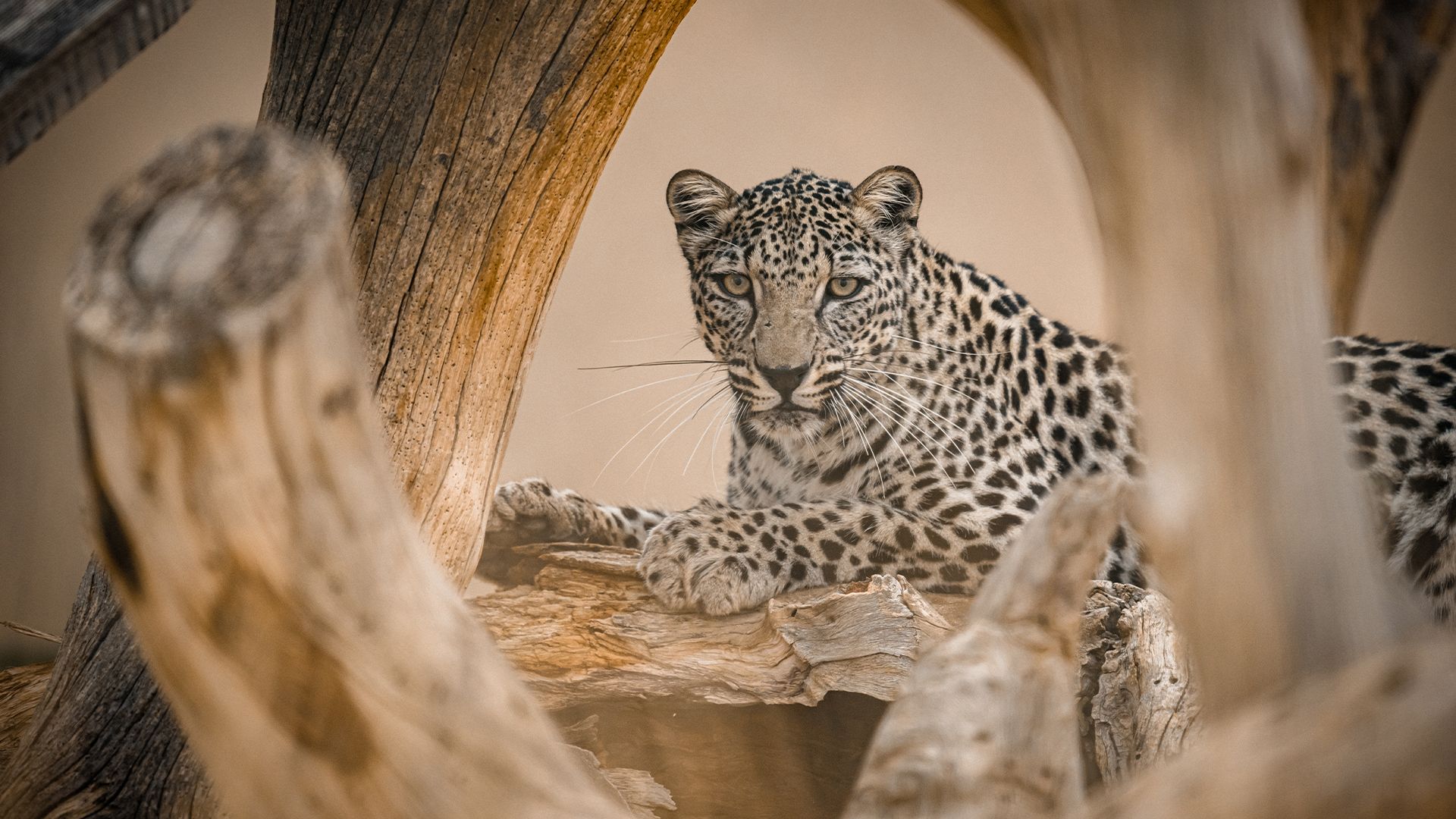
Rare Arabian leopards are coming to the National Zoo. Photo: Courtesy Royal Commission for AlUla
The National Zoo breaks ground Tuesday on a new Arabian leopard habitat — kicking off a $51.6 million, 15-year effort to help save one of the world's rarest big cats from extinction.
Why it matters: Fewer than 120 Arabian leopards remain in the wild, and the Saudi-funded project — backed by the largest donation in National Zoo history — marks a major milestone in efforts to bring the critically endangered cats back from the brink.
Driving the news: The National Capital Planning Commission unanimously approved plans this month for the new habitat.
- The exhibit is slated to open in 2029, according to the zoo, with breeding leopards expected to arrive in D.C. in 2028.
The intrigue: The National Zoo will become the only place outside the Arabian Peninsula where visitors can see the elusive cats — and yes, they'll get their own live leopard cam, à la the pandas.
- Plans call for an overhead animal crossing, meaning visitors could walk underneath a leopard, plus an oasis-like courtyard and habitat inspired by the Arabian Peninsula's rocky cliffs and wadis.
Fun fact: Arabian leopards are the smallest of the world's eight leopard subspecies — cute!
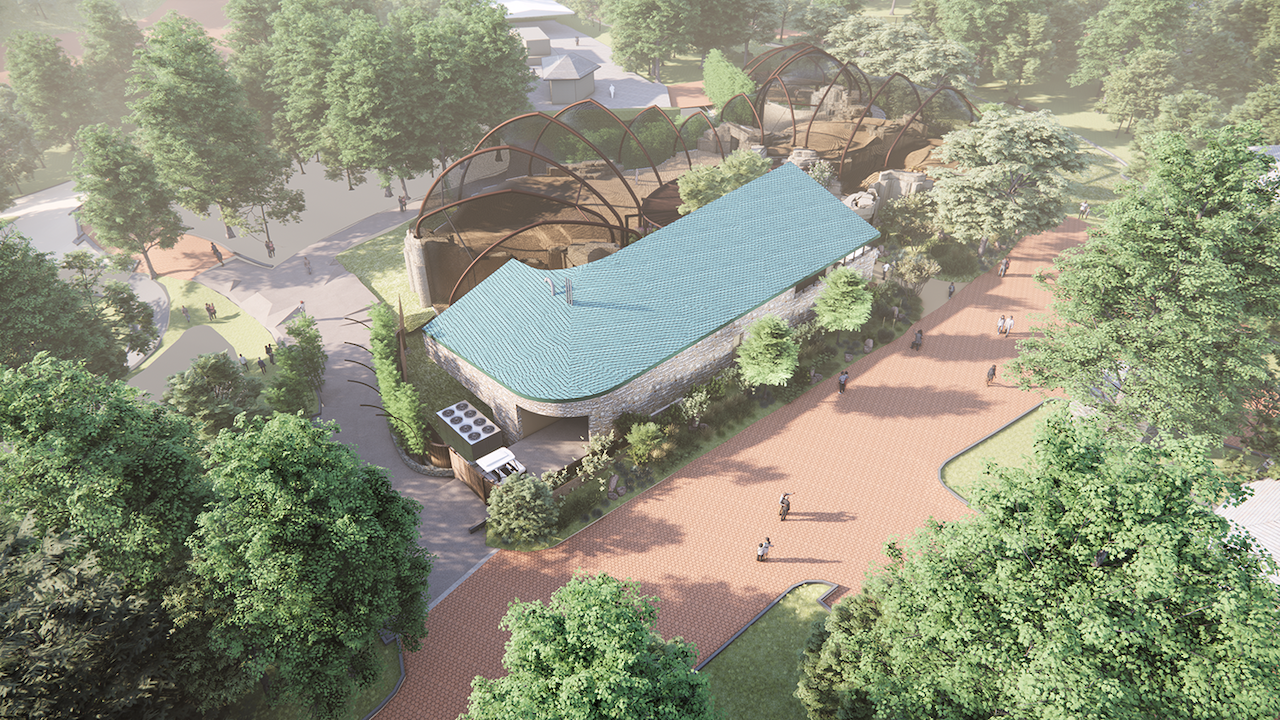
Follow the money: Saudi Arabia's Royal Commission for AlUla donated $51.6 million to fund the habitat, transport the animals and support conservation research and other efforts over 15 years.
- Unlike D.C.'s famous panda arrangement with China, there's no multimillion-dollar loan fee. But any cubs born at the zoo will eventually return to Saudi Arabia to support breeding and reintroduction efforts.
- Move over, panda diplomacy — the leopard liaisons offer their own soft power appeal between the Saudis and U.S. and are a pet project of ambassador Princess Reema, a George Washington University alum.
The big picture: The project adds another rare species to a zoo with a long history of breeding animals on the brink — from giant pandas to Asian elephants.
- This year brought another milestone: the birth of Linh Mai, the zoo's first Asian elephant calf in 25 years.