Saudis give National Zoo its biggest gift ever to build leopard habitat

Add Axios as your preferred source to
see more of our stories on Google.
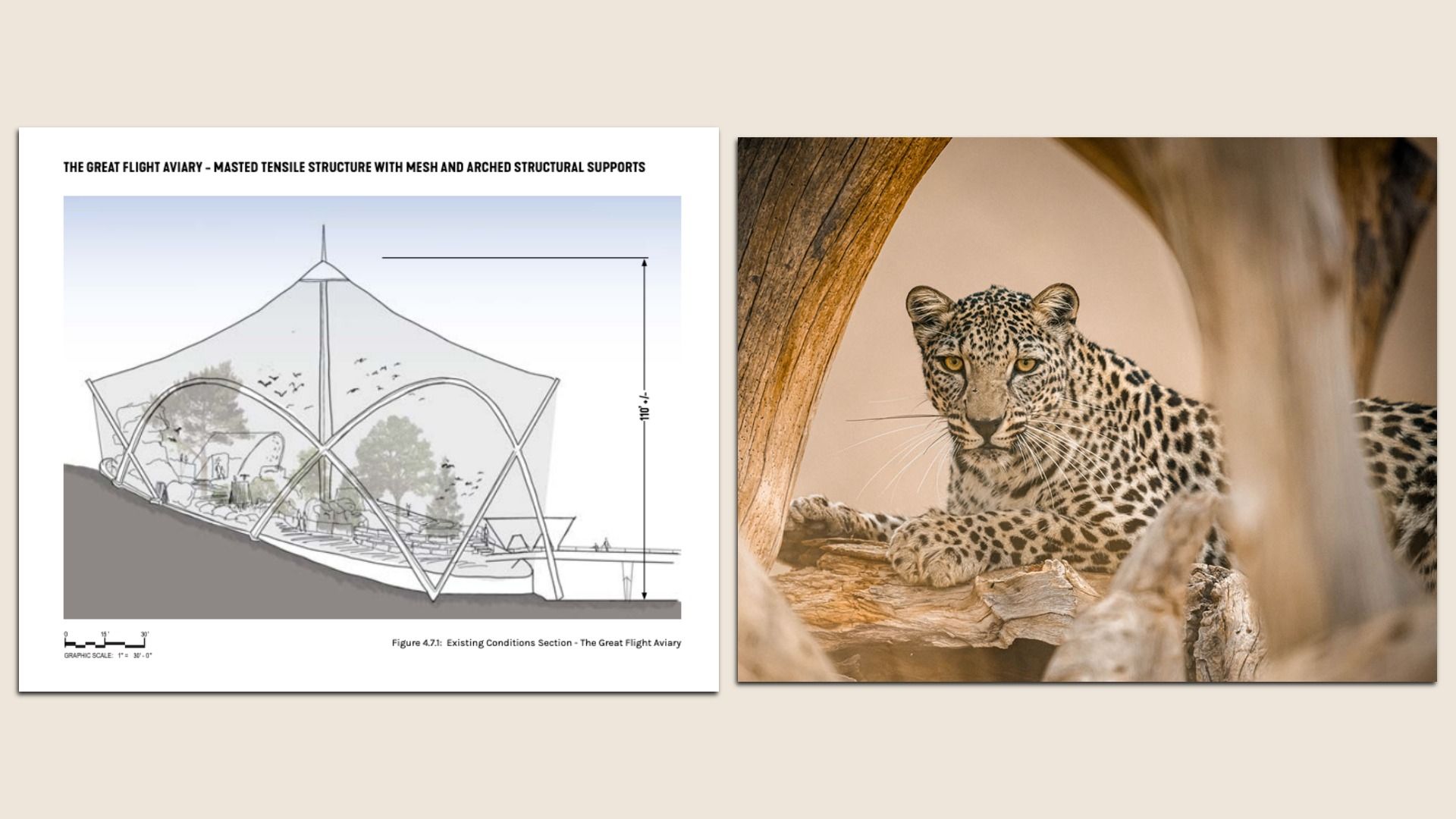
Images courtesy of Smithsonian's National Zoo and filings with the National Capital Planning Commission
Make way, pandas, there's a new emissary coming to town: The Saudi royals are bankrolling a $51.6 million habitat for the Arabian Leopard in the largest donation ever to the National Zoo.
Why it matters: Native to the Arabian peninsula, a pair of the sleek, sand-colored mountain cats — only about 120 remain in the wild — will be part of a 15-year Smithsonian effort to save them from extinction.
The big picture: News of the cat exchange came out of President Trump's Riyadh visit last year, but we're just now learning more. Like how the Saudi gift tops the $24 million from panda patron David Rubenstein, long the zoo's most prominent benefactor, Smithsonian spokesperson Ellie Tahmaseb confirms to Axios.
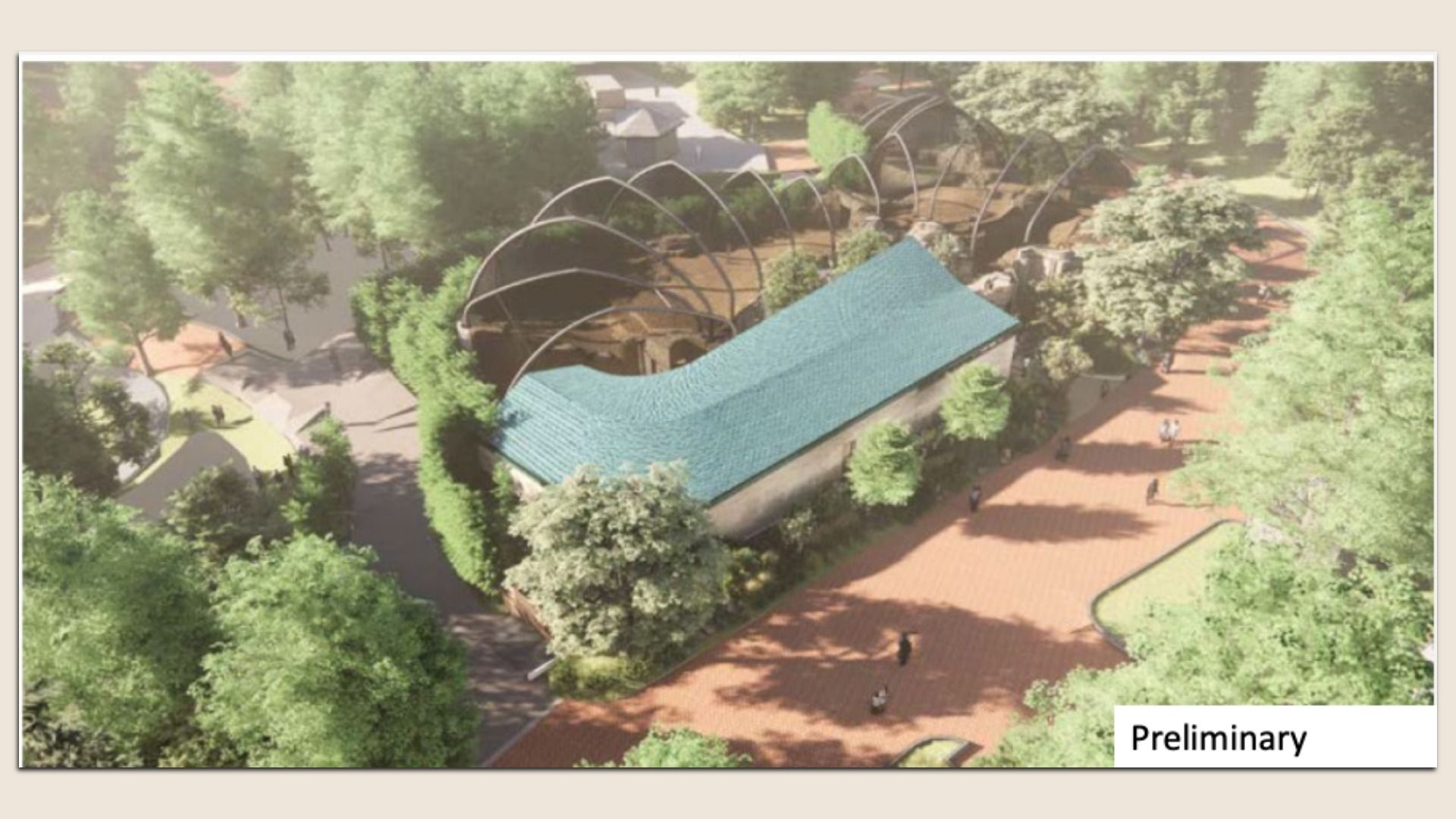
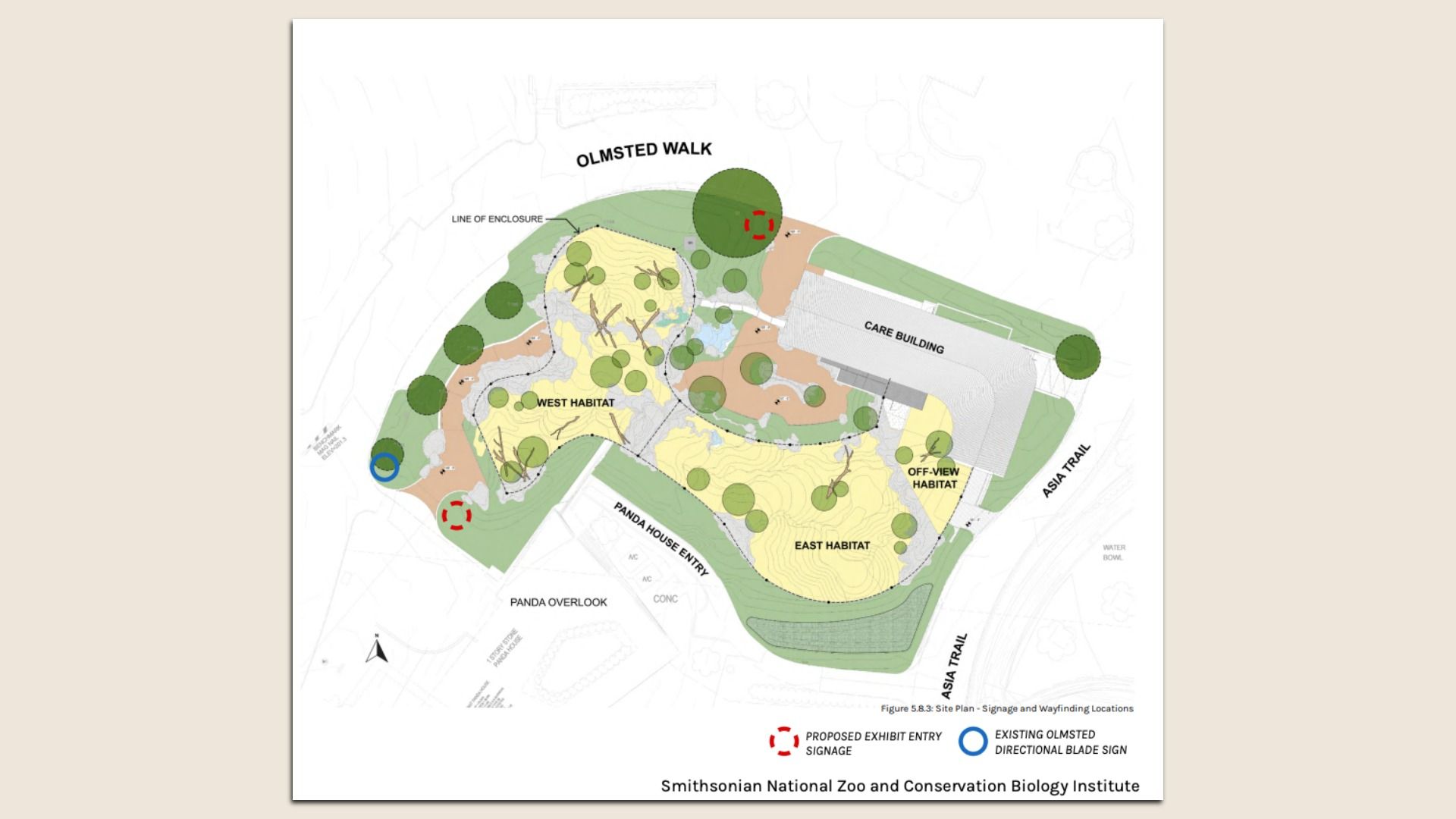
- And what the leopard lair will look like. Newly submitted concept drawings put the cats next door to the panda house, in a mesh-covered, rugged dwelling reminiscent of their hilly wild.
- The design gets a hearing on Thursday at the National Capital Planning Commission, the Trump-stacked board whose appointees will pay attention to everything from limestone bricks to authentic flora.
Between the lines: For the Saudis, much more so than a prince's gift to Georgetown University, or backing think tanks, the leopard liaisons are a splashier show of soft power. You might call it a copycat of China's panda diplomacy.
- The rare beasts, fierce but littlest among leopard species, delighted Trump, as the NY Times reported after the Riyadh trip, and the gesture comes as the kingdom seeks to improve its image in Washington after the 2018 killing of Jamal Khashoggi.
- Geopolitics expert Ian Bremmer tells Axios that there's "more to this than just a Saudi effort to buy goodwill."
Reviving the Arabian Leopard's population is a pet project of Princess Reema, the kingdom's ambassador to the U.S., who happens to be a graduate of George Washington University.
- "Not at all surprised she wants to elevate the visibility of that campaign by bringing it to D.C.," Bremmer said in an email.
Zoom in: Plans call for an exterior habitat and an indoor, climate-controlled lair for year-round visitors.
- There'll be a care facility with three leopard dens and space for cubs.
- Plus: A "VIP Viewing Space" for behind-the-scenes spectating.
"This partnership allows us to do what we do best — apply science to help bring a species back from the brink of extinction," top zoo official Brandie Smith previously announced.
What's ahead: Construction aims to begin in late summer — with a target opening for 2029.