Little Sesame raises $8.5M for new Maryland hummus factory and expansion

Add Axios as your preferred source to
see more of our stories on Google.
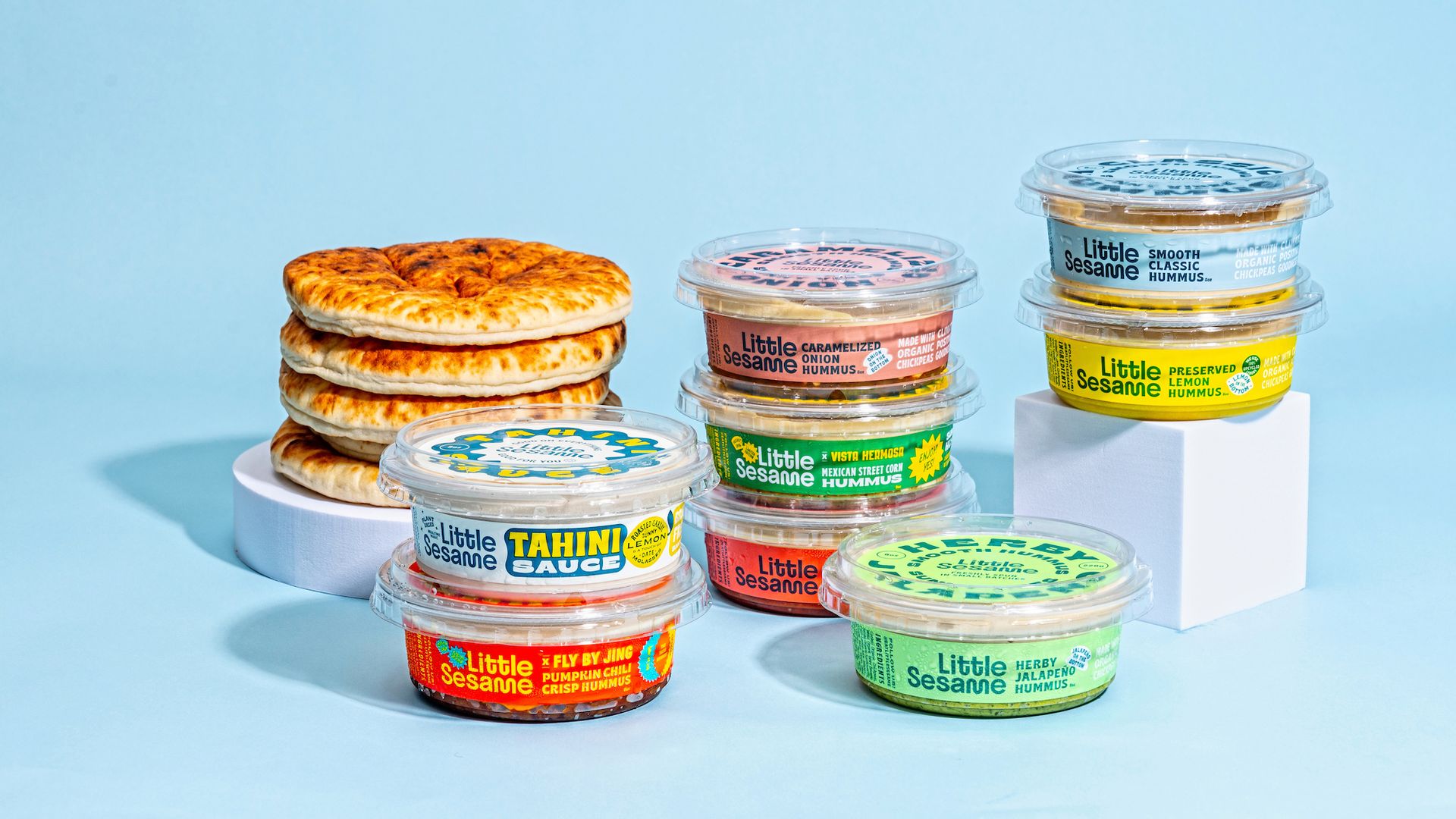
Little Sesame's craft hummus line will expand. Photo: Courtesy of Little Sesame
Little Sesame, D.C.'s homegrown hummus company, is going big after closing an $8.5 million funding round.
Why it matters: They're following in the footsteps of D.C. success stories like Sweetgreen and Cava — local flavor to national brand.
Driving the news: Little Sesame's new funding, led by InvestEco (which backs holistic brands like Lesser Evil), will power a new 23,000-square-foot production facility in Prince George's County, set to open next fall.
- Co-founder Nick Wiseman tells Axios the factory will quadruple capacity and include a test kitchen for chef Ronen Tenne's signature hummus flavors — plus a new kids' line and healthy snacks.
By the numbers: The facility can produce 400,000 lbs of hummus weekly for 3,000+ stores nationwide.
- It will churn through 1.5 million lbs of organic American chickpeas each year.
- The expansion fuels organic farming. Little Sesame is working with the USDA and its Montana farmers to shift 10,000 acres to regenerative, organic farming by 2027.
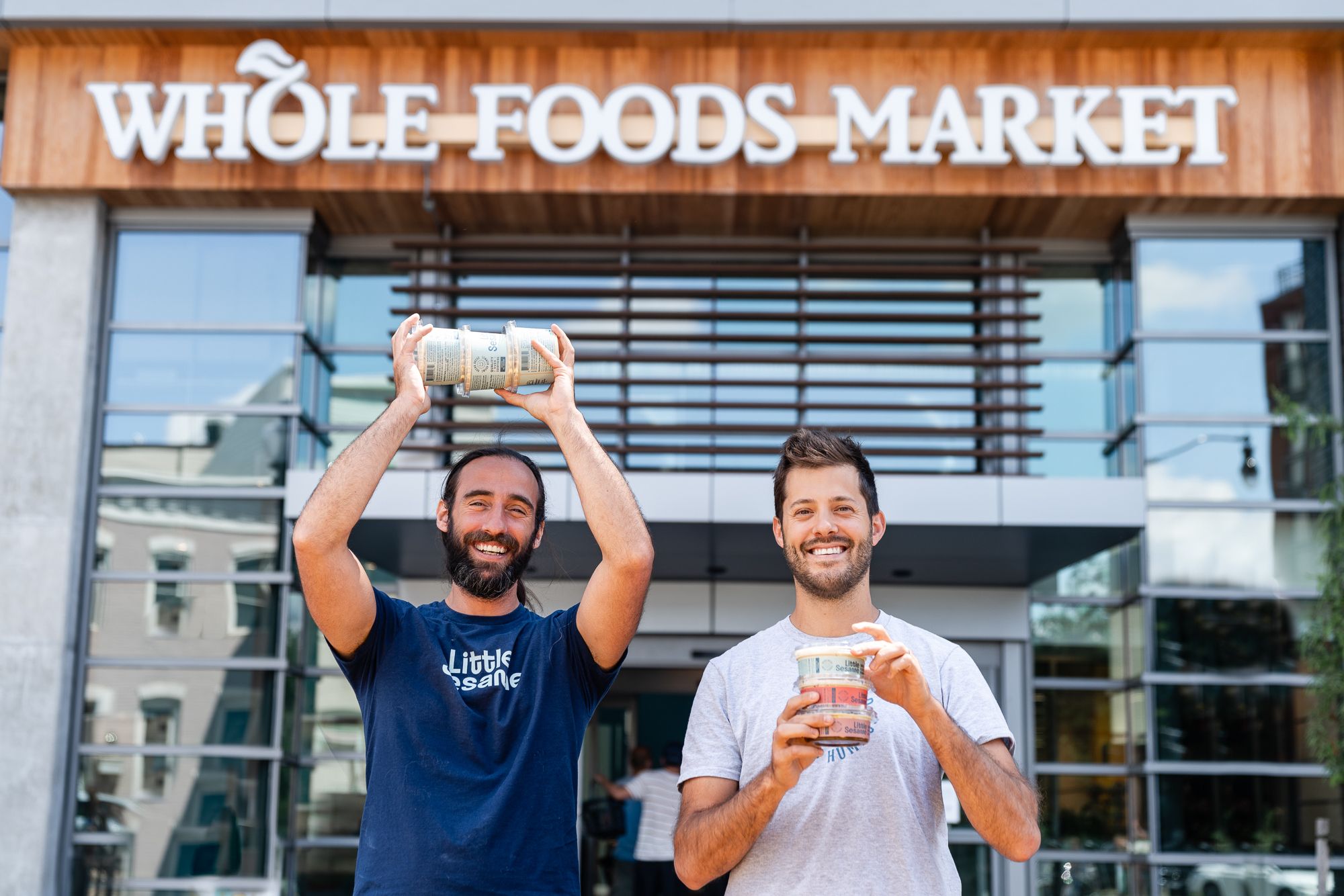
Flashback: Little Sesame started small nearly a decade ago — a pop-up counter in the basement of Wiseman's former Dupont deli, DGS.
- Their pandemic launch into grocery started with 14 local Whole Foods.
- Their fast-casual flagship still slings seasonal hummus bowls near Dupont.
What's next: More restaurants? "Never say never," Wiseman tells Axios, though he's focused on retail.
- The team is rolling out collabs like a tomato-basil hummus with California's Bianco DiNapoli, launching nationwide soon.
The big picture: Hummus is booming. The American market was valued at $1.82 billion in 2023, according to Data Bridge — and the D.C.-Richmond corridor is the hummus hub.
- Cava opened a $35 million facility in Virginia last year, joining its Maryland factory.
- Hummus humongo Sabra can produce 10,000 tons per month, making Virginia the largest producer in the world.
The bottom line: "There's a ton of chickpeas, tahini and oil flowing through our region," Wiseman says.