Congress has a new list of proposed D.C. interventions

Add Axios as your preferred source to
see more of our stories on Google.
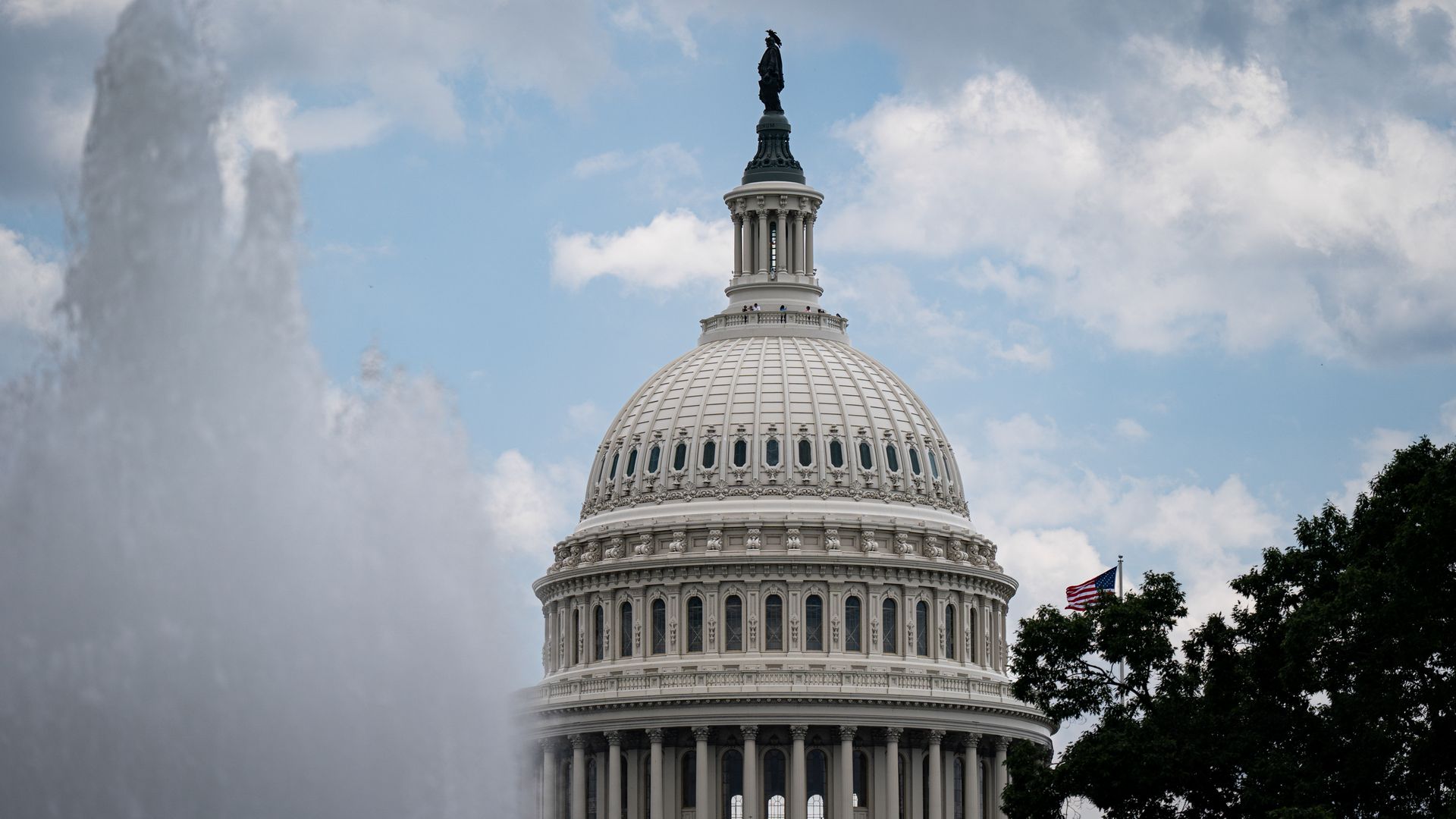
Photo: Al Drago/Bloomberg via Getty Images
Republicans in a key House committee want to intervene in more than a dozen D.C. laws, from banning traffic cameras to allowing out-of-state permit-holders to carry concealed handguns in D.C. and on the Metro.
Why it matters: Republicans have tried passing some of these proposals before, but full control of Congress gives them a better chance to roll back regulations.
State of play: The House Appropriations Committee approved the language on Monday evening, as part of a funding bill that Congress will need to approve by Oct. 1 to avoid a government shutdown. Among the proposals:
- Funding for the D.C. Tuition Assistance Grant Program (DCTAG), which provides D.C. students up to $10,000 a year toward tuition at public colleges outside the city, would be halved to $20 million.
- Congress would continue to block D.C. from spending local funds toward abortions for low-income women and legalize the tax and sale of recreational marijuana.
- D.C.'s assisted-suicide Death with Dignity law would be repealed.
Other provisions would prevent D.C. from enforcing vehicle emission standards, Del. Eleanor Holmes Norton's office said.
- D.C. would be unable to ban right-turns-on-red. It's not the first time Republicans have tried to change D.C.'s traffic laws.
- Plus: Banning traffic cameras would cut off a major revenue source for D.C. Automated traffic camera enforcement was expected to bring in $1 billion over four fiscal years, as per a projection from 2024.
What they're saying: "In my long career representing D.C. residents in Congress, I have rarely seen a bill as unreasonable and patronizing to the more than 700,000 people who live in the nation's capital as this one," Del. Norton said in a statement.
Reality check: These provisions — aka "budget riders" — might not make it into the final spending bill.
- Norton and Mayor Muriel Bowser's office have successfully lobbied against some of these same riders in the past.
What's next: The full bill is expected to be taken up after August.