
D.C. business owners fight back against DEI rollbacks at mega-retailers

Add Axios as your preferred source to
see more of our stories on Google.
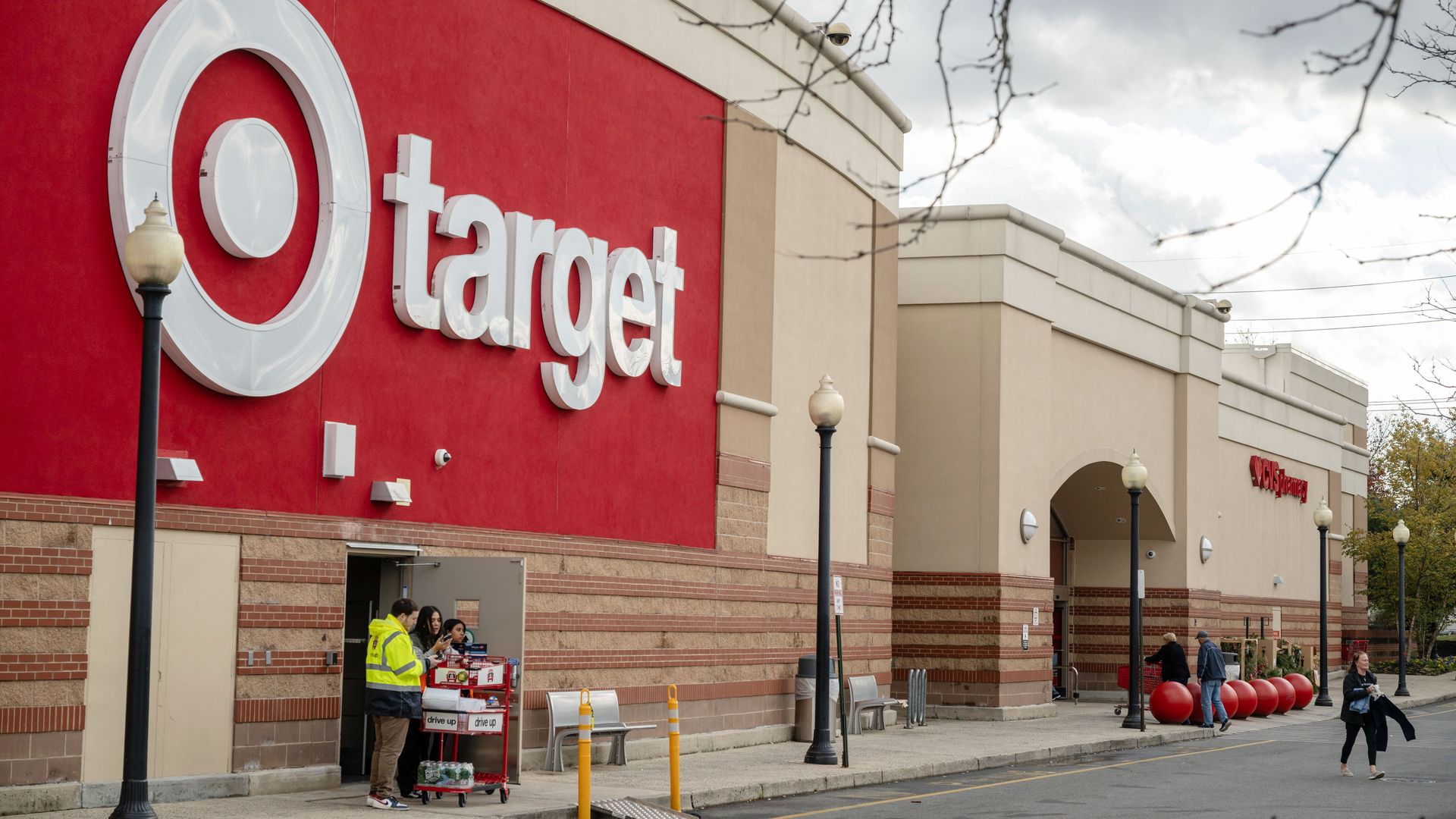
Shoppers outside a Target store. Photo: Victor J. Blue/Bloomberg via Getty Images
Black entrepreneurs in the DMV are pushing back against DEI rollbacks at mega-retailers like Target and Walmart.
Why it matters: Some of America's largest companies are reversing their commitments to diversity, equity and inclusion in the Trump era — creating an uncertain and often unclear landscape for businesses and consumers.
Driving the news: Alexandria-based entrepreneur DeShuna Spencer just launched a new site, DEI Watch. It tracks corporate accountability to DEI initiatives and can help consumers make informed decisions about brands to support (or not).
- Spencer is also behind kweliTV (which some have called "Black Netflix"), a streaming service with over 800 global films, documentaries, kids' shows and more dedicated to Black storytelling.
How it works: As a former journalist, Spencer sought to create a site that increases transparency and empowers purchasing decisions — no calls to boycott, "but if you want to, we wanted to create a platform that's as accurate as possible," Spencer tells Axios.
- Sections are broken down by "dismantled" (companies that have ended or scaled back DEI efforts), "committed" (companies with active initiatives), and "funded," noting significant Trump donors — all with links to company pages or news sources.
The intrigue: Spencer tells Axios she was surprised to find certain companies quietly ditched their DEI initiatives, including Aldi, a German discount supermarket chain with stakes in lower-income neighborhoods.
- Part of her ongoing work is shining a light on lesser-publicized rollbacks — or on the flipside, commitments.
The latest: There's a renewed push for "intentional spending" with the start of Black History Month. Tech entrepreneur Ayanna Smith recently co-founded Celebrate! DC, an experience company that spotlights city neighborhoods and small businesses.
- She tells Axios that February is a call to action — support Black-owned businesses, share them on social media and utilize platforms like Official Black Wall Street, Naspora - WeBuyBlack and Black-Owned Business Directories to find and support brands.
What they're saying: "In D.C., we take for granted that we can find a Black lawyer, doctor or business," Smith tells Axios. "It can be challenging in other areas. ... That's why we're pushing this intentionality initiative to make habits of buying Black and supporting our own communities."
Friction point: New DEI policies are leaving some entrepreneurs in limbo. Penny Cudjoe, CEO of Maryland-based Amac Foods, started selling Ghanaian-style jollof rice at farmers markets a decade ago and is now stocked in several groceries, including Whole Foods.
- She tells Axios that her company was in conversations with Target, but the future is uncertain.
- "We're a minority, women-owned company. How can we channel our thing now?" says Cudjoe. "We can't use 'DEI' or 'minority' — all those names that helped us get in front of people. We don't know where to go."
Meanwhile, one of the region's long-established Black- and woman-owned businesses, Capital City Mambo Sauce, is also navigating new territory. The largest purveyor D.C.'s signature sticky sweet sauce is sold in 3,000 retailers across the U.S., from corner stores to Costcos — including some big box brokers rejecting DEI.
- CEO and D.C. native Arsha Jones, who started the company 14 years ago, was a face of Amazon's Black Business Accelerator campaign in 2021, and credits it with their growth. In December, the company announced it's "winding down" certain DEI programs.
What they're saying: Jones says the potential impact on her company or others "is still unclear at this time."
- "Honestly, I encourage my customers to shop wherever they feel like their values are aligned," says Jones. "If that means they prefer to shop small and local, for us, that works. While we're partnering with these large box retailers, we'll never forget the people who got us here: small shops in the D.C. area."