Washingtonians are facing a loneliness crisis

Add Axios as your preferred source to
see more of our stories on Google.
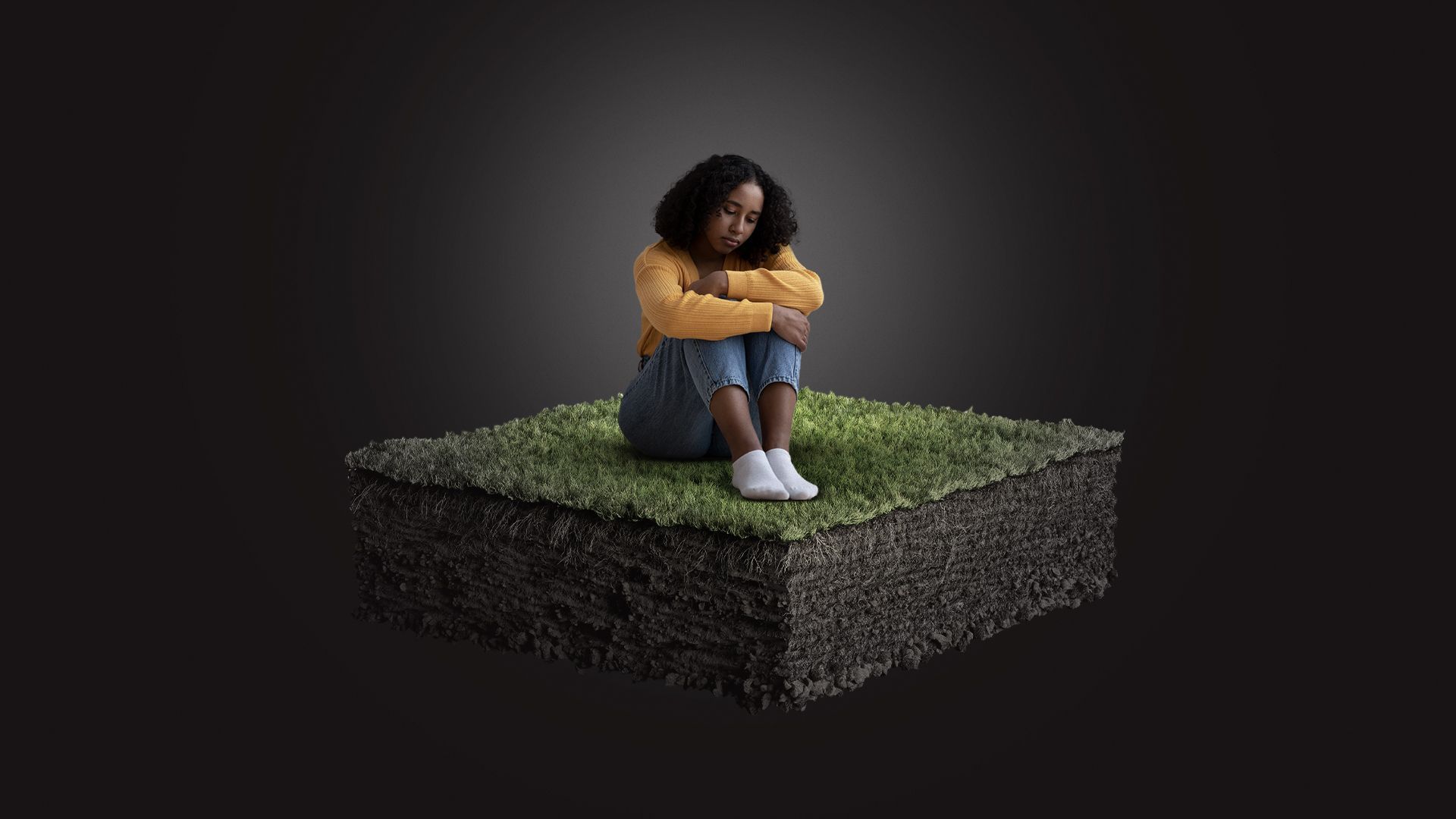
Illustration: Natalie Peeples/Axios
Many Washingtonians are craving connection amid a national loneliness epidemic.
Why it matters: Loneliness isn't just a feeling, it can lead to serious mental and physical health impacts that can shorten your life.
The big picture: Some adults already found it tricky to make friends in D.C., a transient city thanks to political job cycles and high living costs. But due to factors like the lingering effects of Covid and remote work, more locals are seemingly feeling disconnected.
State of play: Almost half of D.C.'s households consist of one person — and while living alone doesn't automatically equate to loneliness, it's linked to higher rates of self-reported depression.
- Meanwhile, many Washingtonians are working remote or hybrid schedules, and the area's largest employer, the federal government, hasn't enacted a set plan for getting workers back in the office.
And as housing prices remain high and unattainable for many, some are choosing to peace out to cheaper areas — further adding to the shifting nature of the city.
- NoVa has seen the highest out-migration rate per capita this decade out of Virginia's metro areas, according to a report by UVA's Weldon Cooper Center.
- "[You're officially a Washingtonian] when you've had two generations of friend groups leave the city," Columbia Heights resident Michael Spory tells Axios. "D.C. is hard to make long-term friends because lots of people end up leaving."
What they're saying: "It's been hard for people to make connections again," says Kaiser Permanente psychiatrist Christina Lee of socializing post-Covid. "There's just this awkwardness in reconnecting."
- While Lee's patients are overall less lonely now than they were during Covid, they feel more isolated than before — which she attributes to lingering Covid-era habits of decreased socializing, higher numbers of people putting off marriage and families, and a bigger focus on connecting virtually over in-person.
Meanwhile, local community-building groups like City Girls Who Walk DC and DC Fray are seeing more event attendees seeking meaningful connections and human interaction amid remote work, group leaders tell Axios.
By the numbers: D.C.'s rate of one-person households (49%) is higher than cities like New York, Chicago, Los Angeles, or Atlanta, per U.S. Census Bureau data.
- That's up from 45% in 2019 and 40% in 2012.
- It's also reflective of a national increase: 29% of all U.S. households were single-person in 2022, more than doubling from 14% in 1962, found a National Health Interview Survey using census data.
The intrigue: There are several pieces of legislation and local advocacy groups lobbying for increased awareness around this issue.
- Recently introduced bills like the Addressing Social Isolation and Loneliness in Older Adults (SILO) Act, the Improving Measurements for Loneliness and Isolation Act, and the National Strategy for Social Connection Act aim to fund programs, research, and outreach concerning loneliness.
- And the Coalition to End Social Isolation and Loneliness, along with the Johns Hopkins medical school, are hosting the Global Loneliness Awareness Summit in D.C. later this year.
Between the lines: It can be hard to motivate yourself to combat loneliness if it's making you depressed or anxious, but Lee recommends you start by increasing social connectivity.
- If you have friends reach out to them more often, she says. If you don't, consider joining an activity-based group or volunteering, or simply staying off your phone in public, increasing your chances for social interaction.
- Petworth resident Julia Graham Moore tells Axios she found community through a cardio dance class at Yoga Heights in Park View, while Dupont Circle resident Jackie Sue Powell goes to Eckington's Bouldering Project. "It's easy to talk to other people climbing and get help with routes or make other connections."
Also helpful: Pets — for making new friends and companionship.
- Jacob Baum of NoMa often takes his Australian Cattle Dog, Scout, to Swampoodle Park. "I've met most of my closest friends because my dog wanted to play with theirs."
- "When I'm lonely and don't have plans, I love to go to Logan Circle and watch all the dogs play," says D.C. resident Christina Padilla. "They're always so happy to see each other."
And, of course, Lee recommends speaking with a mental health professional.