Minnesota Senate primary heats up as ICE backlash boosts Flanagan among DFL delegates

Add Axios as your preferred source to
see more of our stories on Google.
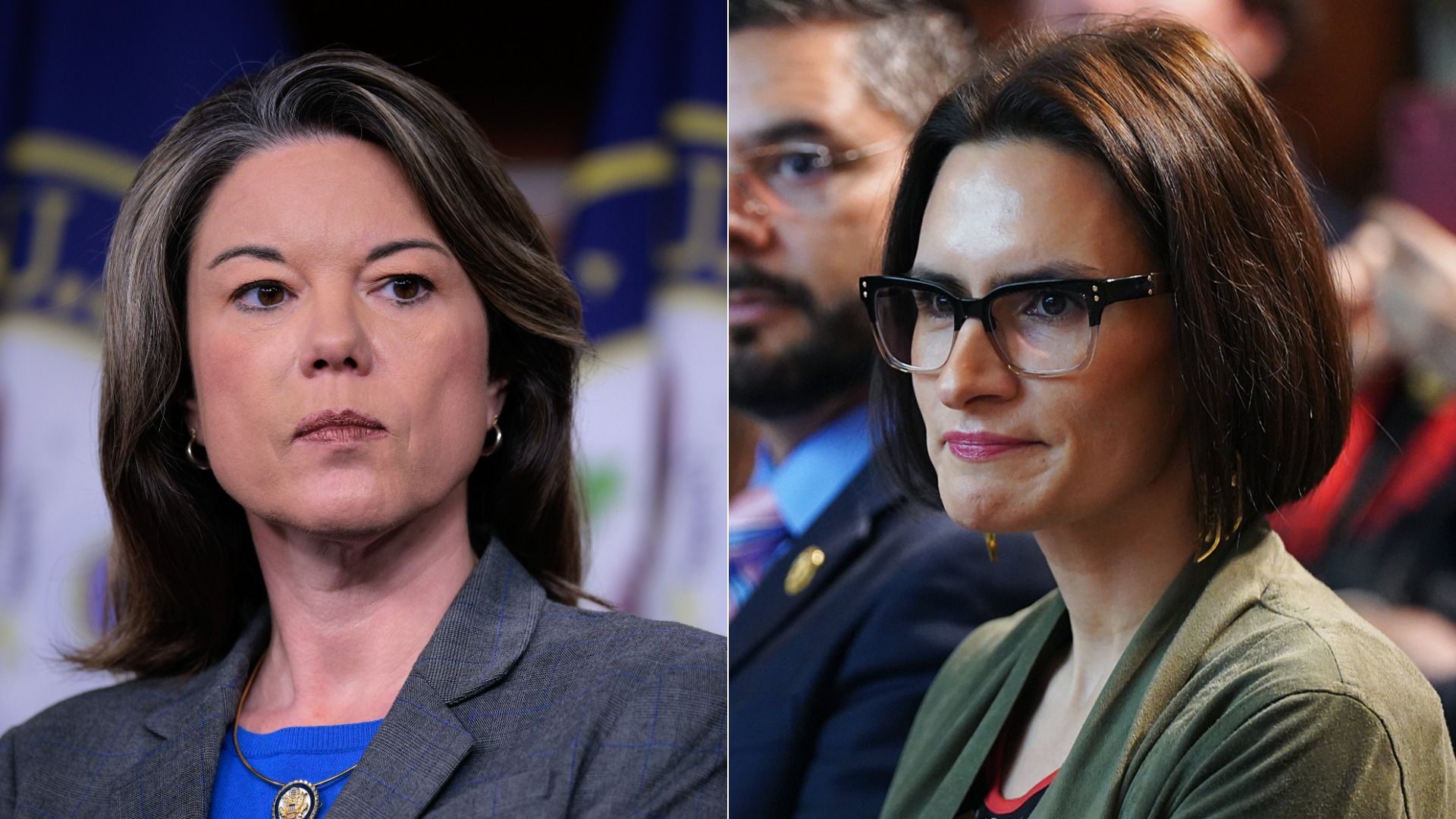
U.S. Rep. Angie Craig (left) and Lt. Gov. Peggy Flanagan. Photos: Chip Somodevilla/Getty Images and Leigh Vogel/Getty Images for National Geographic
Sharp-elbowed attacks over ICE, fraud and electability are flying in the high-stakes U.S. Senate primary between U.S. Rep. Angie Craig and Lt. Gov. Peggy Flanagan.
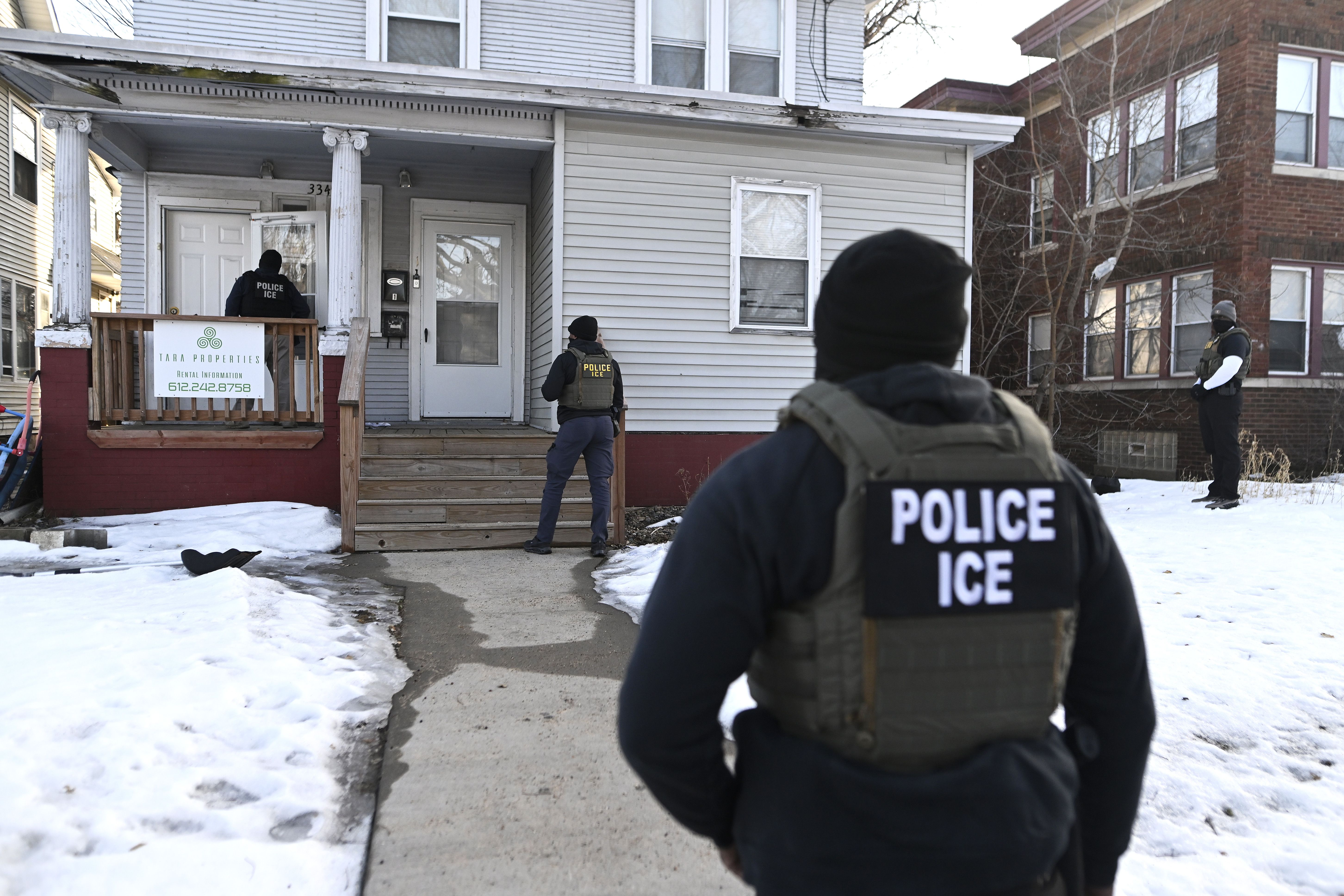
Why it matters: Political fallout over Operation Metro Surge has stoked a race that was already seen as a proxy battle over the future of the Democratic Party.
Catch up quick: President Trump's crackdown angered and activated Democratic voters throughout Minnesota, giving Flanagan, a favorite of progressives, an opening to hammer Craig over a 2025 vote to give federal agents more power.
- In early March, after months of defending her support for the Laken Riley Act, Craig, who represents a south metro swing seat, reversed course and said she "regrets" her "difficult" decision to vote yes.
What we're hearing: The issue has given Flanagan momentum among the delegates who will decide the DFL Party's endorsement in May, multiple DFL insiders and operatives told Axios.
- "She's clearly got a bump," former state Sen. Jeff Hayden (DFL-Minneapolis), said. "[Craig's] lack of sensitivity or judgment on that [Laken Riley] vote, I think matters a lot to people."
Yes, but: Many of those DFL insiders, including Hayden, said they wouldn't count Craig out for the August primary even if she loses the endorsement.
What they're saying: "There's no doubt" that the ICE backlash is helping Flanagan "ride away with delegates," Abou Amara, an attorney and political analyst, told Axios.
- But actually becoming the nominee is "not just a question of narrative ... [or] base support," Amara said. "It's a resources question."
Between the lines: The universe of primary voters who actually pick the nominee is bigger than the activists who decide the endorsement. And in the past, DFL primary voters have been willing to buck the party's stamp of approval.
- Flanagan and Gov. Tim Walz won a contested primary without the endorsement when they were on the ballot together for the first time in 2018.
Follow the money: Winning a primary takes money, and Craig has so far amassed a large cash advantage she can use to amplify her side's message — including the actions taken to push back against the ICE surge.
- More resources would also allow Craig and deep-pocketed allies to flood the airwaves with ads highlighting those issues.
- Flanagan, who has made disavowing corporate PAC money a central theme of her campaign, could unlock resources and other DFL Party support via the endorsement.
What we're watching: Craig recently ramped up criticism over the lieutenant governor's role in the Walz administration's handling of fraud — an issue many operatives see as a big political liability for Democrats statewide.
- Flanagan told the Star Tribune that Walz has "taken significant steps" to prevent more fraud and accused Craig of "using Republicans' playbook" for the attacks.
What's next: Campaign finance reports due in mid-April will reveal whether Flanagan's delegate support, along with endorsements from retiring U.S. Sen. Tina Smith and other liberal lions, translated to a bigger war chest.
- The DFL nominee will face the winner of the crowded GOP primary in November.
Zoom in: What voters — and surrogates — are saying
When Smith announced she wasn't running for reelection, Democrat Rowan Wagner thought picking Craig as the nominee "just made sense."
- The 27-year-old paramedic from Marine on. St. Croix didn't agree with Craig on everything, but he liked her efforts to make insulin more affordable and that she'd won tough races in a crucial seat.
He'd even attended one of her congressional fundraisers as his mom's plus-one, he told Axios in a recent interview.
Then, federal agents flooded Minnesota, and Wagner saw his patients face serious medical issues after delaying care out of fear.
- Pushing back against Trump's immigration agenda became his No. 1 issue.
He started volunteering for Flanagan, citing Craig's "willing to vote for something like the Laken Riley Act" as a key factor, and attended his first precinct caucus in February.
- He's already raised his hand to be a delegate at his local DFL convention.
The big picture: Flanagan's backers say Wagner's story reflects a bigger trend of fresh faces showing up at district-level conventions — and breaking their way in big numbers.
What they're saying: "I haven't seen this many new people at this level of convention since Obama," State Auditor Julie Blaha, who's been attending rural and exurban meetings as a Flanagan surrogate, told Axios.
- Blaha said her pitch framing the race as a "choice between push back and play along" is resonating in those rooms.
- She argued that high turnout now means the endorsement could be more reflective of where a broader swath of Democrats stand this year.
The other side: Craig says she now believes giving ICE more authority under Trump was a mistake and that she believes voters will give her credit for "being honest even when it's hard." Her boosters argue that she too is pushing back.
- "She's been very strong, calling out Kristi Noem, making sure she's at the Whipple Building, calling out the wrongdoing," Sen. Grant Hauschild (DFL-Hermantown), told Axios.
The intrigue: Hauschild told Axios he's also seeing double to triple the normal turnout at local DFL events in his Northeast Minnesota district.
- He said he's encountered "very strong contingencies" for both U.S. Senate candidates at the gatherings.
The fellow swing-district Democrat said he thinks Craig's proven "ability to far over perform" in a tough races will win over the broader primary electorate.
- "The real issue here is that we as Democrats have to ultimately win if we don't want this federal overreach to continue," he said.