Debate over driverless cars heats up at Minnesota's Capitol

Add Axios as your preferred source to
see more of our stories on Google.
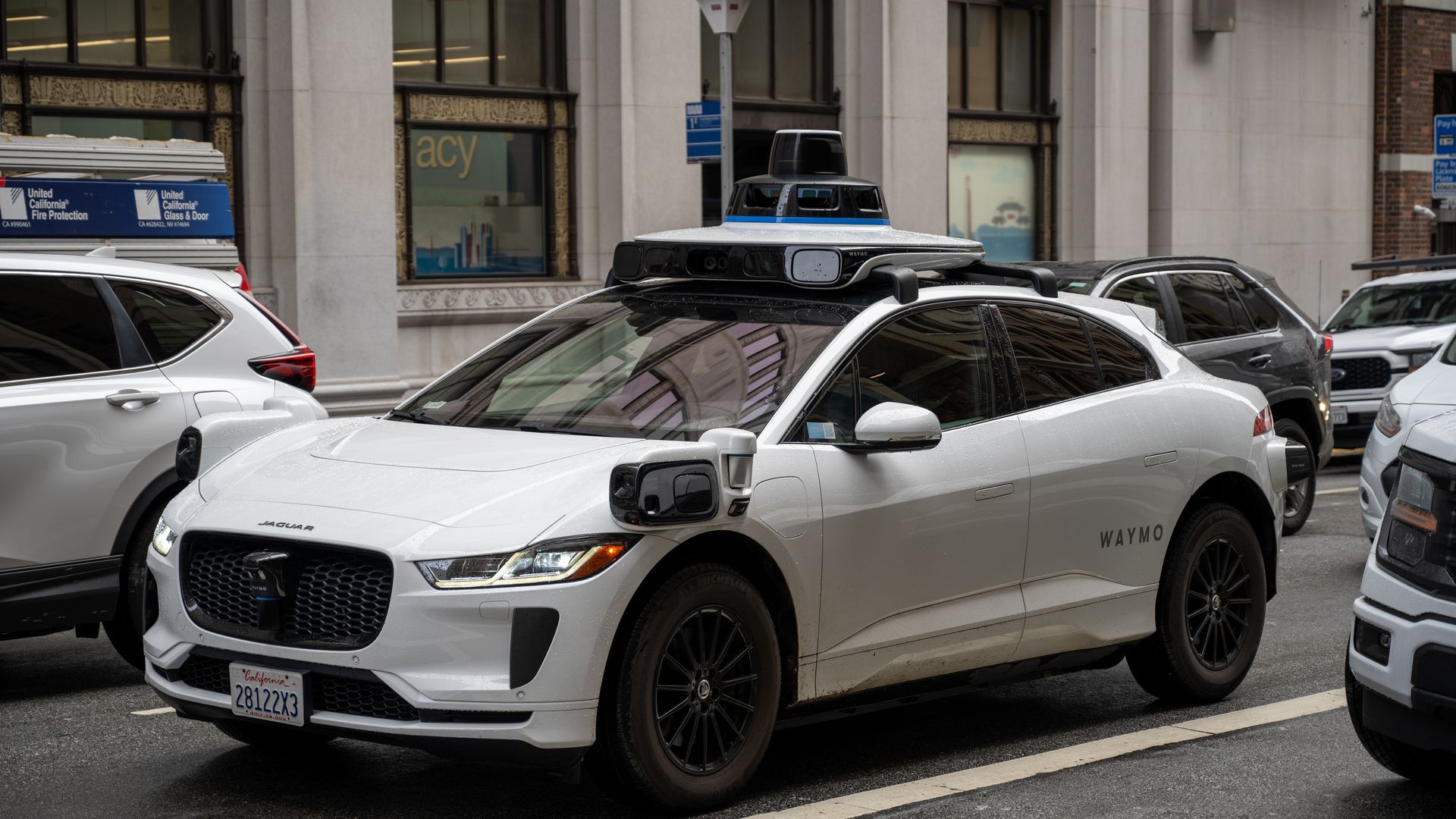
Photo: Smith Collection/Gado/Getty Images
Some of Minnesota's most powerful labor unions want lawmakers to pump the brakes on Waymo's expansion.
The big picture: To labor, the fight over driverless vehicles isn't just about hailing robotaxis — it's about the future of work.
- Boosters, meanwhile, argue that Minnesota will fall behind without action to authorize the rapidly expanding technology here.
Driving the debate: Lawmakers are weighing competing proposals — including one backed by Waymo and other industry groups that would allow driverless vehicles and another supported by labor that would require a human driver for now.
- Senate Transportation Chair Scott Dibble (DFL-Minneapolis) is introducing his own regulatory framework proposal Wednesday that tackles questions related to winter driving, emergency response and traffic.
Friction point: All sides agree that state law — which is largely silent on the issue — needs updating as the technology expands.
- They disagree over how — and when — to give fully autonomous vehicles the green light.
Between the lines: The push to authorize autonomous vehicles in Minnesota drew opposition from a local SEIU chapter working to organize rideshare drivers, even before Waymo announced plans to expand in the Twin Cities.
- In recent weeks, local chapters of the Teamsters and AFL-CIO — which hold sway among Capitol Democrats — called for a new study into safety concerns and the impact of AI and automation on workers before the tech is authorized here.
What they're saying: "Autonomous systems, like those controlling fleets of vehicles, can disrupt jobs, de-skill work or be used for invasive surveillance," Minnesota AFL-CIO Secretary-Treasurer Bethany Winkels said at a news conference.
- DFL Sen. Erin Maye Quade, a co-author of the labor-backed bill, noted that more than 100,000 Minnesotans hold professional driving jobs, ranging from couriers to commercial truck drivers.
The other side: House Transportation Committee Co-Chair Jon Koznick, who's carrying the industry-supported AV framework legislation, called the counter proposal requiring humans to remain behind the wheel "asinine and a non-starter."
- "It doesn't even make sense," the Lakeville Republican told Axios, noting that driverless vehicles have been operating in other states for years. "It's going to prohibit this innovation from coming to Minnesota."
- He and other boosters, who point to data suggesting the technology makes roads safer, argue that allowing AV companies to operate here will spur jobs and investments in EV chargers and other infrastructure.
Zoom out: The autonomous vehicle debate is one front in the broader battle in Minnesota and beyond over how AI and automation will reshape jobs.
- On Tuesday, Gov. Tim Walz proposed a new social media tax to fund training and transition programs for workers whose jobs are impacted by these technologies.
The intrigue: Koznick said he's made "many concessions" aimed at appeasing labor and other critics, citing amendments to prohibit large commercial trucks from operating without a driver and commission a study on worker impacts.
Yes, but: His DFL co-chair, Rep. Brad Tabke, told Axios that Democrats still have concerns and want to "take a beat and think about the consequences."
- "I think it's something we absolutely should and must consider for the future," he said. "But we don't need to go there tomorrow."
What we're watching: Even if the labor concerns are resolved, another big sticking point is whether to allow local governments to layer their own regulations on robotaxis and other autonomous-vehicle companies.
- Dibble told Axios that language in the industry-backed bill to block local control is a "non-starter."
What's next: The debate resumes Wednesday with hearings on related bills in both chambers.
Bonus: Why lawmakers are debating this now
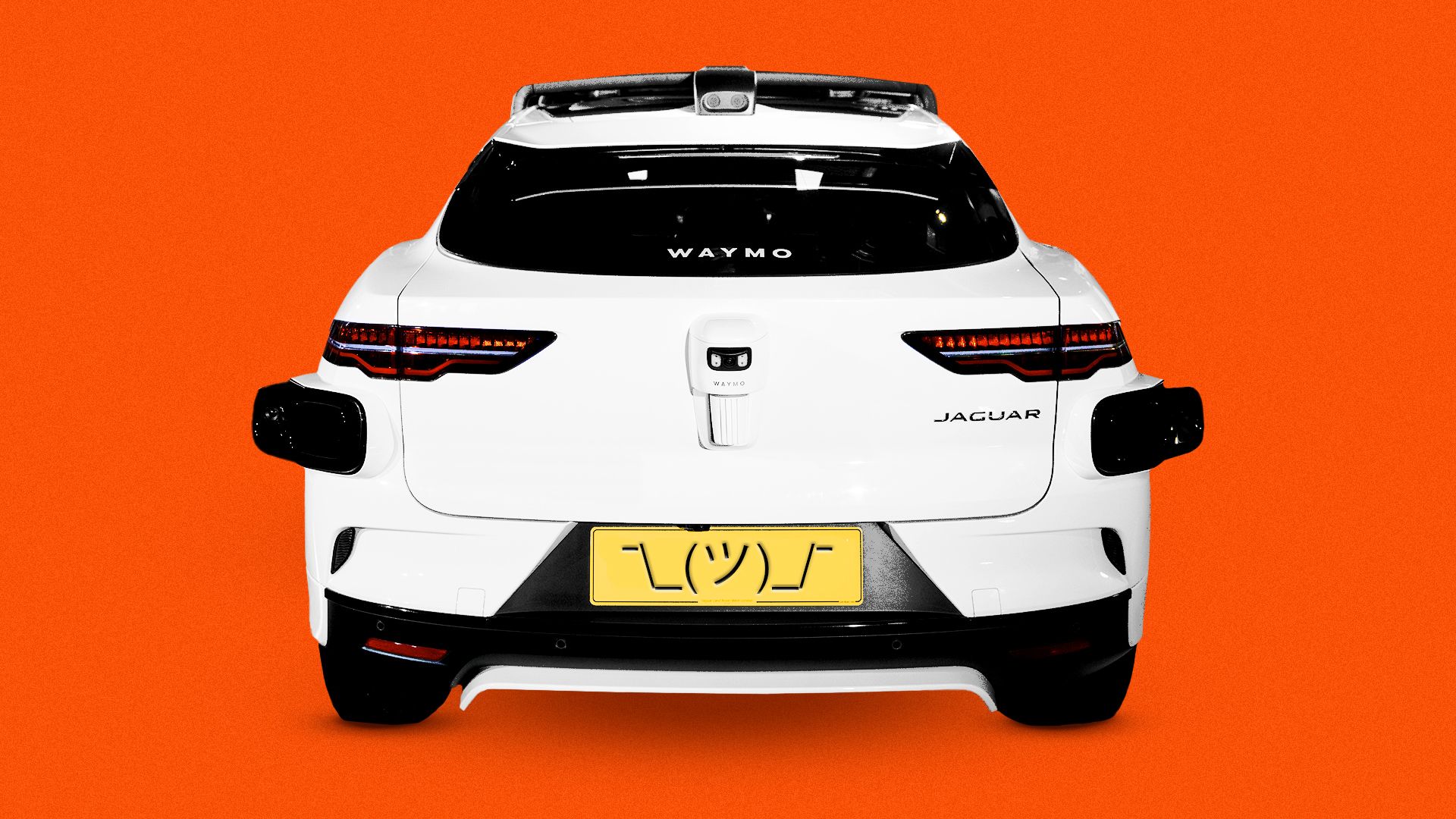
MnDOT says state law neither prohibits nor specifically authorizes automated vehicles to be tested on streets in Minnesota.
- Waymo and other autonomous vehicle supporters want that gray area resolved as companies move toward launching here.
What they're saying: "It's a critical issue, and one that we really should address this year," House DFL Leader Zack Stephenson said last week.
What we're watching: Pledges by some Minneapolis Council members to ban Waymo and other companies from operating their cars without a driver at the city level could complicate — and accelerate — the statewide policy negotiations.
What to expect: In other markets, it's taken six months or longer for Waymo to fully launch its services once it gets the green light.