The fight for the soul of George Floyd Square

Add Axios as your preferred source to
see more of our stories on Google.
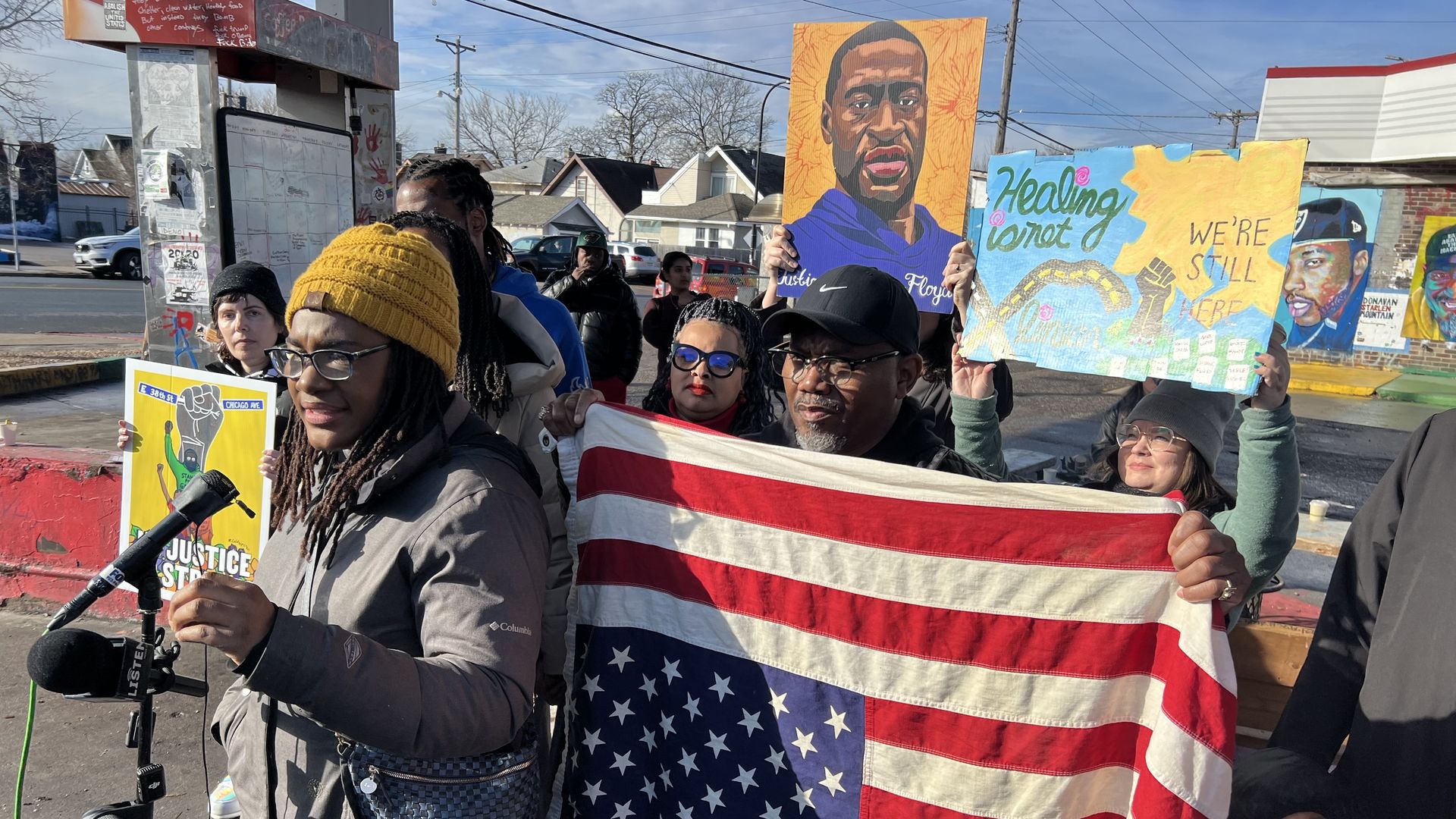
Marcia Howard speaks at George Floyd Square in February against the city's plans for permanent infrastructure in the square. Photo: Kyle Stokes/Axios
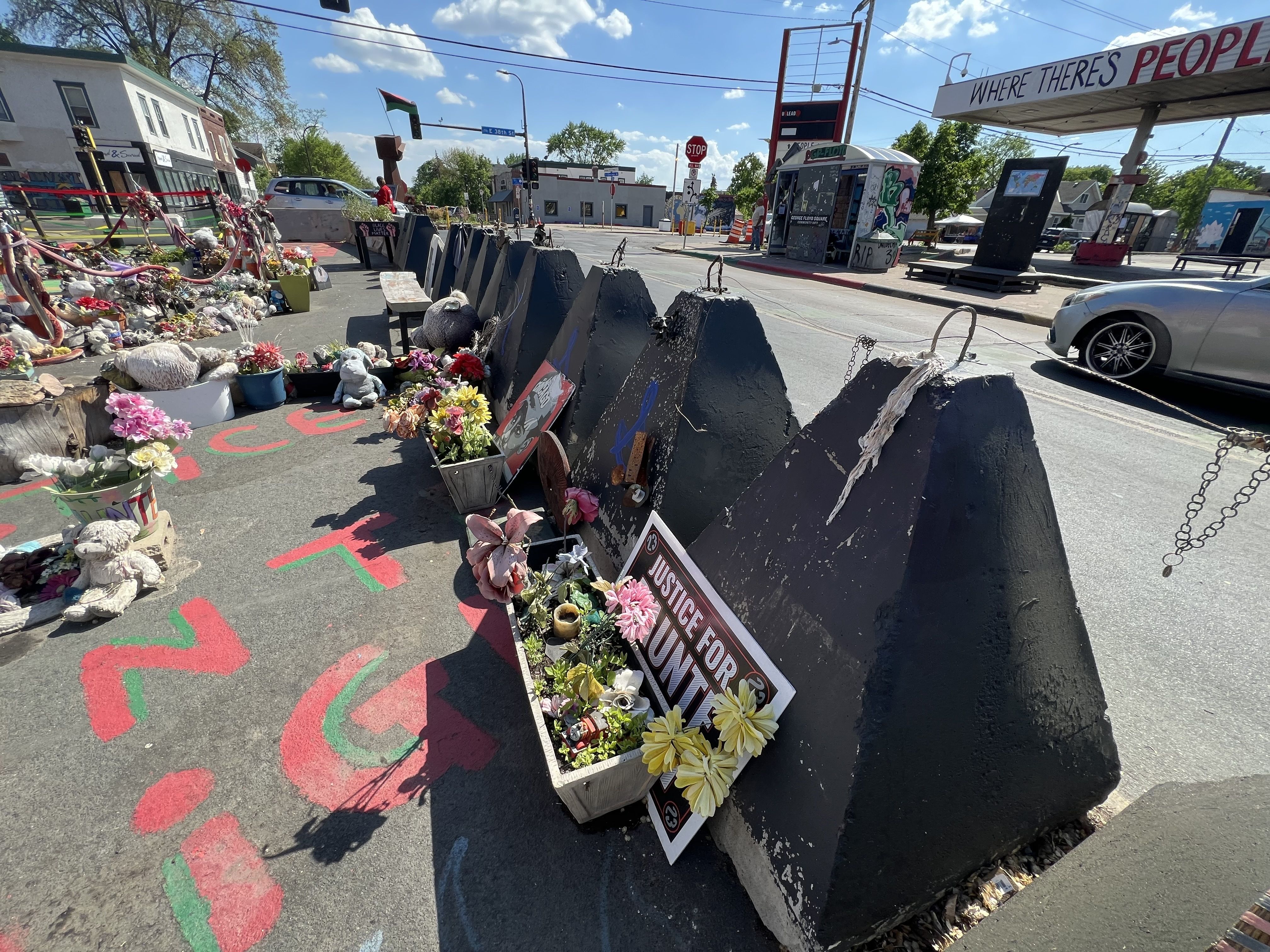
Five years after George Floyd's murder, temporary barricades still ring the memorial on the pavement where he died. Protests here have never stopped, but tension over the intersection's future is rising.
The big picture: A plan to install new, permanent infrastructure in the streets around the memorial has become the subject of heated debate on this corner and at Minneapolis City Hall — a struggle that's as much about street design as it is about who gets to shape the future of George Floyd Square.
- In one camp: business owners, who envision a mecca for local and Black-owned enterprises at 38th & Chicago — but say delays to improvements in the square undermine those plans.
- In another camp: curators of Floyd's memorial, who suspect city officials and developers are trying to profit off of a pilgrimage site — and signal an end to their long-running protest.
What they're saying: "They want the Fist without the fuss," neighbor and memorial caretaker Marcia Howard tells Axios, referencing the square's iconic Black Power sculpture. "They want the protest zone without the protesters."
- She believes business interests "are waiting for economic infusion," which they feel will come into fruition once protesters are gone.
The other side: The commercial district at 38th & Chicago had been desperate for new investment for years before Floyd's murder, argues P.J. Hill, who bought buildings in George Floyd Square in 2023.
- Delays to city street projects "signal that we're just going to keep going around and around, and nothing will happen," Hill told Axios. "Then over time, it'll just go back to business as usual."
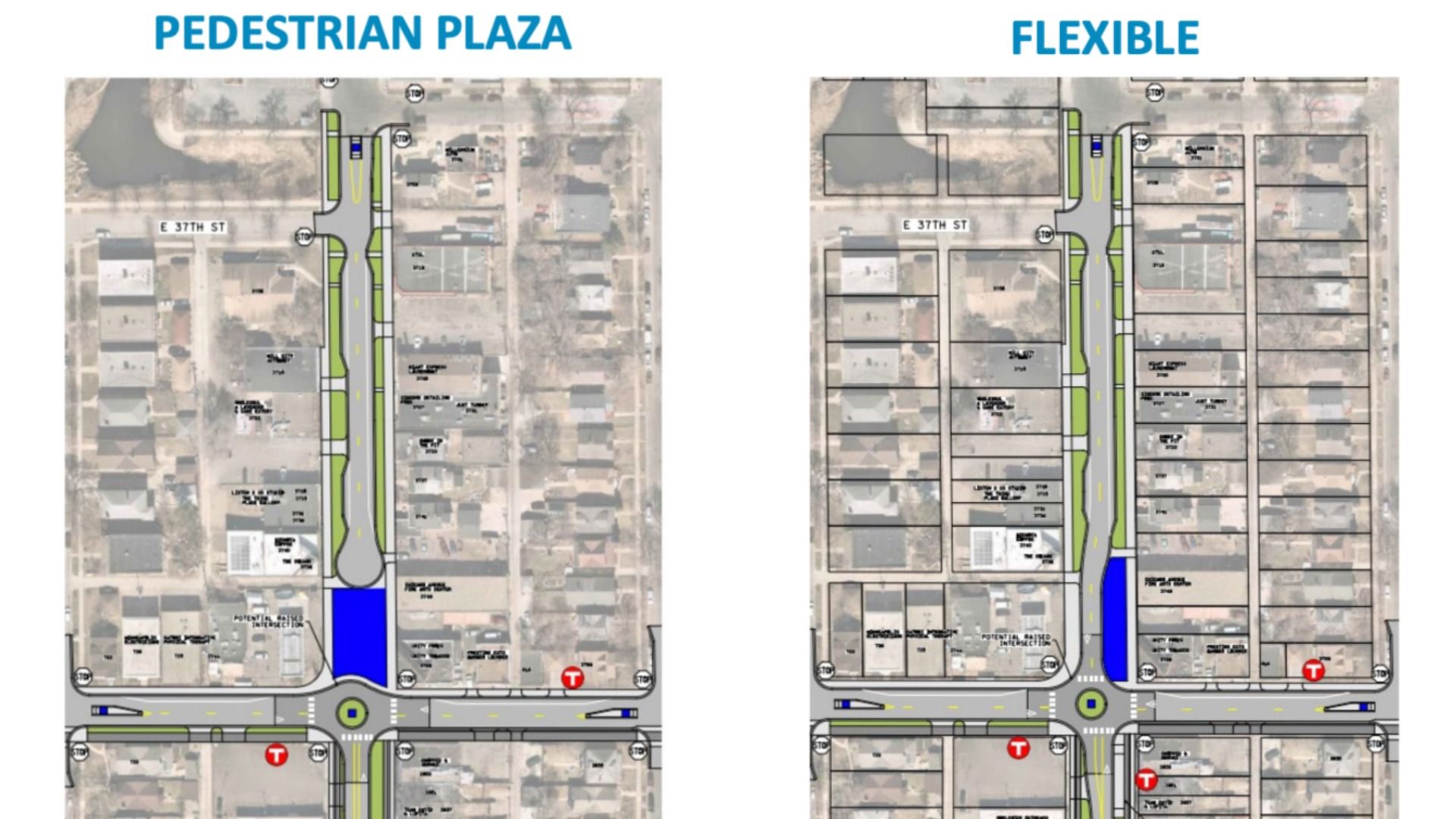
Catch up quick: Nobody is talking about removing the memorial to Floyd. What's at issue are competing plans for rebuilding the streets around it.
- Many business owners and Mayor Jacob Frey have backed a proposed "flexible" design, which mostly locks in the square's current car-accessible layout, but with new retractable arms that could close the street periodically.
State of play: City Council members — many of whom are aligned with the memorial caretakers and protestors — blocked that plan in December.
- Instead, a veto-proof majority voted in March to study permanently closing part of Chicago Avenue, creating a pedestrian mall between the memorial and the former gas station across the street — which is soon to be redeveloped.
Under Minnesota law, creating a pedestrian mall would be difficult, though not impossible, without business owners' support, and several who spoke to Axios oppose it because it would reduce parking and bus access.
Yes, but: The "flexible" design is "not a community-led plan. George Floyd Square is a community-led place," says Jeanelle Austin, executive director of Rise and Remember, the nonprofit that preserves the memorial.
- "The city is trying to take it back, take it over, and not allow it to be community-driven," adds Austin.
Between the lines: Underlying the debate is fear on both sides of gentrification or displacement.
- Austin fears a wave of development, driven by developers and city officials positioning the square as a tourist destination, which could push up rents and property taxes — and drive out current residents.
- Howard, another "unpaid docent" of the memorial, believes many developers see dollar signs: "George Floyd Square, for some people, is considered a prize."
Friction point: "You think 38th & Chicago is going to be a gold mine for who, when? It might not be in my lifetime," counters Ace Rice, who rents space for his art gallery from Hill, and founded a land trust that's still raising startup funds.
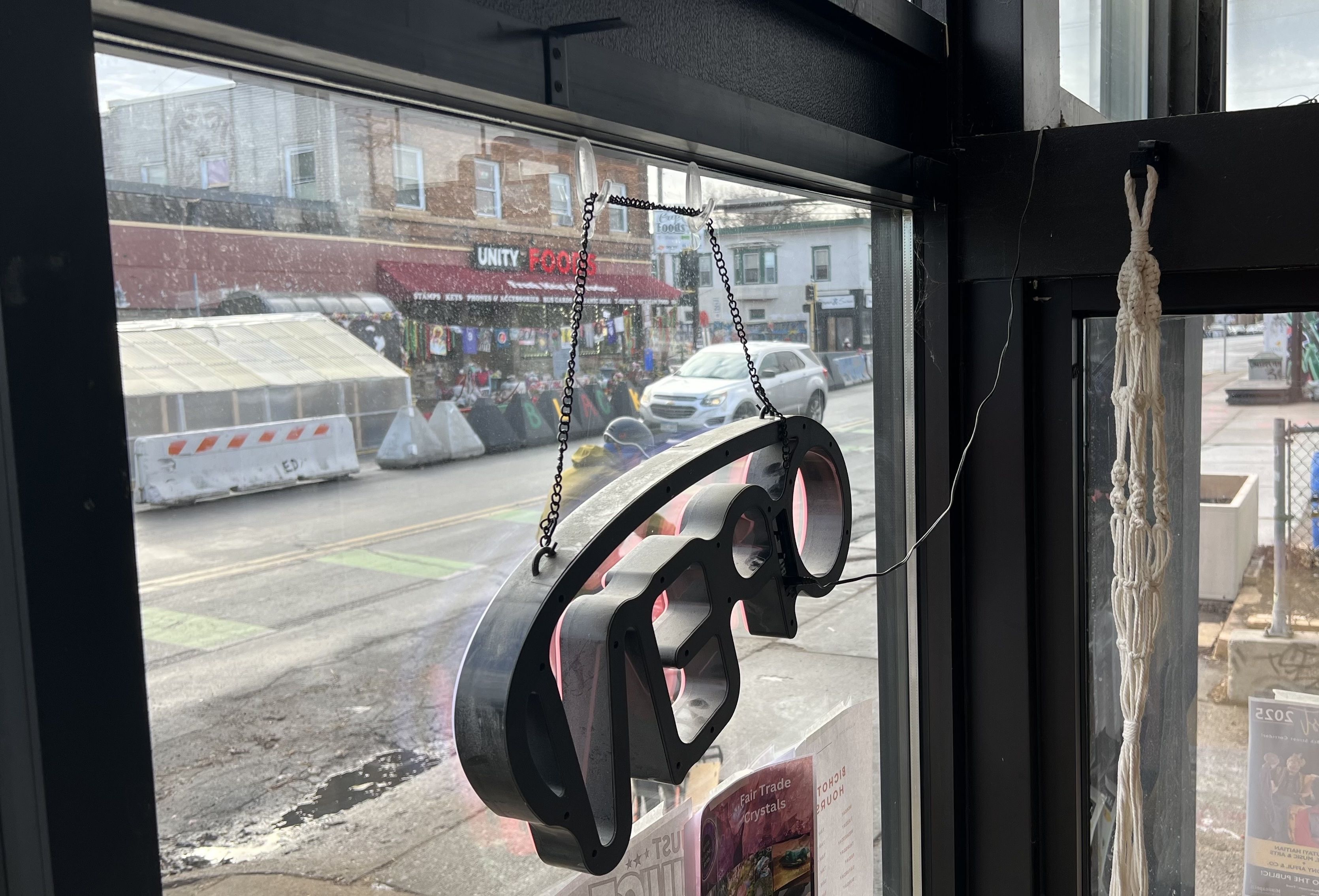
- "Businesses over there are already struggling," adds Hill, who says he charges below-market rent to his apartment tenants and the newly-opened Bichota Coffee.
- If businesses can't scrape by, Hill worries about outside investors coming in to "buy these assets for pennies on a dollar. ... Who's going to buy those assets? Not Black business owners like me."
What the neighbors want
Between city staff time and consultant contracts, Minneapolis spent more than $2.2 million over the last two years figuring out what neighbors want at George Floyd Square.
What they did: "It is the most comprehensive engagement that the city of Minneapolis has done for any project," senior project manager Alexander Kado tells Axios.
- The city gathered feedback at more than 50 public events.
What they found: In larger meetings, "there were some loud voices around closing [the street]," remembers the Public Policy Project's James Trice, a consultant the city hired to handle public engagement.
- But residents' opinions varied, Trice adds. Others were sympathetic to businesses' concerns about parking, and were open to a range of "hybrid" designs.
The intrigue: Initially, some city officials were also "really interested" in a no-cars approach, the city's chief operating officer Margaret Anderson Kelliher says.
- But in smaller sessions, city officials say a more nuanced picture of residents' priorities for the intersection emerged. That feedback led them to the "flexible" design.
By the numbers: In October, as city officials finalized their proposal, they got access to results of a survey that — as many have since argued — confirmed their belief that a majority of neighbors back the "flexible" proposal.
- Roughly two-thirds of respondents favored keeping the square open to cars, according to the survey conducted in late 2023 by the University of Minnesota's Center for Urban and Regional Affairs.
Austin counters that the online survey results became tainted when the social media account CrimeWatchMpls shared a link and urged its followers to respond.
- "The comments on that survey are absolutely disturbing," she says. "Things like, 'The People's Way should be turned into a prison.'"
Zoom in: Axios reviewed a subset of survey results that were gathered exclusively door-to-door — and the results were essentially the same.
- Nearly 58% of in-person respondents within a mile-and-a-half of 38th & Chicago "somewhat" or "strongly" agreed the rebuilt street should "allow full transportation access."
"I was surprised myself," says Trice, who commissioned the survey, given the contrast between the door-to-door answers and the vocal contingent at public engagement sessions.
Caveat: These door-to-door survey results overrepresented white respondents.
- In the canvassed neighborhoods, 50.4% of residents are people of color, but nearly three-quarters of respondents were white.
Zoom out: Many neighbors who oppose the "flexible" design don't necessarily favor the pedestrian mall — a point Austin feels is getting lost in the debate.
- They want time for the community to generate a more thought-out plan for the neighborhood to weather several major redevelopment projects at once, she says.
- The city paid for "hours and hours and hours and hours of community engagement — and then they ignored us," Austin says.
What's next: City officials will present results of the pedestrian mall study the council ordered in December.
Hill bristles at taking more time to study next steps at 38th & Chicago.
- "We're f---ing meeting-ed out."