Long-planned Driftless hiking trail plan gets funding boost

Add Axios as your preferred source to
see more of our stories on Google.
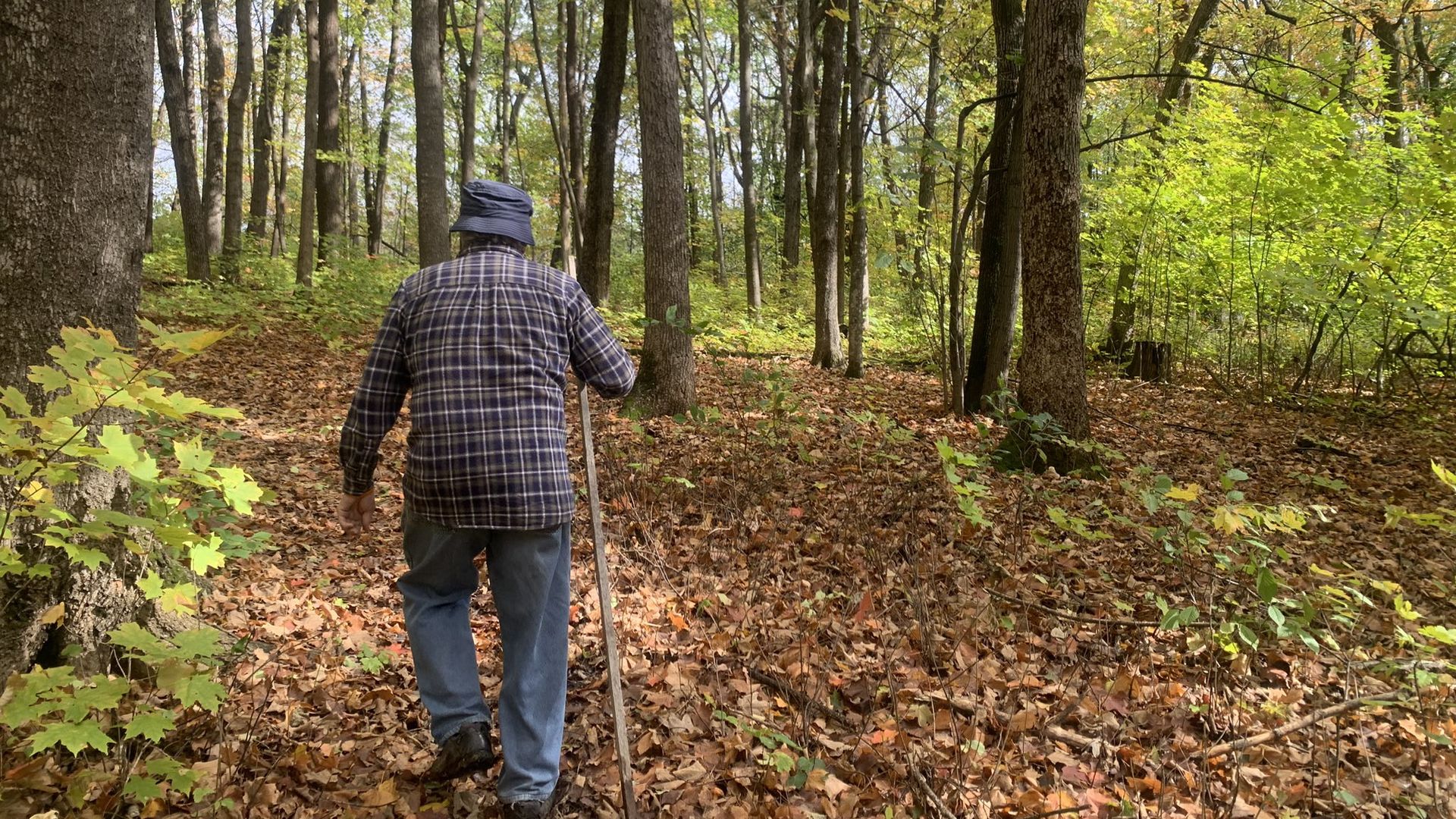
Minnesota Driftless Hiking Trail volunteers scout a portion of Houston County. Photo: Courtesy of Marty Walsh
As soon as this summer, hikers might be able to trek the first sections of Minnesota's newest long-distance trail southeast of Rochester.
The big picture: The Minnesota Driftless Hiking Trail — stitched together through more than 100 miles of stunning river valleys and steep bluffs — could become southeast Minnesota's answer to the Superior Hiking Trail, a popular backpacking route along the North Shore.
Driving the news: After years as an all-volunteer effort, Gov. Tim Walz recently approved $426,000 that could make the Driftless Hiking Trail a reality.
- Organizers will use the new state money to hire a full-time person, buy equipment and fund outreach to private landowners.
What they're saying: In Minnesota's portion of the Driftless Area, "We have a lot of recreational assets in our communities — hiking, biking, trails and wildlife areas. If we start to combine them, they are more than the sum of their parts," the project's coordinator, Marty Walsh, explained to Axios.
Flashback: An avid hiker, Walsh first began noodling on the idea in late 2017 when working for Fillmore County — home to scenic Lanesboro — as an economic development consultant.
- During the pandemic, he hiked along the Ice Age Trail, which zigzags through Wisconsin from St. Croix Falls to Janesville to Green Bay. It inspired him to revisit his big idea for southeast Minnesota in 2021.
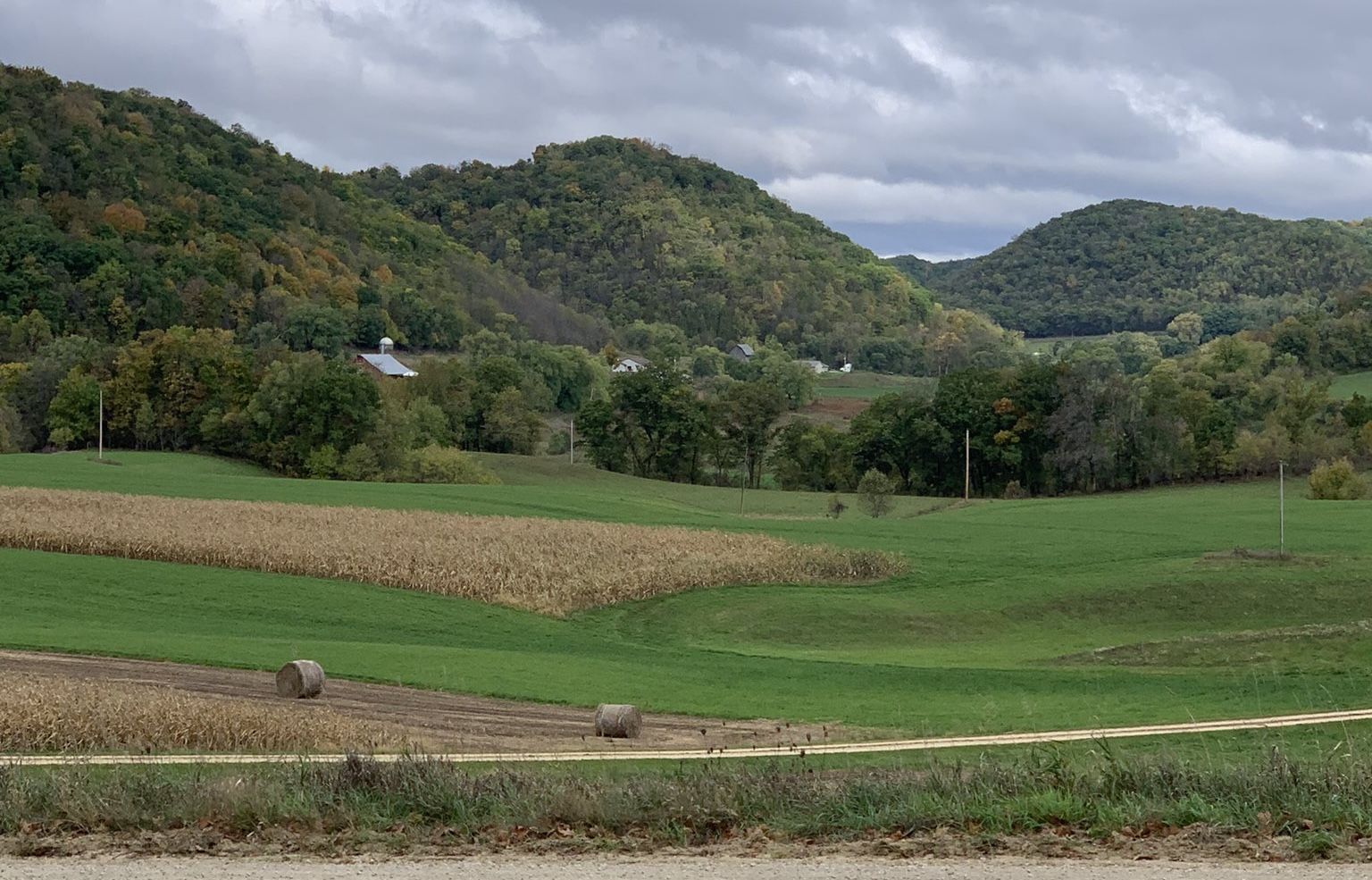
How it would work: Walsh proposes building the Minnesota Driftless Hiking Trail in a corridor between Chatfield and the Mississippi River.
- Along the route, "Our hope is that there's a little bit of everything: farms, prairies, woods, stream bottoms," as well as stops in towns like Lanesboro, Caledonia or Spring Grove, he said.
Zoom in: Walsh says more than 20 private landowners have already signed documents signaling their openness to allow the new trail — which would not be paved — to cut through their land.
What's next: Walsh estimates that building the full trail will require permission from at least 100 landowners, a task that will fall on the plate of the project's new staffer.
- Walsh would like to have around three "demonstration" miles laid this summer, with perhaps as many as 25 miles ready within the next two years.
- He hopes to see the full route done by 2027.
The bottom line: The trail could give hikers a new way to commune with what Walsh calls a "really inspiring scenic landscape."