By the numbers: Gov. Tim Walz's supplemental budget request

Add Axios as your preferred source to
see more of our stories on Google.
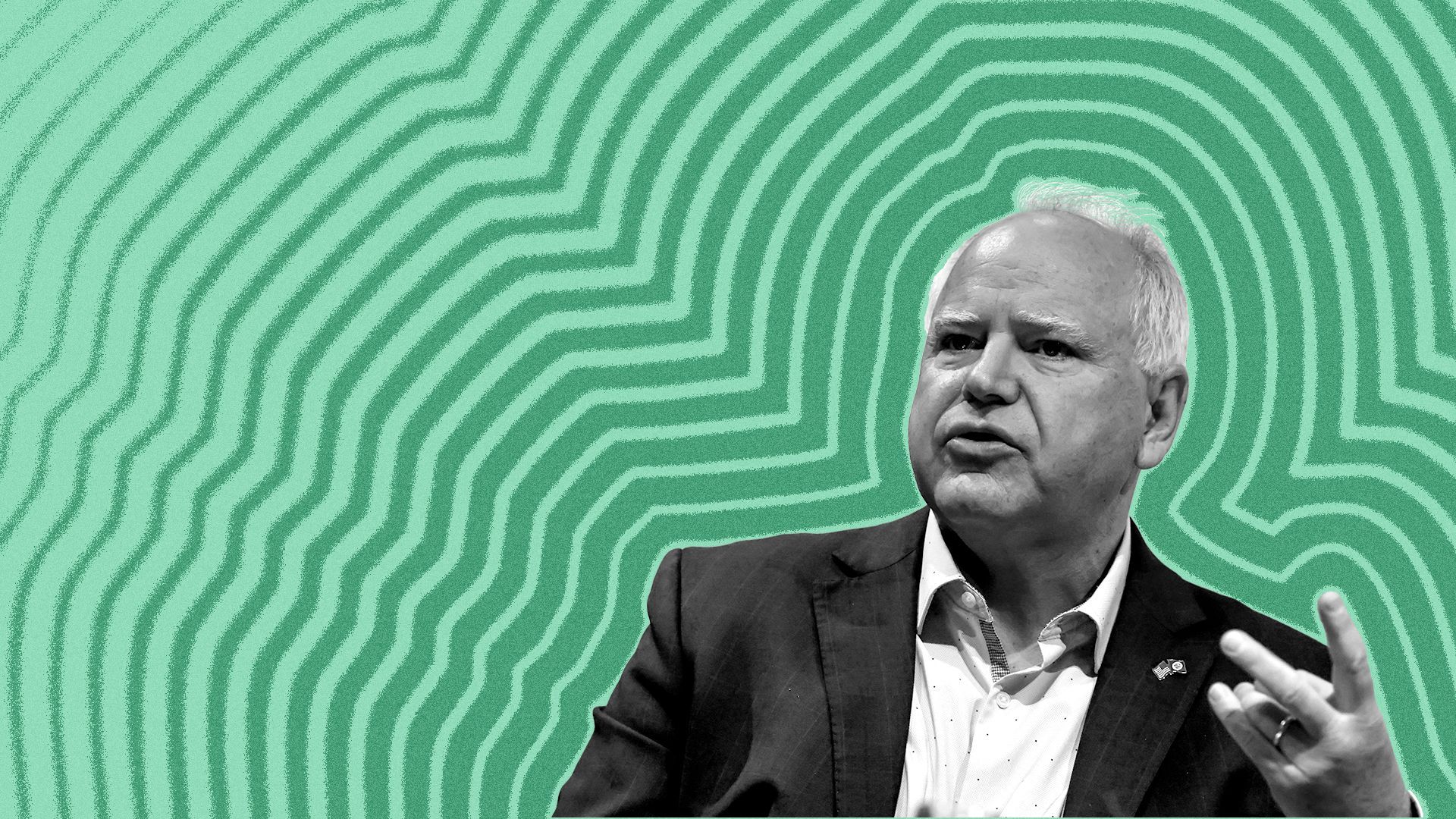
Photo illustration: Brendan Lynch/Axios. Photo: Eva Marie Uzcategui/Bloomberg via Getty Images
Minnesota Gov. Tim Walz is proposing an additional $226 million in spending in his revised supplemental budget proposal.
The big picture: The state has a $3.7 billion surplus, but state economists have warned that spending most of it would lead to a deficit.
What he's saying: Walz said his latest spending proposal released Monday is a "smaller, intentional supplemental budget" given the economic outlook and the fact that lawmakers already passed a full two-year budget in 2023.
- It would leave about $3.5 billion of the surplus intact.
Zoom in: Walz's proposal includes additional cash for child protective services, cleaning up nitrates in water, and the Department of Corrections.
Other highlights include:
🚑 $16 million in aid and grants to help fill a funding shortfall for rural ambulance services.
- Advocates and legislators from Greater Minnesota have asked for $120 million. Walz said his smaller amount is intended to "triage" the situation so lawmakers can address the bigger funding issue as part of next year's budget.
👶 $45 million for a new pilot program that would provide upfront payments for the state's expanded child tax credit throughout the year, similar to how the monthly payments for federal tax credits during COVID worked.
- Walz and Department of Revenue commissioner Paul Marquart argued the shift would help the program meet its goal of reducing childhood poverty.
🏗️ $989 million total for the capital investment package, a slight increase from the governor's original pitch.
- The latest budget adds a few million in cash projects but assumes sticking to his earlier target for $830 million in borrowing, which would save the state money in debt service later on.
The intrigue: Walz, a big booster of universal school meals, didn't include cash for a bill that would guarantee milk à la carte for students.
- But he told reporters his proposal is just a starting point for negotiations, and that other spending priorities advanced by legislators will be on the table.
What's next: Legislative leaders will create budget "targets" telling committee chairs how much they can expect to spend in their respective areas.
- The Legislature must pass any additional spending by the adjournment deadline, which is May 20.