How local restaurant owners redirect surplus food across the Bay Area
A message from: Chick-fil-A
In San Francisco, 1 in 4 residents is at risk of hunger due to low income.
California's food insecurity rate has also risen in recent years, increasing pressure on local organizations that help residents access meals.
The story: Hunger is a year-round challenge that requires ongoing support — but local businesses can play a practical role in strengthening that network.
The idea: The Chick-fil-A Shared Table program connects surplus prepared food from participating restaurants with nearby nonprofit organizations that can turn those ingredients into meals.
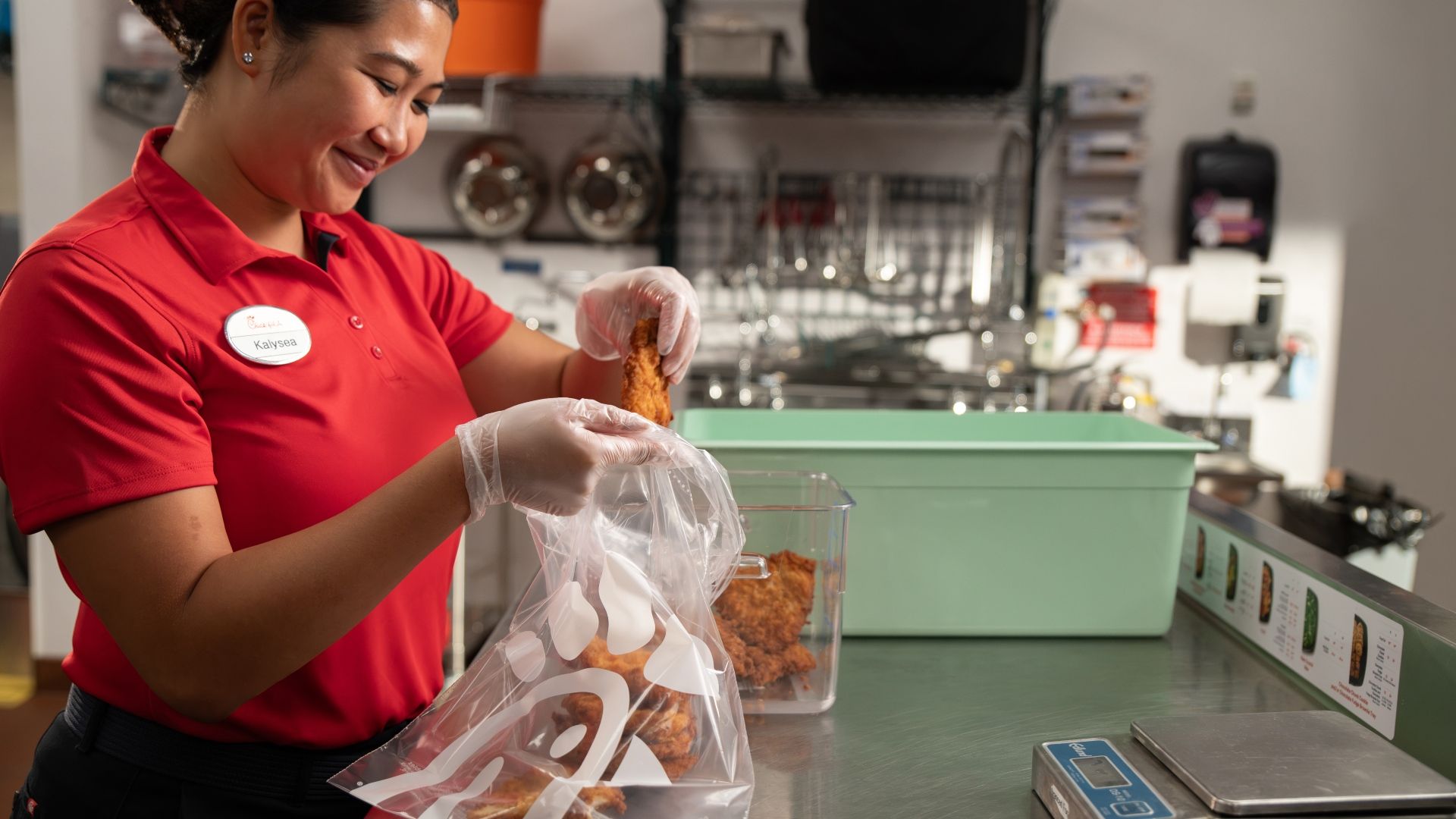
How it works: At the end of the day, participating Chick-fil-A restaurants package high-quality surplus prepared food instead of discarding it.
- Locally owned and operated Chick-fil-A's donate ingredients like chicken filets, chicken strips, biscuits, mac and cheese, waffle fries, fruit cups and salads.
Local nonprofit partners pick up those donations, transport them safely and use the ingredients in meals for people experiencing food insecurity.
- Nonprofit partners then build those ingredients into meals such as chicken parmesan, breakfast casseroles, stir-fries and smoothies.
The strategy: Many Chick-fil-A restaurants contribute food, but the system depends on people across the community to move that food where it can help.
The model gives these locally owned restaurants a consistent process for redirecting usable food while giving nonprofit organizations ingredients they can incorporate into the meals they already prepare and distribute.
- Plus, because Chick-fil-A's work with organizations located nearby, those donations can remain in the same communities where the food originated.
The local impact: Thirty-one Bay Area Chick-fil-A restaurants participate in Shared Table.
- Those local partnerships have helped create more than 407,000 meals for neighbors in need.
- Nationwide, more than 2,700 participating restaurants work with local nonprofit organizations, with more than 90% of Chick-fil-A restaurants participating in Shared Table.
The background: Since 2020, Chick-fil-A, Inc. and its local Owner-Operators nationwide have helped provide more than 200 million meals through its hunger-focused initiatives.
- Through Shared Table alone, Chick-fil-A restaurants and their nonprofit partners have helped create more than 50 million meals nationwide.
- In 2025, participating restaurants donated nearly 13 million pounds of ingredients to Shared Table partners, including 8 million pounds of chicken.
The takeaway: Shared Table gives Bay Area Chick-fil-A restaurants one concrete way to contribute: Recover prepared food that still has value, put it in the hands of nearby nonprofit partners and help those organizations turn it into meals.
During Hunger Action Month this September, Chick-fil-A is highlighting those partnerships while raising awareness of food insecurity and the local work addressing it year-round.
- Thirty-one Bay Area restaurants now participate in Shared Table, helping create more than 407,000 meals locally while keeping surplus food moving toward neighbors who can use it.
Learn more about the Chick-fil-A Shared Table program and its work in local communities.