Where Flock watches us in San Francisco


Add Axios as your preferred source to
see more of our stories on Google.
Hundreds of automated license plate readers are watching San Francisco streets, putting the city near the center of a growing national fight over police surveillance.
Why it matters: Flock cameras can help police fight crime, but their ability to track vehicles has fueled a growing backlash and calls for tighter oversight or removal.
By the numbers: Volunteers have documented 488 automated license plate readers in San Francisco, the fourth-highest total among California cities tracked by the public Finding Flock database.
- At roughly 10 cameras per square mile, San Francisco is among the most densely covered cities in the country.
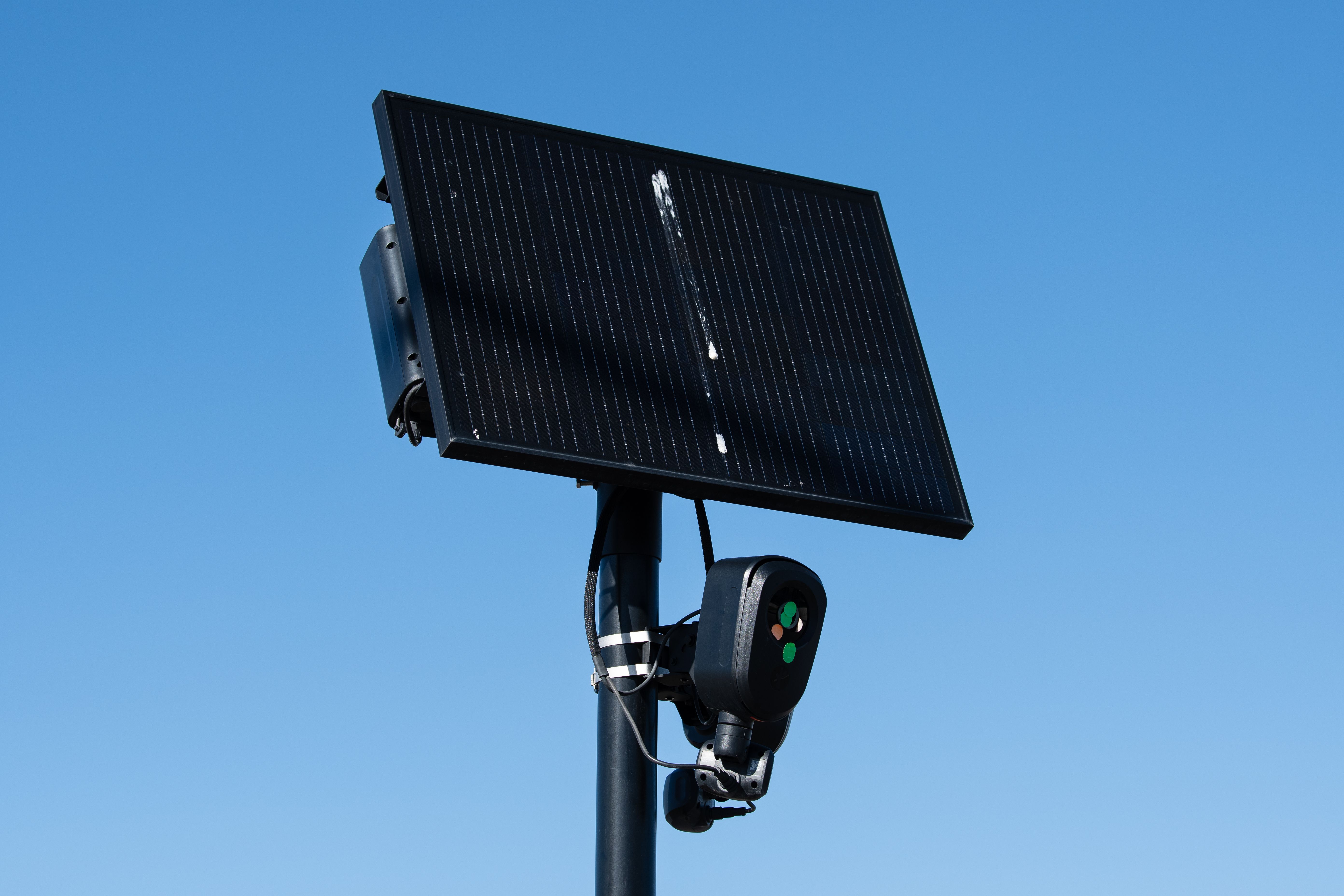
Catch up quick: SFPD began rolling out hundreds of Flock cameras in 2024 to combat organized retail theft.
- The cameras automatically capture license plates and vehicle data. SFPD has credited them with helping officers make arrests.
Yes, but: San Francisco's network has faced increased scrutiny over who can access the information it collects.
- An SFPD audit this summer found its license plate data had been improperly searched nearly 300 times on behalf of federal and out-of-state agencies over roughly a year.
- California law restricts sharing license plate reader data with federal and out-of-state agencies without a court order or warrant.
The big picture: The debate isn't unique to San Francisco. About 140,000 automated license plate readers, including thousands of Flock cameras, are installed across the U.S.
Between the lines: The cameras have also emerged as an issue in this year's elections, with candidates split over whether the city should renew its Flock contract when it comes up in February, the San Francisco Standard reports.
What we're watching: Whether the backlash prompts city officials to tighten the rules around how long vehicle data is kept, who can search it and how broadly it can be shared.