Black Heart Tattoo leaves Valencia Street after 22 years

Add Axios as your preferred source to
see more of our stories on Google.
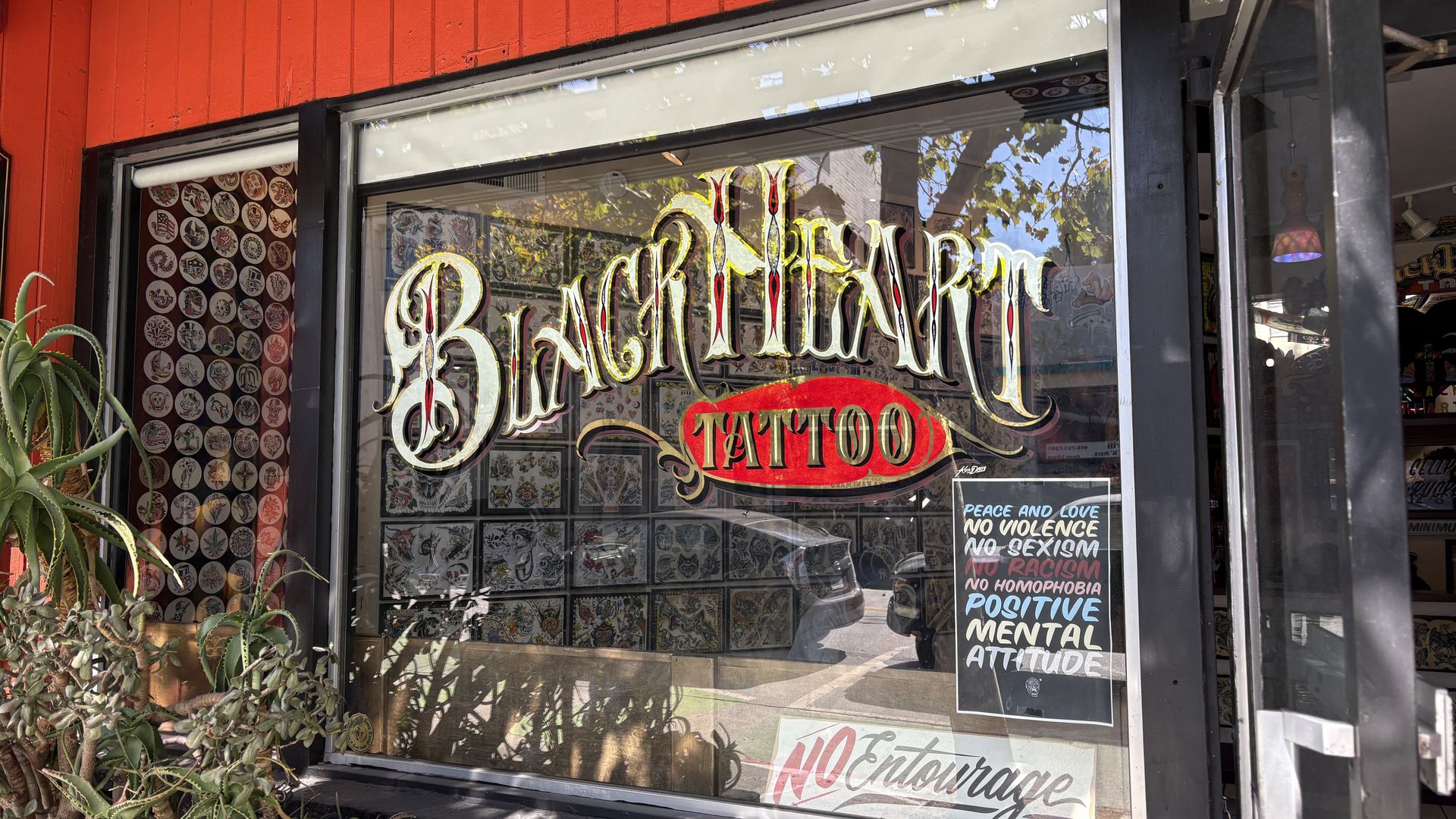
The iconic red storefront. Photo: Nadia Lopez/Axios
Black Heart Tattoo, the storied San Francisco shop where nearly every inch of wall space is covered in decades of flash, oddball art and memorabilia, is packing up after 22 years.
- But don't panic: It isn't closing.
Driving the news: The shop's last day at its longtime Valencia Street home is Saturday. Owners Jeff Rassier and Scott Sylvia plan to reopen Sept. 1 at 49 Duboce Ave. — just around the corner.
- "We would have never done this," Rassier told Axios. "We loved our location."
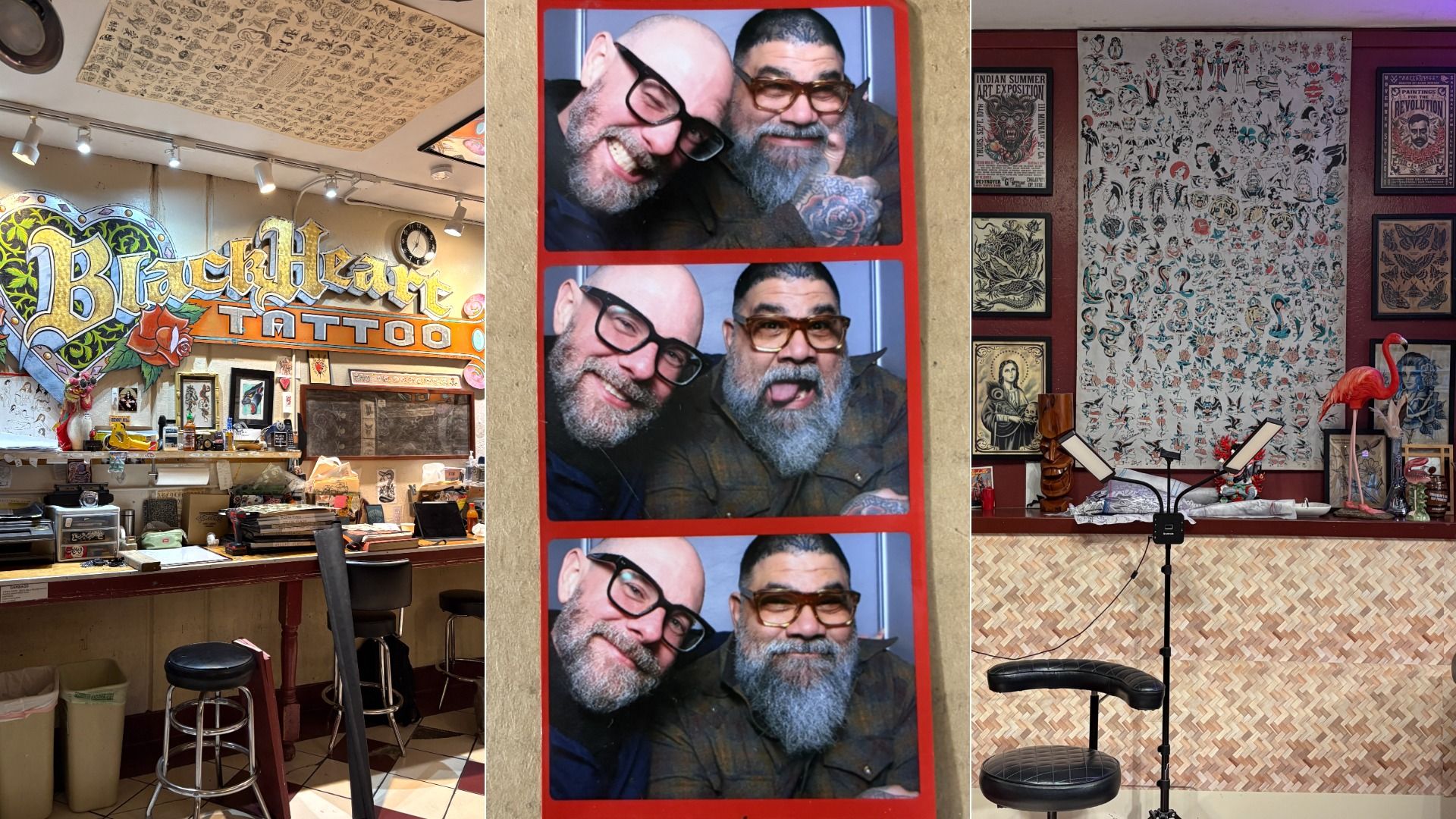
State of play: Rassier said they decided to move after the landlord sought retroactive rent increases after not having raised it in a decade. The owners then found a new storefront a few blocks away.
- Packing up has underscored just how much history they're leaving behind.
- "Every corner has something," Sylvia said of finding old signs and other remnants from the shop's past.
Between the lines: Black Heart was founded by four established tattooers in 2004 as an artist-run alternative to more conventional shops of that time, with an emphasis on the art rather than profits, Rassier said.
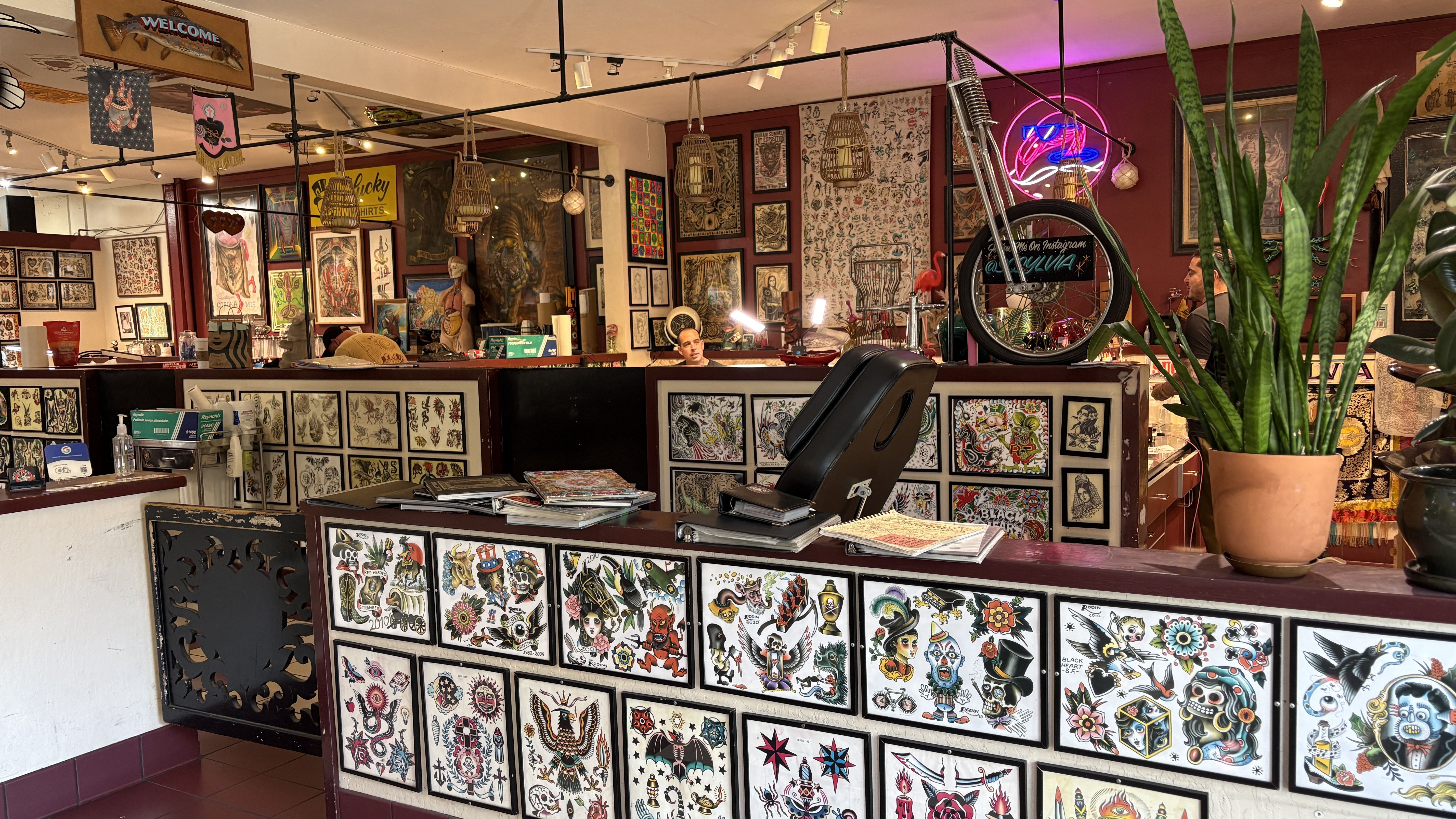
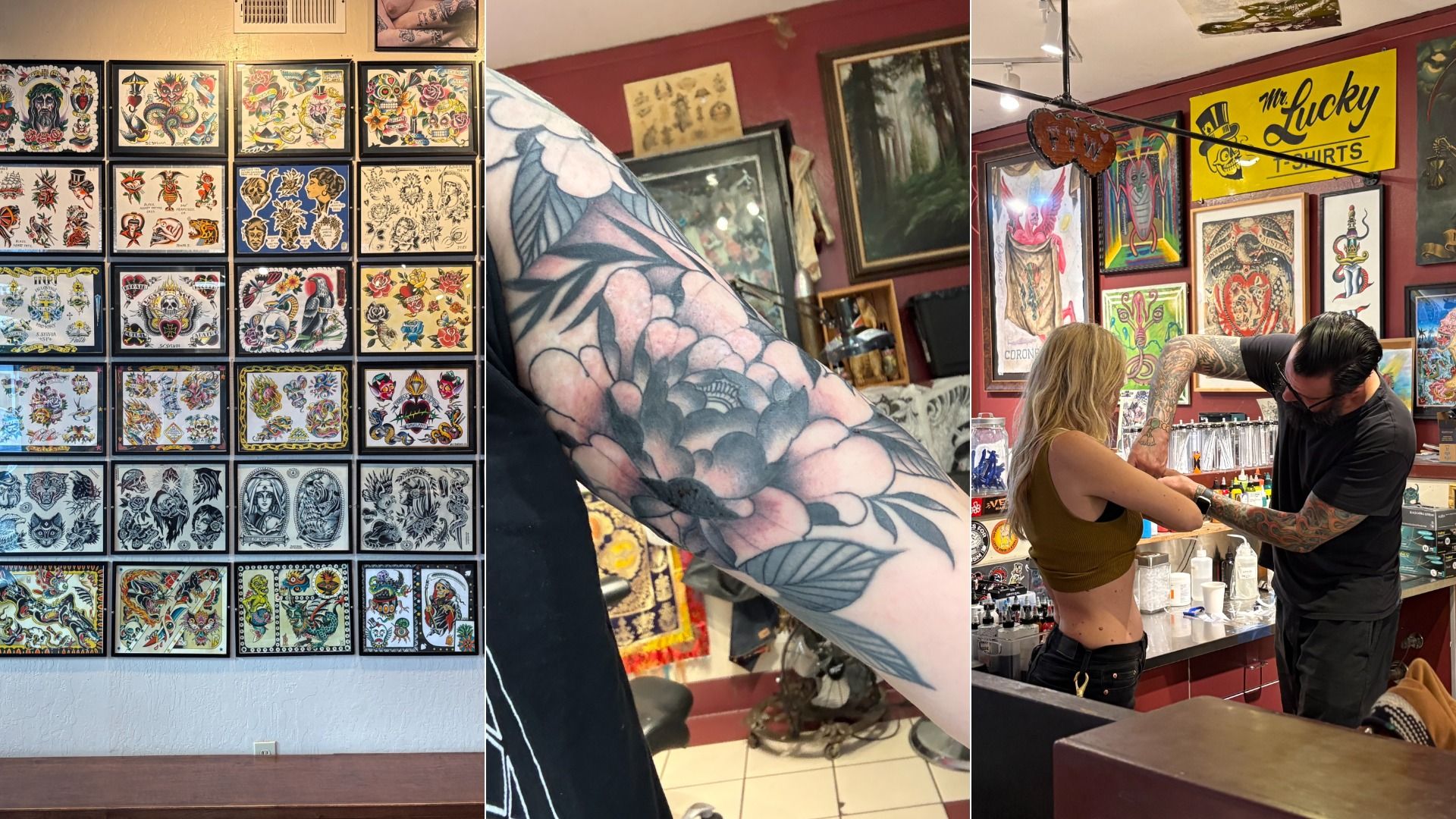
- Over the years, its roster has included artists specializing in everything from Japanese work to traditional and black-and-gray. The shop itself is crowded and colorful, with walls of hand-painted flash and relics accumulated over decades.
- "The legacy is more important than the finances," Rassier said, adding that the goal was always to have great artists "making art together."
Reality check: Preserving that legacy comes at a price.
- Rassier estimates the move and buildout will cost roughly $100,000, while Sylvia said rent will rise by about $2,600 a month.
- And despite moving just 150 yards, the shop has had to navigate the city's planning, zoning and health approval process again while racing to minimize downtime for the roughly 14 people who make their living there.
The big picture: Tattooing has transformed from the outsider subculture Rassier and Sylvia entered decades ago into a mainstream profession, but the economics of running a tattoo shop have gotten tougher.
- Both owners said the industry is in a slowdown, with more tattooers competing for customers and younger clients gravitating toward smaller pieces instead of the elaborate large-scale work popular with previous generations.
- At the same time, Sylvia said high rents, permitting costs, insurance and other expenses make storefront shops particularly expensive to operate, while some tattooers have shifted toward smaller private studios with less overhead.
What's next: The new shop will have more room for resident and guest artists, plus a facade that's considerably harder to miss — painted in a screaming hot pink, with the logo stretched across in enormous black letters.
- "We just painted the shop like a fucking circus, so you can't miss it," Sylvia joked.
- "Everyone's pitching in and it's kind of bringing us all together again," Rassier added. "It's exciting."
💭 My thought bubble: I've been tattooed at Black Heart by artist Derick Montez, so it's a bittersweet farewell for me as well. But in a city where beloved places too often close for good, staying in the neighborhood feels like a win.