How to keep your dog safe during coyote pupping season

Add Axios as your preferred source to
see more of our stories on Google.
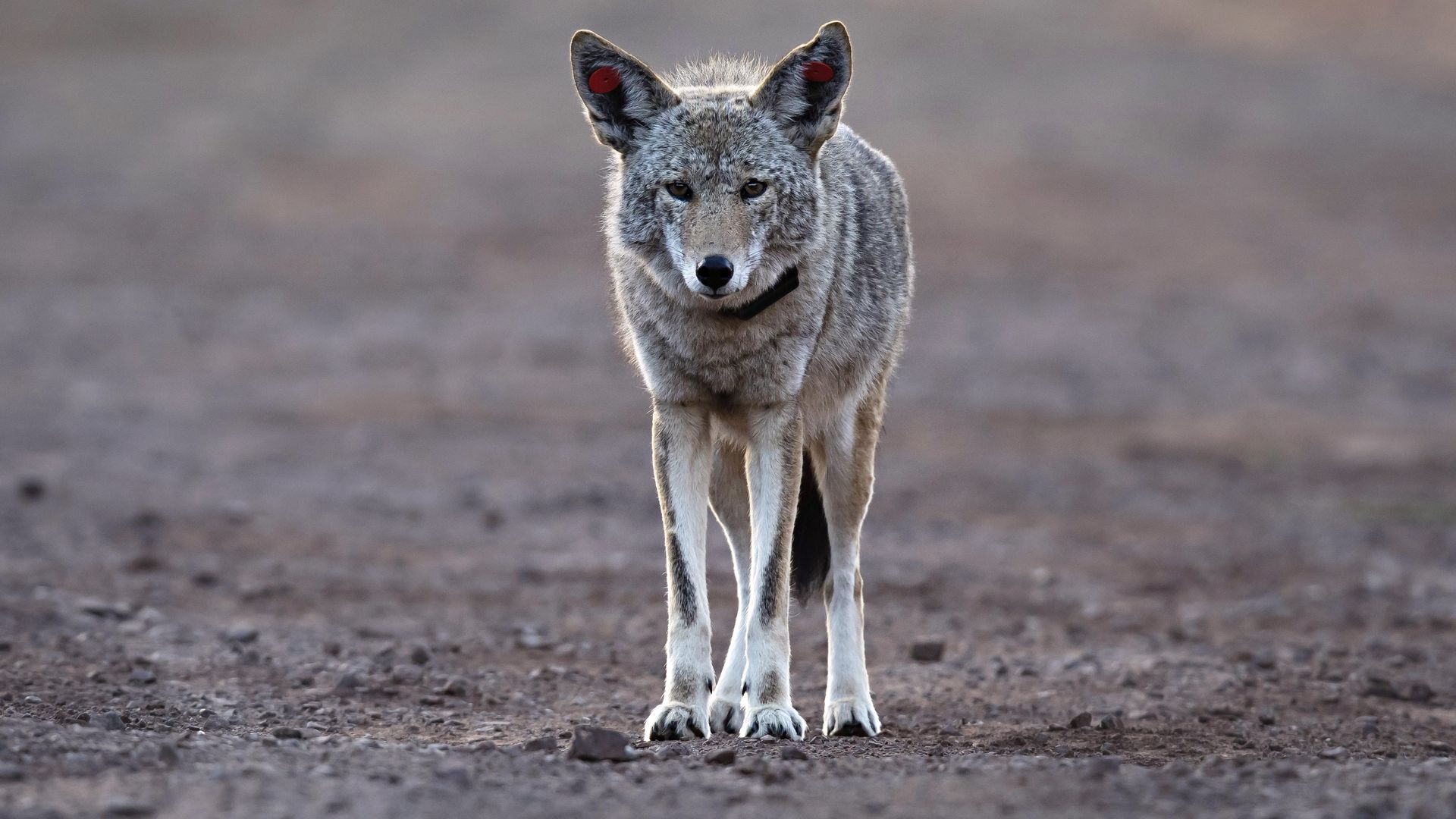
The pup-rearing season runs from April through the fall. Photo: Carlos Avila Gonzalez/The San Francisco Chronicle via Getty Images
It's peak pupping season in San Francisco, which means more visible and territorial coyotes guarding their baby-filled dens.
Why it matters: Pupping season can lead to more sightings — especially in and around parks — and tense encounters with dogs, which coyotes see as potential threats.
Driving the news: The Presidio Trust recently closed sections of the Park Trail and Bay Area Ridge Trail to dog walkers through October after pups were spotted in the area.
- Similar trail closures have happened in past years in Bernal Heights and McLaren Park, though this year's season has so far been "pretty quiet," with no additional closures planned yet, Deb Campbell, a spokesperson at SF Animal Care & Control, told Axios.
Threat level: Nearly all serious coyote confrontations in San Francisco involve dogs, Campbell said.
- Off-leash dogs are especially vulnerable, while small dogs are often sought out as prey. But even leashed dogs can trigger defensive behavior if they get too close, she said.
Zoom in: Keep your dog leashed, stay calm and back away slowly if you cross paths with a coyote. Pick up your dog if it's small and do not attempt to run away.
- "Hazing" — the practice of making yourself big and intimidating — is also an option, though not as effective during pupping season due to coyotes' heightened protective instincts.
- "Escorting" occurs when adult Canis latrans follow people or pets, often baring their teeth, stiffening their posture or making noises to steer them away.
- "Coyotes can make themselves look really scary," Campbell said. "It's protective, it's not aggression. But if a dog doesn't get the message, then it could turn into something more."
Between the lines: Coyotes mostly live in San Francisco's parks and open green spaces and are an important part of the urban ecosystem, where they help control rodent populations, per the city's Recreation & Parks department.
- They also seek out quieter, sheltered spots, such as overgrown or untended yards, as den sites.
- They're most active at night and around dawn and dusk.
Pro tip: Never feed coyotes. Doing so makes them lose their natural instincts to hunt, draws them into neighborhoods and increases the chances of close encounters.
- It's also why they're increasingly being seen in residential areas, Campbell said.
What's next: To report a sighting, an incident or potential backyard den, contact SF Animal Care & Control at 415-554-9400.