Voter guide: Meet SF's leading mayoral candidates

Add Axios as your preferred source to
see more of our stories on Google.
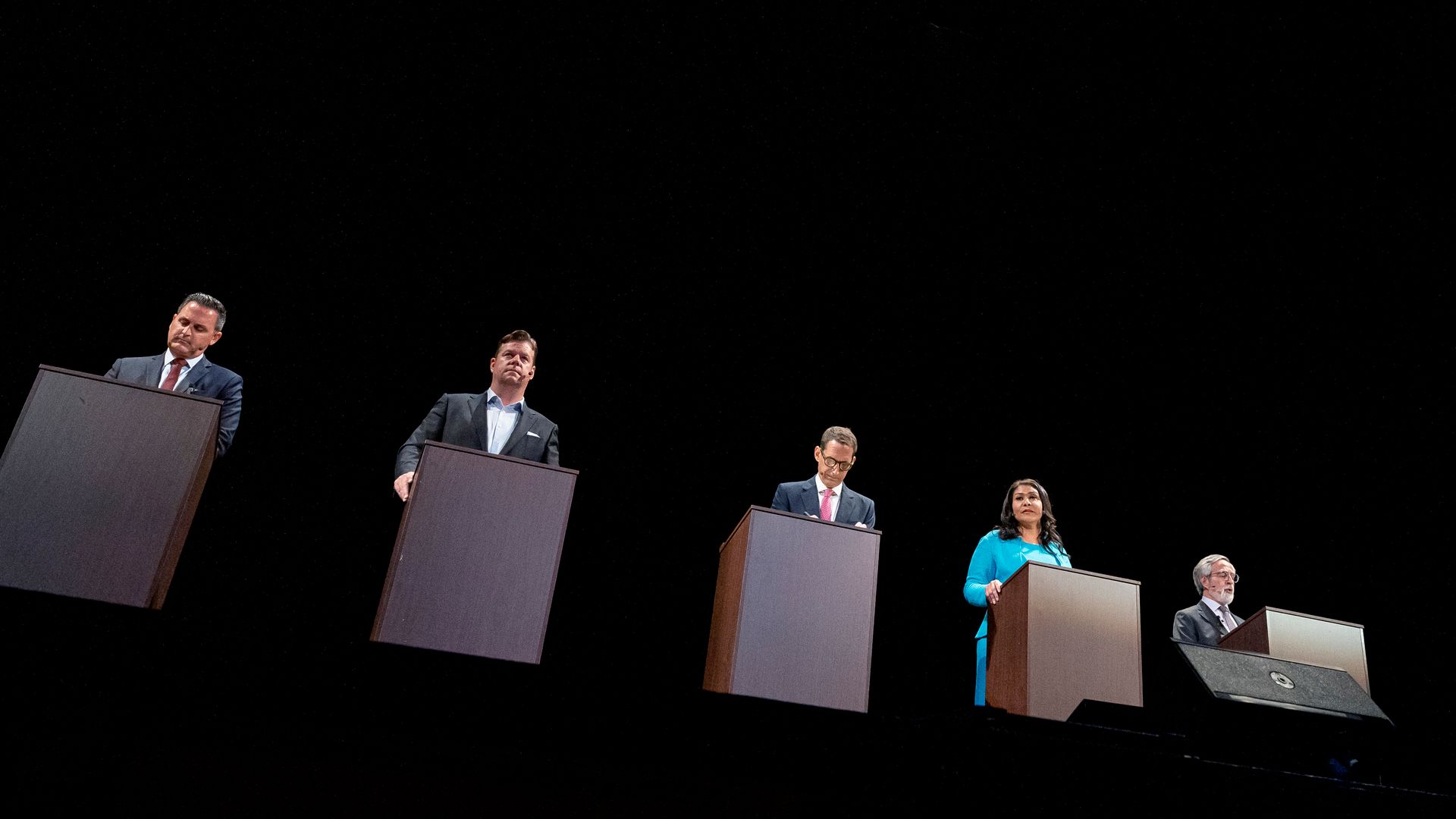
Ahsha Safaí, Mark Farrell, Daniel Lurie, London Breed and Aaron Peskin at a debate. Photo: David Paul Morris/Bloomberg
Mayor London Breed is up for re-election, but she faces a formidable slate of challengers as San Francisco grapples with a bevy of issues, including a drug overdose epidemic, a homelessness crisis, the need to build more housing and a struggling downtown.
The candidates: Mark Farrell, former interim mayor of San Francisco, anti-poverty nonprofit founder and Levi Strauss heir Daniel Lurie, and supervisors Aaron Peskin and Ahsha Safaí are the four key front-runners challenging Breed.
- 13 people in total have qualified for the ballot.
The big picture: All five of these candidates are registered Democrats, but they are various shades of blue.
- Breed, Farrell and Lurie are considered moderate, with some Republicans favoring the latter two, the San Francisco Standard reports.
- Meanwhile, Peskin is considered progressive, while Safaí has shown both moderate and progressive tendencies.
- This month, a San Francisco Chronicle poll asking voters who they would rank as their first choice showed Breed leading, followed by Farrell, Lurie, Peskin and Safaí.
Follow the money: Lurie has raised more than $8 million for his election bid, according to campaign filings.
- Breed has raised the second-highest amount with nearly $3 million, followed by Peskin with about $1.1 million.
- Neither Farrell nor Safaí have raised more than $1 million.
- Lurie is the only major candidate who has not sought public financing, a program that allows candidates to receive taxpayer dollars for their campaigns.
Axios asked the candidates the same question: What is the No. 1 issue in San Francisco right now and how would you address it if elected? Here's what they said:
London Breed
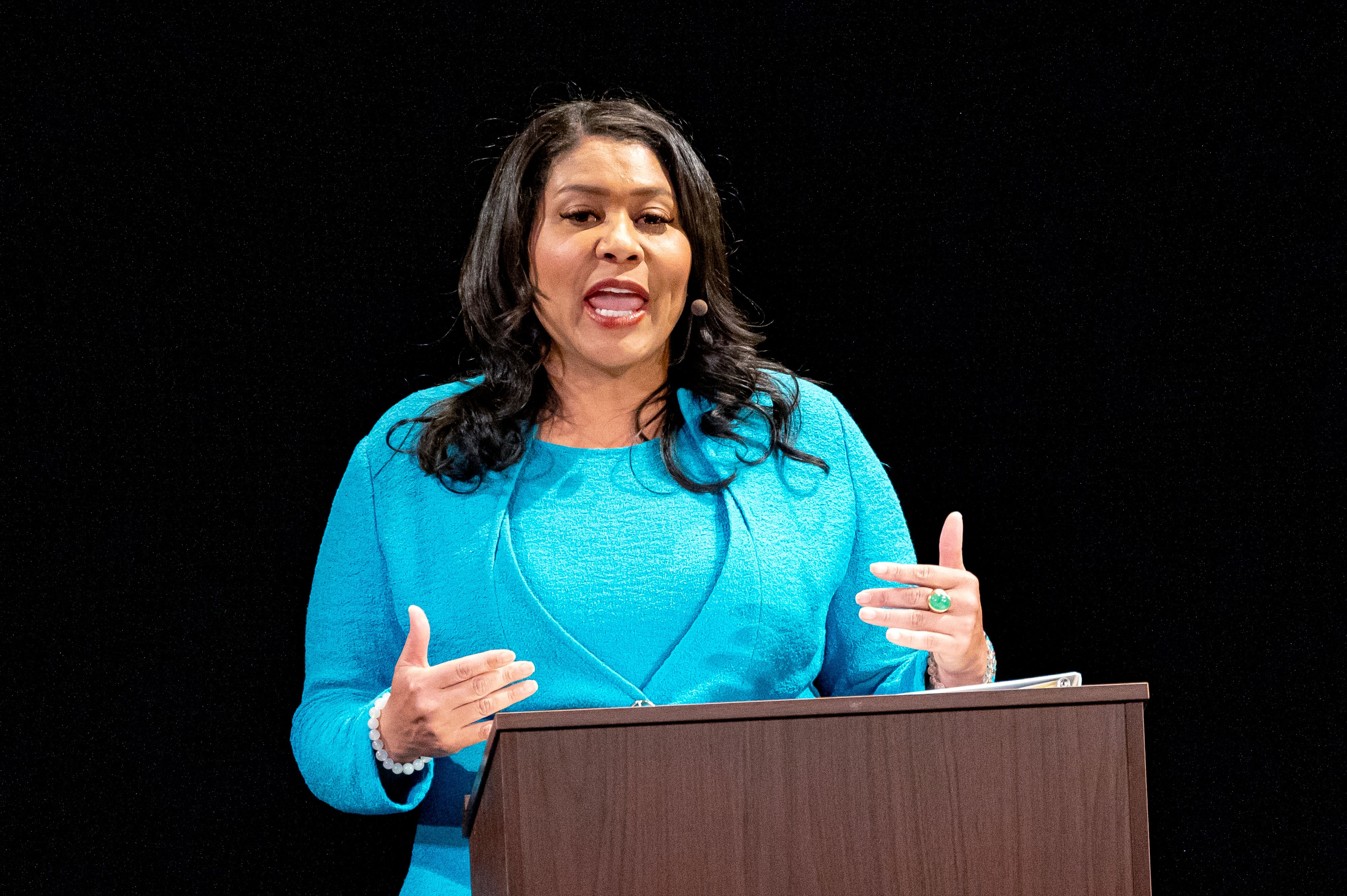
Top issue: Housing.
What she's saying: "I have already done a great deal to ease barriers to new housing, but we have more to do," Breed said.
- "For instance, where a project complies with our local code, it should move forward without politicized decision-making. And we need to allow more housing in areas that have not allowed it in the past."
- "This issue is personal for me: my family and friends have been displaced, and as a lifelong renter, I have dealt with the effects of the high cost of housing my whole life."
Daniel Lurie
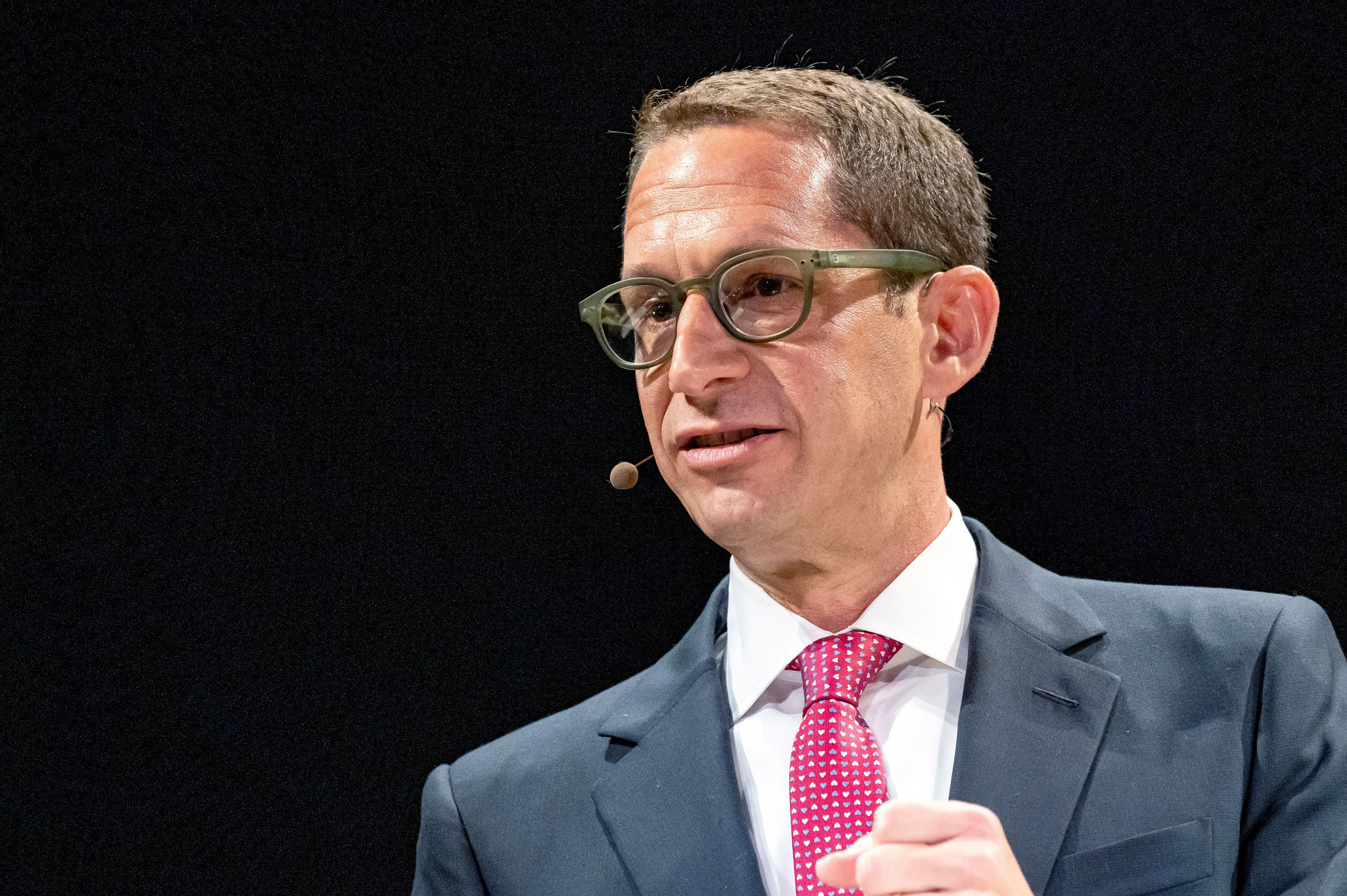
Top issue: Public safety.
What he's saying: "We can't bring businesses, tourism and the tax revenue they generate back to San Francisco until our streets are safe and clean," Lurie said.
- "As mayor, I will fully staff police and sheriff departments and 911 dispatchers to reduce emergency response times, which are dangerously slow."
- "I will build workforce housing for first responders and offer rent and child care subsidies so officers can live in the communities where they work. Finally, I will foster diversity in our ranks so our officers look like the communities they serve."
Context: As of Aug. 1, the San Francisco Police Department had 1,845 officers, 229 officers short of its target staffing levels.
- In July, the sheriff's office said it was grappling with "a severe staffing crisis."
- 911 call response times, meanwhile, were not meeting target goals as of July 31, with just 76% of calls answered within 15 seconds, according to city data. The goal is 95%.
Aaron Peskin
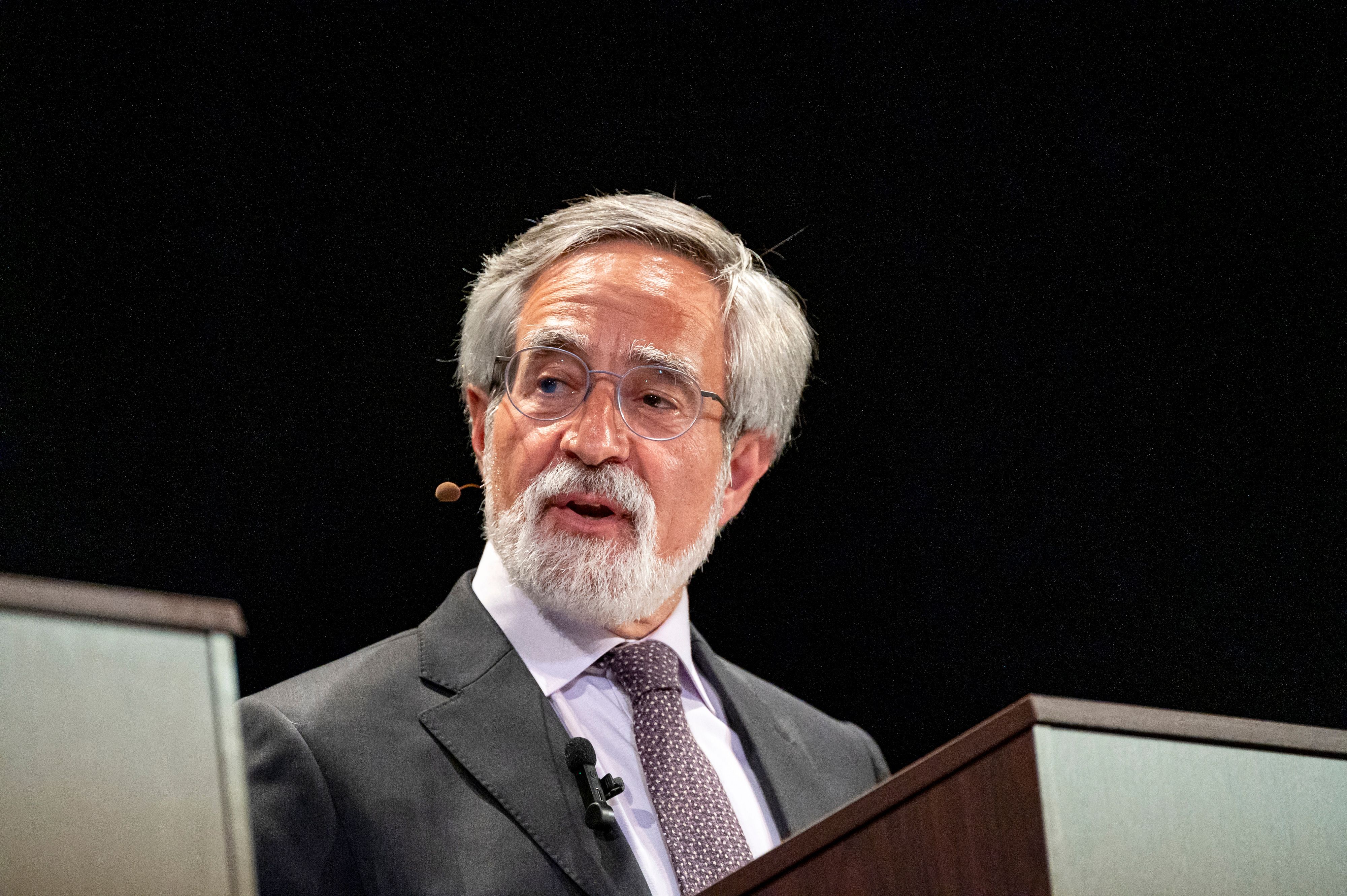
Top issue: Homelessness.
What he's saying: "Homelessness is a profound economic and public health crisis impacting our city," Peskin said.
- Peskin pointed to his six-point From Crisis to Care plan, which aims "to address homelessness by focusing on reforming the management of homelessness, leading a regional approach to treatment and conservatorship facilities, stopping unjust evictions, expanding safe and clean shelter, ending student homelessness, and putting forth a real plan for a continuum of affordable housing."
By the numbers: Total homelessness in the city increased 7% from 2022 to 2024, according to the city's finalized "point-in-time" count.
Ahsha Safaí
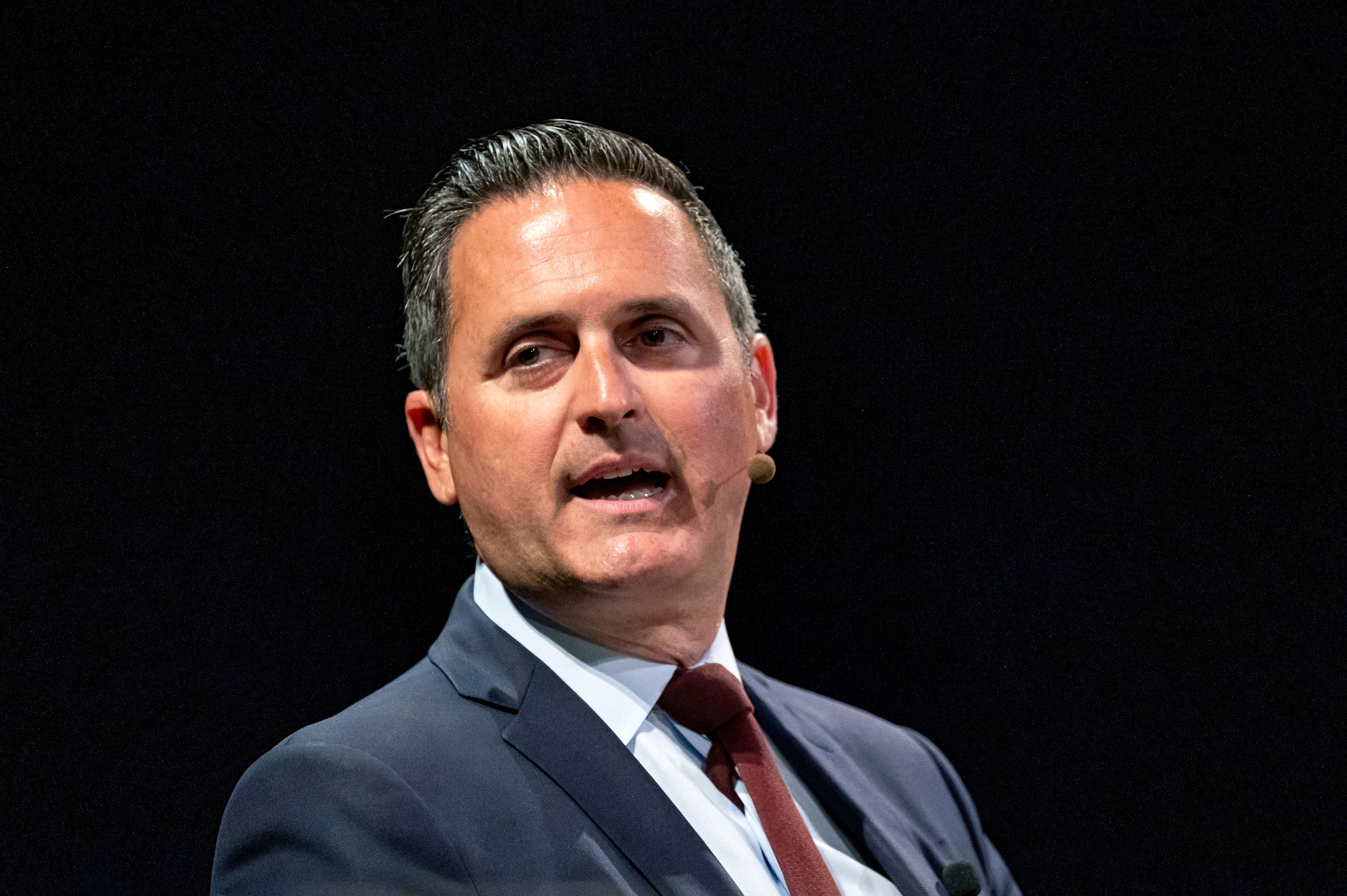
Top issue: Affordability.
What he's saying: "Everyday San Franciscans are getting crushed," Safaí said.
- "You shouldn't have to be rich to live in our city. I'm running for mayor to ensure all San Franciscans can live, work and thrive here."
- As a former union organizer and district supervisor, he's "helped raise the minimum wage, fought for free City College and built affordable housing."
- "My campaign is the only one that is a strong voice for working families throughout San Francisco."
Mark Farrell
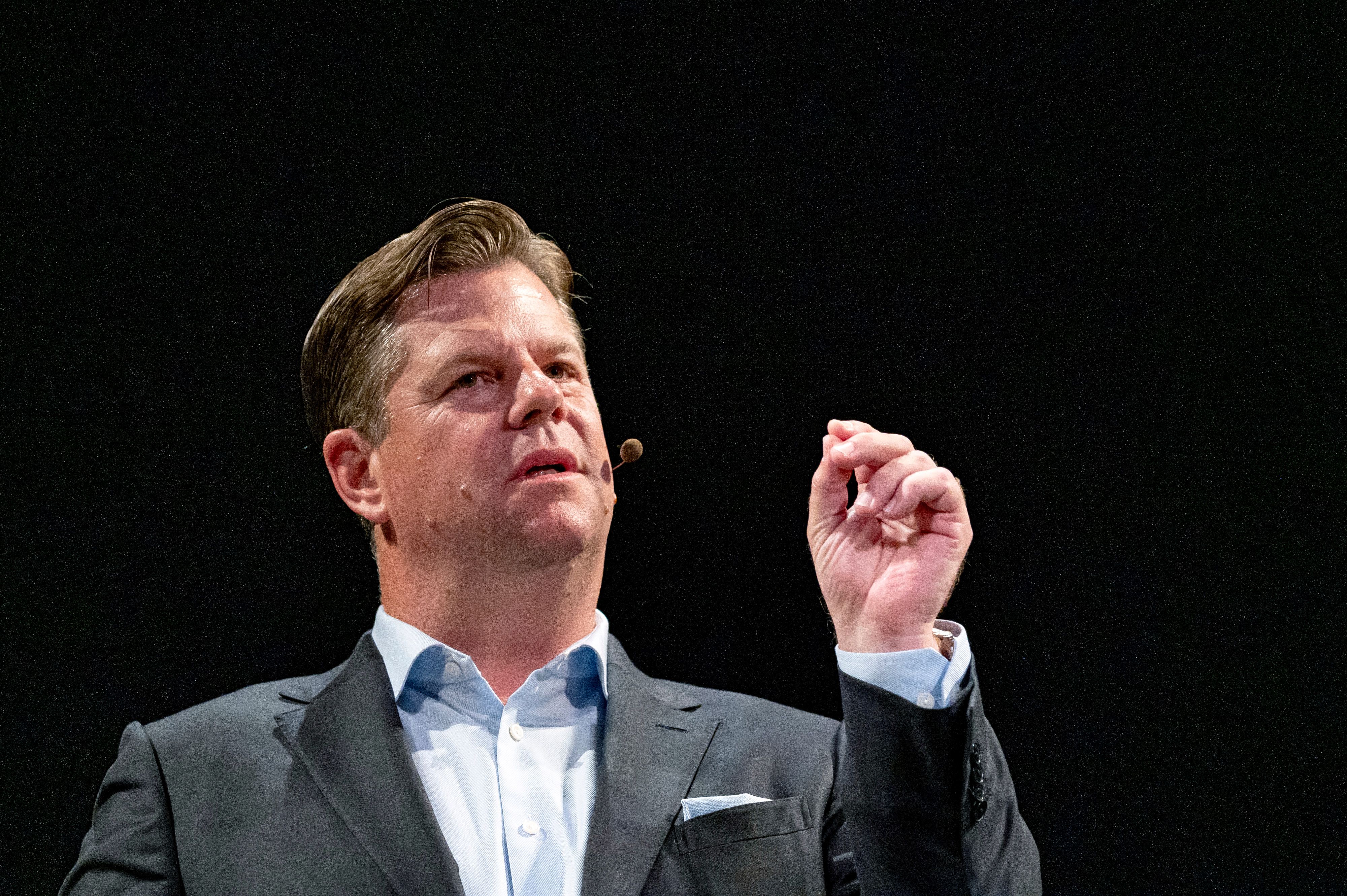
Top issue: "Voters have lost confidence" in Breed's ability to "deliver the changes we deserve," Farrell said.
What he's saying: If elected, he plans to launch his "detailed plan to recruit and retain more officers, declare a fentanyl state of emergency [to] close open-air drug markets and get people into treatment, clear all large tent encampments and provide thousands of new shelter beds."
- He will "jumpstart our local economy by building tens of thousands of new housing units, creating a world-class park at Embarcadero Plaza, and [offering] new incentives to bring employers and employees back downtown."
What a win for Breed could mean for SF
Breed was thrust into the city's top role in December 2017, following the sudden passing of Mayor Ed Lee.
- Breed, as then-president of the Board of Supervisors, became acting mayor in accordance with the city's charter.
Yes, but: She lost that job after about a month when her fellow supervisors voted to make Farrell the city's interim mayor until a special election in June 2018.
- The move was an attempt by the board's progressive faction to increase the chances of a left-leaning candidate winning the special election by not letting Breed have the advantage of incumbency, the San Francisco Chronicle reported at the time.
- The move, however, was rather controversial, with some seeing it as motivated by racism and sexism, according to the Chronicle. Progressive supervisors, however, denied those claims.
Regardless of the motivations, it didn't go according to plan.
- Breed ultimately won that election, becoming the first Black woman to be elected mayor of San Francisco and just the second woman to hold the position.
- In July 2018, she was sworn in as mayor to finish the remainder of Lee's term, which ran until January 2020.
- In 2019, voters elected Breed to her first full term as mayor. That four-year term, however, was extended in 2022 by one year following the passing of Proposition H, which moved the mayoral and other city elections to align with the U.S. presidential election in an effort to increase voter turnout.
What we're watching: If re-elected, Breed will be in power until January 2029, making her full tenure almost 11 years long.
What's next: The race is far from decided, and September will be a pivotal month.
- We've already started seeing more television ads and we can expect the candidates to go after each other in upcoming debates.
- The Sept. 19 debate, hosted by the San Francisco Chronicle and KQED, will be a must-see.
- It takes place at KQED's event space in the Mission at 7pm but you can also catch the debate on KQED's television and radio stations, as well as via a livestream.
- Ballots for the Nov. 5 election will head to your mailbox the first week of October.