How parking meters became ubiquitous in San Francisco

Add Axios as your preferred source to
see more of our stories on Google.
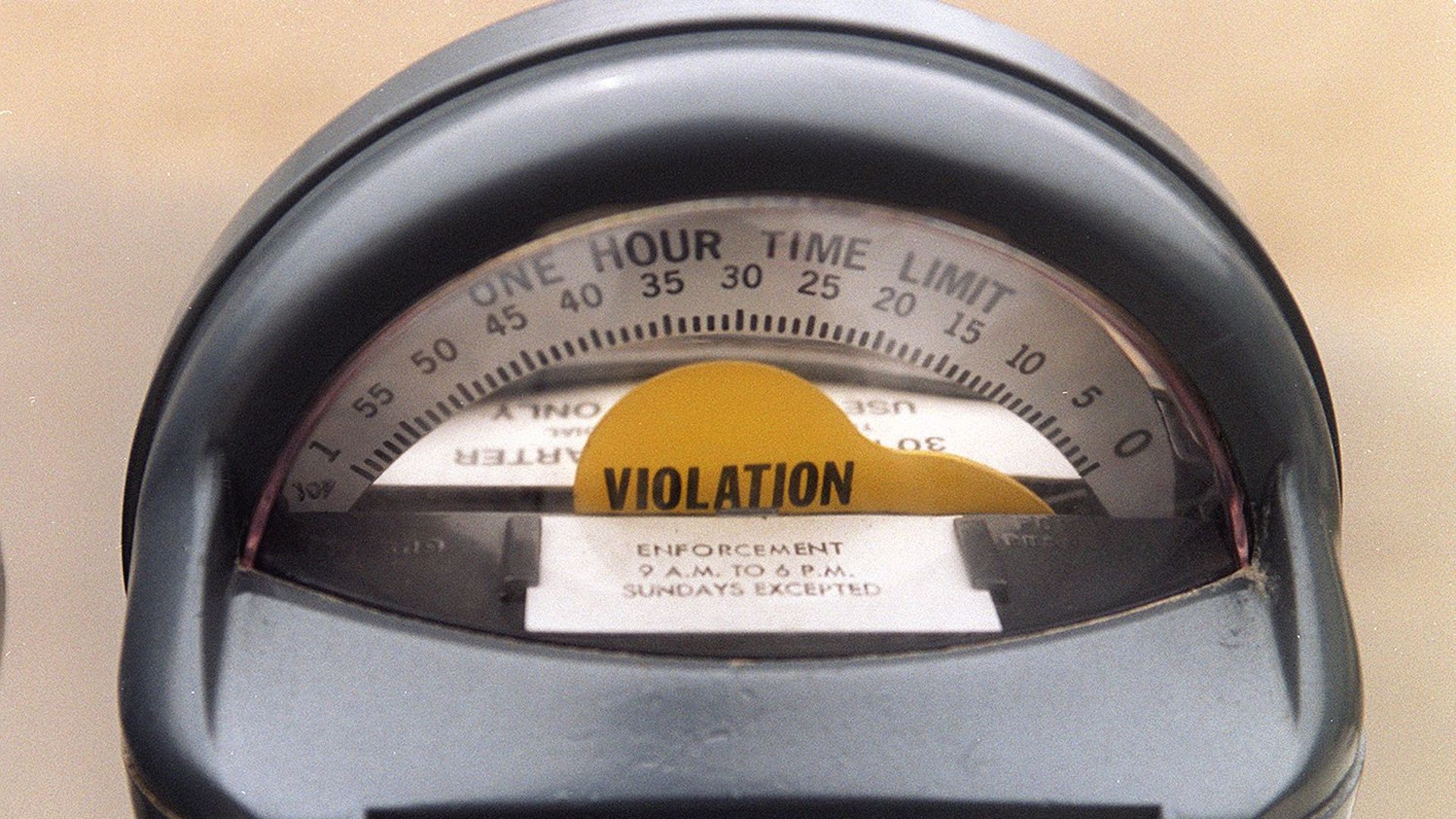
Photo: Lea Suzuki/San Francisco Chronicle via Getty Images
Feeding the meter is a way of life in San Francisco, but paying for street parking in the city didn't become a thing until the 1940s.
Driving the news: The San Francisco Municipal Transportation Agency (SFMTA) is now working to upgrade the payment mechanisms for the city's 27,000 metered parking spaces.
Why it matters: The purpose of the meter upgrades is to make it easier for people to read the screens, have more ways to pay, get rid of the need to remember a parking spot number and more.
Zoom in: As part of its replacement program, SFMTA has installed multi-space pay stations, featuring a pay-by-license-plate system, at half of the metered spaces throughout the city, according to a blog post.
- The agency is about halfway done replacing the rest of the parking spaces with upgraded single-space meters.
- All of the new meters rely on 5G technology instead of the now-outdated 3G.
Flashback: In 1936, the city's Board of Supervisors passed an ordinance authorizing the city to install parking meters to manage the increased demand for parking while simultaneously bringing revenue into the city at a time when its population was on the rise.
- But debates about the legality of charging parking fees and then the onset of World War II delayed its implementation, according to the SFMTA.
- In 1947, San Francisco installed its first parking meter at Polk and Bush Streets, charging one cent for 12 minutes, or five cents an hour.
- The city has since implemented parking rates based on location and demand, with hourly base rates starting as low as 50 cents an hour and as high as $11 an hour.
Between the lines: SFMTA uses the metered parking revenue to cover the cost of the program and help fund Muni's transit services.
- In February, SFMTA said its revenues from parking fees, including lots, had dipped by 12% since the pandemic.
The bottom line: "While no one likes to pay for parking, meters have become an essential part of improving parking availability and reducing congestion in cities around the world," SFMTA's Pamela Johnson and Kelley Trahan wrote in the blog post.