Panda conservation comes at a cost, Times investigation reveals


Add Axios as your preferred source to
see more of our stories on Google.
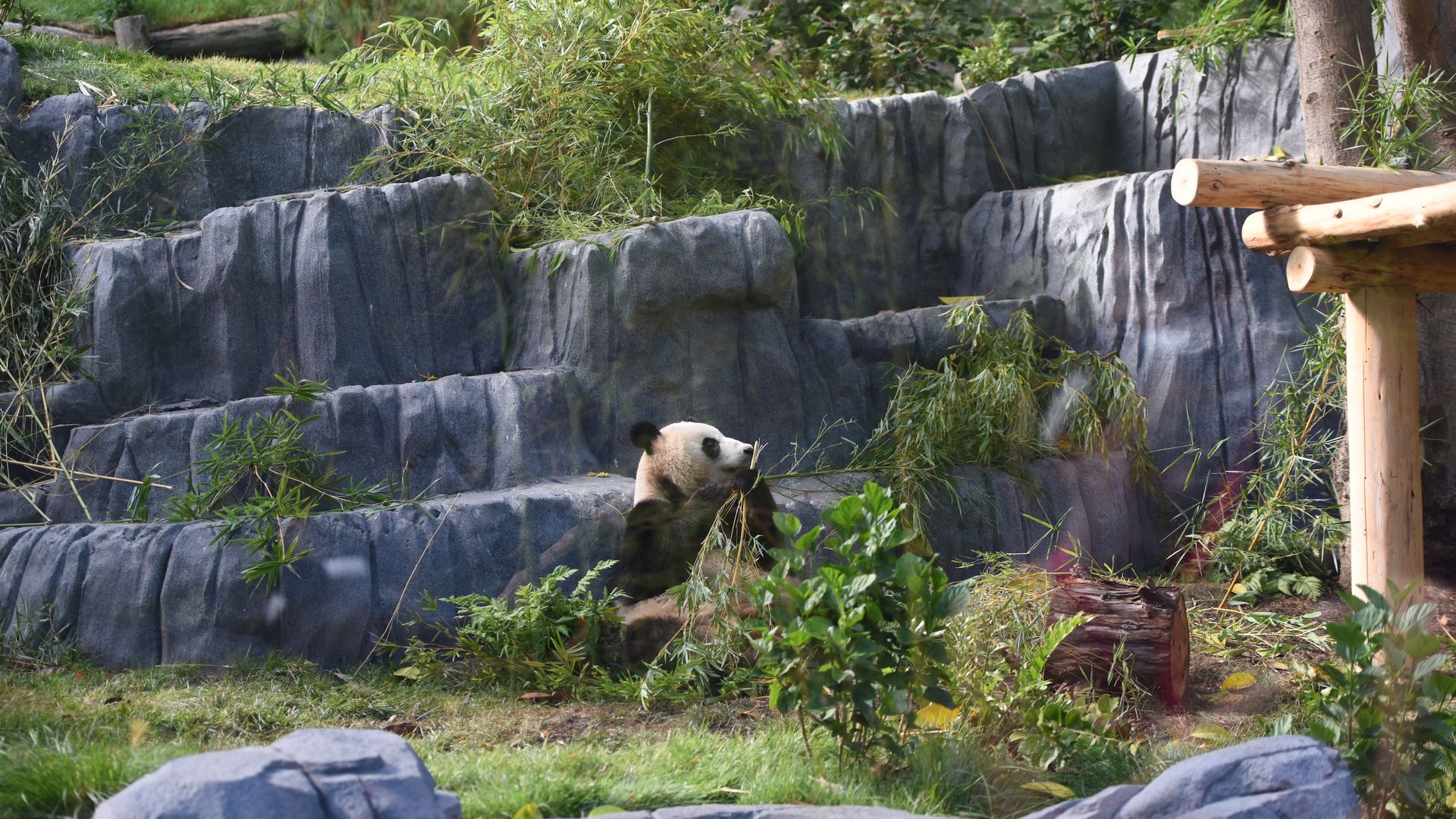
Xin Bao enjoys bamboos at the San Diego Zoo. Photo: Zhang Shuo/China News Service/VCG via Getty Images
For decades, the San Diego Zoo has worked with China to study and recover the giant panda species through conservation breeding. But a recent New York Times investigation questioned the Chinese program's success and financial incentives, while raising concerns about the treatment of the animals.
Why it matters: Getting more pandas back into the wild — a goal of China's panda diplomacy — hasn't worked as intended.
The big picture: The celebrity-status bears can benefit zoos by boosting attendance and gift shop sales, and attracting donors, while fueling conservation efforts, the Times reported. But it comes at a cost.
- Aggressive artificial breeding at institutions around the world has injured pandas and killed at least one.
Between the lines: China has removed more pandas from the wild than it has freed, and no cubs born in American or European zoos, or their offspring, have ever been released, the Times found.
- About 25 years ago, 126 pandas lived in captivity, and today there are more than 700.
- "What the program does best is make more cubs for zoos," the Times wrote.
The fine print: The Times investigation is based on more than 10,000 pages of documents, including medical records, field notes, photos and videos.
Catch up quick: The Times released its investigation the same week that China sent two pandas to the National Zoo in Washington, D.C., where they'll begin a multi-week quarantine and acclimation process before debuting to visitors.
- The San Diego Zoo welcomed Yun Chuan and Xin Bao in August, drawing enthusiastic crowds to see them, after Mayor Todd Gloria was part of an envoy that attended their farewell ceremony in China.
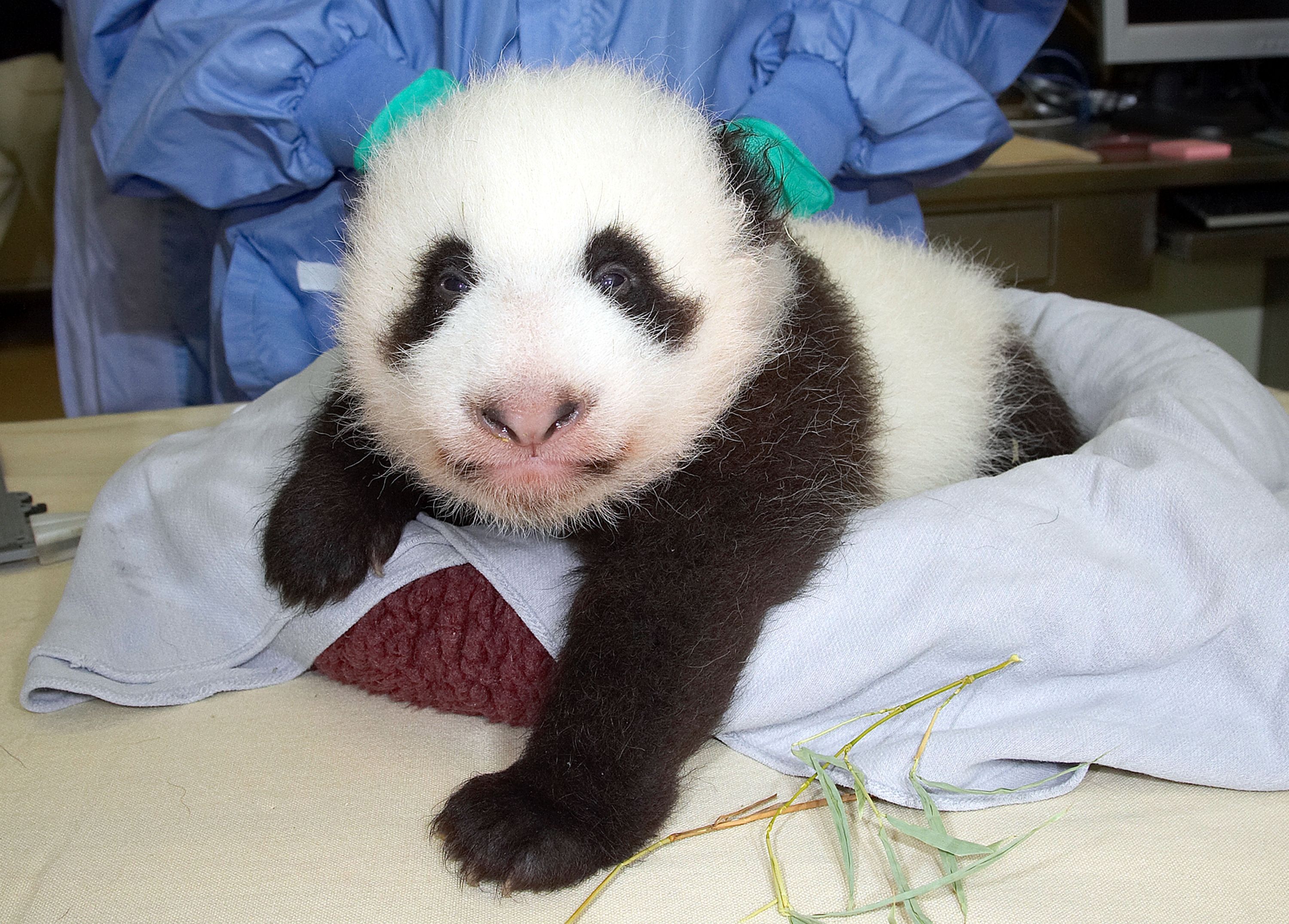
Zoom in: San Diego's conservation breeding program started in 1996 when two pandas, Bai Yun and Shi Shi, arrived on a 12-year loan to help sustain and grow the population.
- Bai Yun's first cub, Hua Mei, was the first panda born through artificial insemination to survive into adulthood outside of China.
- Over the years, five other panda cubs were born at the zoo, which helped develop new neonatal techniques and products to increase survival rates of nursery-reared cubs.
- The zoo says its work with Chinese researchers deepened scientific understanding of giant panda biology and care, and directly contributed to the downgrading of species' endangered status to "vulnerable" in 2021.
What they're saying: Emily Senninger, a spokesperson for the San Diego Zoo Wildlife Alliance, the nonprofit that operates the zoo, said in a statement to Axios that conservation breeding when pandas faced extinction was necessary, similar to that used for California condors, Hawaiian honeycreepers and Przewalski's horses.
- "The next phase of this decades-long partnership is focused on ensuring giant panda populations are healthy, thriving and self-sustaining in the wild."