State investigates after research monkey ends up at Miami waste facility

Add Axios as your preferred source to
see more of our stories on Google.
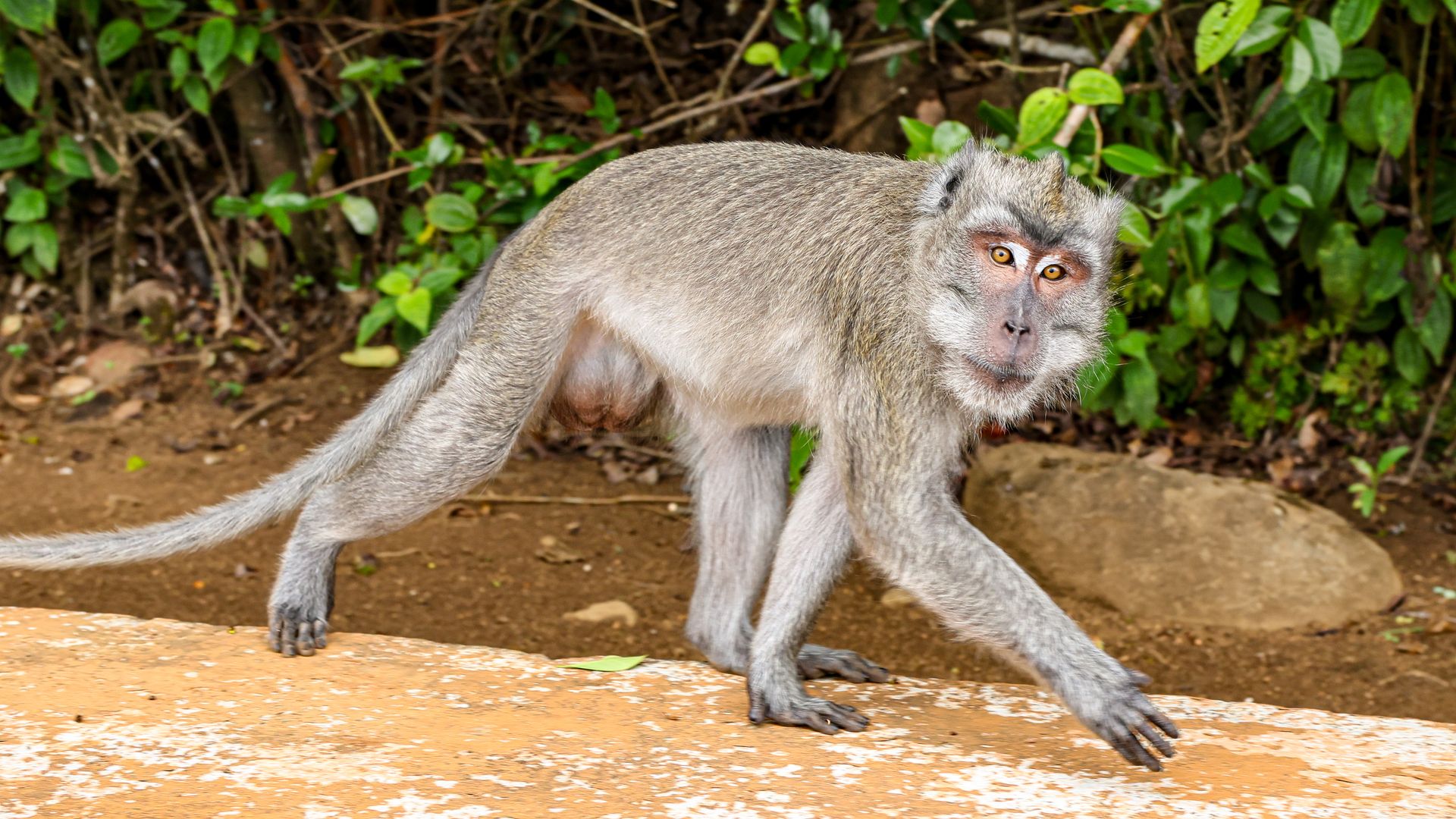
A long-tailed macaque similar to the one pictured was imported to Florida for animal research. Photo: Lyvans Boolaky/Getty Images
Florida wildlife officials are investigating after a research monkey imported from an African island wound up in a medical waste treatment facility in Miami, leading to it being euthanized.
Why it matters: Animal welfare group PETA says the blunder endangered the monkey and threatened public health because it violated federal animal quarantine requirements.
How it happened: The incident involved Immokalee-based BC US, which houses and quarantines long-tailed macaques bred in Mauritius by its sister company Bioculture Mauritius.
- In a statement, BC US said it was unloading a shipment on Jan. 28 when one of the monkeys remained "undetected inside a transport crate."
- The monkey's crate was placed in a "secure biowaste container," alongside empty crates, which were then transferred to a waste management company, Stericycle.
Stericycle tells Axios it discovered the monkey at its Miami-area facility after emptying the container.
- "Operations were temporarily suspended while professionals safely and humanely secured and removed the animal from the premises," the company said in a statement to Axios.
- There was no physical contact between the animal and Stericycle employees, the company said, adding that it's working with the Florida Department of Health to abide by sanitation protocols.
What they're saying: BC US called the incident an "operational failure" and tells Axios it has briefed authorities, including the Centers for Disease Control and Prevention and U.S. Department of Agriculture.
- Since its Florida facility opened in 2014, BC US says this is the first incident of its kind. "While rare, it is unacceptable by our standards," the company said in a statement.
The latest: A Florida Fish and Wildlife Conservation Commission official confirmed to PETA in a Feb. 6 email that the agency was investigating.
Friction point: PETA, which has called for the end of primate imports, published a whistleblower's account of the incident that differs slightly from what BC US has said.
- PETA says the macaque's crate was thrown into a biomedical waste dumpster and "became loose inside the [waste] facility." (BC US says the animal "remained inside a secure container ... throughout the incident.")
- PETA said the monkey was confined without food and water for days. (BC US says the crates contained food and water.)
- PETA says it took five days for the monkey to be discovered Feb. 2 at the waste facility. (BC US declined to say how long the monkey was outside its custody.)
Lisa Jones-Engel, PETA's senior science advisor for primate issues, in a statement to Axios said BC US "essentially threw the monkey out."
- "No reasonable person would consider it an acceptable or safe place to stash a live animal for days without access to adequate food, water, or other necessities," she said.
BC US says it euthanized the monkey "out of an abundance of caution" because existing primate colonies must remain free of specific bacteria, although the monkey didn't show any sign of disease.
- Asked if the monkey could have been released to an animal sanctuary, a spokesperson declined to comment, pending an internal review.
- BC US says it will strengthen verification during the uncrating process and retrain its employees.
Zoom out: BC US parent company Bioculture Group says it supplies research monkeys to pharmaceutical companies, universities and non-clinical research organizations.
- BC US said in a statement that its work is "fundamental to the global effort to develop life-saving treatments for devastating conditions," including Alzheimer's disease, Parkinson's and cancer.
- The company said it "remains committed to maintaining the highest standards of animal welfare, regulatory compliance, and biosecurity."