Huntsville summit aims to reshape America's next innovation boom

Add Axios as your preferred source to
see more of our stories on Google.
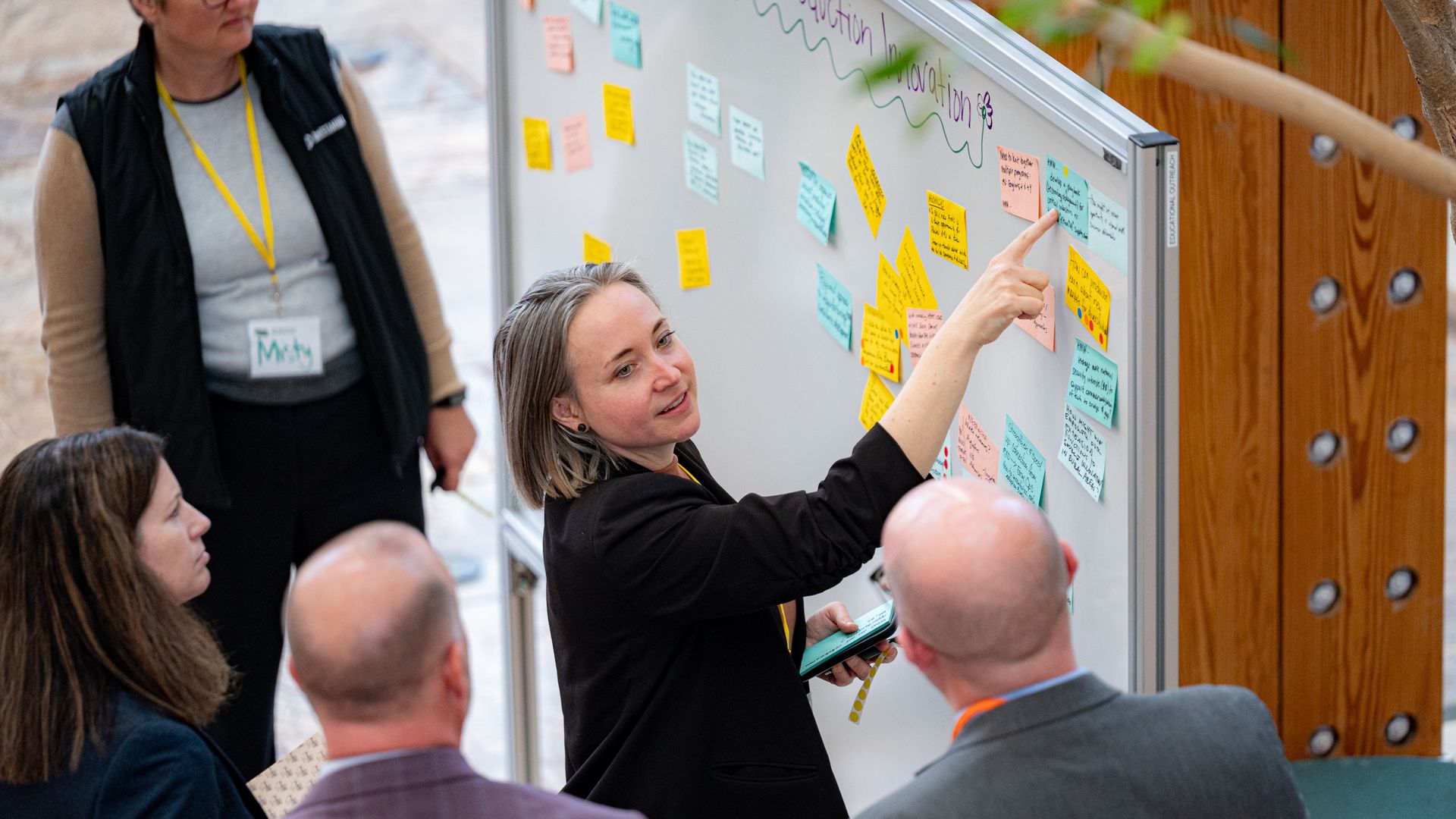
Leaders from Alabama, Tennessee, Arkansas and Nebraska gathered in Huntsville Nov. 19-20. Photo: Courtesy of HudsonAlpha Institute for Biotechnology
A meeting of the minds in Huntsville last week brainstormed ideas for transforming the country's supply chains and innovation ecosystem.
Why it matters: Those minds envision a future where states collaborate rather than compete for economic development, driving innovation that can compete globally and providing jobs close to home.
The latest: Renaissance Teams and the BRIDGES Innovation Engine brought together academic and research leaders from Tennessee, Alabama, Nebraska and Arkansas at HudsonAlpha Institute for Biotechnology last week for State of Innovation: Securing America's Supply Chains.
The big picture: The goal of the summit is to create new opportunities for collaboration and innovation to keep pace with growing competition from countries like China and Russia.
Driving the news: A wave of technology outages has disrupted everything from air travel to banking in recent days, further driving the sense of urgency, Erwin Gianchandani, assistant director for technology, innovation and partnerships at the U.S. National Science Foundation, told Axios.
- The meeting emphasized place-based innovation hubs in areas like Huntsville or Nebraska that can rival traditional centers like Silicon Valley, he said.
Context: For example, the first NSF Engines cohort saw $135 million in taxpayer funds invested, which has now, almost three years later, resulted in more than $2 billion in investment, Gianchandani said.
- BRIDGES received an initial $15 million as part of the second NSF Engines cohort.
Zoom in: The idea is to allow new companies to spin out from these innovation partnerships, as BRIDGES has already seen in its first 90 days since receiving its NSF Engines funding, BRIDGES CEO Sam Jackson told Axios.
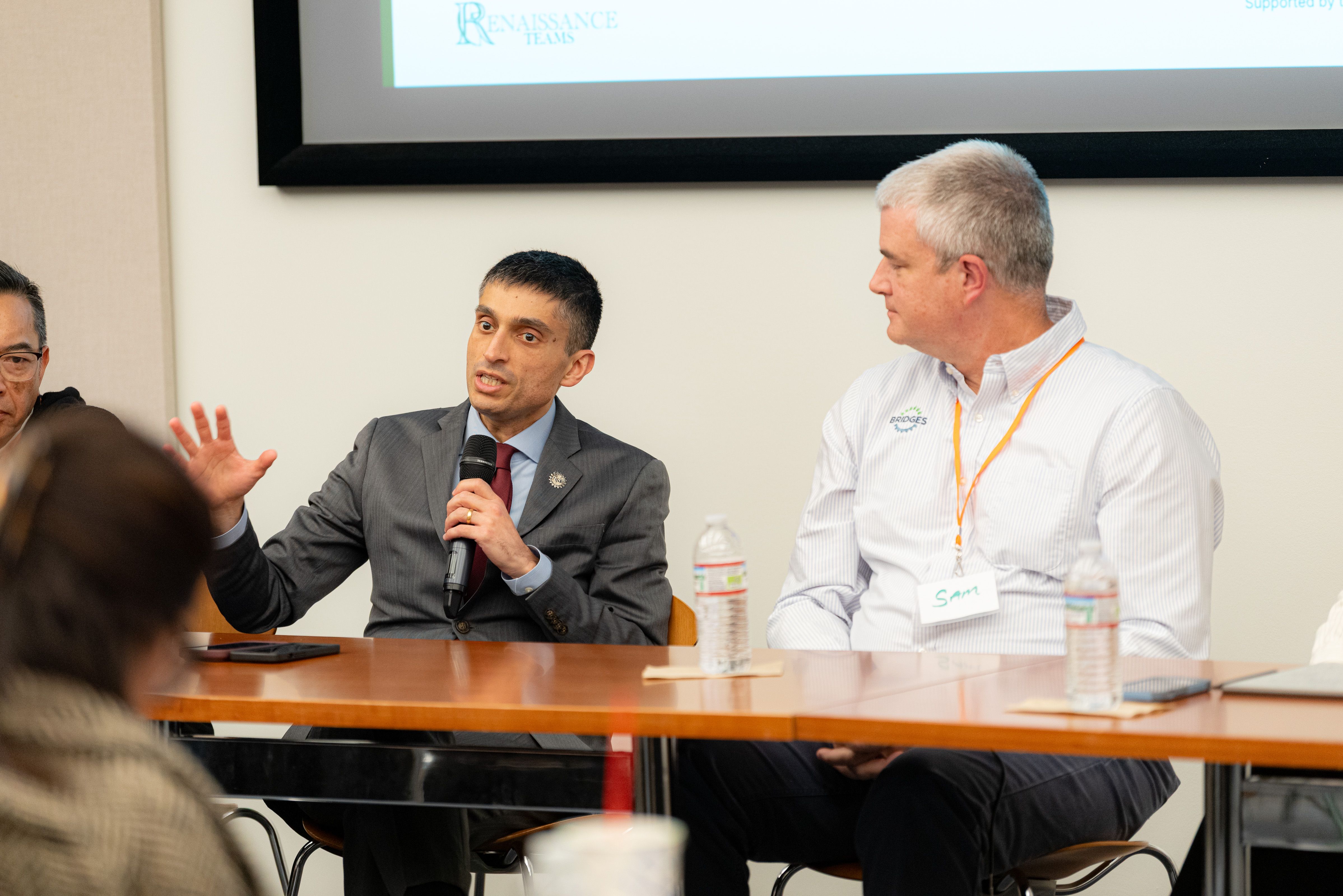
What they're saying: Long-term success looks like a workforce that can pursue careers in fields like technology, biology or chemistry without having to move away from home, Gianchandani said.
- "Most of our rural school systems will tell you, 'We are producing really smart and good kids; we're producing a great generation, but most of them leave for other opportunities,'" Jackson told Axios.
Case in point: The NSF Engines program funded FUEL in Louisiana, focused on energy innovation, where someone told Gianchandani that, "Folks in Washington have never taken a bet on us here in Louisiana."
- During a site visit two years later, the FUEL team showed how they were proving out their ideas, and "That's the kind of spark that we would love to see more of in more places across the country," he said.