HudsonAlpha's grass-based manufacturing effort lands $15M

Add Axios as your preferred source to
see more of our stories on Google.
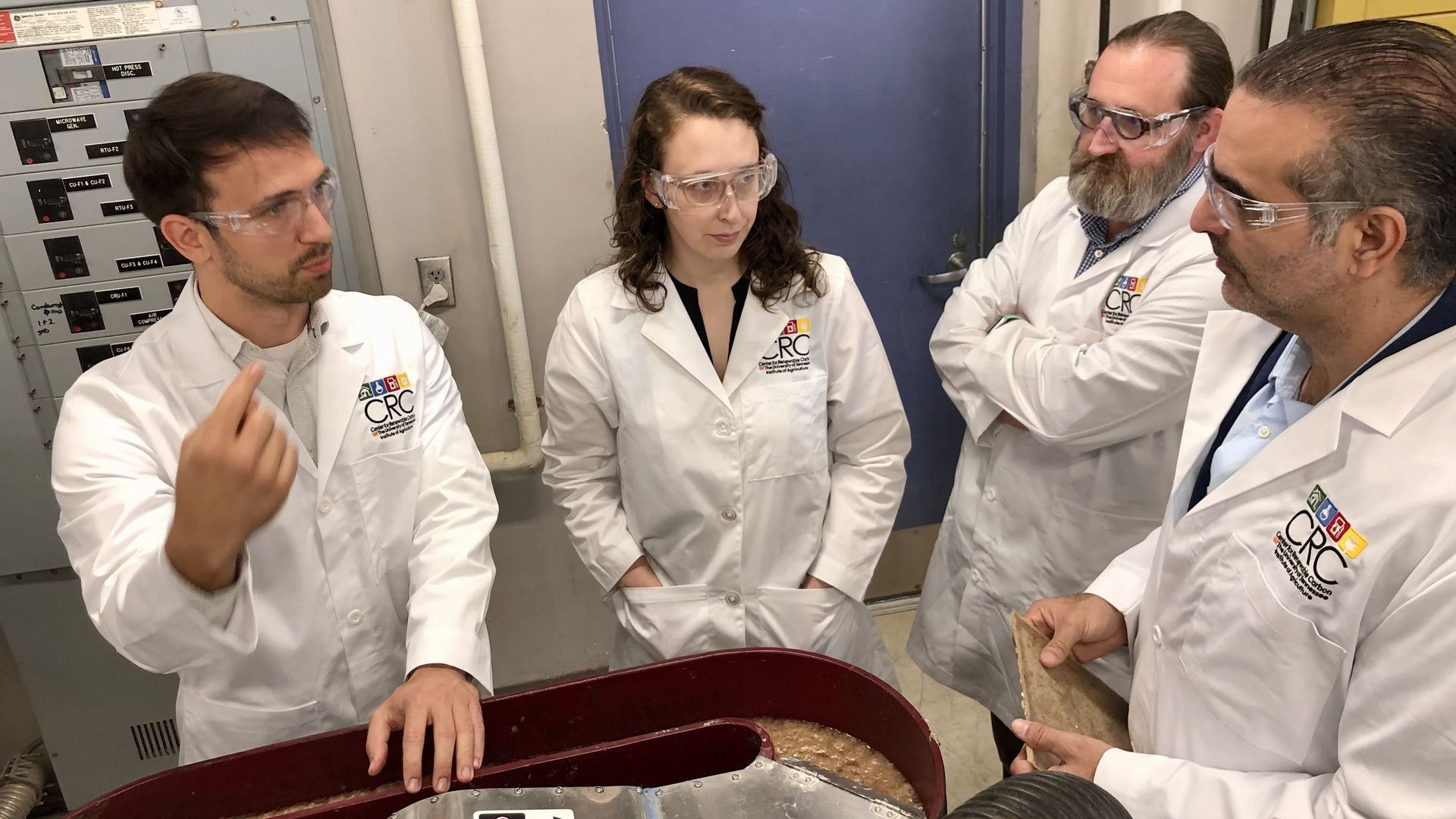
Researchers collaborated with industry to speed the time from innovation to market. Photo: Courtesy of University of Tennessee, Knoxville
Grass grown on underutilized farmland in Alabama and Tennessee will soon be used to make everything from food packaging to car parts.
Why it matters: The initiative is poised to fuel sustainable growth in agriculture and manufacturing in the region, forecast to result in billions in investment over the next decade.
The latest: The BRIDGES Engine, spearheaded by HudsonAlpha Institute of Biotechnology, has been awarded $15 million, potentially up to $160 million total, through the National Science Foundation's Regional Innovation Engines program.
- Working with Auburn University, the University of Tennessee Knoxville, AGgrow Tech LLC and Volkswagen Group of America, the BRIDGES team was one of 12 selected from an initial pool of 300 vying for funding.
What they're saying: "The proposal to really transform agriculture and advance manufacturing in our two states resonated really well with NSF," Sam Jackson, BRIDGES CEO, told Axios, calling the award "a recognition of the team's hard work."
- "I just can't tell you how excited we are to actually get the opportunity to implement all these plans."
- The BRIDGES network includes 42 industry collaborators, 18 academic research institutions, 10 commercial partners and 15 other stakeholder organizations.
- Think everything from FedEx to a two-person startup in a lab, Jackson said.
By the numbers: BRIDGES, which stands for Bio-based Rural Innovation for Domestic Growth & Economic Security, is expected to generate more than $2 billion in private investment to rural communities, creating over 4,000 jobs.
- It's projected to create a $280 million supply chain, engage and train more than 10,000 individuals and generate $30 million in annual farm income from 50,000 acres planted in grass.
- "I hope we have sailed well past that in the first 10 years," Jackson said.
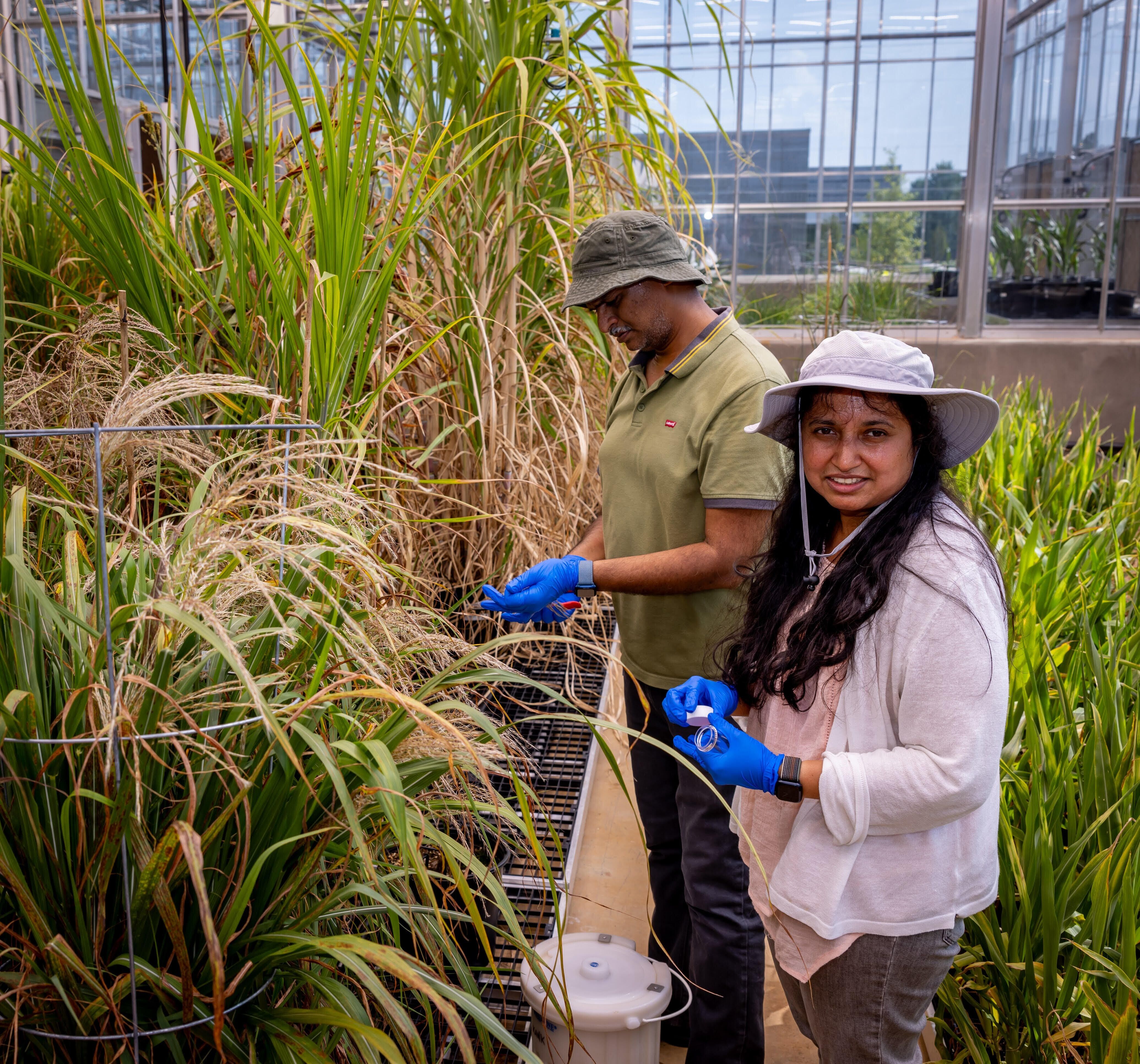
How it works: Switchgrass and miscanthus grasses are planted in underused farmland, like low swampy areas and places of poor soil, which are then broken down to their chemical building blocks.
- Those building blocks are then used as feedstocks for different manufacturing processes, from lighter, more sustainable car parts to plant-based replacements for food packaging.
- "We don't want to be disruptive (to farmers)," Jackson said. "If you're making a profit growing corn, keep doing that. We just want to be additive."
What we're watching: Jackson said the team is ready to hit the ground running, getting funds to some partners and getting up to relatively full speed in 30-60 days.
- They've been working on this technology for four years, he said, and the team expects it to be in the commercial marketplace in just a couple of years.
The bottom line: "Farmers are probably some of the more innovative people on the planet — they just don't get a lot of credit for it," Jackson told Axios.