Why one Colorado mom says integrated care made all the difference

A message from: Kaiser Permanente
Kaiser Permanente
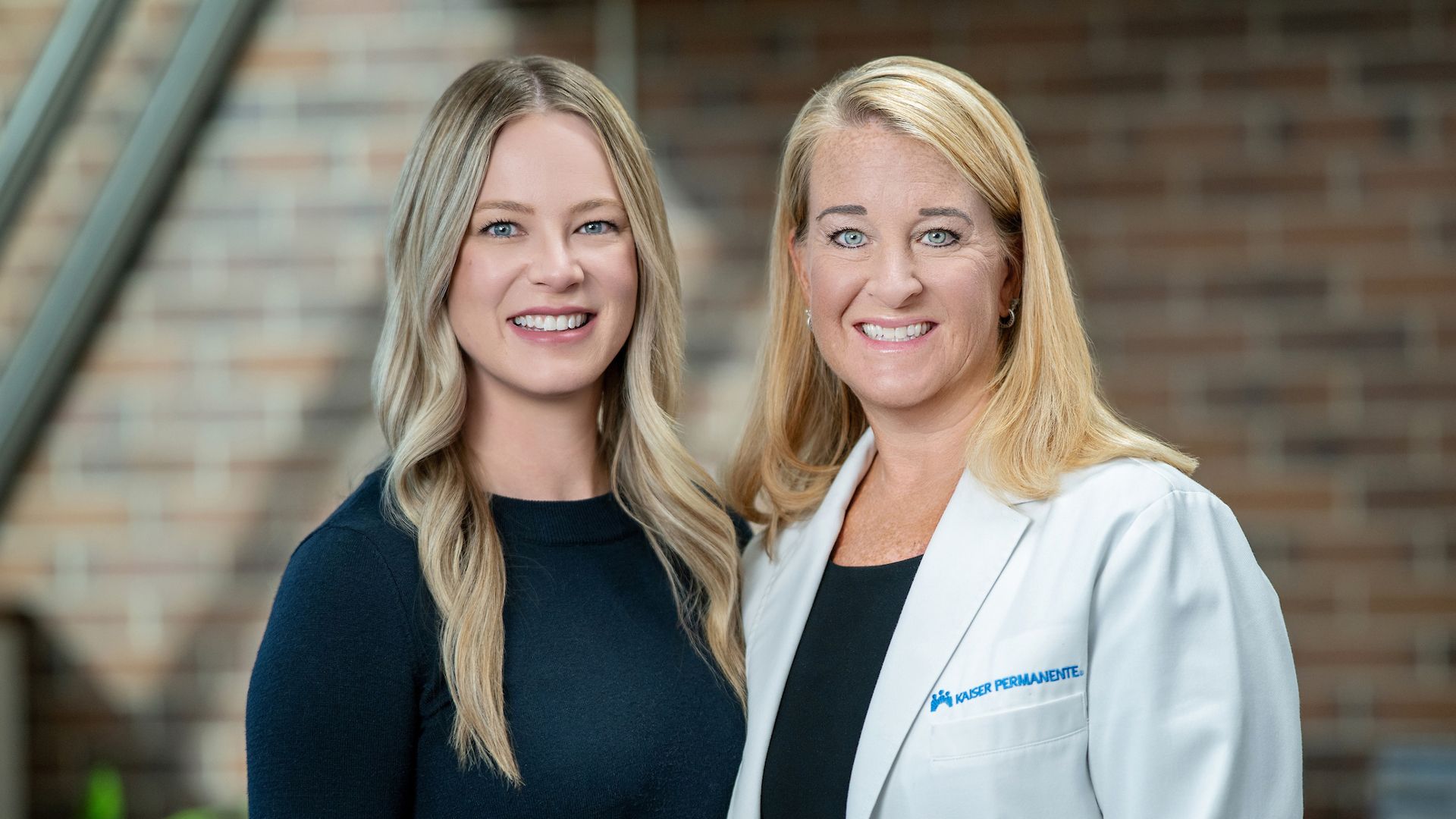
When Lauren Shockey's toddler son suddenly lost weight and started behaving differently, she feared something serious was wrong — but she said Kaiser Permanente's integrated system helped her family move quickly from concern to diagnosis, all within one connected experience.
The landscape: During medical crises, families often must juggle appointments, referrals, testing and coverage questions separately.
Kaiser Permanente's integrated model is designed to keep care, coverage and communication connected in one system so families can focus more on treatment and less on logistics.
The story: Lauren scheduled an appointment with her son's pediatrician, Tamara Kusek, MD, after noticing major changes in his eating habits and behavior.
- "I vividly remember that visit with Lauren, and I remember her being scared," Kusek said. "I also had a sense that there was really something significantly wrong."
Kusek immediately ordered testing based on the symptoms she observed. From there, the process moved quickly.
- Lauren was able to complete her child's blood work, imaging and follow-up testing within the same building during the same appointment.
- Results then appeared directly in Kaiser Permanente's app, connected to her family's account.
"It was so seamless and so easy," Lauren said. "I didn't have to run around while I was so stressed with my child."
The strategy: Kaiser Permanente's model often enables many services — including primary care, labs, radiology, pharmacy and specialty care — to take place within the same building.
- There's no need to wait for prior authorizations for imaging or other diagnostic workups, because Kaiser Permanente's coverage and care are integrated.
That can reduce the administrative burden families often face when navigating referrals, prior authorizations, records and scheduling across disconnected providers — and that speed matters in situations involving unexplained symptoms in children.
- "By being able to get actual data and results very quickly, I think it eases the mind," Kusek said.
The impact: Within days, Lauren's son received a celiac disease diagnosis.
Kaiser Permanente's digital tools helped her navigate follow-up questions and everyday parenting concerns without always needing to schedule another appointment.
- "Kids get sick, they'll have weird little symptoms and you're like, 'Oh my goodness, is this more than a doctor's appointment or is this something I could just chat with someone on?'" Lauren said.
- She said messaging through the app made it easier to determine what required care and what could be handled virtually.
Here's what else: Kaiser Permanente members also have access to multiple care options, including:
- Virtual appointments and e-visits.
- After-hours chat with a doctor and 24/7 nurse line.
- In-person care at 29 medical offices across Colorado's Front Range.
Those options are especially important for working parents balancing school schedules, jobs and unexpected illnesses.
- "There is an understanding that parents work, and that they have lives," she said. "Oftentimes things happen after hours, and that's often when they need the care the most."
The result: Today, Lauren said her son is doing well and continues recovering. "All the inflammation in his intestines has gone down," she said. "He's doing really well and on the right track."
The takeaway: For Lauren, the speed and connectivity of the diagnosis made all the difference.
"I'm just grateful that everything was taken so seriously," she said.
Hear more stories from Kaiser Permanente Colorado members and physicians.