Facing backlash, CoreSite vows "responsible" building

Add Axios as your preferred source to
see more of our stories on Google.
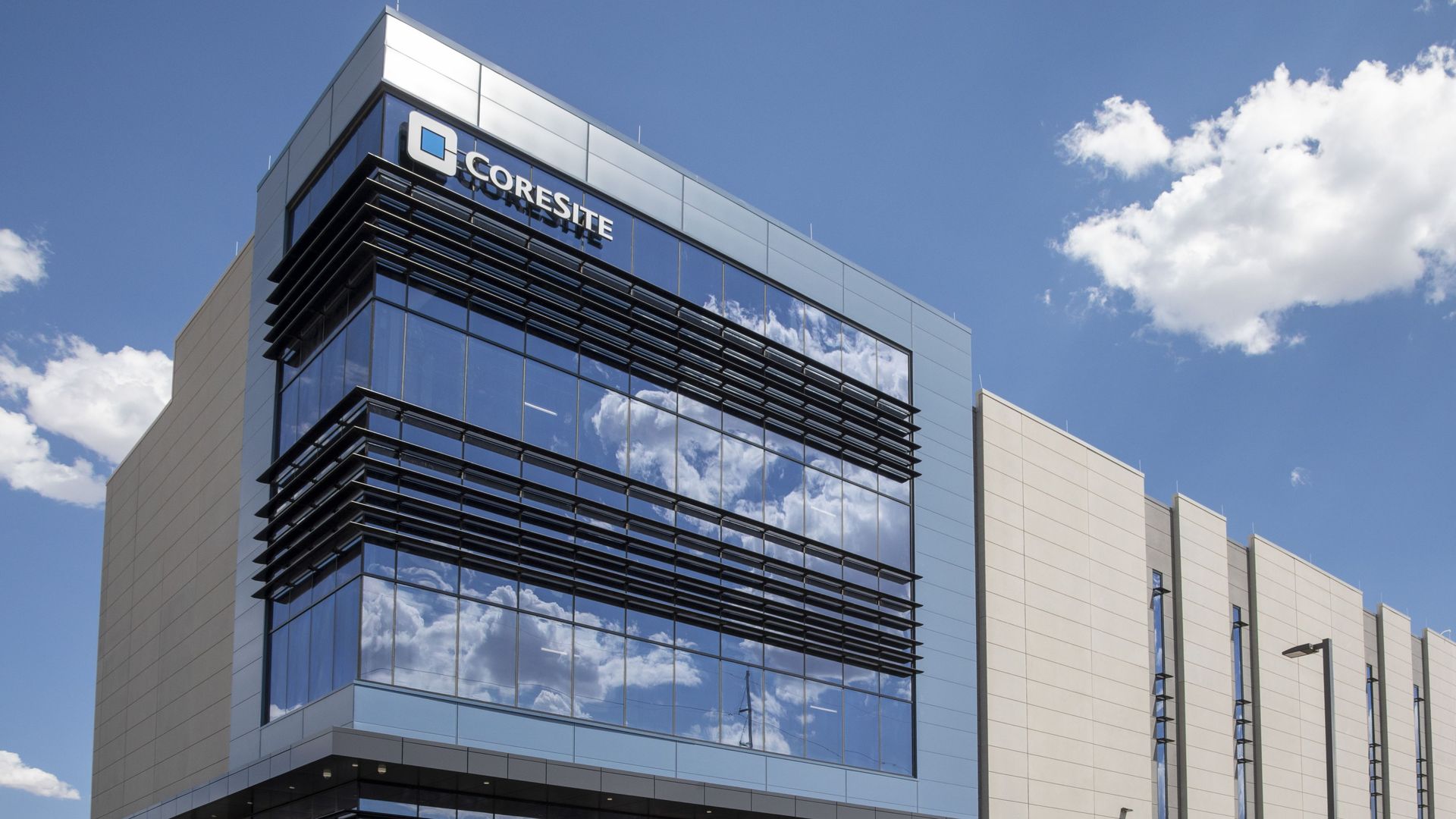
The CoreSite data center in the Elyria-Swansea neighborhoods. Photo; Jim West/UCG/Universal Images Group via Getty Images
For years, Denver-based CoreSite operated largely under the radar, running two data centers — including one inside a historic downtown building — with little public scrutiny.
- Not anymore.
Why it matters: Fierce opposition to CoreSite's newest project in Elyria-Swansea has thrust the company into a broader fight over the future of data centers in Denver.
State of play: Denver imposed in May a one-year moratorium on new data center applications, sparing CoreSite's newest facility.
- Mayor Mike Johnston has since floated an outright ban as the city explores new regulations.
What they're saying: "I just think it's a lack of education, a lack of understanding of the different types of data centers that exist," CoreSite spokesperson Megan Ruszkowski tells us.
- The company's working to be a more transparent "responsible builder" in the current climate, Ruszkowski adds.
- It's also participating in mediation with the GES Coalition, a local advocacy group, on a good neighbor agreement aimed at limiting environmental and neighborhood impact.
Zoom in: CoreSite's newest facility, known as DE3, opened this month and powers everything from video chat to AI applications, CoreSite central region general manager Yvonne Ng tells us.
- The company insists DE3 isn't an AI data center, though it will support AI inferencing — the process of using trained models to generate outputs, such as personalized recommendations.
- They're aware of the optics. "I think people see [other] AI data centers as a manifestation of AI," Ruszkowski says.
By the numbers: CoreSite's executives say the facility:
- Has a maximum capacity of 24 megawatts, though it's expected to peak around 18 megawatts.
- Could use up to 95 million gallons of water annually at full capacity but will more likely consume about 115,000 gallons daily, or about 42 million gallons annually.
- Will generate an estimated $200 million in tax revenue over 20 years and create about 20 on-site jobs.
The other side: Neighbors remain concerned about noise, air and water pollution.
- "The millions of dollars in profits for CoreSite come at a price — our health," Swansea resident Mercedes Gonzalez said during a city council event this month.
The bottom line: Despite public blowback, demand for data centers is only increasing, Ng tells us.
- Denver's data center working group — which CoreSite isn't involved in — will explore potential new regulations for future sites.