1-minute voter guide: Amendment 86 on the Colorado ballot

Add Axios as your preferred source to
see more of our stories on Google.
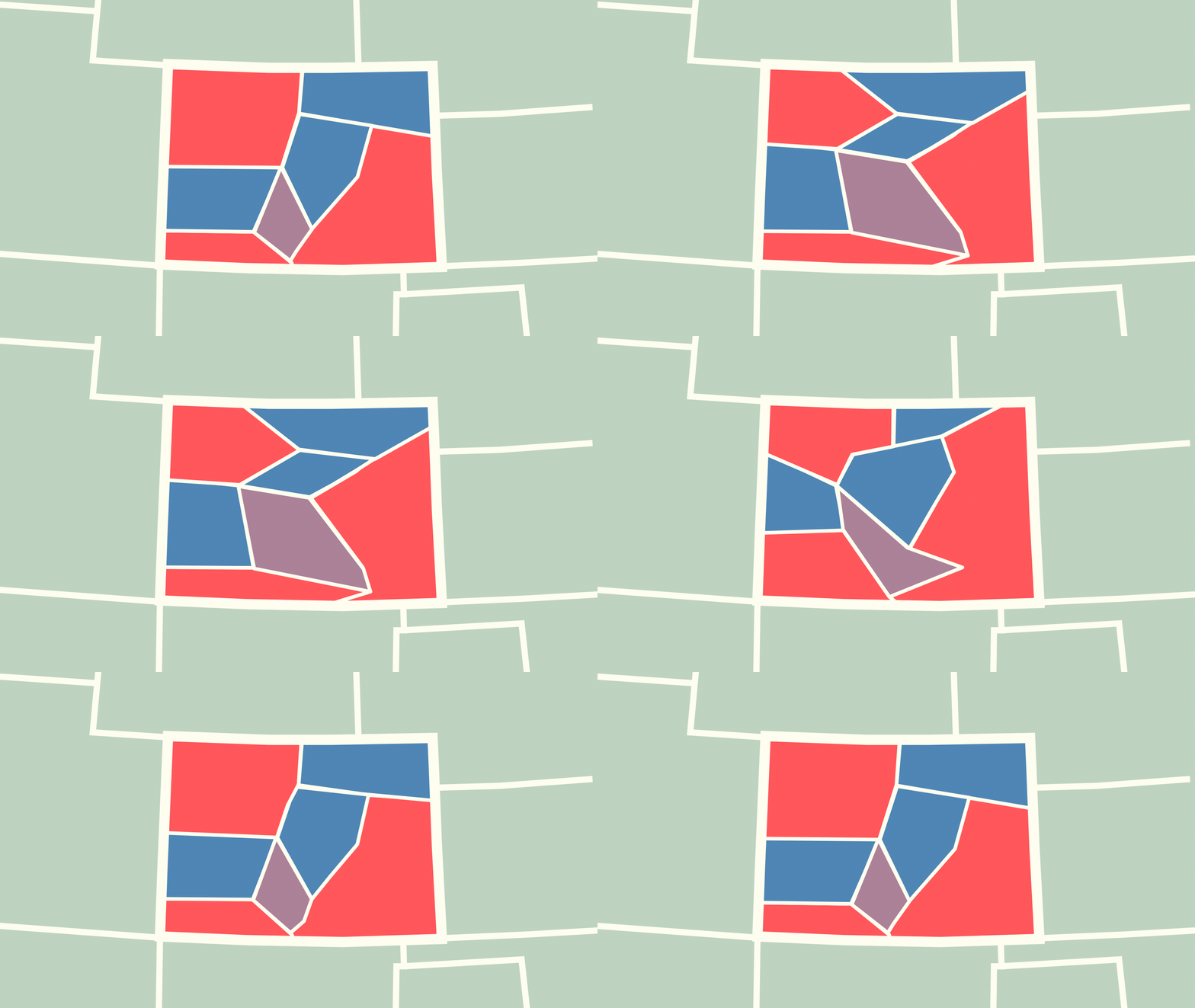
Illustration: Brendan Lynch/Axios
Colorado voters get their chance to tighten rules on redrawing congressional maps between census years.
Why it matters: The measure would make it tougher to change Colorado's congressional boundaries for political advantage outside the normal 10-year cycle.
The big picture: Colorado voters created an independent congressional redistricting commission in 2018 to reduce partisan influence over the process.
- Commissioners drew Colorado's current map after the 2020 census.
- The next regular mapmaking comes in 2031.
Flashback: Conservative group Advance Colorado backed Amendment 86 after Democrats pushed to redraw Colorado's map ahead of the 2028 election.
- Democrats sought boundaries that could give their party an advantage in seven of the state's eight congressional districts.
- Colorado's Supreme Court blocked that proposal in June because it violated the state's single-subject rule.
Zoom in: Amendment 86 would require approval from Colorado's independent redistricting commission and Supreme Court for changes outside the 10-year cycle.
- Additional requirements would include at least three public hearings and restrictions against maps intentionally favoring a political party or unnecessarily dividing communities of interest.
The other side: Opponents argue Colorado already has safeguards against partisan gerrymandering and voters should retain greater control over future map changes.
- They also warn that tighter rules could limit Colorado's ability to counter politically motivated redistricting in other states.
Follow the money: Colorado's nonpartisan legislative analysts estimate nearly $370,000 in added costs any year the redistricting commission conducts an off-cycle review.