Colorado's competency system faces needed overhaul

Add Axios as your preferred source to
see more of our stories on Google.
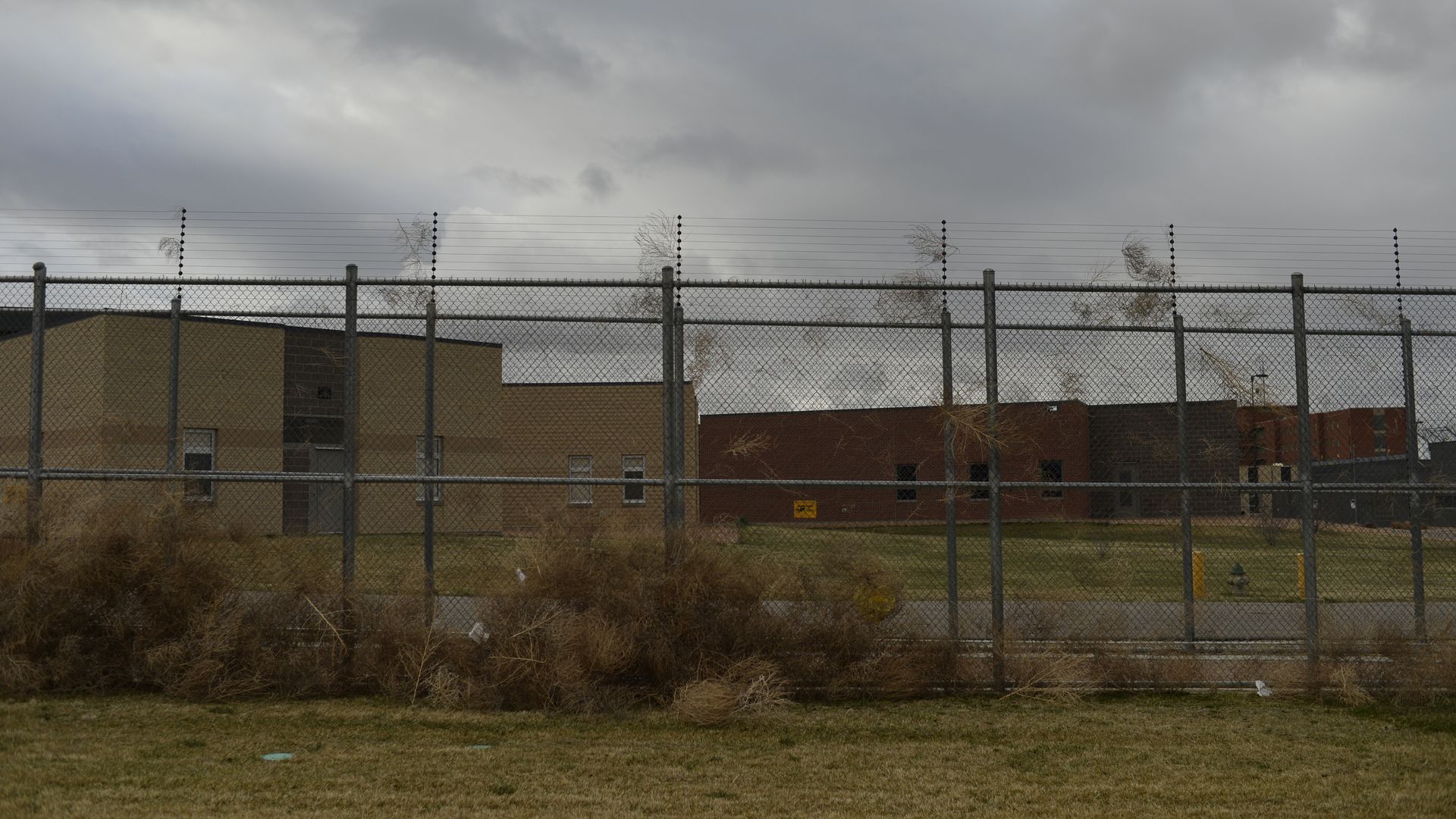
The Colorado Mental Health Institute at Pueblo. Photo: RJ Sangosti/The Denver Post via Getty Images
In September, a man charged with attempted second-degree murder walked out of a Weld County jail. Months earlier, a registered sex offender accused of attempted kidnapping of a child had his case dismissed.
Why it matters: In both situations, the men were deemed mentally incompetent and unlikely to regain competency — triggering a state law that required the court system to vacate the charges and set them free.
- The egregious cases are prompting an overhaul to the state's troubled competency system, one that would close the gap and keep more people accused of violent crimes and other felonies off the street.
State of play: Colorado lawmakers are advancing legislation to make it easier to civilly commit a defendant with any mental health disorder or intellectual and developmental disabilities for treatment.
- If no space at a residential treatment facility is available, the bill would send the defendant to the state mental health hospital in Pueblo or other locations.
What they're saying: "We do have this overarching goal of making sure that people who need care get into care and that public safety is addressed," Sen. Judy Amabile (D-Boulder) said at a legislative hearing Monday.
The big picture: The competency process balances defendants' civil liberties with their ability to understand criminal charges against them.
- The current system is overcrowded and understaffed. The number of competency treatment nearly tripled between the 2018 and 2023 fiscal years, the Denver Post reported, and the process can delay criminal cases for months and even years.
What we're watching: The legislation is a top priority for legislative leaders. The House speaker and the chamber's Republican leader are key sponsors of the measure, along with Amabile and Senate GOP leader Cleave Simpson.
- The Senate Judiciary Committee voted unanimously to advance the legislation after a number of amendments designed to satisfy prosecutors, public defenders and mental health advocacy organizations.
The bottom line: It's "one of the most important bills we'll pass this year," said Sen. John Carson (R-Highlands Ranch). "So it's been a tremendous undertaking."