Colorado's 2026 legislative session enters its final bruising weeks

Add Axios as your preferred source to
see more of our stories on Google.
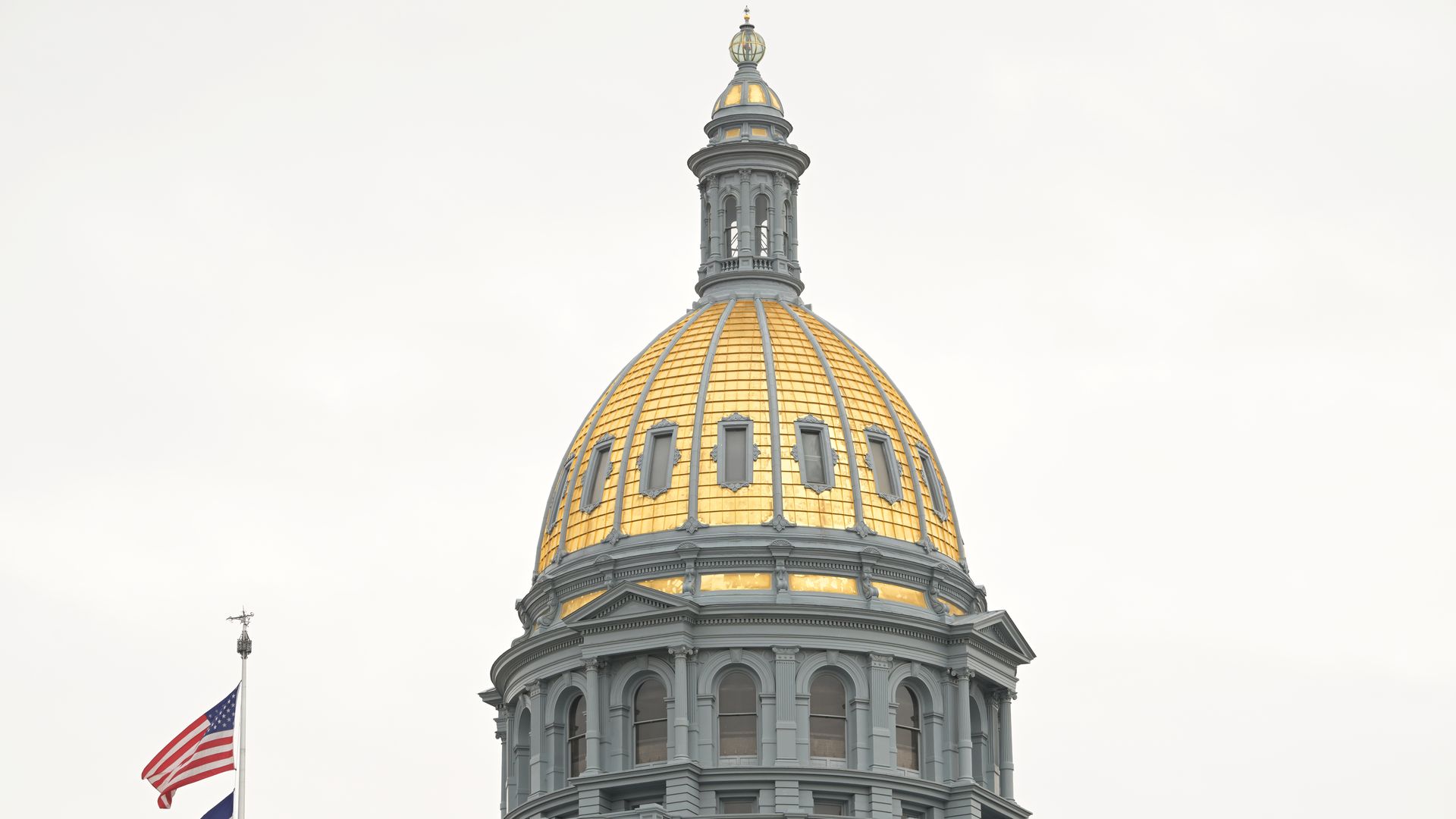
The Colorado State Capitol building in Denver. Photo: Hyoung Chang/The Denver Post via Getty Images
Colorado lawmakers are nearing the end of the 120-day legislative session, and they have the bruises to prove it.
Why it matters: A $1.5 billion budget shortfall and partisan fights have left lawmakers worn down, with little relief as the clock winds down.
State of play: With adjournment set for May 13, major legislation — from housing to artificial intelligence — is still in flux as lawmakers scramble to find agreements and money to cover the costs.
What they're saying: "In a year when most of the conversation is about [budget] cutting, there's no joy, there's no excitement for what you're able to deliver," House Speaker Julie McCluskie said last week.
- "But there is a sense of pride that you protected the investments you've made [in] core services and programs."
What we're watching: Here are three bills to track in the final weeks.
- State budget: The one bill lawmakers must pass each session is still in the works. The Joint Budget Committee is expected to meet this week to consider amendments added in the House and Senate to the $46.8 billion spending package.
- Sports betting: The bipartisan measure to put more restrictions on wagers and promotions is garnering major pushback from the industry and would spur a nearly $3 million reduction in state revenue from gambling taxes.
- Artificial intelligence: A yet-to-be-introduced bill is expected to tweak the state's current AI laws to limit disclosures and liability, two issues the business community is demanding.
Zoom in: So far this session, Colorado lawmakers are making the most of their time, passing dozens of bills with widespread support and nixing others that lacked consensus.
What's done
🚩 Gov. Jared Polis signed legislation to expand the state's "red flag law," allowing behavioral health officials to seek a court order prohibiting a person in danger from possessing firearms.
📲 A requirement for social media companies to comply with law enforcement search warrants within 72 hours, "before the trail goes cold," Polis said in a signing ceremony.
🏠 Two housing bills — the first ones introduced — won approval. The HOME Act will allow nonprofits and some government agencies to build housing on property they own.
- The other, Senate Bill 1, allows local governments to use property tax revenue on efforts to build more housing.
What's dead
🔫 At the behest of the governor, lawmakers stripped a provision from a gun bill that would have banned the distribution of digital instructions on how to make a 3D firearm. The rest of the bill, however, remains intact.
💋 A first-in-the-nation bill backed by sex workers to remove criminal penalties failed before reaching a committee vote.
🦫 A measure to protect beavers from hunting on public lands failed in a House committee.