Inside the mayor's relationship with the city auditor

Add Axios as your preferred source to
see more of our stories on Google.
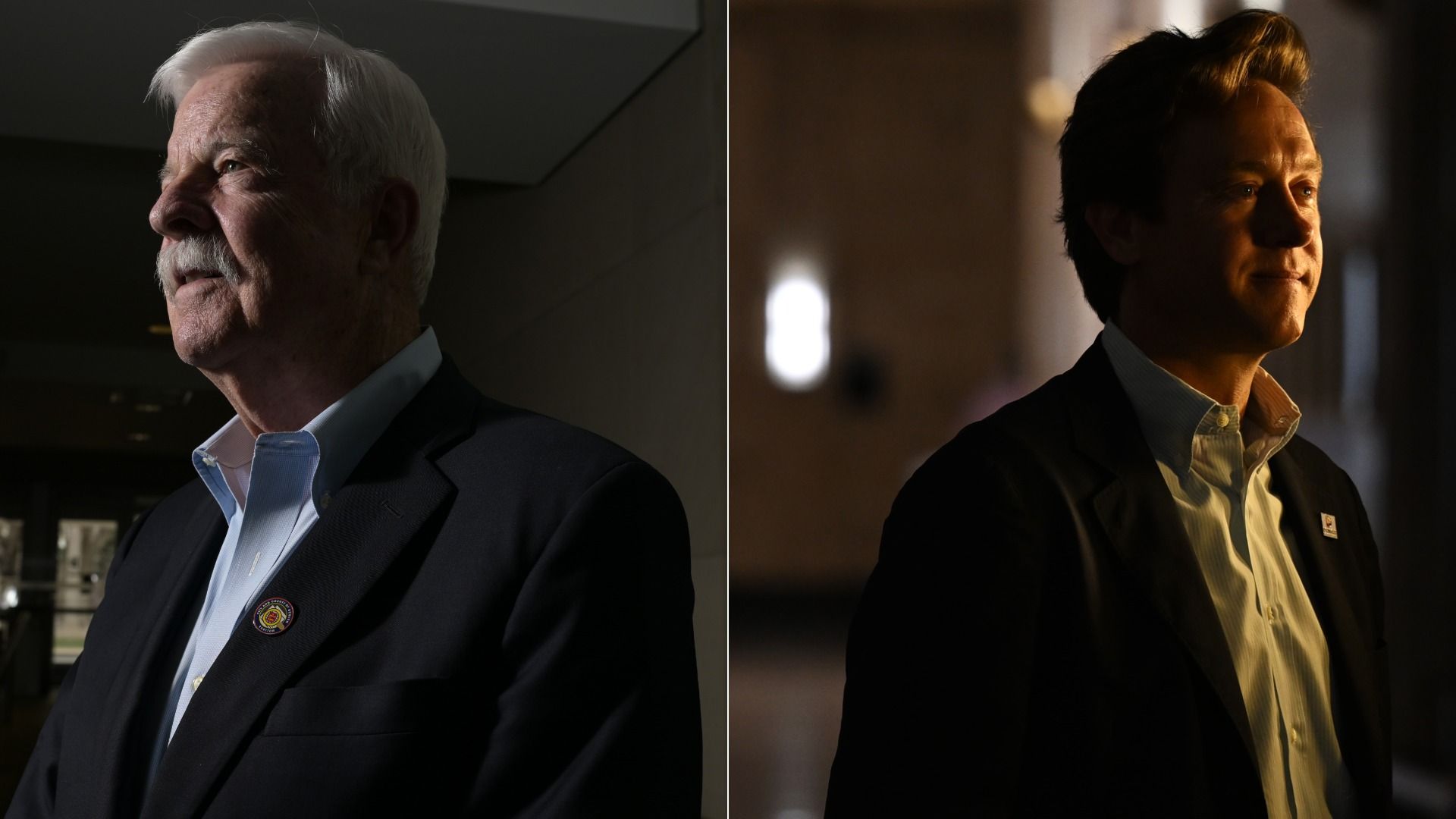
Denver Auditor Tim O'Brien and Mayor Mike Johnston. Photos: Hyoung Chang/The Denver Post via Getty Images and RJ Sangosti/MediaNews Group/The Denver Post via Getty Images
Mayor Mike Johnston characterizes his relationship with Denver Auditor Tim O'Brien as open and productive. The auditor calls it cordial. To the public, it appears contentious.
- "I've had mayors who have called me to say, 'Don't worry, my relationship was much worse with the auditor when I was here,'" Johnston tells Axios Denver, declining to name names.
Why it matters: The auditor serves as City Hall's financial watchdog, a key counterbalance meant to ensure taxpayer dollars are responsibly tracked and spent, which is especially critical during a rocky economic period.
Yes, but: It's a dynamic that's frequently tested.
Case in point: An audit released last month found Johnston's signature housing initiative overspent by $20 million.
- The mayor's office fired back, describing the report as "willfully misleading" in some instances. Weeks later in an exclusive interview, O'Brien called the mayor's response "not normal."
How it works: Audits typically involve months of meetings with agency staff, ongoing updates and draft reports shared with the department before publication.
Zoom in: Each audit includes recommendations for improvements, but agency pushback has recently increased, O'Brien said without specifying why.
- For instance, the All in Mile High audit included 12 recommendations, but five were rejected because Johnston said the city had already taken those steps.
Reality check: The auditor doesn't have the authority to enforce those recommendations.
- Still, there are instances when an agency implements a recommendation after initially rejecting it, O'Brien tells us.
What they're saying: "When we conduct an audit, we spend a lot of time gathering data … We don't get things that wrong," O'Brien tells us, referring to the $20 million difference between his findings and the mayor's retort.
- "We were not a single dollar over budget, and there was no dollar spent that wasn't accounted for, so that did not happen," Johnston tells us.
Between the lines: Johnston's explanation for the monetary discrepancy is that the audit incorporated programs outside All in Mile High's scope.
Zoom out: Two recommendations from last month's audit — including creating new expense-tracking policies and procedures — are due June 30.
- The remaining five recommendations have a Dec. 18 target date.
The bottom line: Even with deadlines in place, the $20 million in question highlights a fundamental tension between the mayor and auditor, who concedes they must occasionally need to agree to disagree.