Denver Water implements new restrictions

Add Axios as your preferred source to
see more of our stories on Google.
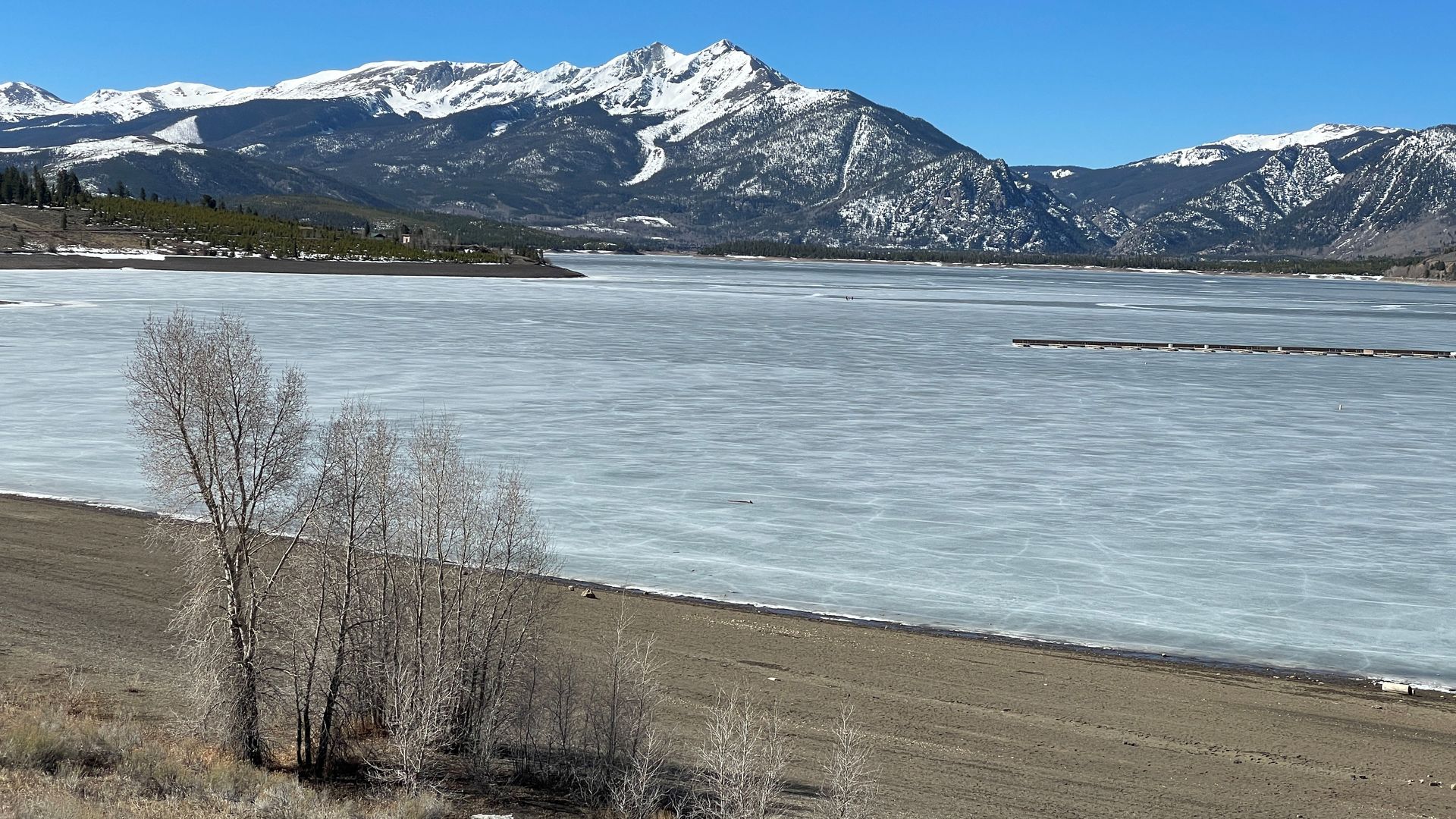
The Dillon Reservoir on March 21 at 76% capacity before snow melt runoff. Photo: Courtesy of Denver Water
Denver Water enacted mandatory watering restrictions on Wednesday for the first time in more than a decade amid drought conditions following a warm, dry winter.
Why it matters: The limits on outdoor watering and more will affect 1.5 million customers in Denver and the surrounding suburbs.
- The goal is to reduce water usage by 20% and prevent stricter rules later in the year.
How it works: Under Stage 1 drought restrictions, Denver Water customers in single-family homes can only water two days per week on a set schedule. The limits are effective through April 30, 2027.
- Addresses ending in even numbers can water Thursdays and Sundays. Odd-numbered addresses are allowed to water on Wednesdays and Saturdays.
- Other customers in multifamily or commercial properties may only water on Tuesdays and Fridays.
The fine print: No watering is allowed between 10am and 6pm on any day.
- The utility is urging customers not to turn on automatic sprinkler systems until at least mid-May and to limit hand-watering trees and shrubs.
What they're saying: "We're dealing with conditions that we've never seen before," Board of Water Commissioners president Tyrone Gant said at a meeting Wednesday to approve the drought plan.
- "Given the current situation, we'll also be looking at drought pricing, and if conditions don't begin to improve, there's a possibility that we'll need to take further actions," he warned.
Threat level: Denver depends on mountain snowpack for about 90% of its water supply, and current levels are the worst on record in the utility's two primary watersheds, the Colorado River Basin (55% of normal) and the South Platte River Basin (42% of normal).
- Denver Water's reservoirs are 80% full, down from the 85% average for this time of year.
What we're watching: April is one of the snowiest months in Colorado, but restoring snowpack levels to non-drought conditions would require seven to eight feet of snow, an unprecedented total for the month, officials said.