Study: Colorado's signature alpine squeakers may be slipping away

Add Axios as your preferred source to
see more of our stories on Google.
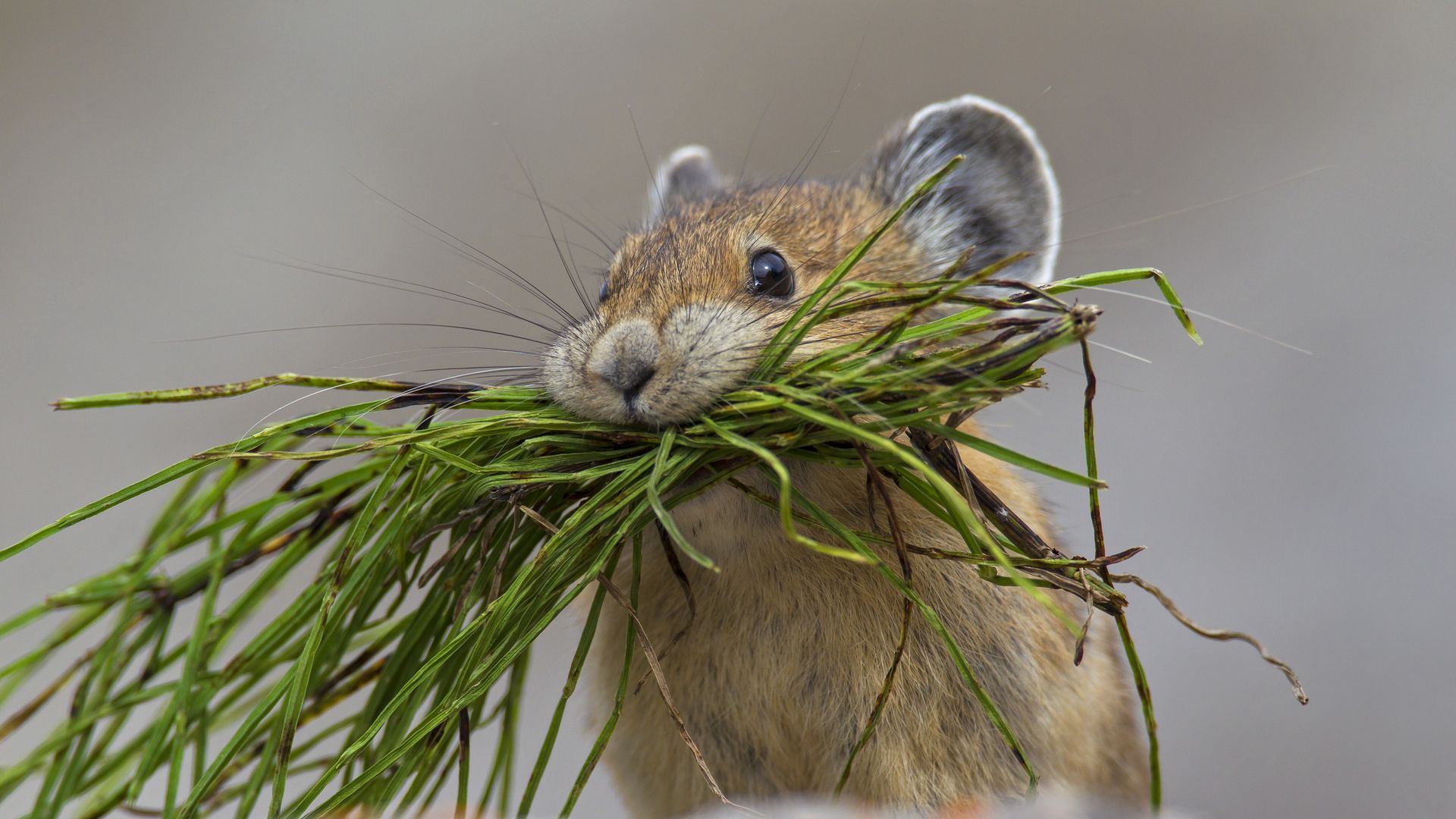
An American pika with a mouthful of food. Photo: Arterra/Universal Images Group via Getty Images
The squeaks and flashes of fast, fuzzy creatures dashing across Colorado's mountains may be fading, a new study finds.
Why it matters: The American pika — one of Colorado's most iconic and charismatic animals — doubles as an early-warning siren for the health of mountain ecosystems that millions of people rely on for water. If pikas are struggling, there's a good chance the alpine world is, too.
What they're saying: "The habitats where pikas live are our water tower," Chris Ray, the study's lead author, said in a statement.
- "The permafrost, or seasonal ice, that's underground here melts later in the summer and helps replenish our water supplies at a time when reservoirs are draining."
What they found: University of Colorado Boulder researchers discovered that juvenile pikas living in a single habitat roughly 10 miles south of Rocky Mountain National Park have "plummeted" in number since the 1980s.
- These populations are dominated by older adults, with far fewer young pikas born or migrating to replace them.
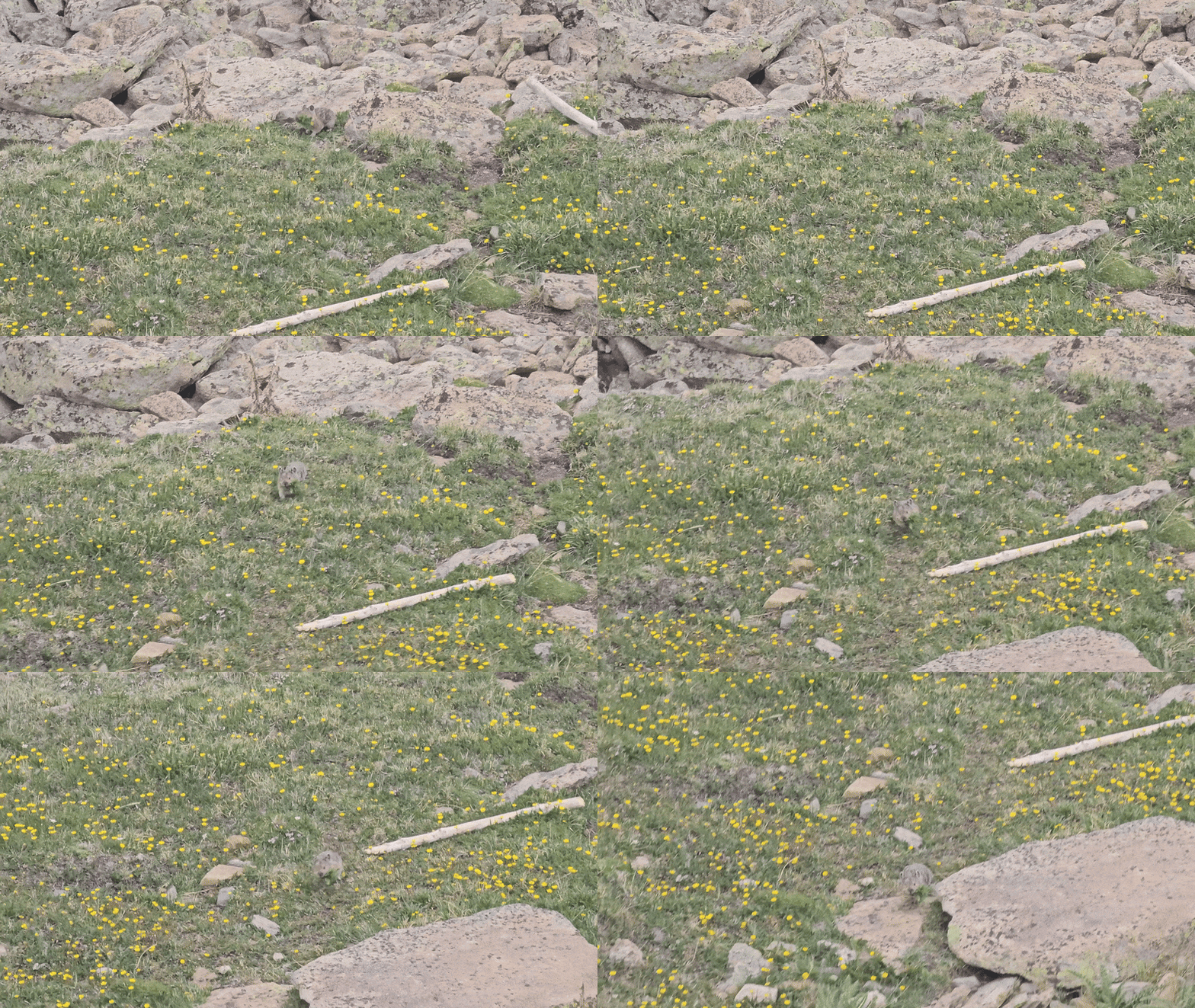
What they did: Scientists surveyed pikas at the Niwot Ridge Long Term Ecological Research site near Nederland in 2004 and again from 2008 to 2020
- When they compared those results with similar surveys conducted from 1981 to 1990, their calculations revealed the share of juveniles captured had dropped by about 50%.
The big picture: A definitive cause for the decline hasn't been identified, but researchers suspect warming temperatures are playing a role. Summers have warmed across the Rockies, and their round-eared residents are especially vulnerable to those changes.
- To move between mountain patches, pikas have to descend into warmer elevations they're not built for.
- "Pikas don't pant like a dog. They don't sweat," Ray said in a CU Boulder Today interview. "The only way they can release their metabolic heat is to get into a nice, cool space and just let it dissipate."
What we're watching: Researchers don't yet know how widespread the trend is across the West. But a 2015 study warned that pikas could vanish from Rocky Mountain National Park by the end of the century.